Source Creative Mascot Plush Toy for Gifts, Promos, and Retail
Find 30 Creative Mascot Plush Toy options for promotional gifts, retail displays, and custom branding. Compare OEM/ODM capabilities, certifications like CE and ASTM, and customization features to select the ideal soft, sound-enabled doll for your business needs.
Key considerations
Products List


Plush Toys Custom Mascot Custom Plushie Custom Stuffed Animal with ASTM CPC
$5.77 - $7.99
MOQ: 100 Pieces
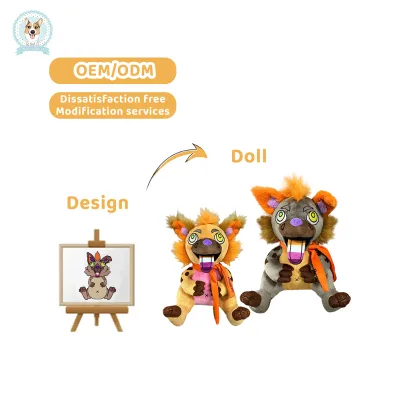
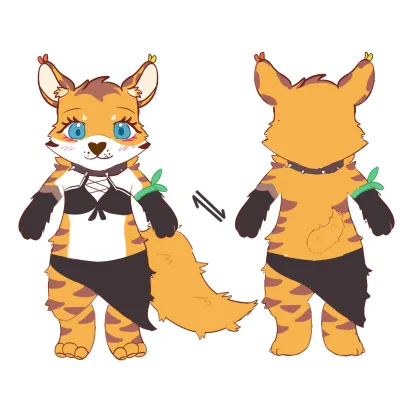


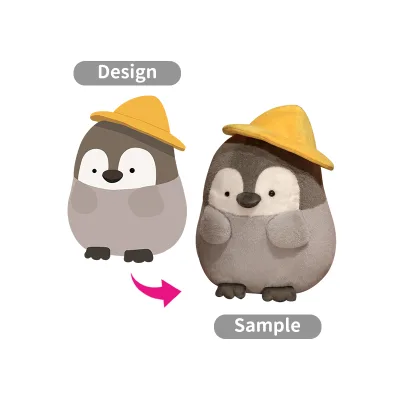


Comprehensive Sourcing Guide
Creative Mascot Plush Toy Sourcing Guide
Sourcing creative mascot plush toys requires a strategic approach that balances custom design capabilities with rigorous safety compliance, as these items often serve as promotional gifts or brand ambassadors for diverse markets. The observed product landscape reveals a wide spectrum of options ranging from hand-made custom models to machine-produced animal figures, with customization available for logos, packaging, and specific modeling sources. Buyers must navigate a market where the minimum order quantity (MOQ) can vary significantly from a single piece to 1,000 units, necessitating a clear understanding of how order volume impacts unit pricing and production timelines.
The procurement process is further complicated by the diverse technical attributes observed in listings, including variations in production methods, materials, and functional features like sound and light integration. While some suppliers offer standard animal styles such as rabbits, others provide fully custom modeling sources to create unique mascots tailored to specific brand identities. Understanding these distinctions is critical for aligning the final product with the intended usage, whether for corporate gifting, promotional campaigns, or retail sales, ensuring that the selected supplier can deliver the specific aesthetic and functional requirements without compromising on quality or safety standards.
Product Scope and Observed Listing Signals
Buyers should first categorize the product scope by distinguishing between standard animal types and fully custom mascot designs, as the listing signals indicate a split between pre-defined models and bespoke creations. The observed data shows that products are available as "Standing Animal" styles or generic "Plush Dolls," yet the "Customization" attribute confirms that the core of this category lies in the ability to modify the modeling source, dimensions, and branding elements. This flexibility allows procurement teams to source items that range from simple promotional giveaways to complex, character-driven mascots that require specific height ranges, typically between 11 and 30 centimeters, to fit various display or packaging needs.
Commercial signals in the market also highlight significant variability in packaging and functional features, which directly influences the final product's utility and presentation. Listings indicate that some units come boxed while others are packed in OPP bags or cartons containing 30 to 40 pieces, and functional attributes may include sound and light capabilities or remain purely tactile with a "Soft Comfortable" feature. Procurement decisions must account for these variations, as the choice between a simple soft plush and a multi-functional toy affects not only the unit cost but also the logistics of shipping and the perceived value of the item when used as a gift or promotional tool.
Technical Specifications to Verify
When evaluating technical specifications, the primary decision point involves verifying the production method, as the market contains both hand-made and machine-produced options that affect consistency and detail. Buyers must explicitly confirm whether the desired mascot will be crafted by hand to ensure unique character details or produced via machine for uniformity and scalability, as this choice impacts the lead time and the ability to replicate the design across large order quantities. Additionally, the "Modelling Source" attribute suggests that while some products are based on animals like rabbits, others are entirely custom, requiring the buyer to provide clear reference materials to ensure the final prototype matches the intended brand identity.
Material and dimensional specifications are equally critical, particularly regarding the plush length, weight, and fabric composition, which are often listed as custom or variable. The observed data indicates that products can be customized in weight and dimensions, with some specifications noting "Short Plush Toys" or specific height ranges, while others list the material standard as polyester or custom blends. Buyers should verify the exact fabric composition and washing instructions, such as hand wash requirements, to ensure the product meets durability expectations and care standards for the end-user, especially when the toy is intended for children aged 3 to 8 years or older.
Compliance and Safety Documentation
Safety compliance is a non-negotiable aspect of sourcing plush toys, particularly when the target audience includes children, as the observed listings frequently cite certifications such as CE, EN71, ASTM, CPSIA, and Reach. Procurement teams must verify that the supplier can provide valid test reports confirming adherence to these specific standards, which are essential for market access in regions like the European Union and North America. The presence of multiple certification labels in the data suggests that reputable suppliers maintain these credentials, but buyers should not assume compliance based on a single listing; instead, they must request current test certificates for the specific product model to ensure that the materials and construction meet the required safety thresholds.
Beyond physical safety, documentation regarding social and environmental compliance is increasingly vital for B2B procurement, with BSCI and ISO9001 certifications appearing as key indicators of supplier reliability. These certifications signal that the manufacturing facility adheres to ethical labor practices and maintains a consistent quality management system, which reduces the risk of supply chain disruptions or reputational damage. Buyers should treat these certifications as baseline requirements and verify their validity through the issuing bodies, ensuring that the supplier's quality control processes are robust enough to handle custom orders while maintaining the high standards expected for promotional gifts and retail products.
Cost Drivers and Commercial Terms
The cost structure for creative mascot plush toys is heavily influenced by the level of customization and the order volume, with observed MOQs ranging from 1 piece to 1,000 units. Buyers must understand that lower MOQs, such as 1 piece, often come with a higher unit price due to the setup costs for custom molds and the inefficiency of small-batch production, whereas larger orders can leverage economies of scale to reduce costs. The "Sample Time" of 3 to 7 working days and the "Production Time" of approximately 20 days are also critical cost factors, as expedited timelines may incur additional fees and require careful planning to avoid delays in the supply chain.
Commercial terms regarding packaging and branding also play a significant role in the total landed cost, as options for custom logos, hang tags, and specific packing configurations add to the overall expense. The data indicates that labels and hang tags can be customized, and packing can vary from individual boxes to bulk cartons, each with different material and labor costs. Buyers should negotiate these terms early in the process, clarifying whether the supplier includes the cost of custom branding in the unit price or charges it as a separate setup fee, and ensuring that the packaging design aligns with the product's intended usage as a gift or promotional item.
Supplier Qualification and Quality Control
Supplier qualification should begin with a thorough review of their technical capabilities, specifically their ability to handle custom modeling sources and produce both hand-made and machine-made items as required. Buyers must assess whether the supplier has the necessary infrastructure to manage the "Custom" attribute effectively, ensuring they can translate a brand's concept into a physical product that meets the specified height, weight, and material requirements. The presence of "OEM/ODM" capabilities in the listings suggests that many suppliers are equipped for custom work, but buyers should verify their portfolio of past projects to confirm their experience with similar mascot designs and their ability to maintain consistency across batches.
Quality control processes must be rigorously defined, with a focus on the "Test" standards such as ASTM and EN71, which should be applied to every production run. Buyers should require a pre-production sample approval process to verify that the prototype matches the design specifications before mass production begins, and they should establish clear acceptance criteria for defects related to stitching, stuffing, and functional elements like sound or light. The "Production Time" of about 20 days allows for a window to conduct these quality checks, but buyers must ensure that the supplier has a dedicated quality assurance team to inspect the final goods against the agreed-upon standards before shipment.
Long-Term Procurement Checks
Establishing a long-term procurement relationship requires regular audits of the supplier's compliance status and production capacity to ensure they can scale with your business needs. Buyers should schedule periodic reviews of the supplier's certifications, such as BSCI and ISO9001, to confirm that their ethical and quality standards remain current, and they should monitor changes in their production capabilities to accommodate future customizations or volume increases. The variability in lead times and MOQs observed in the market suggests that flexibility is key, and maintaining open communication with the supplier will help mitigate risks associated with supply chain disruptions or changes in material costs.
Finally, long-term success depends on continuous feedback loops regarding product performance and customer satisfaction, particularly for items used as gifts or promotional tools. Buyers should track the durability and safety of the plush toys in the field, noting any issues related to washing, wear, or functional failures, and use this data to refine future specifications and supplier requirements. By maintaining a proactive approach to quality and compliance, procurement teams can ensure that their creative mascot plush toys continue to meet brand standards and regulatory requirements, fostering a sustainable and reliable supply chain for years to come.
FAQs
Can I customize the design of a Creative Mascot Plush Toy?
Yes, customization is available for creative mascot plush toys. You can provide your own modelling source or artwork to create a unique product. The manufacturer supports both OEM and ODM services, allowing you to add your custom logo and hang tags. This ensures the final plush doll aligns perfectly with your brand identity or promotional needs.
What certifications do these plush toys meet?
These plush toys meet major international safety standards including CE, EN71, ASTM, CPSIA, and REACH. Some products also hold BSCI and ISO9001 certifications. These credentials ensure the toys are safe for children over two years old and comply with strict quality requirements for export to various global markets.
What is the minimum order quantity for custom plush toys?
The minimum order quantity varies by supplier, ranging from 1 piece to 1000 pieces. Some vendors offer an MOQ of just 100 PCS for standard items, while others may require higher volumes for complex customizations. You can often start with a small sample order to verify quality before committing to a larger production run.
How long does production take for custom orders?
Production time is typically about 20 days, though it depends on the order quantity. Sample preparation usually takes 3-7 working days. For large orders, the timeline may extend slightly. It is advisable to confirm the exact lead time with the supplier based on your specific customization requirements and current production schedule.
What materials and features are included in these plush toys?
These toys are made from soft, comfortable polyester materials, often described as short plush or standing animal styles. Features may include sound and light functions. They are designed for unisex use, suitable for ages 3-8 years or older. The toys are hand-washable and come in various heights, typically between 11-30cm.
How are the plush toys packaged for shipping?
Packaging options include OPP bags, boxed sets, or bulk carton packing. Standard carton packing often contains 30-40 pieces per carton. Some suppliers use OPP bags combined with cartons for protection. You can also request customized labeling or hang tags to suit your specific retail or promotional distribution needs.