Source Crystal Name Stamps for Personal Decorations, Gifts, and Souvenirs
Compare 30 Crystal Name Stamp options for personal decorations, promotion gifts, and souvenirs. These items feature alloy or rubber materials with custom imprint shapes like round or rectangle. Find suitable models for bag, purse, or clothes applications with guaranteed quality.
Key considerations
Products List


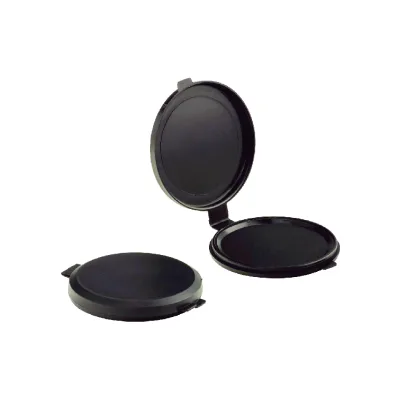
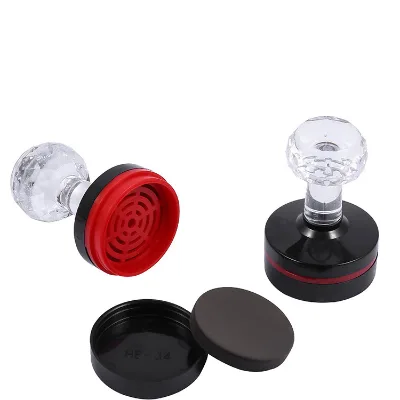
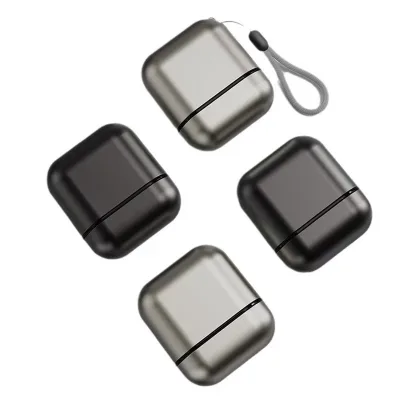
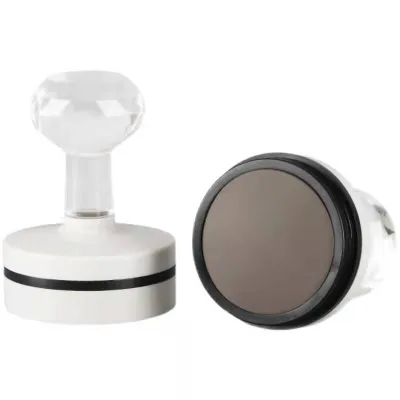
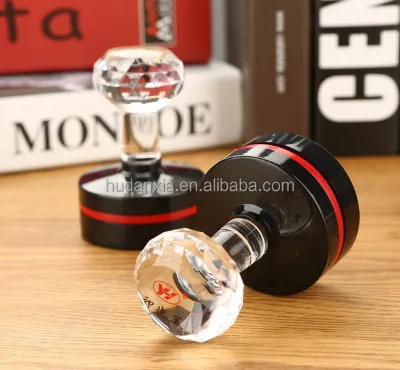
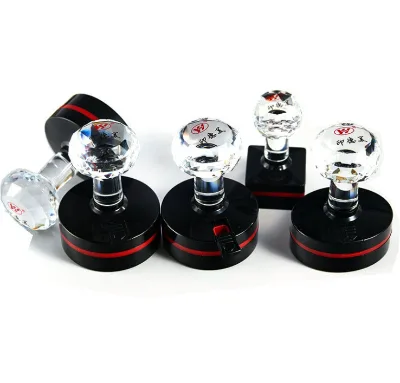
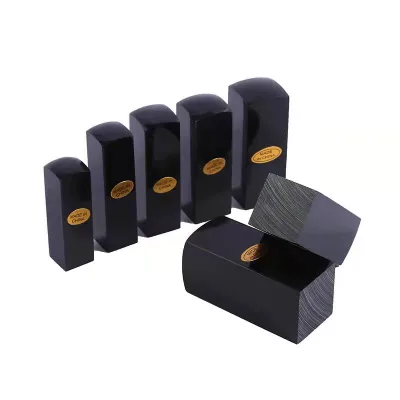
Factory Plastic Stamp Crystal Stamp Square Seal Laser Engraved Stamp Height 60mm
$0.31 - $0.77
MOQ: 100 Minimum


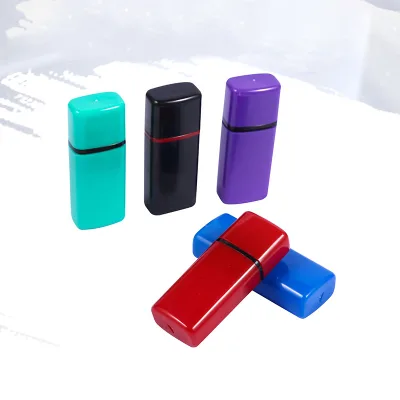
Comprehensive Sourcing Guide
Crystal Name Stamp Sourcing Guide
Buyers evaluating crystal name stamps must first distinguish between the decorative metal variants and the functional rubber or plastic stamping tools observed in current listings. The market presents distinct product categories where alloy components serve as personal decorations or souvenirs, while rubber and plastic models function as manual or automatic stamping devices for commercial use. Understanding this divergence is critical before initiating any procurement inquiry, as the intended application dictates the necessary material properties and processing methods.
The observed product range includes items with specific customization options, ranging from fully customized alloy shapes like hearts and stars to non-customized rubber stamps with fixed imprint shapes. Buyers should verify whether the supplier offers machinery processing for metal components or casting and stamping techniques, as these processes directly influence the final finish and durability. Clarifying the specific model type, such as the DT, TH, or HB series, ensures that the selected product aligns with the required size specifications and functional requirements for the intended project.
Product Scope and Observed Listing Signals
The current market signals indicate a diverse inventory where alloy products are frequently marketed for personal decoration, home decor, and religious crafts, often featuring silver plating and creative styles. These items typically range in size from 30 to 50 millimeters or 1 to 5 inches, with shapes including bones, rounds, rectangles, and stars. Procurement teams must carefully review the product attributes to ensure the selected item matches the specific aesthetic and dimensional needs of the target audience, as these decorative pieces are distinct from functional stamping tools.
In contrast, the functional segment includes rubber and plastic stamps designed for bag, purse, and clothing applications, with some models featuring rechargeable battery options or manual binder types. Listings show varying flash rubber thicknesses, such as 4mm plus 3.5mm foam or 7mm solid rubber, which affect the clarity and pressure required for imprinting. Buyers should scrutinize the listed imprint shapes, which include rectangles, rounds, ovals, and squares, to confirm compatibility with their specific branding or labeling requirements before placing an order.
Technical Specifications to Verify
When assessing technical viability, the material composition serves as the primary differentiator between decorative and functional units. Alloy products require verification of plating quality, specifically stainless plating, to ensure resistance to tarnishing and corrosion during outdoor or long-term use. For rubber and plastic variants, the buyer must confirm the exact flash rubber thickness and foam layer specifications, as these dimensions determine the stamp's resilience and the quality of the ink transfer on various surfaces like fabric or paper.
Dimensional consistency is another critical verification point, as observed listings specify standard sizes like 50x28mm or specific model dimensions such as 17mm, 23mm, and 28mm. Buyers should cross-reference the listed length ranges of 1 to 5 inches against their physical constraints to avoid compatibility issues with existing packaging or machinery. Additionally, the processing method, whether machinery-based or casting and stamping, must be confirmed to ensure the product meets the required structural integrity and finish standards for the intended application.
Compliance and Safety Documentation
Safety compliance is paramount when sourcing products intended for personal use, children, or general consumer markets. Some rubber stamp listings explicitly reference adherence to EN 71 1-3 standards, which are essential for toys and children's products to ensure the absence of harmful substances. Buyers must request current test reports to verify that the materials used, particularly rubber and plastic components, meet these specific safety thresholds before approving any bulk shipment for distribution.
For products marketed as souvenirs or decorations, verifying the origin and manufacturing standards is equally important to mitigate supply chain risks. While some listings indicate origins in Dongguan or Ningbo, China, buyers should not assume compliance based on location alone. It is necessary to obtain documentation confirming that the plating processes and material treatments meet international safety regulations, ensuring that the final product does not pose health risks to end-users or violate import regulations in the destination market.
Cost Drivers and Commercial Terms
The commercial landscape for these items is influenced heavily by the customization level and the complexity of the processing methods employed. Customized alloy products with specific shapes and plating often command higher unit costs due to the additional tooling and labor required for casting and stamping. Conversely, non-customized rubber stamps with standard imprint shapes may offer more competitive pricing, but buyers must account for the MOQ variations, which range from single units to 10,000 pieces, significantly impacting the total cost of ownership.
Lead times and packaging logistics also play a substantial role in the final cost structure. Observed lead times of 7 to 10 days suggest a relatively agile production cycle, but this can fluctuate based on order volume and customization requests. Packaging specifications, such as 1,000 pieces per carton with defined dimensions or bulk packing, affect shipping costs and storage efficiency. Buyers should negotiate terms that balance the unit price with the logistical expenses to optimize the overall procurement budget.
Supplier Qualification and Quality Control
Establishing a robust quality control framework is essential when dealing with suppliers offering a mix of alloy and rubber products. Buyers should verify the supplier's capability to maintain consistent quality across different material types, ensuring that the guaranteed quality claims are backed by internal inspection protocols. It is advisable to request samples that represent the full range of materials and finishes to validate the plating adhesion, rubber elasticity, and dimensional accuracy before committing to a larger order.
Supplier qualification also involves assessing their production capacity and flexibility regarding customization. The availability of both manual and automatic binder types, along with various imprint shapes, indicates a versatile manufacturing base. However, buyers must confirm that the supplier can consistently deliver on the specified lead times and maintain the required quality standards across all batches. Establishing clear communication channels and defining quality acceptance criteria early in the relationship helps prevent discrepancies and ensures a smooth procurement process.
Long-Term Procurement Checks
Sustaining a successful supply chain relationship requires ongoing monitoring of product performance and supplier reliability over time. Buyers should implement a system to track the durability of the plating on alloy items and the wear resistance of rubber stamps under repeated use. Regular feedback loops with end-users can provide valuable insights into any emerging quality issues, allowing for proactive adjustments to specifications or supplier selection before problems escalate.
Periodic re-evaluation of market conditions and supplier capabilities is necessary to ensure continued value and compliance. As product standards and safety regulations evolve, buyers must stay informed about changes that could impact their current inventory. Maintaining a diverse supplier base and regularly auditing performance against the initial commercial terms and quality benchmarks will help mitigate risks and ensure a stable, long-term supply of crystal name stamps that meet the evolving needs of the business.
FAQs
What materials are used for crystal name stamps?
Crystal name stamps are typically crafted from durable alloy or rubber materials. Alloy options provide a metallic finish suitable for personal decorations and souvenirs. Rubber variants offer flexibility and are often used for specific imprinting needs. These materials ensure longevity and consistent performance for commercial gifts and collection items.
Can I customize the shape of the stamp?
Yes, customization is available for these stamps. Buyers can choose from various shapes including bone, round, rectangle, heart, and star. The imprint shape can also be selected as rectangle, round, square, or oval. This flexibility allows for tailored designs that meet specific branding or decorative requirements for promotional gifts.
What is the typical lead time for orders?
The standard lead time for production is 7 to 10 days. This timeframe applies to most customized orders. Buyers should account for this duration when planning their procurement schedules. Expedited options may vary, so it is advisable to confirm specific timelines with the supplier before finalizing the order to ensure timely delivery.
What is the minimum order quantity for these stamps?
The minimum order quantity is generally 1000 pieces. However, some suppliers may accept orders starting from 1 piece. The observed range spans from 1 to 10000 units. Buyers should verify the specific MOQ with the chosen vendor, as requirements can vary based on the material and customization level selected.
Are these stamps suitable for outdoor use?
Yes, these stamps are suitable for outdoor applications. They are designed to withstand various environmental conditions. The durable materials, such as alloy and rubber, ensure resilience. This makes them ideal for use in outdoor events, promotional activities, and other settings where durability and reliability are essential for maintaining quality performance.
What standards do the rubber stamps meet?
Rubber stamps typically meet the EN 71 1-3 safety standard. This certification ensures the materials are safe for use, particularly in products intended for children or personal items. Buyers looking for compliant products should verify this standard with the supplier. It provides assurance regarding the safety and quality of the rubber components used.