Source Crystal Pendant Necklace for Fashion, Luxury, and Health
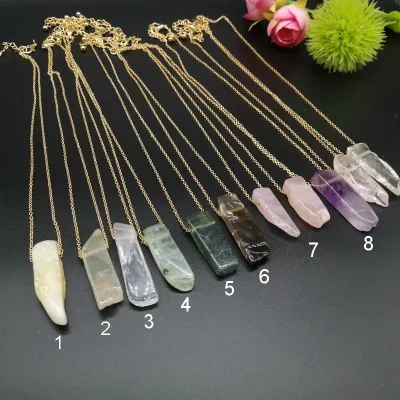
Find 30 Crystal Pendant Necklace options for female, male, and elderly buyers. Compare materials like 925 sterling silver, stainless steel, and alloy. View plating styles, lengths, and customization services from China suppliers; compare the available evidence and request quotations based on your requirements.
Key considerations
Products List


Fashion Necklace Chain Gold with Crystals and Rhinestone Pendant 34~36+4cm
$1.48 - $1.58
MOQ: 500 Pieces

Fashion Necklace Chain Gold with Crystals and Rhinestone Pendant 22~24+5cm
$2.40 - $2.50
MOQ: 500 Pieces




Comprehensive Sourcing Guide
Crystal Pendant Necklace Sourcing Guide
Procuring crystal pendant necklaces requires a clear understanding of the diverse material compositions and design variations available in the current market. Buyers must distinguish between pieces crafted from 925 sterling silver, stainless steel, or alloy bases, as these materials dictate the final weight, durability, and plating quality. The observed product range includes specific models like CG20N3135S and AS21N0483S, which feature distinct pendant shapes such as square, round, or star designs, necessitating precise specification checks before placing bulk orders.
Commercial viability often hinges on the customization capabilities and minimum order quantities (MOQ) set by manufacturers. While some suppliers offer flexible packaging and OEM services, others enforce strict MOQs of 100 pieces or higher, directly impacting inventory planning for small retailers. Additionally, the intended usage, whether for fashion decoration or health-related purposes, influences the selection of appropriate materials and plating types, ensuring the final product aligns with the target demographic's expectations and regulatory requirements.
Product Scope and Observed Listing Signals
The market for crystal pendant necklaces presents a wide spectrum of styles, ranging from luxury and elegant designs to general fashion statements suitable for both male and female consumers. Listings frequently highlight specific attributes such as gold or silver plating, which are critical for maintaining aesthetic appeal over time. Buyers should note that product models vary significantly, with some featuring independent packaging while others utilize standard cartons or OPP bags, affecting the perceived value and unboxing experience for the end consumer.
Price signals in the current listings range from approximately 0.89 to 46.62 USD, reflecting the disparity between alloy-based items and those made from premium 925 sterling silver. This variance is further complicated by the inclusion of different chain lengths, such as 45cm or 60cm options, and the availability of customized sizing. Procurement teams must carefully evaluate these price points against the material composition and plating quality to ensure they are not overpaying for lower-grade alloys or underestimating the costs associated with high-end silver and crystal components.
Technical Specifications to Verify
Accurate verification of technical specifications is essential to prevent discrepancies between the ordered sample and the final bulk shipment. Buyers must confirm the exact length of the chain, which is often standardized at 45cm but may also be available in 60cm variations depending on the specific model. The pendant shape, whether square, round, or star, must be validated against the design brief, as these geometric details significantly influence the overall style and marketability of the jewelry piece.
Material composition and plating standards require rigorous scrutiny to ensure longevity and customer satisfaction. While some products are explicitly marked as 925 sterling silver, others may be constructed from stainless steel or alloy, each requiring different care and maintenance protocols. The plating finish, whether gold or silver, should be tested for fade resistance, as some suppliers offer warranties ranging from one to two years, indicating a higher confidence in their coating durability and adherence to nickel and lead-free standards.
Compliance and Safety Documentation
Ensuring that crystal pendant necklaces meet international safety standards is a non-negotiable aspect of responsible B2B procurement. Many suppliers provide documentation confirming that their products are free from nickel and lead, which are common allergens and regulated substances in the jewelry industry. Buyers should request specific test reports or certificates of compliance to verify these claims, as the absence of such documentation can lead to regulatory hurdles and potential product recalls in key export markets.
Beyond material safety, the origin and manufacturing standards of the supplier play a crucial role in establishing trust and quality assurance. Products originating from regions like Shen Zhen or China often come with specific production standards, such as SGS or CE certifications, which serve as third-party validations of the manufacturing process. It is imperative for buyers to cross-reference these certifications with the specific product models they intend to purchase, ensuring that the claimed standards apply to the exact batch of goods being sourced.
Cost Drivers and Commercial Terms
The total cost of ownership for crystal pendant necklaces is influenced by several commercial factors, including minimum order quantities, lead times, and shipping logistics. While some suppliers offer flexible MOQs as low as 10 pieces, others may require orders of 1000 pieces, significantly affecting the initial capital outlay for new market entrants. Lead times typically range from 7 to 15 days, but this can vary based on the complexity of customization and the current production capacity of the supplier.
Shipping methods and packaging requirements also contribute to the overall cost structure and delivery timeline. Buyers must evaluate whether the supplier offers standard shipping via carriers like DHL, UPS, or FedEx, or if they require specific packaging arrangements such as independent packaging or custom cartons. These logistical details can impact the final landed cost and the efficiency of the supply chain, making it essential to negotiate clear terms regarding delivery times and shipping responsibilities before finalizing any purchase agreement.
Supplier Qualification and Quality Control
Establishing a robust supplier qualification process is vital for maintaining consistent product quality and meeting brand standards. Buyers should prioritize suppliers who demonstrate a willingness to accommodate OEM and ODM requests, as this indicates a flexible manufacturing capability that can adapt to specific design requirements. The presence of a warranty, such as a one to two-year fade-proof guarantee, serves as a strong indicator of the supplier's confidence in their product durability and their commitment to after-sales support.
Quality control measures must be integrated into the procurement workflow to mitigate the risk of receiving substandard goods. Suppliers should be required to provide pre-shipment samples that match the agreed-upon specifications for material, plating, and dimensions. Regular audits or third-party inspections can further ensure that the production process adheres to the stated standards, such as the H63cm width or specific model numbers, thereby reducing the likelihood of defects and ensuring that the final product meets the expectations of the end consumer.
Long-Term Procurement Checks
Sustaining a successful sourcing relationship for crystal pendant necklaces requires ongoing monitoring of supplier performance and market trends. Buyers should regularly review the supplier's ability to maintain consistent lead times and adhere to the agreed-upon quality standards over multiple production cycles. This long-term perspective helps in identifying potential supply chain disruptions early and allows for proactive adjustments to inventory levels and ordering strategies.
Continuous evaluation of product specifications and customer feedback is essential for adapting to changing market demands. As fashion trends evolve, the demand for specific pendant shapes, materials, or styles may shift, requiring suppliers to remain agile and responsive. By maintaining open communication channels and conducting periodic reviews of the product portfolio, buyers can ensure that their sourcing strategy remains aligned with consumer preferences and business objectives, securing a competitive advantage in the jewelry market.
FAQs
What materials are used for crystal pendant necklaces?
Crystal pendant necklaces are crafted from various materials including 925 sterling silver, stainless steel, and alloy. These materials provide different aesthetic finishes and durability levels. Buyers can choose based on their preference for luxury or fashion styles, ensuring the necklace meets specific quality and design requirements for their target audience.
Can I customize the plating on these necklaces?
Yes, customization is available for plating options such as gold or silver. Buyers can select the desired finish to match their brand identity or customer preferences. This flexibility allows for tailored product offerings, ensuring that the final jewelry pieces align with specific design specifications and market trends for crystal pendant necklaces.
What is the typical MOQ for ordering these necklaces?
The typical minimum order quantity is 100 pieces for most Crystal Pendant Necklace models. Some items may have an MOQ of 10 pieces, while others require up to 1000 pieces. Buyers should check specific product details to confirm the exact MOQ, as it varies by model and customization requirements for bulk orders.
How long is the delivery time for these orders?
The standard delivery time ranges from 7 to 15 days after order confirmation. This timeframe allows for production and quality checks before shipping. Buyers can rely on this lead time for planning inventory, ensuring timely arrival of crystal pendant necklaces for seasonal demands or specific market launches without significant delays.
Which certifications do these necklaces comply with?
These necklaces comply with standards such as SGS, CE, and are nickel and lead-free. These certifications ensure safety and quality for international markets. Buyers can trust that the products meet regulatory requirements, making them suitable for sale in regions with strict safety standards for jewelry and accessories.
What packaging options are available for these necklaces?
Packaging options include independent packaging, OPP bags, cartons, or custom packaging as required. Buyers can choose the most suitable option for their distribution needs. This flexibility ensures that the crystal pendant necklaces are protected during transit and presented attractively to end consumers, enhancing the overall unboxing experience and brand perception.