Source Crystal Leaf Bride Headband for Weddings, Bridesmaids, and Flower Girls
Compare 17 Crystal Leaf Bride Headband options featuring alloy, rhinestone, and metal materials. Buyers can evaluate styles like elegant and fashion designs suitable for weddings and daily use with varying MOQs and packing standards.
Key considerations
Products List


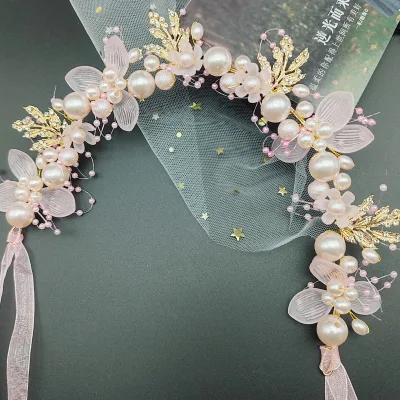
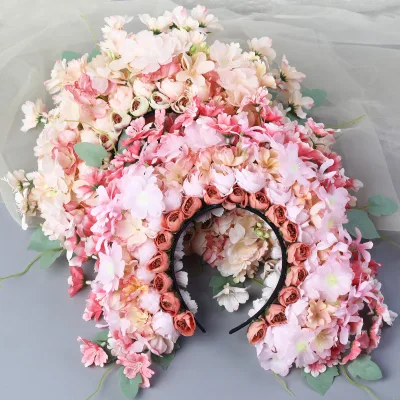
Bridal Wedding Crystal Hair Comb Headpiece. Bridal Crystal Hair Vines Headband
$3.95 - $4.50
MOQ: 50 Pieces


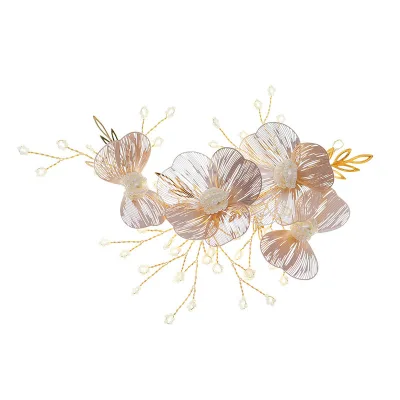

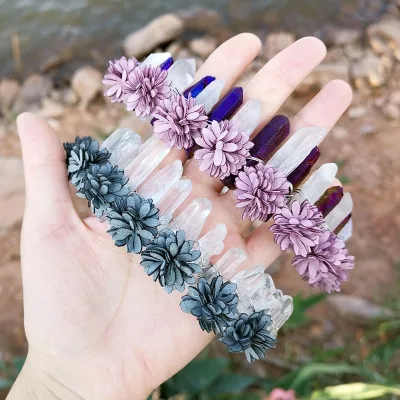

Bridal Headband Crystal Tiara for Women Pearl Wedding Headpieces Bride Hair
$1.10 - $1.12
MOQ: 2000 Pieces
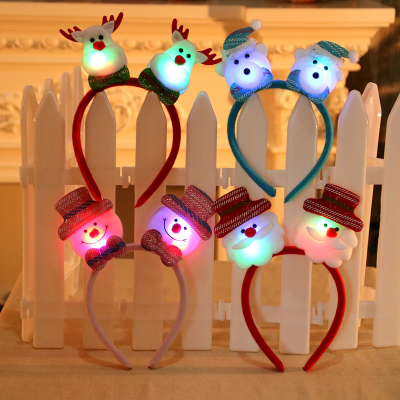


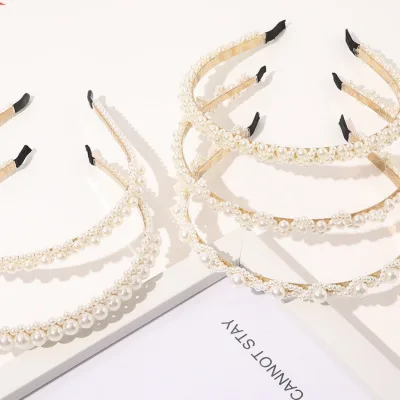
Comprehensive Sourcing Guide
Strategic Sourcing Guide for Crystal Leaf Bride Headbands
Understanding Product Specifications and Material Composition
When sourcing crystal leaf bride headbands, the primary objective is to identify items that balance aesthetic elegance with structural integrity. The product category encompasses various sub-types, including hair combs, tiaras, and headbands, each serving a distinct function within bridal and formal wear. Based on observed market data, these accessories are frequently constructed from a combination of alloy, metal, and copper bases. The decorative elements typically feature rhinestone inlays, which provide the necessary sparkle and visual appeal required for wedding ceremonies.
The physical dimensions of these products vary significantly depending on the specific model and intended use. For instance, certain bridal headbands are recorded with a size of 13*8cm, while others may have a standard length of 10cm. Packaging standards also differ, with some items shipped in inner and outer cartons, while others utilize individual boxes or standard packaging. Buyers must verify the specific model numbers, such as HF-45766, HF-46284, or Y-491, as these identifiers often correlate with specific design variations, plating types, and weight specifications. The weight of individual units can be as low as 0.025 kg, indicating a lightweight design suitable for extended wear without causing discomfort.
A critical aspect of the specification is the plating and finish. Products are available in silver and gold plating, with gold-plated options often highlighted for their premium appearance. The shape of the decorative elements is predominantly floral, aligning with the "crystal leaf" aesthetic, though other shapes like flowers are also common. The style is generally categorized as elegant or fashion-forward, making these items suitable for a wide range of occasions, from weddings to daily use, though their primary market remains bridal.
Compliance, Certification, and Safety Standards
In the B2B procurement of bridal accessories, compliance with safety and quality standards is paramount, particularly when the products are intended for close contact with the skin and hair. While specific certification data for every listed product is not universally available in the provided context, buyers must rigorously verify that suppliers adhere to relevant international standards. The observed data mentions a standard of ISO 27001:2022, though this is primarily an information security standard and may not directly apply to product safety or material compliance in the jewelry sector.
Buyers should prioritize verifying that the metal components (alloy, copper, metal) are free from harmful substances such as lead, nickel, or cadmium, which are common concerns in costume jewelry. The origin of the products is frequently cited as China, specifically Guangdong, a major manufacturing hub. While the region is known for high-volume production, it does not automatically guarantee compliance. Procurement teams must request specific test reports regarding material safety and plating durability.
Furthermore, the "prod_standard" field in product listings often refers to packaging dimensions (e.g., 504040 or 200200200) rather than industry safety certifications. Buyers should not assume that a product meets safety regulations based solely on its packaging standard. Instead, they must explicitly request documentation confirming that the materials comply with the regulations of the destination market, such as the EU's REACH regulations or the US CPSIA. The absence of explicit certification claims in the provided data underscores the need for proactive verification rather than reliance on supplier assertions.
Cost Drivers and Pricing Dynamics
The pricing of crystal leaf bride headbands is influenced by several key factors, including material costs, plating quality, and order volume. The observed price range in the market spans from $0.18 to $7.28 USD. This wide variance suggests that the final cost is highly dependent on the complexity of the design, the type of rhinestones used, and the thickness of the metal plating. Lower-priced items in the $0.18 range likely utilize thinner alloys and standard plating, while items approaching $7.28 may feature higher-grade metals, more intricate crystal arrangements, or custom packaging solutions.
Minimum Order Quantity (MOQ) is another significant driver of unit cost. The observed MOQ range extends from 5 to 2000 units. Suppliers with lower MOQs, such as 5 or 10 pieces, often charge a premium per unit to cover setup and handling costs. Conversely, larger orders, such as those ranging from 50 to 300 pieces or up to 2000 units, typically benefit from economies of scale, resulting in a lower cost per unit. Buyers must balance their inventory needs against their budget constraints. For example, a specific model with an MOQ of 10 pieces may be ideal for sampling or small boutique orders, whereas a model requiring 2000 units is better suited for large-scale retail distribution.
Additionally, the customization options available for these products can impact the final price. Customization is listed as an available attribute, which implies that buyers can request specific colors, shapes, or packaging modifications. However, such customizations often incur additional tooling or setup fees and may increase the lead time. The "advantage" of convenience mentioned in some listings suggests that standard configurations are more cost-effective and faster to procure than bespoke designs.
Typical Applications and Market Segmentation
Crystal leaf bride headbands serve a diverse range of applications, primarily centered around formal events and bridal attire. The primary occasion for these products is weddings, where they function as essential accessories for brides, bridesmaids, and flower girls. The product attributes explicitly state suitability for "Brides Headpiece Bridal Headband for Bridesmaid Flower Girl," highlighting their versatility within the wedding ecosystem. Beyond weddings, these items are also marketed for daily use, suggesting a secondary market for fashion-conscious consumers who appreciate elegant accessories.
The target demographic includes youth and girls, indicating that the designs often cater to younger brides or those seeking a more youthful, fashionable aesthetic. The "elegant" and "fashion" styles observed in the product descriptions align with current trends in bridal fashion, which favor delicate, nature-inspired motifs like leaves and flowers. The use of rhinestones and crystal elements ensures that the headbands catch the light, making them suitable for photography and ceremonial settings.
Furthermore, the specific types of headwear, such as hair combs, tiaras, and hair claws, allow for different styling options. Hair combs are ideal for securing the headpiece into an updo, while tiaras offer a regal look for the bride. Hair claws provide a more casual yet stylish option for half-up hairstyles. This variety ensures that buyers can source a comprehensive range of products to meet the diverse needs of their customers, whether they are supplying a bridal boutique or a general fashion retailer.
Supplier Evaluation and Selection Criteria
Selecting the right supplier is critical for ensuring product quality and reliable delivery. When evaluating potential partners, buyers should focus on several key criteria. First, verify the supplier's location and production capabilities. The data indicates that many products originate from Guangdong, China, a region with a mature supply chain for jewelry and accessories. However, buyers should confirm the specific factory capabilities and whether they handle the entire production process in-house or rely on third-party manufacturers.
Second, assess the supplier's ability to meet customization requirements. Since customization is available, the supplier must demonstrate flexibility in adjusting designs, colors, and packaging. Buyers should inquire about the process for approving samples and the lead times associated with custom orders. Third, evaluate the supplier's quality control measures. Given the delicate nature of rhinestone and plating, the supplier must have robust processes to prevent damage during manufacturing and shipping.
Finally, consider the supplier's responsiveness and service offerings. Attributes such as "Provide Service" suggest that some suppliers offer additional support, such as design consultation or after-sales assistance. Buyers should prioritize suppliers who communicate clearly and provide detailed product information, including model numbers, dimensions, and material specifications. It is also advisable to request references or case studies from previous clients to gauge the supplier's reliability and track record.
Quality Control and Long-Term Procurement Considerations
Maintaining consistent quality is essential for long-term success in the bridal accessory market. Buyers should implement a rigorous quality control (QC) process that includes pre-production sample approval, in-process inspections, and final random inspections before shipment. Specific attention should be paid to the durability of the plating, the security of the rhinestone settings, and the structural integrity of the metal components. The observed single gross weight of 0.025 kg for some items indicates lightweight construction, which requires careful handling to prevent bending or breaking.
Packaging is another critical area for QC. The data shows various packaging standards, from inner and outer cartons to individual boxes. Buyers must ensure that the packaging protects the product during transit and meets the branding requirements of the end customer. Damaged packaging can lead to returns and reputational damage, so verifying the packaging quality is as important as verifying the product itself.
For long-term procurement, buyers should consider the scalability of their supply chain. As demand grows, the ability to increase order quantities without compromising quality or lead times becomes crucial. Establishing a long-term partnership with a reliable supplier can help secure better pricing and priority production slots. Additionally, buyers should stay informed about market trends and consumer preferences to ensure their product offerings remain relevant. Regular communication with suppliers and periodic audits can help maintain high standards and foster a collaborative relationship that benefits both parties.
Summary of Key Procurement Parameters
To facilitate a streamlined sourcing process, the following table summarizes the key parameters observed in the market for crystal leaf bride headbands. This reference guide helps buyers quickly identify critical specifications and requirements when evaluating potential products.
| Parameter | Observed Range/Values | Verification Requirement |
|---|---|---|
| Material | Alloy, Metal, Copper, Rhinestone | Confirm material safety and plating thickness. |
| Color | Silver, Gold | Verify color consistency and plating durability. |
| Style | Elegant, Fashion | Ensure style matches target market trends. |
| Type | Hair Combs, Tiaras, Hair Claws | Select type based on intended use (wedding vs. daily). |
| MOQ | 5 - 2000 Units | Align MOQ with inventory budget and demand forecast. |
| Price (USD) | $0.18 - $7.28 | Negotiate based on volume and customization needs. |
| Origin | China (Guangdong) | Verify factory location and export compliance. |
| Packaging | Inner/Outer Carton, Box, Standard | Confirm packaging protects product and meets branding. |
| Dimensions | 10cm, 13*8cm, 14X9X2 cm | Check size suitability for target customer demographics. |
| Certification | ISO 27001:2022 (Background) | Request specific material safety and quality certifications. |
By adhering to these guidelines and maintaining a disciplined approach to verification, buyers can effectively source high-quality crystal leaf bride headbands that meet the demands of the competitive bridal market.
FAQs
What materials are used for crystal leaf bride headbands?
These headbands are constructed from alloy, metal, and copper bases decorated with rhinestones. The combination ensures structural integrity while providing the necessary sparkle for wedding ceremonies and formal events.
Which styles are available for bridal headpieces?
Available styles include elegant and fashion designs suitable for youth and girls. These items come in shapes like flowers and leaves, catering to both traditional bridal looks and modern fashion trends.
Can buyers customize the packaging for these headbands?
Yes, customization is available for these products, including specific packaging options like inner cartons, outer cartons, or individual boxes. Buyers should verify specific model requirements before requesting custom packaging solutions.
What is the typical minimum order quantity for these items?
The minimum order quantity ranges from 5 to 2000 units depending on the specific model and supplier. Lower MOQs like 10 pieces are suitable for sampling, while larger orders benefit from economies of scale.
Where are these crystal leaf bride headbands manufactured?
Most products originate from China, specifically the Guangdong region, which is a major manufacturing hub for jewelry accessories. Buyers should verify specific factory locations to ensure reliable production capabilities.
How are these headbands plated and finished?
Products are available in silver and gold plating options to match various bridal attire needs. The plating quality affects the final price, with gold-plated items often highlighted for their premium appearance.