Source Cultivators Fuel Filter for Tractors, Engines, and Generators
Find and compare 30 Cultivators Fuel Filter options from verified suppliers. Evaluate specifications such as filtration grade, material composition, and warranty terms to select the right fuel filter element for your agricultural machinery needs; compare the available evidence and request quotations based on your requirements.
Key considerations
Products List


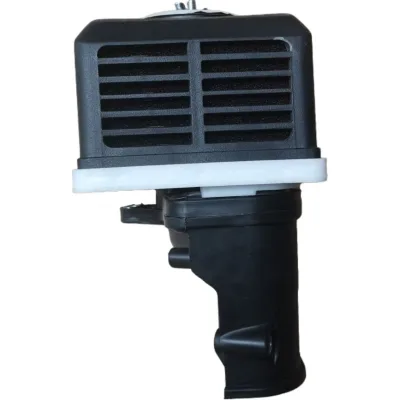
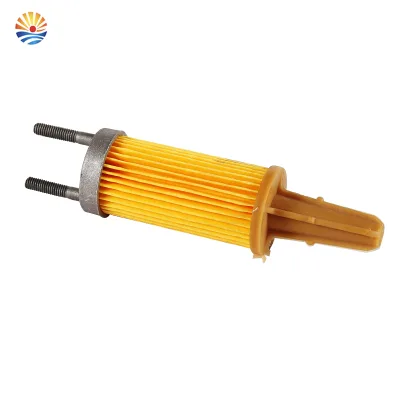
Agricultural Machinery Harvester Tractor Fuel Filter 0007811491 00199948
$10.00 - $15.00
MOQ: 100 Pieces




Comprehensive Sourcing Guide
Cultivators Fuel Filter Sourcing Guide
Procuring fuel filters for cultivators requires distinguishing between general oil-water separation units and specialized filtration elements designed for gasoline engines. The available market data indicates a diverse range of products, including those with mechanical adsorption principles and specific structural configurations like fixed or filter element assemblies. Buyers must carefully align their search with the intended engine type, as some listings explicitly reference gasoline engines while others describe applications for liquid separation in broader contexts.
Verification of the specific filtration grade is critical, as observed listings include both standard paper and iron sheet constructions alongside high-grade HEPA filters. While some products are marketed for tractor applications, the core keyword focuses on cultivator compatibility, necessitating a check for engine model compatibility such as the 170f or other specific variants. Procurement teams should prioritize items where the application is explicitly defined as liquid or oil to ensure the filter media can handle the specific viscosity and particulate load of cultivator fuel systems.
Product Scope and Observed Listing Signals
The observed product listings reveal a wide variance in material composition and structural design, ranging from simple paper and iron sheet elements to complex assemblies. Some items are categorized strictly as oil filters with dry or wet patterns, while others are labeled as fuel filter elements with specific model numbers like TF-1159 or 3779181. This diversity suggests that buyers must scrutinize the product model and classification to ensure the item matches the specific cultivator engine requirements rather than assuming interchangeability across different machinery types.
Listing signals also highlight significant differences in packaging and origin, with products originating from regions like Shandong and Chongqing in China. Buyers should note that while some items offer standard box and export carton packing, others may utilize ocean freight specifications that affect logistics planning. The presence of customization options and OEM quality claims indicates that suppliers are capable of tailoring products, but the buyer must confirm that the customization aligns with the original equipment manufacturer's specifications for their specific cultivator model.
Technical Specifications to Verify
Technical verification must begin with the engine model compatibility, as the data shows specific references to models like 170f and generic "Multiple Models" designations. Buyers should confirm that the filter's mechanical principle, such as adsorption, is suitable for the fuel type and that the structure, whether fixed or an assembly, fits the physical constraints of the cultivator's fuel system. The distinction between a fuel filter element and a general oil-water separator is vital, as the latter may not provide the necessary filtration for gasoline engines used in agricultural machinery.
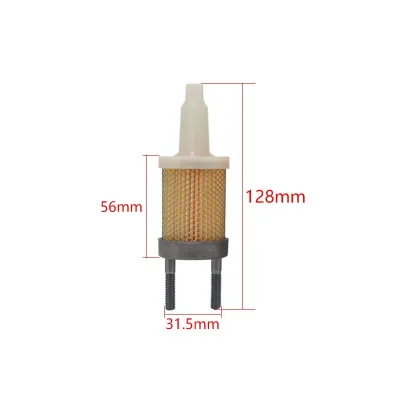
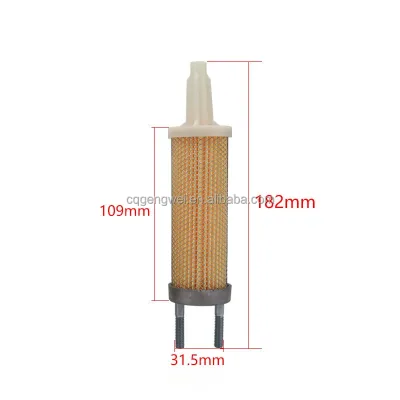
Dimensional and weight specifications are equally critical, with observed listings providing sizes like 898950 and weights around 1 kg. However, the presence of "Standard Size" and "0 cm" single volume entries in some records suggests that buyers must request precise dimensional drawings rather than relying on generic descriptions. Ensuring the filtration grade matches the engine's requirements is essential, as the difference between a standard paper filter and a high-grade HEPA filter can significantly impact engine longevity and performance under heavy load conditions.
Compliance and Safety Documentation
Documentation requirements should focus on the availability of machinery test reports, which are explicitly mentioned as provided in several listings. These reports serve as a primary verification tool for the filter's performance under operational stress and should be reviewed to confirm that the filtration efficiency meets the safety standards required for agricultural equipment. Buyers must ensure that the test data covers the specific operating conditions of cultivators, including vibration resistance and fuel flow rates, to prevent premature failure in the field.
Warranty and after-sales support documentation are also key components of the compliance package, with observed listings offering one-year warranties and video technical support. Procurement teams should verify the terms of these warranties to understand what constitutes a valid claim and whether the support includes replacement parts or troubleshooting guidance. Additionally, confirming the origin of the product, such as specific provinces in China, helps in assessing the regulatory environment and ensuring that the supplier adheres to international safety standards for fuel system components.
Cost Drivers and Commercial Terms
Cost structures are influenced by the material composition, with products made from paper and iron sheet potentially differing in price from those with advanced filtration grades. The observed MOQ of 100 pieces for some items suggests that smaller orders may incur higher unit costs or require special handling, while larger volumes might benefit from economies of scale. Buyers should analyze the total cost of ownership, including the potential for customization and the impact of packaging requirements like standard boxes versus export cartons, on the final landed cost.
Commercial terms such as delivery time and payment conditions are critical for supply chain planning, with lead times ranging from 7 to 15 days in the observed data. The selling unit being a single item for some products indicates flexibility for small-scale procurement, but bulk buyers should negotiate based on the 100-piece MOQ threshold. It is essential to clarify whether the price includes all necessary certifications and test reports, as these factors can significantly affect the overall cost and the risk profile of the procurement.
Supplier Qualification and Quality Control
Supplier qualification should prioritize those offering OEM quality and high-quality claims backed by tangible evidence like machinery test reports. The presence of customization capabilities suggests that suppliers are willing to adapt their production lines, but buyers must verify the supplier's capacity to maintain consistent quality across different batches. Checking the supplier's location, such as Shandong or Chongqing, can provide insights into their logistical capabilities and their familiarity with the specific export requirements for agricultural machinery parts.
Quality control processes must be validated through the supplier's ability to provide detailed specifications and performance data. Buyers should request samples to verify the physical attributes, such as the grey color and specific structural design, against the provided product descriptions. Ensuring that the supplier has a robust system for handling after-warranty service, including video technical support, is crucial for maintaining operational continuity and quickly resolving any issues that arise during the filter's lifecycle in the field.
Long-Term Procurement Checks
Long-term procurement strategies should include regular audits of the supplier's ability to maintain the specified standards and quality levels over time. Buyers must monitor the consistency of the product model numbers and specifications, as variations in the data, such as different model codes for similar items, could indicate changes in production lines or sourcing strategies. Establishing a clear communication channel for updates on product improvements or changes in material composition will help mitigate risks associated with supply chain disruptions.
Performance monitoring should also track the actual field performance of the filters against the claimed specifications, such as the automatic performance and mechanical principles. Buyers should maintain a record of any failures or deviations from the expected lifespan to inform future purchasing decisions and supplier evaluations. By continuously validating the supplier's adherence to the agreed-upon standards and warranty terms, organizations can ensure a reliable supply of high-quality fuel filters that support the efficient operation of their cultivator fleets.
FAQs
What materials are used in cultivators fuel filters?
Cultivators fuel filters are typically constructed from steel and paper with iron sheet components. These materials ensure durability and effective filtration for agricultural machinery. The combination provides structural integrity while allowing for efficient separation of contaminants from the fuel supply during operation.
Can cultivators fuel filters be customized for specific engines?
Yes, customization is available for cultivators fuel filters to meet specific engine requirements. Manufacturers offer options to tailor filters to particular engine models, such as the 170f gasoline engine. This ensures optimal fit and performance for various agricultural equipment applications.
What is the typical lead time for ordering fuel filters?
The typical lead time for ordering cultivators fuel filters ranges from 7 to 15 days. This timeframe allows for production and preparation of orders. Buyers should account for this duration when planning maintenance schedules or inventory replenishment for their agricultural operations.
Which warranty terms apply to these fuel filter elements?
These fuel filter elements generally come with a 1-year warranty. This coverage ensures quality assurance for the purchased items. Buyers can rely on video technical support for after-warranty service, providing assistance with installation or troubleshooting if issues arise during the warranty period.
How are cultivators fuel filters packaged for shipping?
Cultivators fuel filters are packaged in standard boxes and export cartons. This packing method protects the filters during transit and ensures they arrive in good condition. The packaging is designed to withstand ocean freight conditions, maintaining the integrity of the filter elements until they reach the buyer.
What is the minimum order quantity for these filters?
The minimum order quantity for cultivators fuel filters is typically 100 pieces. This MOQ allows buyers to purchase in bulk for better efficiency. It is suitable for distributors or large agricultural operations that require consistent supply of replacement parts for their machinery fleets.