Source Cultural Diversity African Hand Drums for Rites, Play, and Therapy
Explore 30 listings for Cultural Diversity African Hand Drums suitable for religious rites, play performance, and music therapy. Compare materials like sheepskin and wood, check certifications such as CE and ASTM, and review specifications for adult and child use across various ethnic percussion instruments.
Key considerations
Products List


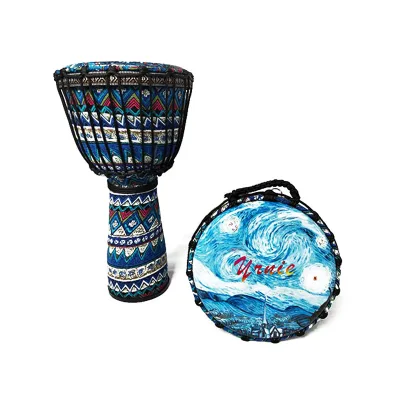
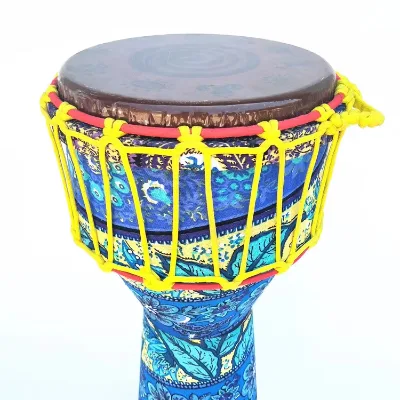
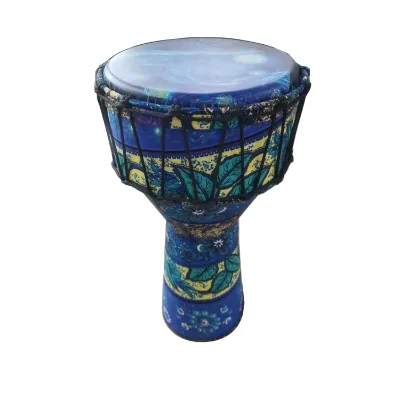
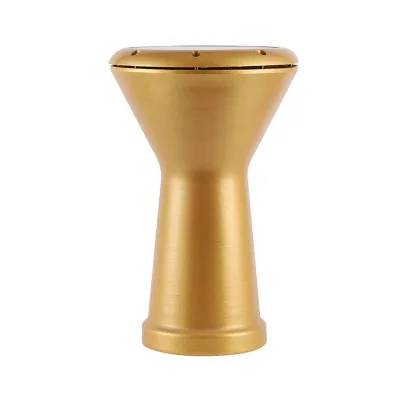
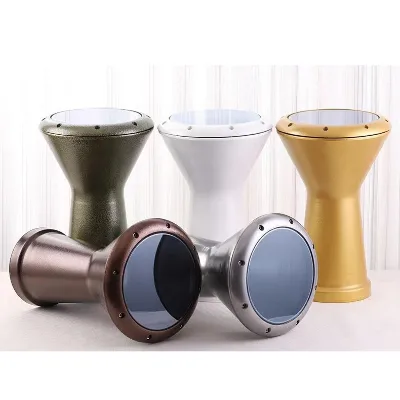
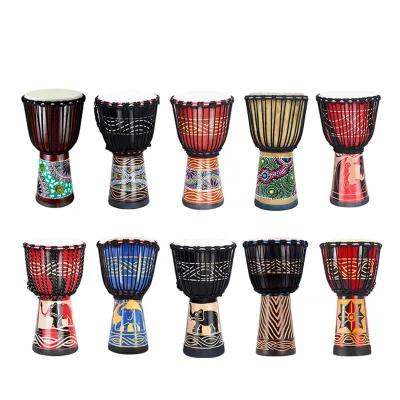
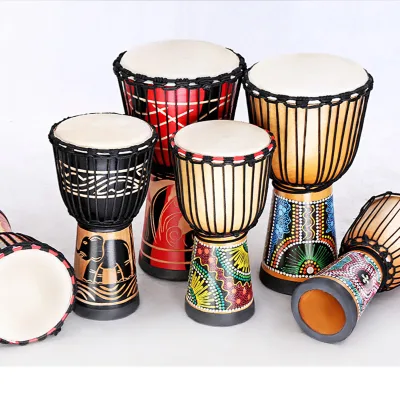
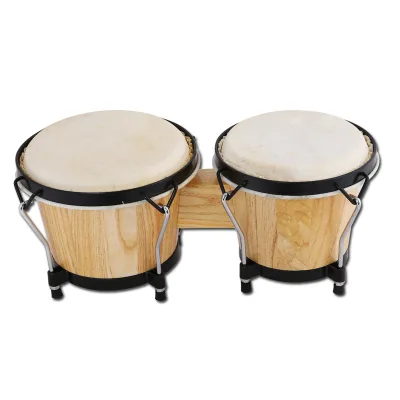
A 10-inch synthetic material hand drum percussion instrument - African drum
$27.61 - $30.68
MOQ: 4 pieces
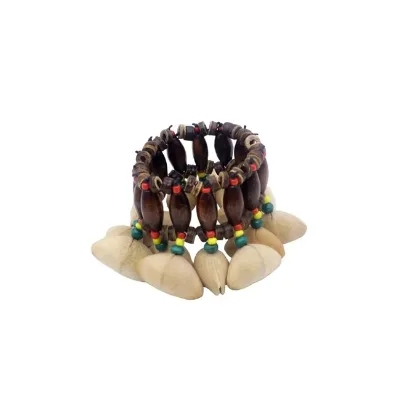
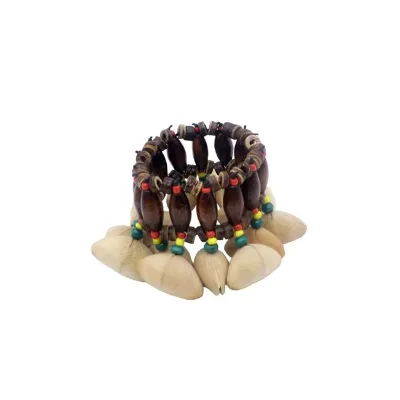
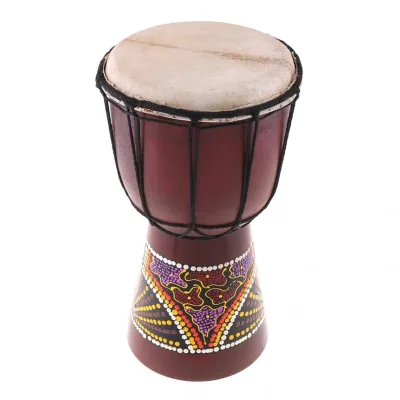
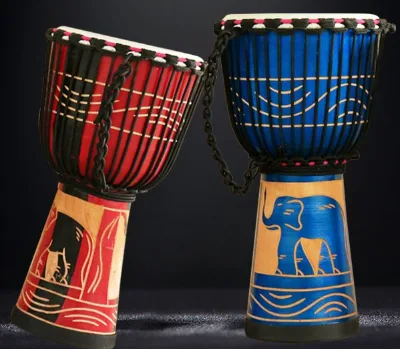
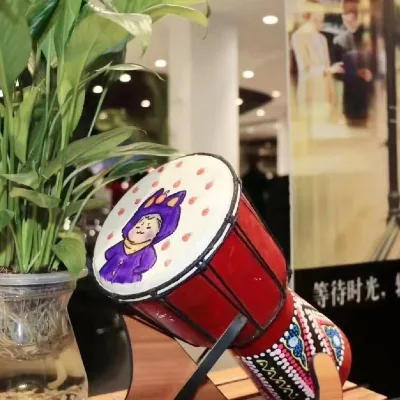
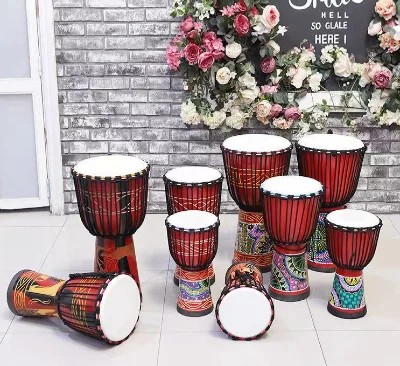
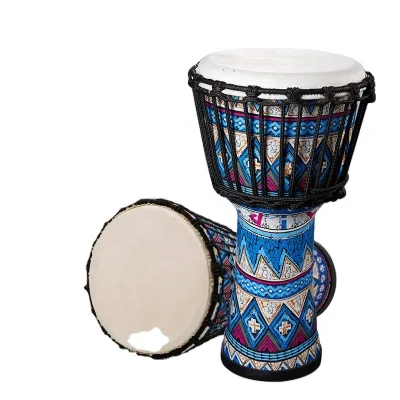
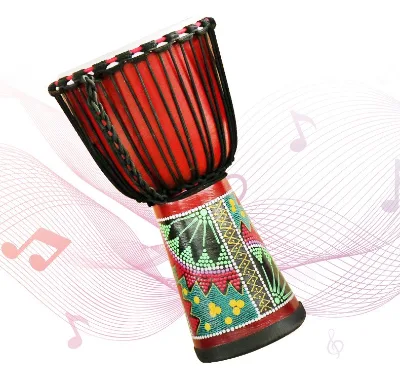
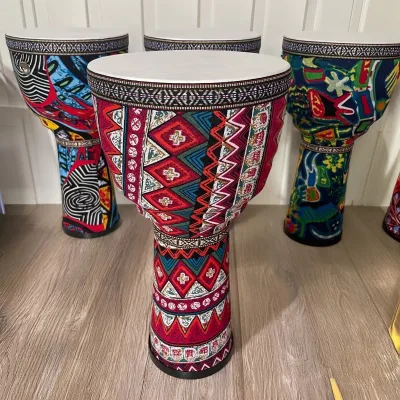
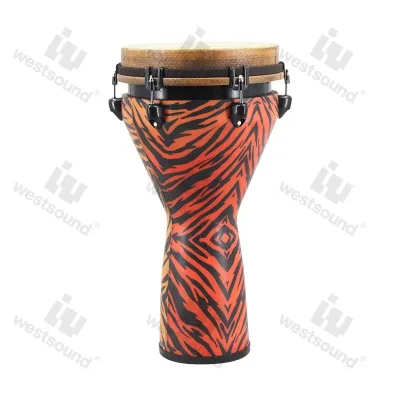
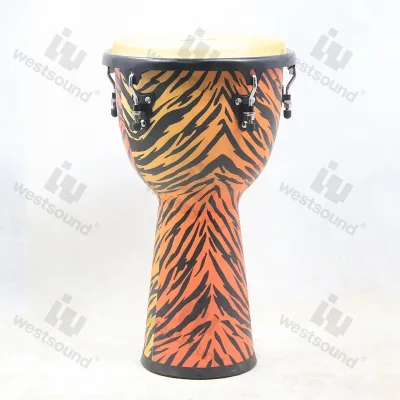
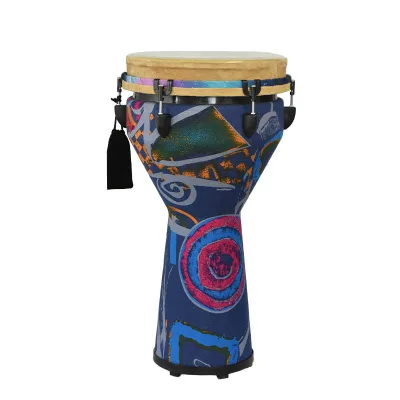
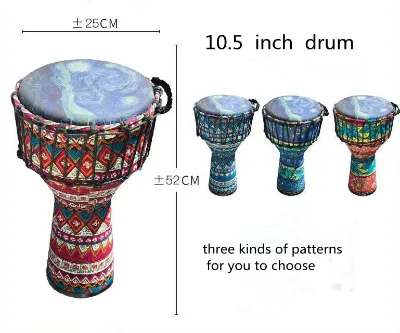
12-Inch Hand Drum for Kindergarten Beginners Folk Sheepskin Percussion Instrument African Drum
$277.84 - $308.71
MOQ: 1 Minimum
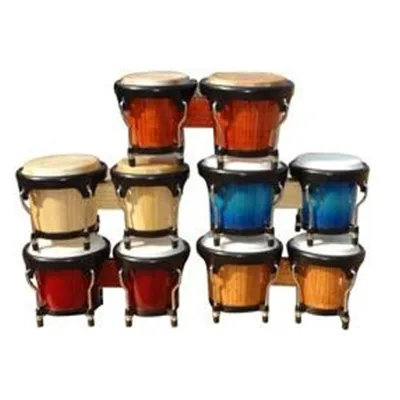
Comprehensive Sourcing Guide
Cultural Diversity African Hand Drums Sourcing Guide
Sourcing authentic African hand drums requires a nuanced understanding of material integrity and cultural significance, as these instruments serve as vital tools for religious rites, play performance, and music therapy. Buyers must recognize that the market offers a diverse range of products, from traditional sheepskin-headed drums to modern composite variations, each catering to specific therapeutic or performance needs. The observed product landscape includes items explicitly labeled for adult use, yet also features designs targeting children aged three to eight years, indicating a broad demographic appeal. This diversity necessitates careful selection based on the intended user group, ensuring that the acoustic properties and physical dimensions align with the specific requirements of either professional musicians or educational settings.
The procurement process is further complicated by the variety of construction materials and customization options available to international buyers. While traditional craftsmanship often emphasizes natural materials like sheepskin and wood, contemporary listings reveal the use of stainless steel chambers, carbon fiber shells, and even oilpaper heads, reflecting a blend of heritage and innovation. Buyers should prioritize suppliers who offer customization services, as this allows for tailoring the drum’s aesthetic and functional attributes to specific brand identities or cultural contexts. Understanding these material distinctions is crucial for maintaining the authenticity and quality expected in cultural diversity initiatives, ensuring that the instruments not only perform well but also respect the cultural narratives they represent.
Product Scope and Observed Listing Signals
The current market signals indicate a wide price range, observed between $2.50 and $308.71 USD, which reflects the disparity between simple educational toys and high-end professional instruments. This variance is closely tied to the minimum order quantities (MOQ), which span from single units to 500 pieces, suggesting that buyers can engage in both small-scale sampling and large-volume commercial procurement. Products are categorized under various instrument types, including ethnic drums, percussion sets, and even rattles, highlighting the broad definition of "hand drums" in global trade. Buyers must carefully distinguish between genuine cultural artifacts and mass-produced replicas, as the latter may lack the acoustic depth and cultural resonance required for serious musical or therapeutic applications.
Listing attributes reveal significant variation in product specifications, with dimensions ranging from small sizes to larger formats like 37x47x99 cm, and materials varying from solid wood to composites. Some listings specify a bowl body shape, while others focus on mechanical styles or specific color options like black, red, or blue. The presence of certifications such as CE and ASTM in some listings provides a baseline for safety, particularly for products intended for younger audiences or educational environments. However, buyers should not assume that all listed products meet these standards, as certification status can vary significantly between suppliers. It is essential to verify the specific model numbers, such as 20231-012 or KU-03er091, to ensure that the product matches the desired technical and aesthetic criteria.
Technical Specifications to Verify
When evaluating technical specifications, buyers must prioritize the drum head material, as it directly influences sound quality and durability. Traditional African hand drums often feature sheepskin heads, which provide a warm, resonant tone, while alternative materials like oilpaper or synthetic options may offer greater durability in humid climates. The chamber material is equally critical, with options ranging from stainless steel and carbon fiber to wood and composites. Each material imparts unique acoustic characteristics, with wood offering warmth and metal providing brightness. Buyers should request detailed material breakdowns to ensure that the construction aligns with the intended acoustic profile, avoiding products that use low-quality composites that may compromise sound integrity over time.
Dimensional accuracy and packaging details are also vital for logistics and performance planning. Listings indicate single package sizes such as 26x26x50 cm and 15x15x3 cm, with gross weights varying accordingly. Buyers must verify these dimensions to ensure compatibility with storage facilities and transportation methods, particularly when shipping by sea. Additionally, the condition of the product, whether new or refurbished, should be explicitly confirmed. For instruments intended for professional use, the presence of specific model numbers and standardized sizes, such as 8.5 inches or 20x4.5 cm, can help in sourcing replacement parts or accessories. Ensuring that these technical details are accurately documented in the purchase order prevents discrepancies upon delivery.
Compliance and Safety Documentation
Compliance with international safety standards is non-negotiable, especially for products marketed towards children or used in educational settings. Certifications such as CE and ASTM are critical indicators of adherence to safety regulations, ensuring that the drums are free from harmful substances and constructed with safe materials. Buyers must request valid certification documents from suppliers, verifying that they are issued by recognized testing bodies and are current. For products intended for the European market, CE marking is mandatory, while ASTM standards are crucial for the US market. Failure to verify these certifications can result in legal liabilities and product recalls, particularly if the drums contain lead paint or unsafe adhesives.
Beyond safety certifications, buyers should also consider cultural compliance and ethical sourcing practices. While not always documented in standard certifications, ensuring that the production of African hand drums respects indigenous intellectual property and labor rights is increasingly important for brand reputation. Buyers may need to inquire about the origin of materials, such as sheepskin or wood, to ensure they are sourced sustainably and ethically. Additionally, packaging materials should comply with environmental regulations, such as those restricting plastic use. By prioritizing suppliers who provide comprehensive compliance documentation and ethical sourcing statements, buyers can mitigate risks and contribute to responsible procurement practices in the cultural goods sector.
Cost Drivers and Commercial Terms
Cost drivers in the African hand drum market are influenced by material quality, customization complexity, and order volume. High-quality sheepskin and solid wood components typically command higher prices, while composite materials and mass-produced items are more cost-effective. Customization options, such as specific branding, color schemes, or dimensional adjustments, add to the production cost and may increase the MOQ. Buyers should negotiate based on volume discounts, as observed MOQs range from 1 to 500 pieces, allowing for flexibility in budgeting. Understanding the cost structure helps in forecasting total landed costs, including shipping and tariffs, which can significantly impact the final price.
Commercial terms, including payment methods and lead times, vary among suppliers and must be clearly defined in contracts. Shipping methods, such as sea freight, are common for bulk orders but require careful planning to manage inventory levels. Buyers should verify the lead times for production and shipping, as delays can disrupt supply chains. Additionally, warranty terms and after-sales support should be discussed, particularly for high-value instruments. Clear communication regarding these commercial terms ensures that both parties have aligned expectations, reducing the risk of disputes. Buyers should also consider currency exchange risks and payment security, opting for secure transaction methods to protect their financial interests.
Supplier Qualification and Quality Control
Supplier qualification is a critical step in ensuring the reliability and quality of African hand drums. Buyers should conduct thorough due diligence, verifying the supplier’s business license, production capacity, and export history. Suppliers with a proven track record in cultural instruments are more likely to deliver products that meet quality standards. Requesting samples before placing bulk orders allows buyers to assess the craftsmanship, material quality, and acoustic performance firsthand. This step is essential for identifying potential issues early in the procurement process, such as poor stitching on drum heads or uneven finishes on wooden bodies.
Quality control measures should be integrated into the procurement process to maintain consistency across large orders. Buyers should establish clear quality standards and inspection criteria, covering aspects like dimensional accuracy, material integrity, and finish quality. Third-party inspection services can be employed to verify that the products meet these standards before shipment. Additionally, suppliers should be required to provide quality assurance documentation, including test reports and material certificates. By implementing robust quality control protocols, buyers can minimize the risk of receiving defective products and ensure that their inventory meets the expectations of end-users. This proactive approach enhances customer satisfaction and protects the brand’s reputation in the market.
Long-Term Procurement Checks
Long-term procurement success depends on continuous monitoring of supplier performance and market trends. Buyers should establish key performance indicators (KPIs) to evaluate suppliers on metrics such as on-time delivery, product quality, and responsiveness to issues. Regular audits and feedback sessions can help identify areas for improvement and strengthen the partnership. Additionally, staying informed about changes in cultural preferences and musical trends is crucial for maintaining product relevance. Buyers should engage with musicians and cultural experts to gather insights on emerging styles and materials, ensuring that their inventory aligns with current demands.
Sustainability and ethical considerations are becoming increasingly important in long-term procurement strategies. Buyers should prioritize suppliers who demonstrate commitment to sustainable sourcing and fair labor practices. This not only mitigates reputational risks but also appeals to conscious consumers who value ethical production. Regularly reviewing and updating procurement policies to reflect these values ensures that the business remains competitive and responsible. By fostering long-term relationships with qualified suppliers and adapting to market changes, buyers can secure a steady supply of high-quality African hand drums that honor cultural diversity and meet the needs of diverse audiences.
FAQs
What materials are used for the drum heads?
The drum heads are crafted from sheepskin or oilpaper, depending on the specific model selected. These materials provide authentic acoustic properties suitable for religious rites, play performance, and music therapy. Buyers can choose between natural sheepskin for traditional resonance or oilpaper for alternative durability and sound characteristics in ethnic drum applications.
Can these drums be customized for specific needs?
Yes, customization is available for these ethnic drums. Buyers can request specific dimensions, such as the 8.5-inch standard or small sizes like 20x4.5cm. Customization options extend to branding and packaging, allowing businesses to tailor the product to their market requirements while maintaining the core structural integrity of the wooden or composite shell designs.
What certifications do these percussion instruments hold?
These percussion instruments hold CE and ASTM certifications, ensuring compliance with international safety and quality standards. These certifications are particularly relevant for products intended for adult use or those marketed as children's piano accessories and toy guitars. Buyers can verify these credentials to ensure the products meet regulatory requirements for export and retail distribution in various global markets.
What is the minimum order quantity for these drums?
The minimum order quantity varies by product, ranging from 1 to 500 pieces. For instance, specific items like African Nut Shell Bracelets have an MOQ of 500pcs, while other drum models may allow smaller trial orders. Buyers should check the specific product page for the exact MOQ to align with their inventory planning and budget constraints effectively.
Where are these Cultural Diversity African Hand Drums manufactured?
These drums are manufactured in China, with specific origins noted in Guangdong. The products are shipped by sea, indicating suitability for bulk international logistics. Buyers sourcing from this region can expect established supply chains for wooden, stainless steel, and carbon fiber drum components, ensuring reliable production capacity for ethnic and percussion instrument orders.
What types of instruments are included in this category?
This category includes ethnic drums, drum sets, rattles, and related percussion instruments. It also encompasses accessories like drumsticks and materials for wooden toy guitars or children's pianos. The diverse range supports various musical applications, from religious rites to music therapy, offering buyers a comprehensive selection of acoustic and mechanical style instruments for global distribution.