Source Cultivated Yellow Beeswax Grain for Candle Making
Find and compare 30 listings for Cultivated Yellow Beeswax Grain suitable for candle manufacturing, food packaging, and cosmetics. Evaluate specifications such as melting point, purity, and organic certification to select the right material for your production needs.
Key considerations
Products List
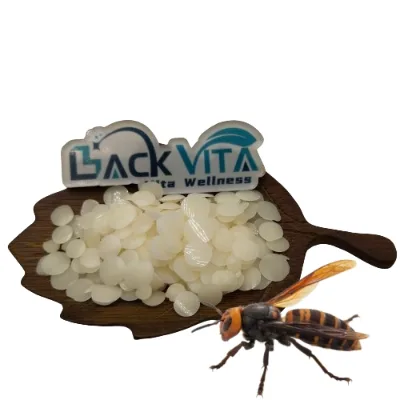
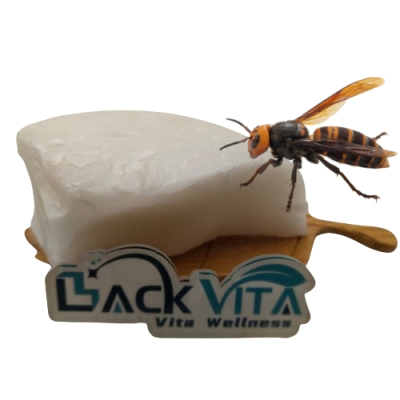


Comprehensive Sourcing Guide
Cultivated Yellow Beeswax Grain Sourcing Guide
Sourcing Cultivated Yellow Beeswax Grain requires a disciplined approach to verifying origin, purity, and physical consistency. The market offers a wide array of listings, but distinguishing between genuine agricultural products and processed industrial residues is critical for maintaining product integrity. Buyers must prioritize suppliers who provide transparent documentation regarding the cultivation method and the specific extraction processes used. This guide outlines the essential verification steps, technical parameters, and commercial considerations necessary to secure a reliable supply of high-quality beeswax for food, cosmetic, and industrial applications.
The following sections detail the observed market signals, technical specifications to validate, compliance requirements, cost structures, supplier qualification methods, and long-term procurement strategies. Each section is designed to help procurement professionals make informed decisions based on factual evidence and industry best practices. By adhering to these guidelines, buyers can mitigate risks associated with inconsistent quality, non-compliant documentation, and unreliable supply chains.
Product Scope and Observed Listing Signals
The current market landscape for beeswax includes a diverse range of products, from raw granules to refined powders, with observed price points ranging from $1.10 to $3,035 USD. This wide variance reflects differences in purity levels, packaging formats, and certification statuses. Buyers should note that while some listings advertise "yellow beeswax granules," others may offer white beeswax or powdered forms, indicating that the physical appearance and form factor are not uniform across all suppliers. It is essential to verify the specific product attributes against your operational needs, as the term "beeswax" alone does not guarantee a specific grade or application suitability.
Observed minimum order quantities (MOQs) range from 1 kg to 5,000 kg, suggesting flexibility for both small-scale testing and large-volume industrial procurement. Many suppliers indicate that products are in stock, which can facilitate faster lead times, but this should be confirmed directly with the supplier to avoid delays. Additionally, the availability of free samples is a common offering, allowing buyers to conduct preliminary quality checks before committing to larger orders. However, buyers should be cautious of listings that claim multiple certifications or attributes without providing verifiable documentation, as these claims may not apply to every SKU offered by the supplier.
Technical Specifications to Verify
Technical verification begins with confirming the physical and chemical properties of the beeswax, as these attributes directly impact its performance in end-use applications. Key parameters to verify include the melting point, which is typically observed around 62°C to 65°C, and the acid value, which generally falls within the range of 17-23. These values are critical for ensuring the wax behaves correctly during processing, whether it is being used in candle manufacturing, food packaging, or cosmetic formulations. Buyers should request specific test results for these parameters to ensure they align with their production requirements.
Other important technical specifications include the grease value, which is observed to be between 58-82, and the rigidity, which is described as moderate. The color and appearance should also be verified, as listings may describe the product as yellow, white, or grainy, depending on the refinement level. Additionally, the source of the beeswax, whether cultivated or organic-certified, should be clearly documented. Buyers should also check the extraction type, with solvent extraction being a common method, and ensure that the final product meets the desired purity standards, such as 100% pure beeswax or refined grades.
Compliance and Safety Documentation
Compliance and safety documentation are non-negotiable for sourcing beeswax, particularly for applications in food, cosmetics, and pharmaceuticals. Buyers must verify that the supplier can provide relevant certifications, such as USDA Organic, EU Organic, ISO, Kosher, and Halal, depending on the target market and end-use. These certifications serve as proof that the product meets specific regulatory and ethical standards, reducing the risk of non-compliance and potential legal issues. It is crucial to confirm that the certifications are valid and applicable to the specific batch of beeswax being purchased.
In addition to certifications, buyers should request a Certificate of Analysis (COA) for each shipment to verify the product's quality and safety. The COA should include detailed test results for contaminants, heavy metals, and other potential impurities. For organic-certified products, buyers should also verify the cultivation method and ensure that the beeswax is GMO-free. These documents provide a comprehensive overview of the product's safety profile and help buyers make informed decisions about its suitability for their intended applications.
Cost Drivers and Commercial Terms
Several factors influence the cost of beeswax, including the grade, packaging, and certification status. Food-grade beeswax, for example, may command a higher price due to the stringent quality control measures required. Similarly, products with organic certifications or specific extraction methods may be more expensive. Buyers should also consider the packaging format, as options such as drums, aluminum foil bags, or individual bags can affect the overall cost. Understanding these cost drivers helps buyers negotiate better terms and select the most cost-effective option for their needs.
Commercial terms, including MOQs and lead times, also play a significant role in the total cost of ownership. While some suppliers offer low MOQs for testing purposes, larger orders may result in volume discounts. Buyers should clarify the lead times for both sample requests and bulk orders to ensure they can meet their production schedules. Additionally, the availability of free samples can help buyers assess quality without significant upfront investment, but they should be aware that sample costs may apply for larger quantities or expedited shipping.
Supplier Qualification and Quality Control
Supplier qualification is a critical step in ensuring a reliable supply of beeswax. Buyers should conduct thorough due diligence on potential suppliers, including verifying their business credentials, production capabilities, and quality control processes. It is essential to confirm that the supplier has a robust system for tracking the origin and processing of the beeswax, from cultivation to final packaging. This transparency helps buyers assess the supplier's ability to maintain consistent quality and comply with regulatory requirements.
Quality control measures should be implemented throughout the procurement process, from sample evaluation to final delivery. Buyers should establish clear quality standards and communicate them to the supplier, ensuring that both parties have a shared understanding of the expected product attributes. Regular audits and inspections can help identify potential issues early and prevent them from impacting the final product. Additionally, buyers should maintain open communication with the supplier to address any concerns or changes in requirements promptly.
Long-Term Procurement Checks
Long-term procurement success depends on continuous monitoring and evaluation of supplier performance. Buyers should establish key performance indicators (KPIs) to track metrics such as delivery times, product quality, and responsiveness to issues. Regular reviews of these metrics help identify trends and areas for improvement, allowing buyers to make data-driven decisions about their supply chain. By maintaining a proactive approach to supplier management, buyers can mitigate risks and ensure a stable supply of high-quality beeswax.
Additionally, buyers should stay informed about changes in regulatory requirements and market trends that may impact the sourcing of beeswax. This includes monitoring updates to organic standards, food safety regulations, and environmental sustainability practices. By staying ahead of these changes, buyers can adapt their procurement strategies to remain compliant and competitive. Building strong relationships with suppliers and fostering a collaborative approach to problem-solving can also enhance long-term procurement success and resilience.
FAQs
What is the appearance of the Cultivated Yellow Beeswax Grain?
The product appears as yellow beeswax granules with a natural honey scent. It is available in food grade quality and is GMO free. The form is listed as powder or granules depending on the specific listing, ensuring suitability for various applications.
Can I get a free sample of the beeswax granule?
Yes, a free sample is available for this product. The minimum order quantity is 1kg, and the item is currently in stock. This allows buyers to verify the quality before committing to larger orders for food or cosmetic processing.
Which certifications does the cultivated beeswax hold?
The product holds USDA Organic, EU Organic, ISO, Kosher, and Halal certifications. These credentials ensure the beeswax meets international safety and quality standards. The source is cultivated and the material is refined to meet these strict requirements.
How is the beeswax packaged for shipment?
Packaging options include drums, aluminum foil bags, and bags. The single gross weight is 1.500 kg, and the single package size is 15x20x20 cm. Customization is available to meet specific logistical needs for food processing or candle manufacturing.
What is the melting point of the beeswax granule?
The melting point is around 62 to 65 degrees Celsius. This moderate rigidity makes it suitable for modeling wax, casting wax, and candle manufacturing. The acid value ranges from 17 to 23, ensuring consistent performance in various industrial applications.
Where is the origin of the cultivated yellow beeswax?
The place of origin is Shaanxi, China. The product is sourced from artificial planting and is available in all seasons. This location ensures a steady supply chain for buyers seeking organic-certified or refined beeswax for global distribution.
What are the primary applications of this beeswax?
Applications include food processing, food packaging, cosmetics, skin care, and candle manufacturing. It is also used for wood and furniture care, modeling wax, and impression wax. The product is 100% pure and refined for these diverse uses.