Source Custom Camping Enamel Mug for Hiking, Bar, and Home
Source Custom Camping Enamel Mug options from 30 verified listings. Compare single-layer ceramic and handmade styles with eco-friendly features. Find suppliers offering custom logos and bulk pricing for daily use and promotional needs; compare the available evidence and request quotations based on your requirements.
Key considerations
Products List


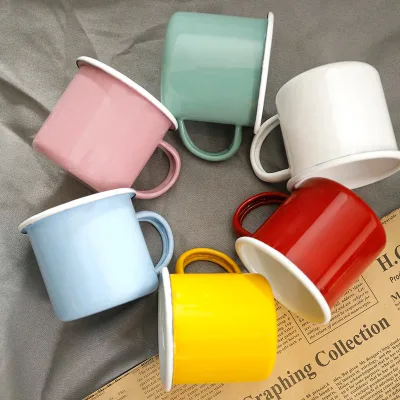
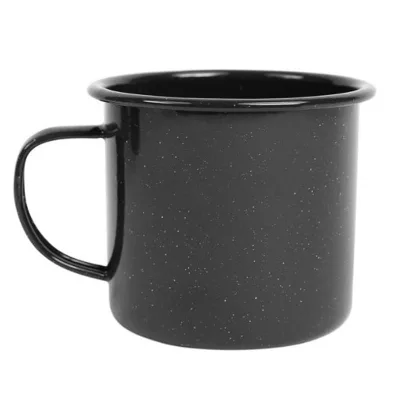
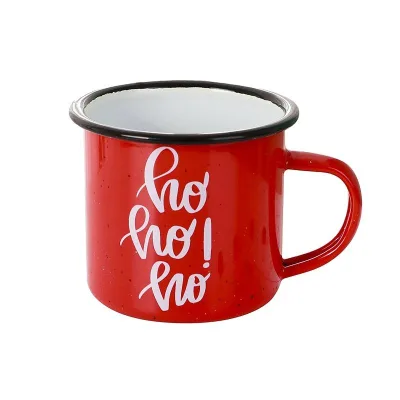
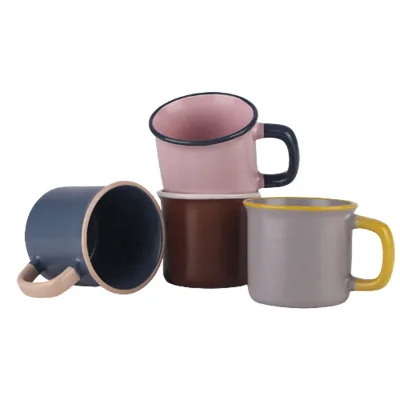
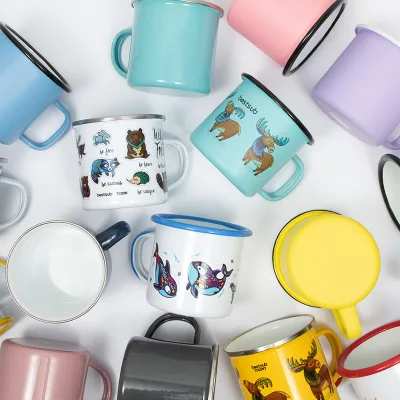
Customizable Enamel Campfire Mug Outdoor Camping Travel Enamel Camp Tumbler Mug
$2.18 - $3.64
MOQ: 500 Minimum
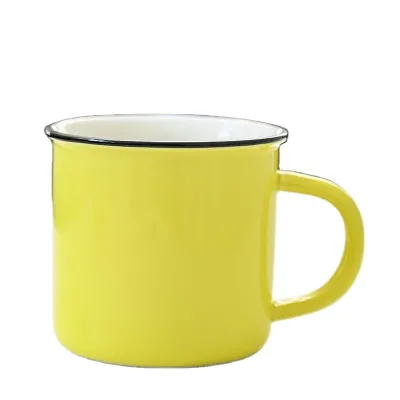
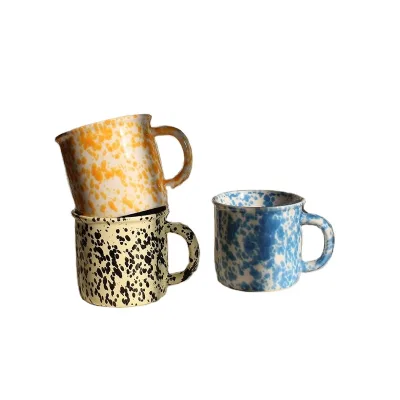
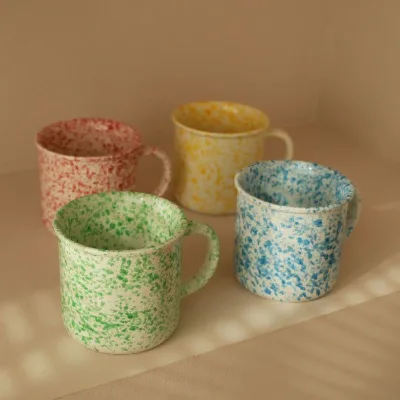
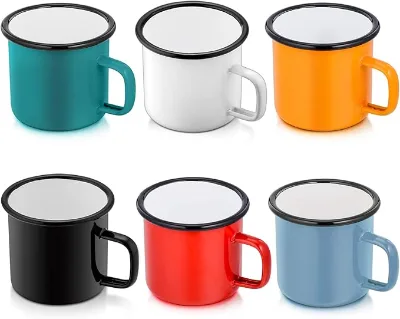
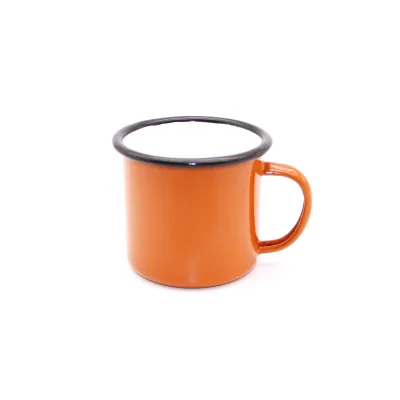
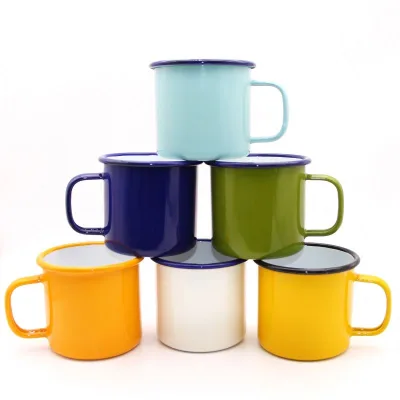
Tea and Coffee Cup 16 oz Custom logo Bright Color Camping Enamel Drinking Cup
$1.35 - $2.00
MOQ: 200 pieces
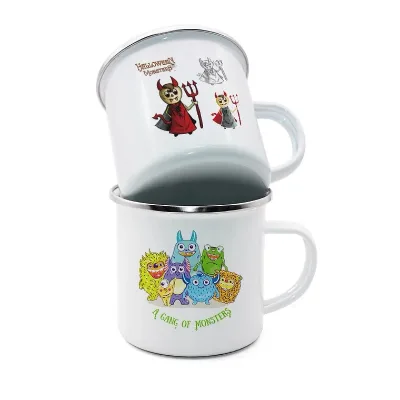
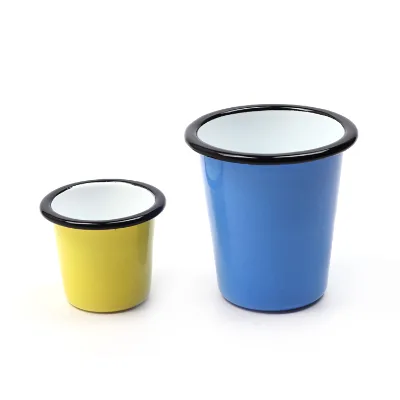
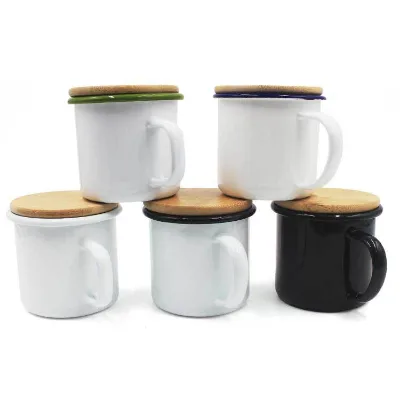


Comprehensive Sourcing Guide
Custom Camping Enamel Mug Sourcing Guide
Sourcing custom camping enamel mugs requires balancing aesthetic appeal with rugged durability, as these items serve dual purposes in promotional campaigns and outdoor utility. Buyers must recognize that the term "enamel" often overlaps with ceramic or porcelain constructions in supplier listings, necessitating strict verification of the raw material composition. The observed market signals indicate a wide variance in manufacturing techniques, ranging from machine-made to handmade processes, which directly impacts the consistency of the final product and the feasibility of intricate custom logo applications.
Procurement teams should prioritize suppliers who demonstrate clear differentiation between true enamel-on-steel mugs and glazed ceramic alternatives, as their performance profiles differ significantly in camping environments. While some listings highlight eco-friendly and health-care functions, these claims require substantiation through material safety data sheets rather than marketing copy. Understanding the specific structural attributes, such as single-layer versus double-wall designs, is critical for determining thermal retention capabilities and resistance to impact during outdoor activities.
Product Scope and Observed Listing Signals
The current market landscape for custom camping mugs reveals a diverse array of product types, including standard cups, mugs, and specialized promotional items with varying themes such as TV and movie characters. Buyers will encounter listings that specify raw materials as either porcelain or enamel, indicating a fragmented supply chain where material definitions may be used loosely. The observed price range of 0.2 to 4.66 USD suggests significant variation in quality, with lower prices potentially correlating with thinner materials or less durable glazing processes that may chip easily under rough camping conditions.
Minimum order quantities (MOQ) typically range from 100 to 10,000 pieces, allowing for flexibility in budget allocation and inventory management. Many suppliers offer customization options for logos and themes, with some specifying a MOQ of 3,000 pieces for fully customized designs. It is essential to verify whether the customization involves screen printing, laser engraving, or decal application, as each method has different implications for longevity and resistance to washing and abrasion in outdoor settings.
Technical Specifications to Verify
Technical verification must begin with confirming the exact material composition, distinguishing between true enamel-coated steel and glazed ceramic or porcelain bodies. Listings often cite models like KKS-EC08 or FF-ENM-39, but these identifiers do not guarantee material consistency across different production batches. Buyers should request physical samples to test the adhesion of the enamel coating, checking for chips, cracks, or peeling after simulated use and thermal cycling. The standard capacity of 12 oz is common, but dimensions such as D9D8H8cm vary, affecting packability and compatibility with standard camping gear storage solutions.
Structural integrity is paramount for camping applications, so verifying the presence of sturdy handles and the thickness of the base is necessary. Some products are described as single-layer ceramic cups, which may lack the thermal insulation properties expected of high-end camping mugs. Additionally, the making method, whether machine-made or handmade, influences the uniformity of the glaze and the overall weight of the mug, which are critical factors for backpacking where every gram counts.
Compliance and Safety Documentation
Safety compliance is non-negotiable for food-contact items, requiring suppliers to provide documentation proving that the glaze and underlying metal are free from harmful heavy metals like lead and cadmium. Buyers must insist on third-party test reports that align with international food safety standards, such as FDA or LFGB regulations, rather than relying on supplier self-certifications. The "health care" function mentioned in some listings is vague and does not substitute for rigorous chemical migration testing, especially for products intended for hot beverages.
Environmental claims of being "eco-friendly" and "reusable" should be backed by verifiable data on the durability and recyclability of the materials. Enamel mugs are generally durable and recyclable, but the presence of plastic components in packaging or handles must be disclosed. Procurement teams should evaluate the supplier’s commitment to sustainable manufacturing practices, including waste management and energy efficiency, to ensure alignment with corporate social responsibility goals.
Cost Drivers and Commercial Terms
Cost structures for custom camping mugs are influenced by material costs, customization complexity, and order volume. The observed price range reflects these variables, with lower costs associated with higher MOQs and simpler designs. Buyers should analyze the total landed cost, including shipping, tariffs, and potential rework expenses due to quality issues. Payment terms such as TT:30%+70% are common, but negotiating favorable terms can mitigate financial risk, especially for first-time orders with new suppliers.
Lead times and sample availability are critical commercial factors, with sample times typically around 7 days. However, production lead times can vary significantly based on the complexity of the custom logo and the supplier’s current workload. Buyers should clarify whether the quoted prices include packaging, such as inner boxes or OPP bags, as these add to the unit cost and affect the final retail price. Understanding these cost drivers helps in budgeting accurately and avoiding hidden fees.
Supplier Qualification and Quality Control
Supplier qualification involves assessing their manufacturing capabilities, quality control processes, and track record in producing durable enamel or ceramic mugs. Buyers should verify the supplier’s production capacity and their ability to maintain consistency across large orders. Quality control checks should include visual inspections for glaze defects, structural tests for handle strength, and functional tests for thermal resistance. Suppliers with established QC protocols are more likely to deliver products that meet the rigorous demands of camping use.
Engaging with suppliers who offer transparent communication and responsive customer service is essential for resolving issues promptly. Buyers should inquire about the supplier’s defect rate and their policy for handling non-conforming products. Establishing a clear quality agreement that defines acceptable tolerances and rejection criteria can prevent disputes and ensure that the final products meet the specified standards for durability and aesthetics.
Long-Term Procurement Checks
Long-term procurement success depends on building a resilient supply chain that can adapt to changing market demands and quality expectations. Buyers should conduct periodic audits of their suppliers to ensure ongoing compliance with safety and quality standards. Maintaining open lines of communication and providing feedback on product performance can help suppliers improve their offerings and address any emerging issues proactively.
Evaluating the supplier’s ability to innovate and offer new designs or materials is also crucial for staying competitive. As consumer preferences evolve, suppliers who can provide customized solutions and incorporate sustainable practices will be more valuable partners. Regularly reviewing supplier performance metrics, such as on-time delivery and defect rates, ensures that the procurement strategy remains aligned with business objectives and customer satisfaction goals.
FAQs
Can I customize the logo on custom camping enamel mugs?
Yes, custom logo printing is available for these mugs. Buyers can request personalized designs to suit their brand identity. The customization service allows for unique branding on the enamel surface. This feature supports promotional campaigns and corporate gifting needs effectively.
What is the minimum order quantity for custom camping enamel mugs?
The minimum order quantity varies by supplier, typically ranging from 100 to 10,000 pieces. Some listings specify an MOQ of 1,000 pieces, while others may require 3,000 pieces. Buyers should verify the specific MOQ with the manufacturer before placing an order to ensure it meets their volume requirements.
How long does it take to produce a sample of custom camping enamel mugs?
Sample production usually takes about 7 days. This timeframe allows manufacturers to prepare the customized design and produce a physical prototype. Buyers can use this sample to verify quality, color accuracy, and logo placement before committing to a larger bulk production run.
What payment terms are standard for custom camping enamel mugs?
Standard payment terms often require a 30% deposit via T/T, with the remaining 70% paid before shipment. This structure protects both the buyer and the supplier during the manufacturing process. Buyers should confirm the exact payment schedule with their chosen vendor to align with their financial planning.
Are custom camping enamel mugs eco-friendly and reusable?
Yes, these mugs are designed to be eco-friendly and reusable. The enamel material is durable and suitable for daily use, reducing single-use waste. They are also hygienic and safe for health care applications. This makes them an excellent sustainable choice for outdoor activities and everyday drinking needs.
What packaging options are available for custom camping enamel mugs?
Packaging options include individual OPP bags, inner boxes, or standard cartons. Some suppliers offer 1 piece per OPP bag with 48 pieces per carton. Others may use inner boxes combined with outer cartons for better protection. Buyers can select the packaging that best suits their shipping and storage requirements.