Source Custom Embroidery Wool Beret for Travel, Party, and Daily Wear
Compare 30 options for Custom Embroidery Wool Beret from verified Chinese manufacturers. Evaluate material quality, head circumference sizes, and embroidery techniques to find the right supplier for your brand; compare the available evidence and request quotations based on your requirements.
Key considerations
Products List
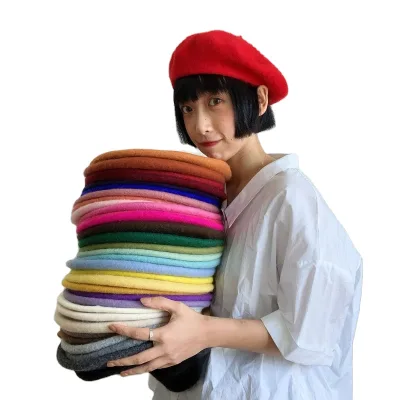


Custom Embroidered Logo Patch High Quality Wool Beret with Leather Binding
$3.56 - $4.86
MOQ: 1000 Pieces


Wool Beret Hat Custom Solid Color Classic Beret for Fashion & Outdoor Use
$3.30 - $4.30
MOQ: 100 Pieces

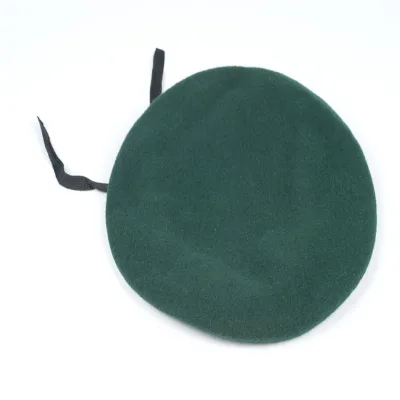
Wool Beret Men's Security Fur Hat Special War Peacekeeping Beret Wholesale
$3.20 - $4.80
MOQ: 200 Pieces


Comprehensive Sourcing Guide
Custom Embroidery Wool Beret Sourcing Guide
Sourcing custom embroidered wool berets requires a strategic balance between aesthetic customization and material integrity, particularly when targeting adult demographics for spring, autumn, or year-round wear. Buyers must navigate the distinction between standard stock items and fully OEM/ODM solutions, ensuring that the chosen supplier can handle complex embroidery techniques such as 3D, sequin, or machine embroidery without compromising the structural integrity of the wool fabric. The product landscape often includes variations in head circumference, typically ranging from 56 to 58 cm, which necessitates precise sizing verification to minimize return rates and ensure customer satisfaction across diverse user groups.
Commercial viability hinges on understanding the interplay between minimum order quantities and customization depth, as many suppliers enforce MOQs starting at 50 pieces, while others may accept lower volumes for simpler designs. Procurement teams should prioritize suppliers located in established manufacturing hubs like Zhejiang or Hebei, China, where supply chain efficiencies for wool processing and textile printing are concentrated. It is critical to verify whether the beret is marketed as unisex or women-specific, as this influences marketing strategy and inventory planning, especially when the product is intended for decorative, casual, or travel-related usage scenarios.
Product Scope and Observed Listing Signals
The observed market signals indicate a wide spectrum of customization capabilities, with suppliers offering extensive color palettes and pattern themes, including plant motifs and solid hues. Buyers should note that while some listings advertise "high quality" and "factory price" advantages, these are general marketing claims rather than verified performance metrics. The presence of multiple printing methods, such as sublimation transfer, digital printing, and flock print, alongside embroidery options, suggests that suppliers are equipped to handle diverse branding requirements. However, the inconsistency in stated seasons—ranging from summer to four seasons—requires careful scrutiny to ensure the wool weight and lining are appropriate for the intended climate of the target market.
Inventory status and shipping logistics are significant operational factors, with many suppliers highlighting "in stock" availability and flexible shipping modes including express, air, and sea freight. This flexibility allows buyers to balance speed against cost, particularly when managing seasonal inventory peaks. The availability of customized logos and adjustable features further enhances the product's appeal for corporate gifting or promotional campaigns. Buyers must distinguish between products that are merely decorative and those designed for durable daily wear, as the latter will require more rigorous quality checks on stitching and fabric durability to withstand repeated use and washing.
Technical Specifications to Verify
Technical verification must begin with material composition, as listings vary between generic "wool" and specific "100% wool" claims. Buyers should request physical samples to confirm fiber content, as blends may affect shrinkage, pilling, and thermal properties. The crown structure, typically described as "with crown," must be evaluated for shape retention and comfort, ensuring it accommodates the specified head circumference range of 56 to 62 cm without being too tight or loose. Additionally, the weight of the single item, often cited around 2.000 kg for packaging, indicates substantial bulk, which impacts shipping costs and storage requirements, necessitating accurate freight calculations during the procurement phase.
Embroidery and printing techniques are critical differentiators, with options ranging from flat embroidery to 3D and sequin applications. Buyers must verify the durability of these embellishments, ensuring they are securely attached and resistant to fading or peeling during normal use. The fabric type, often listed as "common," is vague and requires clarification on weave density and finish. Furthermore, the availability of specific model numbers, such as TS-K432 or R-MB378, allows for precise tracking of product iterations, but buyers should confirm that the selected model aligns with their specific design requirements and quality expectations before placing bulk orders.
Compliance and Safety Documentation
While specific certifications like Oeko-Tex or EN71 are mentioned in background data, buyers must actively verify the current compliance status of any supplier, as these are not guaranteed for all products. Wool products intended for adult wear generally have fewer stringent safety requirements than children's items, but chemical safety regarding dyes and finishes remains a concern. Buyers should request test reports for colorfastness, shrinkage, and fiber content to ensure the product meets international textile standards. This due diligence is essential to avoid regulatory hurdles in target markets, particularly in regions with strict environmental or safety regulations for imported textiles.
Documentation should also cover the manufacturing process and origin, with products originating from Zhejiang or Hebei, China, requiring clear proof of origin for customs and tariff purposes. Buyers must ensure that the supplier provides accurate commercial invoices and packing lists that match the physical goods, including the poly bag and box packaging details. Transparency in the supply chain helps mitigate risks associated with labor practices and environmental impact, which are increasingly important to B2B buyers. Verifying that the supplier adheres to basic quality management systems can further reduce the risk of receiving substandard goods that fail to meet the agreed-upon specifications.
Cost Drivers and Commercial Terms
Cost structures for custom embroidered wool berets are influenced by material costs, embroidery complexity, and order volume. Suppliers often list MOQs ranging from 10 to 3000 pieces, with lower MOQs typically incurring higher per-unit costs due to setup fees for printing and embroidery machines. Buyers should negotiate based on volume tiers, seeking discounts for larger orders while balancing inventory holding costs. Payment terms, including T/T, L/C, Western Union, and Trade Assurance, offer varying levels of security, with Trade Assurance providing a protective mechanism for buyers against non-delivery or quality disputes.
Shipping methods and lead times are additional cost drivers, with express shipping offering speed but at a premium, while sea freight is more economical for large, non-urgent orders. The sample time, typically 7-15 days, should be factored into the overall procurement timeline, especially for custom designs requiring multiple iterations. Buyers must also consider the cost of customization, such as logo placement and design complexity, which can significantly impact the final price. Clear communication of all cost components, including tooling fees for custom molds or screens, is essential to avoid unexpected expenses during the production phase.
Supplier Qualification and Quality Control
Supplier qualification involves assessing their production capacity, technical expertise, and past performance. Buyers should verify the supplier's ability to handle specific embroidery techniques, such as 3D or sequin work, by reviewing their portfolio or requesting detailed process descriptions. Quality control measures must be clearly defined, including in-process inspections and final random inspections before shipment. Suppliers that offer OEM/ODM services should demonstrate flexibility in accommodating custom designs while maintaining consistent quality standards across batches.
Establishing a robust quality control protocol is crucial, with buyers specifying acceptable defect rates and return policies. The availability of samples allows buyers to evaluate the product's physical attributes, including stitching quality, fabric feel, and embroidery precision, before committing to bulk orders. Buyers should also assess the supplier's responsiveness to feedback and their ability to resolve issues promptly. A supplier that provides clear communication and transparent reporting on production progress is more likely to deliver a satisfactory outcome, reducing the risk of delays or quality failures.
Long-Term Procurement Checks
Long-term procurement success depends on building a sustainable relationship with suppliers who can consistently meet quality and delivery expectations. Buyers should conduct periodic performance reviews, assessing metrics such as on-time delivery, defect rates, and responsiveness to issues. Continuous improvement initiatives, such as exploring new embroidery techniques or sustainable wool sources, can add value to the procurement strategy. Maintaining open communication channels and providing constructive feedback helps suppliers align their production processes with the buyer's evolving needs.
Risk management strategies should include diversifying the supplier base to mitigate the impact of supply chain disruptions. Buyers should also stay informed about market trends and regulatory changes that may affect the wool textile industry. Regular audits of supplier facilities and processes can ensure ongoing compliance with quality and ethical standards. By focusing on long-term partnerships rather than transactional relationships, buyers can secure better pricing, priority production slots, and enhanced support, ultimately driving greater value and reliability in their sourcing operations.
FAQs
What materials are used for the custom embroidered berets?
The berets are made from wool, with some options specified as 100% wool. This material ensures warmth and durability for winter and autumn wear. The fabric type is common, suitable for various styles including French berets designed for women.
Can I customize the logo on these wool berets?
Yes, customized logos are accepted for these products. You can choose from techniques like silk screen printing, heat-transfer printing, or various embroidery methods including sequin and 3D embroidery. This allows for unique branding on the headwear.
What is the minimum order quantity for these berets?
The minimum order quantity varies, with observed values ranging from 10 to 50 pieces depending on the specific listing. Some sources indicate an MOQ of 10 pieces, while others require 50 pieces for standard orders. Check specific supplier terms for exact requirements.
How long does it take to receive samples?
Sample time typically ranges from 7 to 15 days for production. This duration allows for the creation of custom embroidered designs or standard prototypes. Ensure you confirm the exact timeline with the supplier before placing a sample order.
Which seasons are these wool berets suitable for?
These berets are designed for spring, autumn, and winter seasons. Some listings also mention suitability for four seasons, making them versatile for various weather conditions. The wool material provides necessary warmth during colder months while remaining breathable.
What sizes are available for the custom berets?
Available sizes generally range from 56cm to 62cm, with specific options like 56cm, 57cm, 58cm, and 60cm. The head circumference is typically 56-58cm, ensuring a comfortable fit for most adults. Custom sizing may be available upon request.
Where are these wool berets manufactured?
The products originate from China, specifically from regions like Zhejiang and Hebei. These locations are known for textile manufacturing capabilities. Buyers should verify the specific factory location when sourcing to ensure quality and logistics alignment.