Source Custom Enamel Key Ring for Promotion Gifts, Holiday, Compass
Find 30 listings for Custom Enamel Key Ring options featuring zinc alloy materials and various surface treatments. Buyers can compare MOQs, customization levels, and production times to select the right supplier for business or promotional needs.
Key considerations
Products List


Irregular Brand Logo Keychain Soft Enamel Key Ring Holder Custom Metal Keyring
$0.25 - $0.60
MOQ: 100 Pieces


Customized fashion Gold Plating Promotion Gift Metal Soft Enamel Keychain
$0.30 - $0.80
MOQ: 100 Pieces
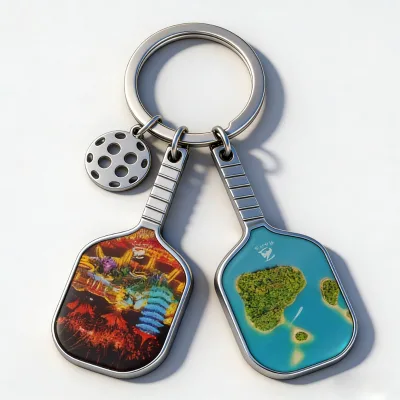


Comprehensive Sourcing Guide
Strategic Sourcing Guide for Custom Enamel Key Rings
Understanding Product Attributes and Material Composition
When sourcing custom enamel key rings, buyers must first establish a clear understanding of the fundamental material and structural attributes that define the product category. Based on current market observations, the primary material utilized for these items is Zinc Alloy. This metal choice is significant because it offers a robust balance between durability, weight, and cost-effectiveness, making it ideal for mass-produced promotional items. The manufacturing process typically involves die-casting, which allows for the creation of complex shapes and detailed designs. Following the casting phase, the products often undergo surface treatments such as polishing or electroplating to achieve the desired aesthetic finish.
The visual design of these key rings is highly versatile. Observed product attributes indicate a wide range of shapes, including abstract and geometric forms. This flexibility allows buyers to align the physical design with specific brand identities or thematic requirements. The surface treatment is a critical differentiator; options include polished finishes or various electroplating colors such as nickel, gold, antique, matte, chrome, and two-tone finishes. The choice of plating not only affects the visual appeal but also influences the corrosion resistance and longevity of the key ring in different environments.
Furthermore, the customization capabilities are extensive. Buyers can request specific sizes, with observed thickness ranges typically falling between 1.0mm and 4.0mm. The standard size for some models is observed at 55x30x3mm, yet the market also supports fully custom dimensions. The "Idea" behind these products often centers on innovation, suggesting that suppliers are capable of producing unique designs rather than just standard stock items. The shape and style can vary from business-oriented designs to cute, decorative styles, ensuring that the final product fits the intended usage context, whether it be for corporate gifts, holiday promotions, or personal accessories.
Technical Specifications and Manufacturing Processes
The technical execution of custom enamel key rings involves a multi-step process that determines the final quality and precision of the item. The core manufacturing method is die-casting, which forms the base metal structure. Once the base is cast, the surface is treated through polishing or electroplating. A distinct feature of this product category is the enamel application. The observed craft options include soft enamel, hard enamel, and printed designs with epoxy. Soft enamel typically creates a textured look where the enamel sits below the metal lines, while hard enamel provides a smooth, flush surface that is often more durable.
The thickness of the key ring is a critical specification that impacts both the perceived value and the structural integrity. Data indicates a thickness range of 1.0 to 4.0mm. Thicker components generally offer a more premium feel and better resistance to bending, which is essential for key rings that may be subjected to daily wear and tear. The size is often customizable, allowing for specific dimensions like 55x30x3mm or entirely bespoke measurements. This customization extends to the logo options, which can be achieved through printing, engraving, embossing, etching, or various enamel techniques.
Surface treatment plays a pivotal role in the final appearance. The observed plating options include nickel, gold, antique, matte, chrome, and two-tone finishes. These treatments are applied after the initial casting and polishing stages. The choice of plating should be guided by the intended environment of the key ring; for instance, chrome or nickel might be preferred for high-moisture environments, while antique finishes are often chosen for a vintage aesthetic. The production process also includes the application of accessories, which can be customized to meet specific client requirements. The entire workflow, from the initial design to the final surface treatment, is designed to support high levels of customization while maintaining consistent quality standards.
Cost Drivers and Pricing Dynamics
The pricing of custom enamel key rings is influenced by several dynamic factors, primarily driven by the complexity of the design, the volume of the order, and the specific material and finish choices. The observed price range in the market spans from $0.11 to $1.20 per unit. This wide variance reflects the differences in production complexity and material costs. Lower prices are typically associated with simpler designs, standard sizes, and higher order volumes, whereas higher prices correspond to intricate custom shapes, specialized plating, and smaller batch sizes.
Minimum Order Quantity (MOQ) is a significant cost driver. The market shows an MOQ range from 1 to 1000 units, with specific observations noting MOQs of 50 pieces or 100 pieces for certain configurations. Ordering closer to the lower end of the MOQ spectrum often results in a higher unit cost due to the fixed setup costs associated with die-casting molds and enamel application. Conversely, increasing the order volume can significantly reduce the per-unit cost, making it a crucial lever for buyers to manage their overall budget.
Additional cost factors include the choice of surface treatment and the type of enamel used. Hard enamel generally costs more than soft enamel due to the additional labor and time required to fill the cavities completely and polish the surface. Similarly, specialized plating options like antique or two-tone finishes may incur higher costs compared to standard nickel or gold plating. The packaging requirements also impact the final price; options range from simple OPP bags to more elaborate gift boxes made of plastic, paper, wood, or velvet. Buyers should note that while the base unit price is a primary consideration, the total cost of ownership must include packaging, shipping, and any potential sample fees.
Typical Applications and Usage Scenarios
Custom enamel key rings serve a diverse array of applications, making them a versatile tool for various marketing and personalization strategies. The observed usage categories include clock accessories, compass components, photo frames, flashlights, promotion gifts, coin holders, and holiday decorations. This broad utility indicates that the product is not limited to a single industry but is adaptable to multiple sectors. For businesses, the primary application is as a promotional gift. The "Business" and "Cute" style attributes suggest that these items can be tailored to fit corporate branding campaigns or more casual, consumer-facing events.
The specific usage scenarios are often dictated by the customization options available. For instance, a company might order key rings with their logo in hard enamel for a high-end corporate event, while a retail brand might opt for soft enamel key rings with bright colors for a holiday promotion. The product's ability to function as a coin holder or a compass accessory adds functional value beyond mere branding, increasing the likelihood that the recipient will keep and use the item. This utility is a key factor in the effectiveness of the promotional campaign.
Furthermore, the product is suitable for holiday-specific marketing. The "Holiday" usage tag implies that these key rings are frequently used as seasonal gifts or souvenirs. The customization of the shape and color allows brands to align the product with specific holiday themes, such as Christmas, Halloween, or national celebrations. The "Eco-Friendly" feature observed in some listings suggests that there is a growing market segment for sustainable promotional items, which can be a differentiator for brands aiming to appeal to environmentally conscious consumers. The versatility of the product ensures that it can be integrated into a wide range of marketing strategies, from trade shows to customer loyalty programs.
Supplier Evaluation and Operational Capabilities
Selecting the right supplier for custom enamel key rings requires a thorough evaluation of their operational capabilities, production capacity, and service offerings. Buyers should verify that the supplier possesses the necessary equipment for die-casting, polishing, and enamel application. The observed processing methods, including die-casting and engraving, indicate that a capable supplier must have a comprehensive manufacturing line that can handle these distinct processes. It is also essential to confirm the supplier's ability to handle customization, as the market data highlights "Customization: Available" as a standard feature.
Lead times and sample availability are critical operational metrics. The observed sample time ranges from 5 to 7 days, while production times vary between 10 to 14 days or up to 12 days depending on the order specifics. Buyers should ensure that the supplier can meet their timeline requirements, especially for time-sensitive promotional campaigns. The ability to provide samples quickly allows buyers to verify the quality of the enamel application, plating, and overall finish before committing to a large order.
Payment and shipping terms are also important factors in supplier evaluation. The observed payment methods include PayPal, Western Union, T/T, Visa, and Mastercard, indicating flexibility in financial transactions. Shipping options are diverse, ranging from sea, air, and express to train, with international express carriers like FedEx, DHL, TNT, and UPS available. Buyers should confirm that the supplier can offer competitive shipping costs, which are typically quoted upon request. Additionally, the availability of after-sales support and supplier benefits should be verified to ensure a smooth procurement experience. The origin of the products, often listed as China or Guangdong, China, should be considered in the context of logistics and potential trade regulations.
Quality Control and Long-Term Procurement Considerations
Ensuring consistent quality in custom enamel key rings requires a robust quality control (QC) framework. Buyers should establish clear specifications for the enamel application, ensuring that the colors are vibrant and the lines are crisp. The difference between soft and hard enamel should be clearly defined in the product specifications to avoid discrepancies in the final output. Surface treatment quality, including the uniformity of the plating and the absence of scratches or bubbles, must be rigorously checked. The thickness of the metal, observed between 1.0 and 4.0mm, should be measured to ensure it meets the durability requirements.
Long-term procurement considerations involve building a sustainable relationship with the supplier. The observed "Cooperate: Supplier Benefits Are Available Upon Request" suggests that suppliers may offer incentives for repeat business or larger orders. Buyers should leverage these benefits to secure better pricing or priority production slots. The "After-Sales Service: Available for Support" attribute indicates that suppliers are willing to address issues that may arise post-delivery, which is crucial for maintaining product quality over time.
Compliance and certification checks are also vital, although specific certification data is not provided in the source material. Buyers should verify that the materials used, particularly the Zinc Alloy and the enamel, comply with relevant international safety standards, such as those regarding lead and cadmium content. The "Eco-Friendly" feature observed in some listings suggests that buyers should inquire about the environmental impact of the production process and the recyclability of the materials. Finally, the packaging options, ranging from OPP bags to velvet boxes, should be evaluated for their ability to protect the product during transit and to enhance the unboxing experience for the end user. By focusing on these quality and sustainability aspects, buyers can ensure a successful and reliable procurement process for custom enamel key rings.
FAQs
What materials are used for custom enamel key rings?
Custom enamel key rings are primarily made from zinc alloy. This material offers a balance of durability and cost-effectiveness, suitable for mass production. The alloy base allows for complex die-casting shapes and supports various surface treatments like polishing or electroplating.
How long does production take for these key rings?
Production time typically ranges from 10 to 14 days, though some orders may be completed in 12 days. Sample preparation requires 5 to 7 days before full production begins. These timelines depend on the order volume and specific customization requirements.
Can I customize the size and thickness of the key rings?
Yes, buyers can request custom sizes and thicknesses. The standard thickness range observed is between 1.0mm and 4.0mm, with specific models available at 55x30x3mm. Custom dimensions are supported to meet unique design specifications and branding needs.
What are the available options for surface treatment and plating?
Surface treatments include polishing and electroplating with options like nickel, gold, antique, matte, chrome, and two-tone finishes. These treatments enhance the aesthetic appeal and corrosion resistance. The choice of plating depends on the desired look and environmental durability.
What are the minimum order quantities for custom orders?
Minimum order quantities vary, with observed values ranging from 1 to 1000 units. Specific configurations may require 50 or 100 pieces as a starting point. Lower MOQs often result in higher unit costs due to setup expenses for molds and enamel application.
Which packaging options are available for these key rings?
Packaging options include OPP bags, plastic boxes, paper boxes, wood boxes, and velvet boxes. Some items are packed individually in polybags or gift boxes. Carton packing is also available for bulk shipments, ensuring protection during transit.
How can I add my logo or design to the key rings?
Logos can be added through printing, engraving, embossing, etching, or soft and hard enamel techniques. The design is applied to the zinc alloy base after casting. Buyers can choose from various methods to achieve the desired visual effect and brand alignment.