Source Custom Gold Plastic Shoe Heel for sandals, heels, and business wear
Compare 30 listings for Custom Gold Plastic Shoe Heel options including stiletto and fancy shaped designs. Buyers can evaluate height, material, and customization features for women's sandals and high-heeled shoes.
Key considerations
Products List


Ladies High Heel Transparent Shoes Womens Heeled PVC Sandals Clear Heels
$17.00 - $21.00
MOQ: 20 Pairs
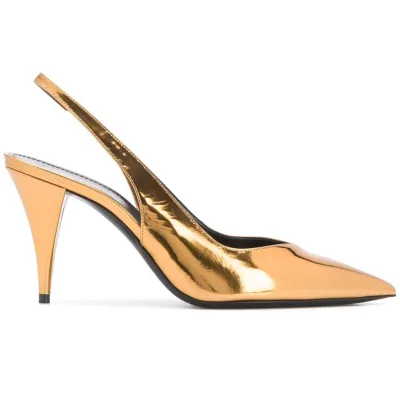
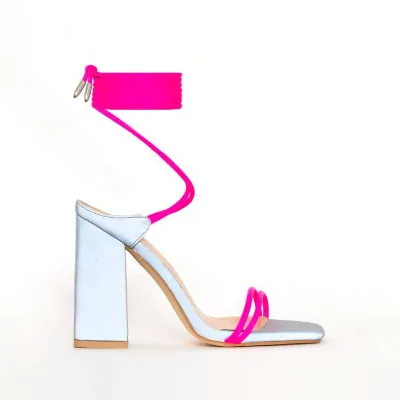
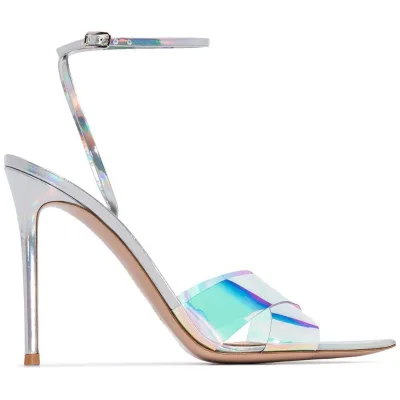
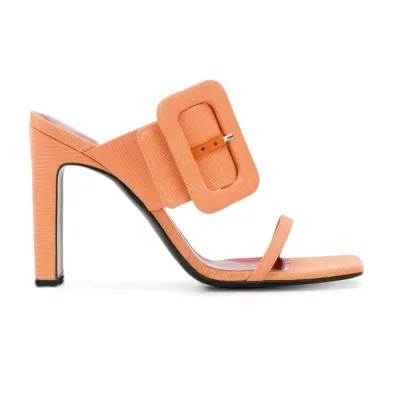
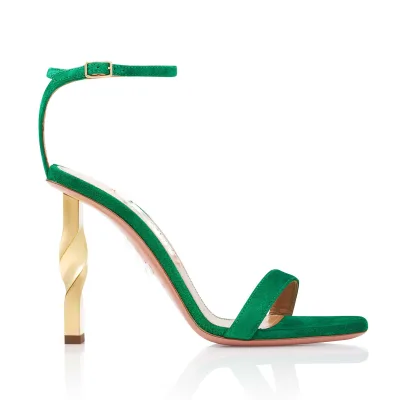
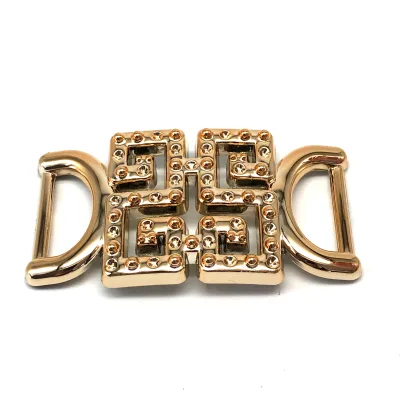


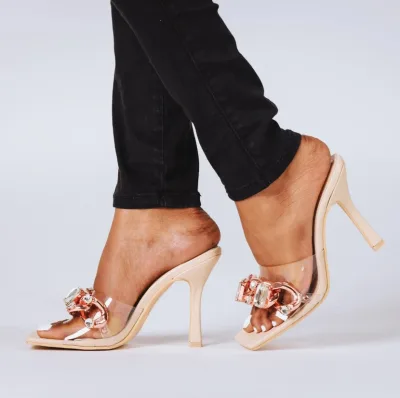
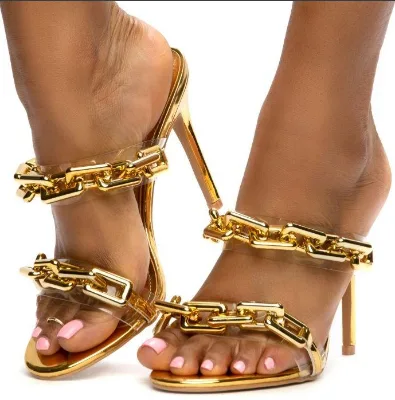


Comprehensive Sourcing Guide
Custom Gold Plastic Shoe Heel Sourcing Guide
Sourcing custom gold plastic shoe heels requires a nuanced understanding of how material properties, aesthetic finishes, and structural integrity intersect in footwear manufacturing. Buyers must recognize that "plastic" is a broad category encompassing various polymers, each offering distinct advantages in terms of weight, durability, and moldability. The specific request for a gold finish introduces additional complexity, as the method of achieving this aesthetic—whether through metallic plating, paint, or integrated pigmentation—directly impacts both the cost structure and the longevity of the product under wear. This guide provides a structured approach to evaluating suppliers, verifying technical specifications, and managing commercial risks associated with these specialized components.
The procurement process for these heels is heavily influenced by the balance between luxury appearance and functional load-bearing capacity. While the visual appeal of a gold finish is a primary driver for many fashion brands, the underlying material must withstand significant stress, particularly in high-heeled designs where the heel bears the majority of the wearer’s weight. Buyers need to assess whether the supplier prioritizes aesthetic fidelity over structural resilience or if they offer solutions that integrate both. Understanding these trade-offs early in the sourcing journey allows for more effective communication with manufacturers and ensures that the final product meets both design intent and performance expectations.
Product Scope and Observed Listing Signals
Market observations indicate a diverse range of heel designs available from suppliers, particularly those originating from regions like Sichuan, China, which is known for its footwear manufacturing ecosystem. Listings frequently feature variations in heel shape, including square toe heels, fancy shaped heels, and stiletto heels, with heights ranging from standard 7cm increments to more dramatic 11-13cm options. The material composition often includes plastic components for the heel structure, paired with uppers made from PU or patent leather, and outsoles constructed from rubber to ensure traction and durability. These variations suggest that buyers have access to a wide spectrum of styles, from elegant business-appropriate designs to more elaborate party or evening wear options.
Color and customization options are significant selling points in this category, with gold and silver being prominent choices. Suppliers often highlight their ability to provide custom colors, heights, and logos, catering to brands that require unique branding elements. The presence of features such as "height increasing" and "load bearing luxury appearance" indicates that manufacturers are addressing specific consumer demands for both aesthetic enhancement and functional comfort. Additionally, the availability of open toe and round toe styles, along with ankle strap configurations, demonstrates the versatility of these components in meeting diverse fashion trends. Buyers should carefully review these signals to align their sourcing strategy with their specific product line requirements.
Technical Specifications to Verify
When evaluating potential suppliers, it is crucial to verify the exact material composition of the heel, as "plastic" can refer to a variety of polymers with different mechanical properties. Buyers should request detailed information on the specific type of plastic used, its density, and its resistance to cracking or breaking under stress. The heel height is another critical specification, with listings indicating ranges such as 7cm, 8cm, or 11-13cm, which may vary depending on the shoe size. It is essential to confirm whether the stated height is consistent across all sizes or if it adjusts proportionally, as this can impact the overall fit and comfort of the final product.
The finish and durability of the gold coating are also key technical aspects that require verification. Buyers should inquire about the method used to apply the gold finish, whether it is a surface coating, plating, or integrated into the material, and ask for data on its resistance to scratching, fading, or peeling. Additionally, the connection point between the heel and the shoe sole must be robust, so understanding the manufacturing process for attaching the heel to the upper and outsole is vital. Suppliers should provide clear specifications on the load-bearing capacity of the heel, ensuring it can support the intended weight without failure, and confirm the packaging standards, such as individual boxing with dust bags, to protect the finish during transit.
Compliance and Safety Documentation
While specific certification statuses may vary by supplier, buyers must ensure that the materials used in the production of custom gold plastic shoe heels comply with relevant safety and environmental regulations. This includes verifying that the plastics and coatings do not contain harmful substances such as lead, phthalates, or other restricted chemicals, particularly if the products are intended for markets with strict regulatory frameworks. Buyers should request material safety data sheets (MSDS) and compliance certificates from suppliers to confirm that the products meet these standards, thereby mitigating legal and reputational risks associated with non-compliant materials.
In addition to chemical compliance, buyers should assess the supplier’s adherence to quality management systems and production standards. Although specific standards like ISO 20345 may be referenced in broader footwear contexts, it is important to verify which specific quality protocols the supplier follows for heel manufacturing. This includes checking for consistency in production processes, quality control measures during manufacturing, and testing procedures for durability and safety. Buyers should also inquire about the supplier’s ability to provide test reports or third-party verification of product performance, ensuring that the heels meet the required safety and quality benchmarks for their intended use.
Cost Drivers and Commercial Terms
The cost of custom gold plastic shoe heels is influenced by several factors, including the complexity of the design, the type of plastic used, and the method of applying the gold finish. More intricate shapes, such as fancy shaped or stiletto heels, may require more complex molding processes, leading to higher production costs. Similarly, the durability and quality of the gold finish can vary significantly, with premium finishes commanding higher prices. Buyers should request detailed cost breakdowns from suppliers to understand how these factors impact the final price, allowing for more accurate budgeting and pricing strategies for their products.
Minimum order quantities (MOQs) and payment terms are also critical commercial considerations. Listings indicate MOQs ranging from small quantities, such as one pair, to larger bulk orders of up to 2000 pairs, providing flexibility for buyers with different volume needs. However, smaller MOQs may come with higher per-unit costs, while larger orders can offer economies of scale. Buyers should negotiate favorable payment terms and delivery schedules, ensuring that they align with their production timelines and cash flow requirements. Additionally, understanding the packaging and shipping costs, including the weight and dimensions of the cartons, is essential for calculating the total landed cost of the products.
Supplier Qualification and Quality Control
Selecting the right supplier for custom gold plastic shoe heels requires a thorough evaluation of their manufacturing capabilities, quality control processes, and track record. Buyers should assess the supplier’s production facilities, including their molding equipment, finishing lines, and quality inspection stations, to ensure they have the capacity and expertise to produce high-quality heels consistently. It is also important to verify the supplier’s experience in producing similar products, particularly those with custom finishes and complex designs, as this can indicate their ability to meet specific buyer requirements.
Quality control measures should be a key focus during supplier qualification, with buyers requesting detailed information on the supplier’s inspection protocols and defect rates. This includes in-process inspections, final product checks, and any third-party testing that may be conducted. Buyers should also consider implementing their own quality control measures, such as sampling and testing received goods, to ensure that the products meet their specifications. Establishing clear communication channels and expectations with the supplier regarding quality standards and corrective actions for defects is essential for maintaining product consistency and customer satisfaction.
Long-Term Procurement Checks
Building a sustainable supply chain for custom gold plastic shoe heels involves ongoing monitoring and evaluation of supplier performance. Buyers should establish key performance indicators (KPIs) to track metrics such as on-time delivery, product quality, and responsiveness to issues, using this data to make informed decisions about future orders and supplier relationships. Regular audits and reviews of the supplier’s operations can help identify potential risks and areas for improvement, ensuring that the supply chain remains resilient and efficient over time.
Additionally, buyers should stay informed about market trends and technological advancements in heel manufacturing, as these can impact product design and cost structures. Engaging in continuous dialogue with suppliers about new materials, finishes, and production techniques can lead to innovative solutions and competitive advantages. By maintaining a proactive approach to supplier management and market analysis, buyers can ensure that their sourcing strategy remains aligned with their business goals and customer expectations, fostering long-term success in the footwear industry.
FAQs
Can I customize the color and logo on these gold heels?
Yes, you can customize the color, height, and logo for these women's sandals. The product supports custom color options and logo application to meet your specific branding needs while maintaining the gold aesthetic.
What is the heel height and shape of these shoes?
The heel height ranges from 11 to 13 cm depending on the size, and the shape is a fancy stiletto heel. Some variations list a 7 cm height, but the primary feature is a thin high heel designed for elegance.
Which materials are used for the upper and outsole?
The upper material is available in PU or patent leather, while the outsole is made of rubber. These materials ensure durability and comfort for summer wear and business occasions.
What is the minimum order quantity for these sandals?
The minimum order quantity is 1 pair for single items, though bulk orders may start at 2 units. Packaging is typically one pair per box with a dust bag, and 12 pairs per carton.
Where are these custom gold plastic shoe heels manufactured?
These shoes originate from Sichuan, China. The production location ensures access to established manufacturing capabilities for high-quality women's sandals with specific customization services.
Can I order these shoes with a specific size range?
Yes, the size range covers EU 34 to 46, including US sizes 8, 9, 10, and 12. This range accommodates various foot sizes for business and party occasions.
What features do these high-heeled sandals offer?
These sandals feature height increasing capabilities and a load-bearing luxury appearance. They are designed with an open toe and ankle strap for a stylish and elegant look suitable for summer events.