Source Custom Gold Foil Cosmetics Label for Packaging, Branding, and Decoration
Find 30 verified suppliers offering Custom Gold Foil Cosmetics Label solutions for packaging, branding, and decoration. Compare specifications, materials, and pricing to select the right adhesive stickers for your cosmetic products; compare the available evidence and request quotations based on your requirements.
Key considerations
Products List
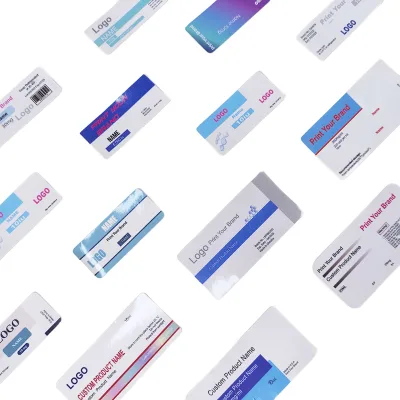
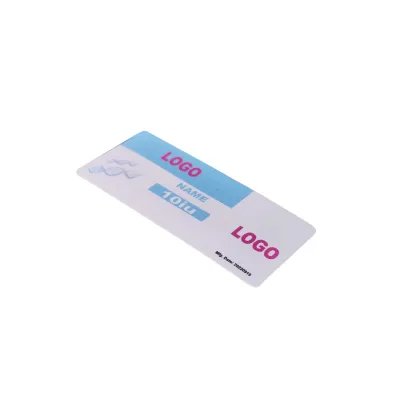


Accept Custom Printing Private Cosmetics Adhesive Sticker Label for Bottle
$0.02 - $0.05
MOQ: 3000 Pieces


Custom Logo Sticker Holographic Foil Packaging Labels for Eyelashes Cosmetics
$286.00 - $300.00
MOQ: 2000 sheet


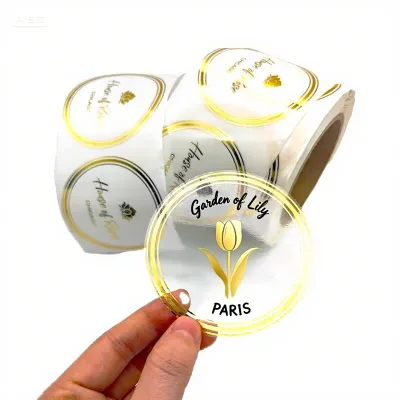


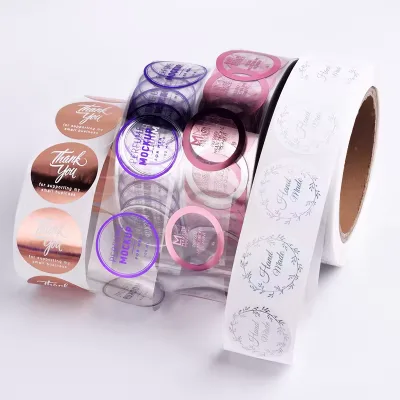


Comprehensive Sourcing Guide
Custom Gold Foil Cosmetics Label Sourcing Guide
Sourcing custom gold foil cosmetics labels requires a strategic balance between aesthetic precision and functional durability. Buyers must recognize that these labels serve as critical brand touchpoints, often requiring specific surface finishes like UV varnishing or silver stamping to achieve the desired metallic effect. The procurement process begins with defining the exact shape and size, as manufacturers typically accept custom die-cut shapes, including rectangular, round, or irregular forms, to fit unique packaging contours.
Understanding the material substrate is equally vital for ensuring adhesion and longevity. Common options include coated paper, vinyl, and PVC, each offering distinct advantages in terms of water resistance and texture. Buyers should verify whether the supplier supports CMYK or Pantone color matching to ensure brand consistency, while also confirming that the adhesive strength is sufficient for the intended surface, whether it be glass, plastic, or metal cosmetic containers.
Product Scope and Observed Listing Signals
The market for custom adhesive labels encompasses a wide range of applications, from daily necessities to high-end cosmetic packaging. Observed listings indicate that suppliers often provide mixed color options and accept custom orders with flexible MOQs, sometimes starting as low as 100 pieces. This flexibility allows brands to test market responses with smaller batches before committing to large-scale production runs, reducing inventory risk and capital expenditure.
Surface finishing techniques play a pivotal role in the final product quality. Buyers should look for suppliers offering advanced finishing options such as embossing, debossing, and holographic effects, which enhance the tactile experience of the label. The presence of features like anti-counterfeit and anti-ultraviolet properties suggests that some manufacturers cater to brands concerned with product protection and brand integrity, adding value beyond mere aesthetics.
Technical Specifications to Verify
Verifying printing capabilities is essential for achieving sharp, vibrant designs. Buyers should confirm that the supplier utilizes offset printing, digital printing, or flexographic printing, depending on the order volume and complexity. The ability to handle both CMYK and Pantone colors ensures accurate color reproduction, while additional techniques like cold stamping or laser engraving can add premium finishes that distinguish the product on crowded shelves.
Material transparency and backing paper specifications are often overlooked but critical for operational efficiency. Labels may be opaque or transparent, depending on the design requirements, and the backing paper, such as glassine, affects how easily labels can be dispensed from printers or applied manually. Buyers must also check the core diameter options, such as 1 inch or 3 inches, to ensure compatibility with their existing labeling equipment and automation systems.
Compliance and Safety Documentation
Regulatory compliance is non-negotiable for cosmetics packaging, particularly when labels come into direct contact with products or their immediate containers. Buyers should request documentation proving that the materials used, such as coated paper or vinyl, meet relevant safety standards for cosmetic applications. This includes verifying that inks and adhesives are free from harmful substances that could migrate into the product or cause allergic reactions in consumers.
Certifications like ISO9001 and SGS indicate a supplier’s commitment to quality management and third-party verification. While these certifications do not guarantee product-specific safety, they suggest that the manufacturer has robust processes in place for consistency and traceability. Buyers should also inquire about any specific industry certifications required for their target markets, such as FDA compliance for products sold in the United States or EU regulations for European markets.
Cost Drivers and Commercial Terms
Several factors influence the final cost of custom gold foil cosmetics labels, including material choice, printing complexity, and order quantity. High-volume orders often benefit from lower per-unit costs due to economies of scale, but buyers should be aware that minimum order quantities can vary significantly, ranging from small batches to tens of thousands of pieces. Understanding the MOQ structure helps in planning production schedules and managing cash flow effectively.
Commercial terms such as payment methods and delivery times also impact the overall procurement strategy. Suppliers may offer various payment options, including T/T, PayPal, or Western Union, each with different security and processing implications. Delivery times typically range from 7 to 10 days, but this can vary based on customization complexity and current production loads. Buyers should negotiate clear trade terms and clarify any additional costs for samples or rush orders to avoid unexpected expenses.
Supplier Qualification and Quality Control
Evaluating supplier qualifications involves more than just reviewing their product catalog. Buyers should assess the supplier’s ability to handle custom artwork formats, such as AI, PDF, CDR, and PSD files, which indicates their technical proficiency in pre-press preparation. A supplier’s willingness to provide free samples allows buyers to physically inspect the quality of the gold foil application, adhesive strength, and overall finish before committing to a large order.
Quality control processes should be transparent and well-documented. Buyers should ask about the supplier’s inspection procedures, including how they handle defects and ensure consistency across large production runs. Suppliers with established quality management systems, as indicated by ISO9001 certification, are more likely to deliver consistent results. Additionally, verifying the supplier’s experience with similar products, such as bottle wrapping or shipping labels, can provide insight into their capability to meet specific industry requirements.
Long-Term Procurement Checks
Building a sustainable supply chain for custom labels requires ongoing monitoring and relationship management. Buyers should establish clear communication channels with their suppliers to address any issues promptly and ensure that future orders align with evolving brand needs. Regularly reviewing supplier performance metrics, such as delivery accuracy and defect rates, helps in maintaining high standards and identifying areas for improvement.
As market trends and regulatory requirements change, buyers must stay informed about new materials and technologies that could enhance their packaging solutions. This includes exploring new finishing techniques or more sustainable material options that align with corporate social responsibility goals. By maintaining a proactive approach to supplier management, buyers can ensure that their custom gold foil cosmetics labels continue to meet both aesthetic and functional expectations over time.
FAQs
How can I order custom gold foil cosmetics labels with specific shapes?
You can order custom gold foil cosmetics labels with specific shapes by requesting custom die-cut options. The product supports various shapes including rectangular, round, oval, and irregular forms. Custom sizes are accepted to fit your unique packaging needs effectively.
What printing methods are available for these adhesive labels?
Available printing methods include CMYK offset printing, digital printing, and cold stamping for gold foil effects. Additional techniques like embossing, debossing, and UV varnishing enhance the final appearance. Both Pantone and CMYK color matching are supported for accurate branding.
Which materials are used to make these cosmetic stickers?
These cosmetic stickers are made from coated paper, vinyl, or PVC materials depending on your requirements. The labels feature strong stickiness and are designed for durability. You can choose between opaque or specific transparency levels based on your application needs.
Can I get samples before placing a large order?
Yes, free samples are allowed before you commit to a large order. This allows you to verify the quality of the gold foil finish and adhesive strength. You can request samples to ensure the product meets your specific cosmetic packaging standards.
What is the minimum order quantity for these labels?
The minimum order quantity varies, with some listings accepting orders as low as 100 pieces. Other suppliers may require a minimum of 5000 pieces depending on the customization level. Please check specific supplier terms to confirm the exact MOQ for your project.
How long does it take to receive the custom labels?
The typical delivery time for these custom labels is between 7 to 10 days after order confirmation. This lead time applies to standard production runs. Expedited options may be available depending on the specific factory capacity and current order volume.
Are these labels suitable for waterproof cosmetic packaging?
Yes, these labels are designed to be waterproof and oil-proof for cosmetic packaging applications. They feature anti-counterfeit and anti-ultraviolet properties for brand protection. The strong stickiness ensures they remain attached even in humid bathroom environments.