Source Custom Industrial Key Switch for Home Appliances and Cameras
Find 30 Custom Industrial Key Switch options with features like waterproof design and multi-control switches. Buyers can compare specifications including size, contact type, and application areas such as home appliances and telecommunication equipment from verified suppliers.
Key considerations
Products List


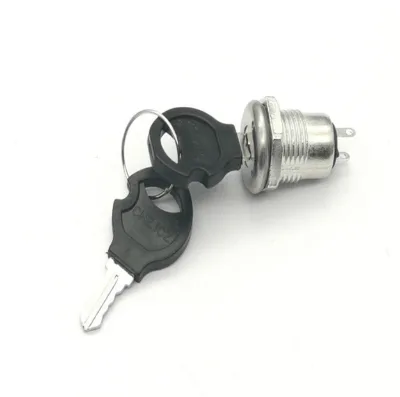


Square Button on-off Self-Lock/Non Lock Push Button Switch Press Key Switch
$0.15 - $0.25
MOQ: 500 Pieces


Comprehensive Sourcing Guide
Custom Industrial Key Switch Sourcing Guide
Selecting the right Custom Industrial Key Switch requires a disciplined approach that balances technical precision with commercial viability. These components serve as critical interfaces in environments where security, controlled access, and operational safety are paramount. Unlike standard consumer switches, industrial variants must withstand harsh conditions, frequent actuation, and potential exposure to moisture or contaminants. Buyers must navigate a landscape where customization is not merely an option but a necessity to fit specific panel layouts, ergonomic requirements, and electrical loads. This guide provides a structured framework for evaluating suppliers, verifying technical attributes, and ensuring long-term reliability without relying on unverified marketing claims.
The procurement process begins with a clear definition of operational needs, followed by rigorous supplier vetting. The market offers a wide array of options, from simple rotary disconnectors to complex multi-control systems with integrated locking mechanisms. Understanding the distinction between off-the-shelf components and fully customized solutions is vital for budgeting and timeline management. By focusing on verified specifications and documented quality processes, procurement teams can mitigate the risks associated with component failure, supply chain disruptions, and non-compliance with regional safety standards. This guide outlines the essential steps to secure a reliable supply of custom industrial key switches that meet both current project demands and future scalability needs.
Product Scope and Observed Listing Signals
The current market landscape for industrial key switches reveals a diverse range of product types, including control switches, change-over switches, disconnectors, and playback switches. Listings often highlight features such as waterproof construction, flexible structures, and multi-control capabilities, indicating a strong demand for durable and versatile solutions. Buyers should observe that many suppliers offer customization in terms of size, color, and printing methods, such as silk screen printing with Pantone color matching. These signals suggest that manufacturers are equipped to handle bespoke requirements, allowing for precise integration into existing industrial control systems or new equipment designs.
Observed listing data indicates a significant variation in pricing and minimum order quantities (MOQ), ranging from competitive entry-level prices to higher tiers for specialized models. MOQs can vary widely, from single units for prototyping to thousands for mass production, reflecting the flexibility of modern manufacturing processes. Some listings specify models like SNT-001 or KE-4066, which may correspond to specific membrane switches or resistive touch screens rather than traditional mechanical key switches. Procurement teams must carefully distinguish between these different product categories to ensure they are sourcing the correct component type for their application, avoiding confusion between tactile switches, membrane interfaces, and heavy-duty rotary key switches.
Technical Specifications to Verify
When evaluating technical specifications, buyers must prioritize the switch’s electrical and mechanical ratings. Key attributes to verify include the contact type, circuit configuration, and detection method. For instance, some products utilize conductive silver ink circuits, which offer good conductivity but may differ in longevity compared to traditional metal contacts. The structure of the switch, whether it is power built-in or surface-mounted, dictates the installation method and panel thickness compatibility. Additionally, the driving type, such as electromechanical mechanisms, influences the tactile feedback and operational lifespan, which are critical for high-frequency use in industrial settings.
Physical dimensions and mounting requirements are equally important for seamless integration. Buyers should confirm the mounting hole diameter, such as a standard of 22 ± 0.5 mm, to ensure compatibility with existing panel cutouts. The aspect ratio and screen size, if applicable to hybrid interfaces, must align with the user interface design. Furthermore, the function switch options, including automatic, lock, exit only, full open, or half open, determine the security level and operational workflow. Verifying these details against the supplier’s technical datasheets prevents costly rework during the assembly phase and ensures that the switch performs as expected under load.
Compliance and Safety Documentation
Compliance with international and regional safety standards is non-negotiable for industrial components. Buyers must request documentation that confirms adherence to relevant certifications, such as CE and ISO9001, which indicate quality management systems and conformity with European health, safety, and environmental protection standards. While some listings mention ISONumber of Switch or other generic references, it is crucial to verify the specific standard numbers and the scope of certification. Suppliers should provide test reports from accredited laboratories to substantiate claims regarding electrical safety, mechanical durability, and environmental resistance.
In addition to regulatory compliance, buyers should inquire about material safety and environmental regulations. Certifications such as ROHS may be relevant if the switch contains electronic components or specific plastics that need to comply with restrictions on hazardous substances. It is also important to verify the warranty terms, which often range from one year to longer periods for industrial-grade products. A robust warranty policy reflects the manufacturer’s confidence in their product’s reliability and provides a safety net for procurement teams in case of premature failure. Ensuring that all documentation is up-to-date and verifiable protects the buyer from legal liabilities and supply chain disruptions.
Cost Drivers and Commercial Terms
The cost of custom industrial key switches is influenced by several factors, including the complexity of the design, the materials used, and the volume of the order. Customization options, such as specific colors, printing, and unique mounting configurations, typically incur additional tooling and setup costs. Buyers should expect a price range that reflects these variables, with competitive pricing often available for standard configurations and higher costs for bespoke solutions. Understanding the breakdown of costs helps in negotiating better terms and identifying areas where standardization might reduce expenses without compromising performance.
Commercial terms, including payment methods, lead times, and packaging, play a significant role in the total cost of ownership. Suppliers may offer customized packaging solutions, such as carton, protective packages, or plywood cases, to ensure safe transit and storage. Lead times can vary based on the MOQ and the level of customization required, with shorter times for stock items and longer periods for new tooling. Buyers should clarify these terms early in the sourcing process to align with their production schedules and budget cycles. Additionally, understanding the supplier’s return policy and defect handling procedures is essential for managing risk and maintaining operational continuity.
Supplier Qualification and Quality Control
Supplier qualification is a critical step in ensuring the reliability of custom industrial key switches. Buyers should assess the supplier’s manufacturing capabilities, including their production capacity, quality control processes, and experience in the industry. Factories located in regions like Shanghai or Zhejiang in China often have established supply chains and technical expertise, but this does not guarantee consistent quality. It is essential to conduct on-site audits or request third-party inspection reports to verify that the supplier’s facilities meet international standards for cleanliness, equipment maintenance, and worker training.
Quality control measures should be clearly defined and agreed upon before production begins. This includes incoming material inspections, in-process quality checks, and final random sampling based on acceptable quality limits (AQL). Suppliers should provide detailed inspection reports for each batch, highlighting any deviations from the agreed specifications. Buyers should also inquire about the supplier’s approach to continuous improvement and how they handle non-conforming products. Establishing a strong partnership with a supplier who prioritizes quality and transparency reduces the risk of receiving defective components and ensures long-term supply chain stability.
Long-Term Procurement Checks
Long-term procurement success depends on continuous monitoring and evaluation of supplier performance. Buyers should establish key performance indicators (KPIs) such as on-time delivery rate, defect rate, and responsiveness to technical queries. Regular reviews of these metrics help identify potential issues early and allow for corrective actions before they impact production. Additionally, maintaining open communication with the supplier regarding future product roadmaps and technological advancements can help buyers stay ahead of industry trends and plan for component obsolescence.
It is also important to diversify the supplier base to mitigate risks associated with single-source dependencies. While having a primary supplier is beneficial for volume discounts and relationship building, qualifying alternative suppliers ensures continuity in case of disruptions. Buyers should periodically re-evaluate the market for new technologies or more cost-effective alternatives that may better suit evolving project requirements. By staying informed and proactive, procurement teams can optimize their sourcing strategy, reduce costs, and ensure the availability of high-quality custom industrial key switches for years to come.
FAQs
What customization options are available for custom industrial key switches?
Customization is available for these switches, allowing buyers to specify unique requirements. You can request custom sizes, Pantone colors, and silk screen printing to match your design needs. The standard model supports flexible structures and various contact types to fit specific applications.
Which certifications do the custom industrial key switches meet?
The products meet CE and ISO9001 standards as documented in the specifications. Some items also reference ISONumber of Switch compliance. These certifications ensure the switches adhere to recognized quality and safety protocols for industrial and home appliance applications.
Can I find custom industrial key switches with specific packaging requirements?
Yes, packaging options include cartons, protective packages, paper boxes, and plywood cases. Customized packaging is also available to suit your logistics needs. Buyers can select from these standard options or request tailored solutions based on their shipping and storage requirements.
What is the warranty period for these custom industrial key switches?
The warranty period is one year for the listed products. This coverage applies to the functional integrity of the switches under normal usage conditions. Buyers should verify specific terms with the supplier to ensure the warranty aligns with their operational expectations.
How are the custom industrial key switches manufactured and tested?
Manufacturing involves conductive silver ink circuits and retro-reflective detection methods for reliability. The switches are produced in China with origins in Shanghai and Zhejiang. Production standards include CE and ISO9001, ensuring consistent quality across different models like SNT-001 and KE-4066.
What are the typical dimensions for the custom industrial key switches?
Dimensions vary by model, with specific examples including 92*92*41MM and 81.5*81.5*45MM. Custom sizes are also available to fit unique panel requirements. Mounting holes are standardized at 22 plus or minus 0.5 mm for certain models to ensure proper installation.
Which applications are suitable for these custom industrial key switches?
These switches are suitable for home appliances, telecommunication equipment, and industrial control systems. They function as control, change-over, and disconnect switches with features like waterproofing. The flexible structure allows integration into devices requiring remote control or specific playback functions.