Source Custom Laser Printed Fountain Pen for Business, Gifts, Events
Find a selection of 30 Custom Laser Printed Fountain Pen options from Ningbo suppliers. Buyers can compare metal and plastic models with varying point sizes, packaging, and customization features like silk printing or laser engraving for business and promotional use.
Key considerations
Products List


Luxury Writing Metal Fountain Pen with Custom Logo Business Gift Metal Pen
$0.65 - $0.85
MOQ: 500 Pieces

Luxury Gray Fountain Pen High-Quality Customizable Logo Metal Writing Pen Gift
$0.86 - $0.89
MOQ: 500 Pieces


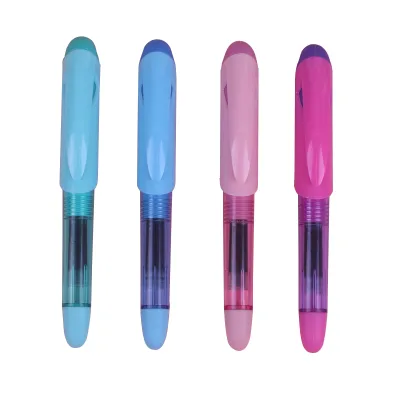
Gradient Color Plastic Fountain Pen Colorful Fountain Pen with Low Price
$0.45 - $1.05
MOQ: 3000 Pieces
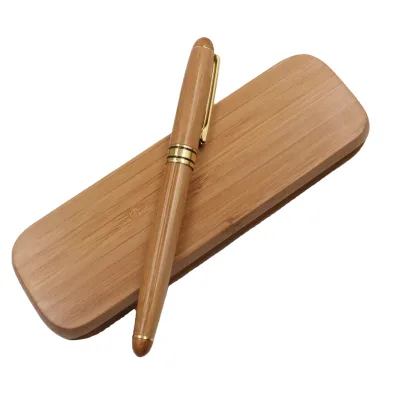
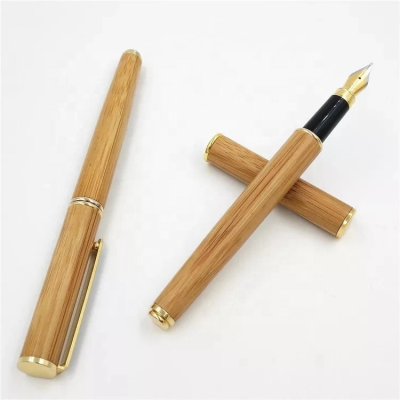
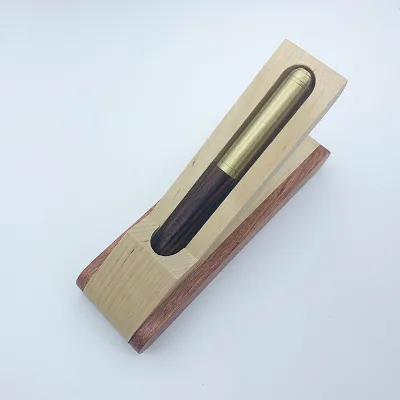
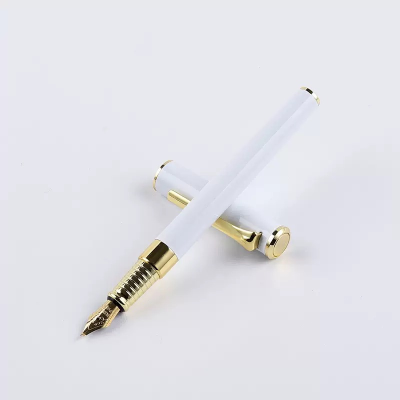




Comprehensive Sourcing Guide
Strategic Sourcing Guide for Custom Laser Printed Fountain Pens
The global market for promotional and corporate writing instruments has seen a sustained shift toward high-quality, personalized fountain pens. For procurement professionals, the core keyword "Custom Laser Printed Fountain Pen" represents a specific intersection of aesthetic customization, functional writing performance, and brand identity. Unlike standard ballpoint pens, fountain pens require a more nuanced understanding of nib technology, ink delivery systems, and material durability. This guide synthesizes available product data and industry standards to provide a disciplined framework for sourcing these items, ensuring that buyers can navigate the complexities of customization without compromising on quality or compliance.
Understanding Technical Specifications and Material Composition
When evaluating custom laser printed fountain pens, the first step is to rigorously analyze the technical specifications provided by potential suppliers. The physical attributes of the pen dictate its usability and the feasibility of laser engraving. Based on observed product data, the market offers pens with varying dimensions, such as a length of 131mm or a compact size of 13.11.61cm. These dimensions are critical for determining the surface area available for laser printing. A pen with a slender barrel, such as one measuring 1.6cm in diameter, may offer limited real estate for a detailed logo, whereas a bulkier design might accommodate more complex branding.
Material selection is equally pivotal. The supplied data indicates a divergence in construction materials, ranging from metal to plastic. Metal barrels, often constructed from stainless steel or aluminum alloys, provide a premium feel and are highly suitable for laser engraving, which etches cleanly into the surface. In contrast, plastic bodies may require specific laser settings to avoid melting or discoloration. The nib itself is a critical component; specifications list point materials such as stainless steel and iridium. Iridium tips are standard for durability and smoothness, while the point diameter, observed at 0.7mm in some models, defines the line width. Buyers must verify that the chosen nib type, whether standard or deflection, aligns with the intended writing experience. Furthermore, the presence of an ink reservoir or converter, rather than a disposable cartridge, suggests a reusable design that enhances the product's longevity and value proposition for the end-user.
Customization Capabilities and Laser Engraving Standards
The core requirement for this procurement category is the ability to apply custom branding via laser printing. The available data confirms that customization is a standard offering, with methods including silk printing, laser engraving, and OEM/ODM services. Laser engraving is particularly valued for its permanence; unlike ink-based printing, it physically alters the surface of the material, ensuring the logo does not fade or rub off over time. However, the success of laser engraving depends heavily on the material's finish. A smooth metal surface will yield a high-contrast, professional result, while textured or painted surfaces may require pre-treatment or specific laser wavelengths.
Buyers should note that some listings specify "Without Logo Printing" as a baseline, indicating that customization is an add-on service rather than a default state. This distinction is vital for cost estimation and lead time planning. The data also highlights a "Customzied" attribute listing "Silk Printing / Laser Engraving OEM ODM," suggesting that suppliers are equipped to handle both direct branding and full product design modifications. When requesting samples, buyers should explicitly request a demonstration of the laser engraving on the specific material they intend to order. This verification step ensures that the contrast, depth, and precision of the engraving meet the company's brand guidelines. Additionally, the "Novelty" attribute found in some listings suggests that certain models may feature unique shapes or mechanisms, which could complicate the engraving process if the surface is irregular.
Compliance, Certification, and Safety Standards
In the B2B sector, compliance is non-negotiable, especially for products that may be handled by children or distributed in international markets. The supplied facts mention specific certifications such as EN71 and MSDS. EN71 is a European standard for toy safety, which, while primarily for toys, is often referenced by suppliers to demonstrate rigorous testing of materials for toxicity and mechanical safety. MSDS (Material Safety Data Sheet) provides essential information regarding the chemical composition of the inks, plastics, and metals used, ensuring that the product is safe for handling and disposal.
However, buyers must exercise caution. The presence of these certifications in a product listing does not automatically guarantee that every unit in a large order will be certified. Procurement teams should request valid, current certificates from the specific manufacturing batch. Furthermore, the data references a "European Standard" for the product itself, which may relate to dimensional tolerances or electrical safety if the pen includes electronic components (though rare for fountain pens). It is also worth noting that some listings mention a standard of "362622CM," which appears to be a packaging dimension rather than a product safety standard. Buyers should clarify this distinction to avoid confusion. For markets outside Europe, additional certifications such as ASTM (USA) or ISO 9001 (Quality Management) should be verified. The "Disposable: Non-Disposable" attribute further implies that the product is designed for long-term use, which reinforces the need for durable, non-toxic materials that meet international safety regulations.
Cost Drivers and Pricing Dynamics
The pricing of custom laser printed fountain pens is influenced by a complex interplay of factors, including material costs, customization complexity, and order volume. The observed price range in the market spans from $0.10 to $7.60 USD. This wide variance reflects the difference between basic plastic models and premium metal instruments. A pen priced at the lower end of the spectrum likely utilizes plastic construction and standard nibs, while the higher-priced items may feature stainless steel bodies, iridium tips, and more sophisticated ink delivery systems.
Order Volume is a primary cost driver. The Minimum Order Quantity (MOQ) ranges from 20 to 5000 units. Smaller MOQs, such as 20 units, are ideal for sampling or small corporate gifts but often carry a higher unit cost due to setup fees. Conversely, larger orders of 5000 units benefit from economies of scale, significantly reducing the per-unit price. The customization method also impacts cost; laser engraving typically incurs a setup fee for creating the digital vector file and machine calibration, which is amortized over the order quantity. Silk printing, while an alternative, may have different cost structures depending on the number of colors required. Buyers should also consider the "Sample: Free" attribute, which can reduce initial research costs, but must account for shipping fees. Additionally, the "Lead Time" of about 10 days for production, excluding shipping, is a critical factor in total landed cost calculations, as expedited shipping can add significant expenses.
Supplier Evaluation and Quality Control Protocols
Selecting the right supplier requires a multi-faceted evaluation process that goes beyond price and specifications. The data indicates that many products originate from Ningbo, China, a major hub for pen manufacturing. While this suggests a mature supply chain, buyers must verify the supplier's actual production capabilities. Key evaluation criteria include the supplier's ability to provide "Free Samples" with a "Sample Time" of 3 days, which indicates responsiveness and efficient logistics.
Quality control should be a central part of the sourcing strategy. Buyers should implement a rigorous inspection protocol that includes checking the "Feature" attributes such as "Fluently Writing" and "Antislip Grip." These are subjective qualities that must be validated through physical testing. A pen that claims to be "Ecofriendly" should be supported by material certifications or sustainability reports. The "Weight" of the pen, observed at 9.1g/PCS, is another metric for consistency; significant deviations in weight between units can indicate poor quality control in molding or assembly. Furthermore, the "Point Type" (Standard vs. Deflection) must be consistent across the batch to ensure a uniform writing experience. Suppliers should be required to provide a pre-shipment inspection report that details the results of these functional tests. The "Logo Printing" attribute, whether "With" or "Without," must be strictly verified against the purchase order to prevent costly errors in branding.
Typical Applications and Market Positioning
Custom laser printed fountain pens serve diverse applications in the B2B landscape. The "Application: For Bussiness" and "Style: Business" attributes highlight their primary use in corporate gifting, executive awards, and client appreciation. These pens convey a sense of prestige and professionalism that ballpoint pens cannot match. The "Promotional Pen Type: Multi-Functional Pen" suggests that some models may offer additional features, such as built-in USB drives or stylus tips, expanding their utility beyond simple writing.
The "Keyword: Fountain Pen" and "Keyword: Fountion Pen/Roller Pen" indicate that the market includes both traditional fountain pens and hybrid designs. This versatility allows buyers to target different demographics; traditionalists may prefer the classic fountain pen experience, while modern users might opt for a multi-functional device. The "Novelty: Yes" attribute points to a segment of the market that values unique designs, making these pens suitable for trade shows, conferences, and special events where standing out is crucial. The "Suitable for: Universal" attribute suggests that these pens are designed to be accessible to a wide range of users, regardless of handedness or writing style. Understanding these applications helps buyers align their procurement strategy with their specific marketing goals, whether it is to enhance brand image, reward employees, or attract new clients.
Long-Term Procurement Considerations and Sustainability
For long-term procurement success, buyers must look beyond the initial transaction and consider the lifecycle of the product. The "Disposable: Non-Disposable" attribute is a strong indicator of sustainability. A reusable fountain pen reduces waste compared to disposable ballpoints, aligning with corporate Environmental, Social, and Governance (ESG) goals. The "Feature: Ecofriendly" attribute further supports this, but buyers should request specific details on the materials used, such as recycled plastics or sustainably sourced metals.
Packaging is another critical area for long-term consideration. The data lists various packing options, including "Cardboard Box," "OPP Bag," "Gift Box," and "Shrink Packing." Buyers should evaluate the environmental impact of these packaging materials. A "Gift Box" may enhance the perceived value but could be wasteful if not recyclable. The "prod_packing" standard of "Exported Carton" ensures safe transport, but the internal packaging should be minimized to reduce waste. Finally, the "Lead Time" of about 10 days allows for agile inventory management, but buyers should plan for potential supply chain disruptions. Establishing a long-term relationship with a supplier who can consistently deliver high-quality, customized products with reliable lead times is essential for maintaining brand integrity and operational efficiency. By focusing on these long-term factors, buyers can ensure that their investment in custom laser printed fountain pens delivers lasting value.
FAQs
Can I get a free sample for custom laser printed fountain pens?
Yes, free samples are available for custom laser printed fountain pens. The sample time is typically about 3 days, allowing buyers to verify the laser engraving quality and writing fluency before placing a larger order.
What customization methods are available for these pens?
Customization includes silk printing and laser engraving for OEM and ODM services. Buyers can choose between with or without logo printing, ensuring the branding matches their specific corporate identity and aesthetic requirements.
Which certifications apply to custom laser printed fountain pens?
Products often carry EN71 and MSDS certifications to ensure safety and chemical compliance. These standards verify that materials like stainless steel and plastic meet international safety regulations for handling and disposal.
How long is the lead time for production orders?
The standard lead time for production is about 10 days. This duration covers the manufacturing and customization process, excluding international shipping time, which varies based on the destination and logistics provider.
What materials are used for the pen body and nib?
Pen bodies are constructed from metal or plastic, while nibs use stainless steel or iridium. These materials ensure durability and a premium feel, with point diameters typically around 0.7mm for smooth writing.
What is the minimum order quantity for these pens?
The minimum order quantity ranges from 20 to 5000 units depending on the supplier. Lower MOQs allow for sampling, while larger orders benefit from economies of scale and reduced per-unit costs.