Source Roller Eye Massager for Sleep, Beauty, and Fatigue Relief
Compare 30 Roller Eye Massager options from verified manufacturers. Buyers can evaluate features like air pressure, heat therapy, and USB power to find suitable models for promoting sleep quality and reducing dark circles.
Key considerations
Products List


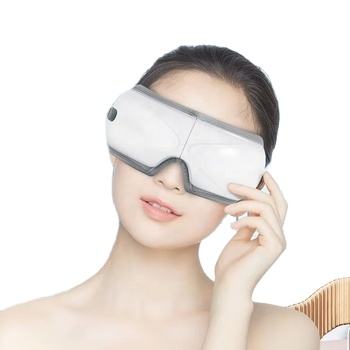


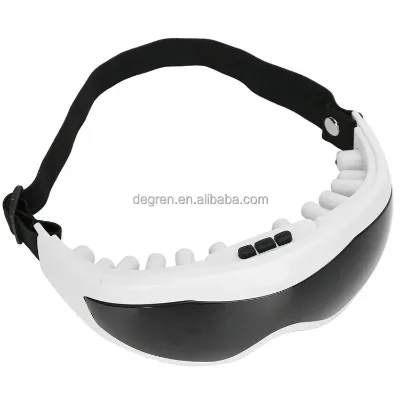
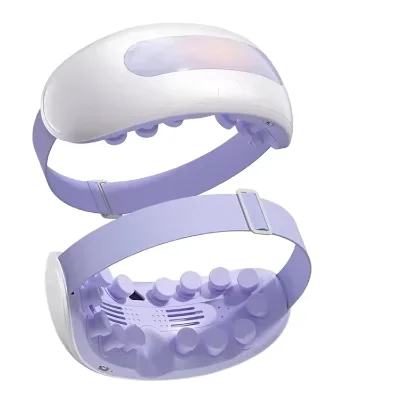


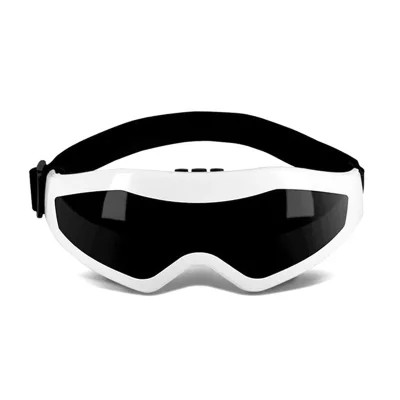
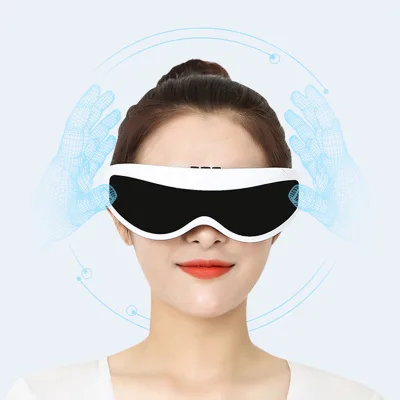


Portable Facial Massager for Skin Lifting Tightening Face Roller and Eye Massager
$18.28 - $20.78
MOQ: 10 Pieces


Comprehensive Sourcing Guide
Roller Eye Massager Sourcing Guide
Sourcing roller eye massagers requires a nuanced understanding of the intersection between consumer electronics, personal care devices, and precision manufacturing. These devices are typically designed to alleviate visual fatigue, improve sleep quality, and reduce dark circles through mechanisms such as air pressure, heat, and vibration. Buyers must navigate a market where product attributes vary significantly, ranging from basic electric models to advanced units with music integration and USB rechargeability. The procurement strategy must account for these functional differences, ensuring that the selected supplier can deliver devices that meet specific ergonomic and technical requirements while adhering to strict safety and quality standards.
The supply chain for these devices is often centered in manufacturing hubs known for electronics assembly and plastic injection molding, such as Qingdao and Zhejiang in China. Suppliers in these regions frequently offer OEM customization, allowing buyers to tailor features like color, packaging, and specific functional modules. However, the diversity of available models, from cloth-wrapped styles to hot and cold vibrating units, means that buyers cannot rely on a one-size-fits-all approach. It is critical to verify the specific capabilities of each supplier, particularly regarding their ability to handle complex assemblies involving both mechanical components and electronic circuitry, as well as their proficiency in surface treatments like polishing that affect the final product's aesthetic and tactile quality.
Product Scope and Observed Listing Signals
The current market landscape for roller eye massagers reveals a wide spectrum of product types, primarily categorized under household electrical appliances and personal beauty equipment. Observed listings indicate that these devices often feature multi-cavity injection molding processes, suggesting a high degree of precision in the manufacturing of the outer shell and internal components. Products are frequently described with specific functions such as relieving visual fatigue, improving sleep, and promoting overall eye health. The presence of features like volume adjustment, air pressure adjustability, and music integration highlights the trend toward multifunctional devices that offer a holistic wellness experience rather than just mechanical massage.
Material composition is a key differentiator in this category, with ABS plastic being a common choice for the main body due to its durability and ease of molding. Some models utilize specialized materials for the contact surface, such as cloth-wrapped designs, which may offer enhanced comfort or hygiene. The working temperature range of associated components can extend from -40℃ to 300℃, indicating the robustness of the materials used in the heating elements or structural parts. Buyers should note that while many products are marketed as "customized," the extent of this customization varies, with some suppliers offering only color and packaging changes, while others may support deeper structural or functional modifications.
Technical Specifications to Verify
When evaluating technical specifications, buyers must prioritize the verification of core material and mold base quality, as these factors directly influence the longevity and consistency of the product. The core material is often specified as P20 steel, which is known for its good machinability and wear resistance, while the mold base may be constructed from 45# steel. The expected mold life, ranging from 500,000 to 1,000,000 cycles, is a critical indicator of the supplier's manufacturing capability and the potential for long-term cost stability. Buyers should request documentation or test reports that confirm these material specifications, as deviations can lead to premature wear, part defects, or inconsistent product quality over large production runs.
Electrical and functional specifications require careful scrutiny, particularly regarding power supply and safety mechanisms. Many eye massagers are rechargeable and feature USB connectivity, which simplifies user convenience but necessitates rigorous testing of battery safety and charging circuitry. The principle of operation, whether based on pressure, heat, or a combination of both, must be clearly defined and verified against the product's intended use. For instance, devices claiming hot and cold vibrating functions must have reliable thermal control systems to prevent user injury. Buyers should also verify the part size and mold size to ensure that the final product meets ergonomic standards and fits comfortably within the intended packaging dimensions.
Compliance and Safety Documentation
Compliance with international standards is non-negotiable for eye massagers, given their direct contact with sensitive areas of the human body. Certifications such as CE and FDA are frequently cited in product listings, indicating that the devices meet specific safety and performance criteria for the European and American markets, respectively. Buyers must verify the validity of these certifications by requesting the actual certificate numbers and checking them against the issuing bodies' databases. Additionally, standards like RoHS and SGS are often mentioned, ensuring that the materials used are free from hazardous substances and meet general quality assurance benchmarks.
Beyond product-level certifications, buyers should inquire about the testing protocols employed by the supplier. This includes electrical safety tests, mechanical durability tests, and biocompatibility assessments for materials that come into contact with the skin. The warranty period, often listed as three years for certain models, can serve as an indicator of the supplier's confidence in their product's reliability. However, buyers should not rely solely on warranty terms; instead, they should request detailed test reports that cover specific failure modes, such as battery swelling, overheating, or mechanical failure of the massage rollers. Ensuring that the product meets the relevant regional standards is crucial to avoid customs delays and potential legal liabilities.
Cost Drivers and Commercial Terms
The cost structure of roller eye massagers is influenced by several key factors, including the complexity of the electronic components, the quality of the materials used, and the level of customization required. Injection molding is a primary manufacturing process, and the number of cavities in the mold can significantly impact production speed and unit cost. Multi-cavity molds allow for higher output rates, potentially reducing the per-unit cost, but they also require higher initial investment and maintenance. Buyers should analyze the cost breakdown to understand how much of the price is attributed to the electronic module versus the plastic housing, as this can help in negotiating better terms for future orders.
Commercial terms, such as lead time and minimum order quantity (MOQ), vary widely across suppliers. Lead times for production can range from 10 to 20 days, depending on the complexity of the order and the supplier's current capacity. MOQs can start as low as one unit for sampling purposes but may increase to 3,000 units for full production runs. Buyers should negotiate clear terms regarding payment schedules, shipping responsibilities, and penalties for delays. It is also important to consider the packaging costs, as products are often shipped in carton boxes, and custom packaging solutions may incur additional fees. Understanding these commercial dynamics is essential for accurate budgeting and supply chain planning.
Supplier Qualification and Quality Control
Supplier qualification is a critical step in the sourcing process, requiring a thorough assessment of the manufacturer's capabilities and track record. Buyers should verify the supplier's manufacturing processes, including their injection molding capabilities and surface treatment techniques, such as polishing, which affect the final product's finish. The origin of the product, whether from Qingdao, Shandong, or Zhejiang, can provide insights into the local supply chain ecosystem and the supplier's access to raw materials and skilled labor. Buyers should also evaluate the supplier's ability to handle OEM customizations, ensuring that they have the engineering resources to implement design changes effectively.
Quality control measures must be robust and well-documented. Buyers should inquire about the supplier's in-process quality control procedures, including inspections at various stages of production, from raw material receipt to final assembly. The use of standardized specifications or customized standards should be clearly defined in the contract. Additionally, buyers should consider implementing third-party inspections before shipment to verify that the products meet the agreed-upon quality standards. This includes checking for cosmetic defects, functional performance, and packaging integrity. Establishing a strong quality control framework helps mitigate the risk of receiving defective products and ensures customer satisfaction.
Long-Term Procurement Checks
Long-term procurement success depends on continuous monitoring of supplier performance and product quality. Buyers should establish key performance indicators (KPIs) to track metrics such as on-time delivery, defect rates, and responsiveness to issues. Regular audits of the supplier's manufacturing facilities can help identify potential risks and ensure that quality standards are consistently maintained. It is also important to stay updated on changes in regulatory requirements and industry standards, as these can impact the compliance status of the products. Buyers should maintain open communication with their suppliers to address any emerging issues promptly and collaboratively.
As the market for eye massagers evolves, buyers should remain vigilant about technological advancements and shifting consumer preferences. This may involve exploring new features, such as improved battery life, enhanced massage mechanisms, or smarter connectivity options. Buyers should also consider the sustainability of their supply chain, evaluating the environmental impact of the materials and processes used. By maintaining a proactive approach to supplier management and product development, buyers can ensure that their procurement strategy remains competitive and aligned with market demands. This long-term perspective is essential for building a resilient and efficient supply chain that supports business growth.
FAQs
What materials are used for the Roller Eye Massager?
The product is constructed from ABS material to ensure durability and safety. This material choice supports the device's function in relieving visual fatigue while maintaining a lightweight design for comfortable home use.
Can the eye massager be customized for specific needs?
Yes, customization is available for this product line to meet unique buyer requirements. Buyers can request specific features or branding, and the manufacturer supports OEM custom orders for various specifications.
What is the lead time for ordering these massagers?
The standard lead time for production is between 10 to 20 days. This timeframe applies to the manufacturing process which utilizes injection moulding to create the required household electrical appliance components.
Which certifications does the product hold for safety?
The product holds CE and FDA certifications to ensure compliance with international safety standards. Additional standards like RoHS are also referenced, confirming the device meets regulatory requirements for electronic goods.
How does the device function to improve sleep quality?
The device operates on a pressure principle to promote sleep quality and reduce dark circles. It features adjustable air pressure and volume, often including music options to enhance the relaxation experience for users.
What is the warranty period for the eye massager?
A 3-year warranty is provided for this product to ensure long-term reliability. This coverage applies to the functional components and supports the product's application in promoting beauty and relieving visual fatigue.
Where is the manufacturing origin of these products?
Products originate from locations such as Qingdao, Shandong, and Zhejiang, China. These regions are known for producing household goods and electrical appliances with specific manufacturing processes like injection moulding.