Source Custom Laser Logo Phone Stand for Car, Office, Home
Source Custom Laser Logo Phone Stand options from 30 verified listings. Compare folding ABS, silicone, and ring holders for car, office, and home use. Evaluate materials, weights, and packaging details to find the right fit; compare the available evidence and request quotations based on your requirements.
Key considerations
Products List


Promotion Gifts Logo Printing Sticky Silicone Touch U Phone Stand Holder
$0.08 - $0.10
MOQ: 1000 Pieces





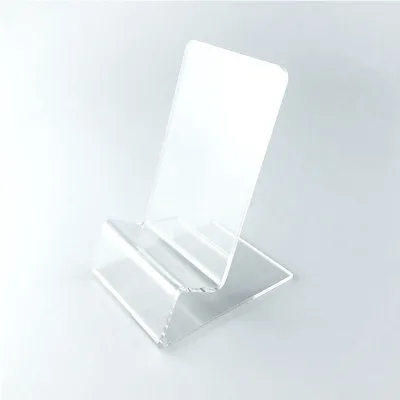


Custom Metal Pegboard Display Stand for Hanging Mobile Phone Accessories
$85.67 - $98.65
MOQ: 100 Sets

Custom Rotationg Floor Standing Metal Mobile Phone Accessories Display Stand
$177.00 - $199.00
MOQ: 100 Sets


Comprehensive Sourcing Guide
Custom Laser Logo Phone Stand Sourcing Guide
Procuring custom laser logo phone stands requires a disciplined approach to verifying both the mechanical integrity of the device and the precision of the branding application. Buyers must distinguish between generic stock items and truly customized solutions, as the latter involve specific manufacturing processes that impact lead times and minimum order quantities. The core value proposition lies in the ability to apply high-resolution logos without compromising the structural function of the holder, ensuring that the branding does not interfere with the phone's grip or stability.
This guide focuses on the specific attributes observed in current market listings, such as material composition, folding mechanisms, and installation methods. It provides a framework for evaluating supplier capabilities regarding laser engraving depth, color contrast, and durability under stress. By understanding the technical nuances of different phone stand types, from folding plastic units to silicone and metal hybrids, procurement teams can make informed decisions that balance cost efficiency with brand visibility. The following sections detail the critical checkpoints for quality assurance and commercial negotiation.
Product Scope and Observed Listing Signals
The market for phone stands encompasses a diverse range of form factors, primarily categorized by their installation method and material composition. Observed listings include folding plastic holders designed for home or office use, which often feature a compact size and lightweight construction. These units typically utilize ABS plastic and offer a foldable design for portability. In contrast, automotive-specific stands often employ suction cups or stick-on adhesives for attachment to instrument panels, requiring different material properties to withstand temperature fluctuations and vibration.
Another significant segment includes finger ring holders and U-shaped silicone stands, which offer a different user experience focused on grip and flexibility. These products often combine materials, such as silicone with metal components, to provide durability and a premium feel. Buyers should note that "customization" in this context usually refers to logo application rather than structural modification. The observed data indicates that while some products are sold in retail packaging, others are supplied in bulk OPP bags or carton boxes, which directly influences the final landed cost and the need for secondary packaging solutions.
Technical Specifications to Verify
When evaluating technical specifications, buyers must prioritize the mechanical limits of the stand, particularly its bearing capacity and stability. For folding stands, the unfolded degree and width are critical dimensions that determine compatibility with various phone sizes. A standard folding mechanism might unfold to a specific angle, such as 75 degrees, which affects the viewing angle and the surface area required for placement. Verifying the exact dimensions, such as the unit size and gross weight, ensures that the product fits within existing packaging constraints and shipping logistics.
Material specifications are equally important for ensuring longevity and safety. ABS plastic is a common raw material for folding stands, offering a balance of rigidity and cost-effectiveness. However, for automotive applications, the temperature range is a crucial specification, with some products rated to withstand extreme conditions. Buyers should request detailed material data sheets to confirm the raw materials used, especially for products claiming to be made from 100% silicone or metal. Additionally, the presence of adjustable supporting arms or flexible rotation features should be verified through physical samples to ensure they function as described.
Compliance and Safety Documentation
Compliance documentation is a non-negotiable aspect of sourcing consumer electronics accessories, particularly those intended for use in vehicles or near sensitive devices. While specific certification statuses vary by supplier, buyers should request evidence of testing against recognized safety standards. For instance, listings may reference standards such as SGS or TUV, which indicate that the product has undergone third-party inspection for material safety and performance. It is essential to verify that these certifications are current and applicable to the specific batch of goods being procured.
Beyond general safety, buyers must consider the chemical composition of the materials, especially for products that come into direct contact with users or are exposed to high temperatures. For silicone and metal hybrids, verifying the absence of harmful substances is critical. Additionally, for automotive stands, the adhesive or suction mechanism must be tested for durability under varying environmental conditions. Requesting test reports that detail the temperature range and stress load capacity helps mitigate the risk of product failure in the field, ensuring that the stand remains secure and functional throughout its intended lifespan.
Cost Drivers and Commercial Terms
The cost of custom laser logo phone stands is influenced by several key factors, including the complexity of the logo design, the material cost, and the volume of the order. Laser engraving is a precise process that can add to the per-unit cost, particularly if the logo requires multiple colors or intricate details. Buyers should clarify whether the quoted price includes the laser setup fee or if it is a one-time charge. Additionally, the type of packaging, whether it is a simple OPP bag or a retail gift box, significantly impacts the final price and the perceived value of the product.
Minimum order quantities (MOQ) are another critical commercial term that affects procurement strategy. Observed MOQs in the market range from 10 to 1000 units, which allows for flexibility in testing the market before committing to large volumes. However, lower MOQs often come with higher per-unit costs, while larger orders may qualify for volume discounts. Buyers should negotiate payment terms and lead times carefully, ensuring that the supplier can meet the required delivery schedule without compromising quality. Understanding the gross weight and packaging dimensions is also essential for calculating shipping costs accurately.
Supplier Qualification and Quality Control
Qualifying a supplier for custom phone stands involves assessing their manufacturing capabilities, quality control processes, and ability to handle customization requests. Buyers should request samples to evaluate the precision of the laser logo, ensuring that the engraving is clear, consistent, and durable. The supplier's ability to maintain quality across large production runs is a key indicator of their reliability. Additionally, verifying the supplier's origin, such as Shenzhen or Guangdong in China, can provide insights into their access to raw materials and manufacturing infrastructure.
Quality control should be a collaborative effort between the buyer and the supplier. Pre-production samples should be approved before mass production begins, and in-line inspections should be conducted during the manufacturing process. Buyers should also verify the supplier's packaging capabilities, ensuring that the products are protected during transit and presented in a manner that aligns with the brand's image. For products with specific installation methods, such as suction cups or stick-on adhesives, the supplier should provide detailed instructions and ensure that the adhesive is applied correctly to prevent peeling or detachment.
Long-Term Procurement Checks
Establishing a long-term procurement relationship with a phone stand supplier requires ongoing monitoring of quality, cost, and service levels. Buyers should conduct regular audits of the supplier's production facilities to ensure that they are maintaining the required standards and adhering to ethical labor practices. Additionally, tracking the performance of the products in the market, including customer feedback and return rates, provides valuable insights into the product's durability and user satisfaction. This data can be used to negotiate improvements in design or material quality in future orders.
Supply chain resilience is another critical factor in long-term procurement. Buyers should assess the supplier's ability to manage raw material fluctuations and production bottlenecks. Diversifying the supplier base can mitigate the risk of supply disruptions, but it also requires careful management of quality consistency across different manufacturers. Finally, staying informed about industry trends and technological advancements in phone stand design can help buyers stay competitive and offer innovative products to their customers. Regular communication with the supplier ensures that both parties are aligned on goals and expectations.
FAQs
Can I get a custom laser logo on the phone stand?
Yes, customization is available for the folding phone holder. You can choose from printing, debossing, or embossing the logo on the product surface. This service applies to the ABS plastic models and silicone metal variants listed in the catalog.
What materials are used for the custom phone stands?
The product range includes plastic models made from ABS raw materials. Some specific items like the finger ring holder are constructed from 100% silicone and metal. These materials ensure durability while supporting the requested customization features for branding.
Which certifications do the phone stand manufacturers hold?
The products listed meet SGS and TUV standards. These certifications verify the quality and safety of the folding phone holders and cell phone stands. Buyers can rely on these documented standards when sourcing from the Shenzhen-based factories for their specific needs.
How does the installation method vary for different models?
Installation options include suction cup mounts for car use and stick-on adhesive for instrument panels. Some models feature a finger ring design with a mating micro hook. The choice depends on whether you need a holder for a car or a home office setting.
What is the minimum order quantity for these phone holders?
The observed minimum order quantity ranges from 10 to 1000 pieces depending on the specific model. Packaging varies, with some cartons holding 100 pieces and others containing 500 pieces. Buyers should check the specific product model to confirm the exact MOQ requirements.
Can the phone stand be customized for specific sizes?
Customization is available for the folding phone holder and cell phone stands. While standard sizes like 38*21*6mm exist, the product attributes indicate that customization options are open. Buyers can request specific dimensions or features to match their unique product requirements.
Where are these phone stand products manufactured?
The products originate from Shenzhen, Guangdong, China. Multiple models including the QN028 and HV series are produced in this location. This regional origin is consistent across the listed items, ensuring a centralized supply chain for your sourcing needs.