Source Custom Panda Plush Toy Keychain for Gifts, Promos, and Retail
Source Custom Panda Plush Toy Keychain options from 30 verified listings. Compare specifications, certifications, and pricing to find the ideal soft, hand-made gift items for your brand.
Key considerations
Products List


Custom Stuffed Plush Business Gift Custom Plush Keyring Plushies Keychain
$2.60 - $3.00
MOQ: 100 Pieces




High Quality Custom Plush Toy Keyring Pendant Bear Animals Plush Keychain
$1.37 - $1.49
MOQ: 500 Pieces


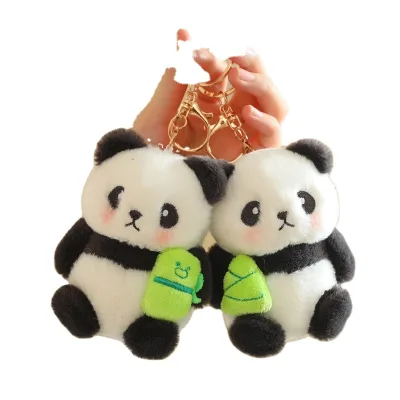
Factory Wholesale Cartoon Cute Panda Plush Stuffed Animal Toys Key Chain
$0.80 - $5.99
MOQ: 500 Pieces


Comprehensive Sourcing Guide
Custom Panda Plush Toy Keychain Sourcing Guide
Sourcing custom panda plush toy keychains requires a nuanced understanding of the intersection between soft toy manufacturing and accessory production. Buyers must navigate the specific material and structural demands of creating a plush item that functions as both a decorative gift and a durable keychain. The market offers a wide range of customization options, from the modeling source to the final packaging, allowing brands to tailor products for diverse audiences. However, the complexity lies in balancing aesthetic appeal with functional integrity, ensuring the plush component remains soft and comfortable while the keychain hardware withstands daily use.
This guide provides evidence-based procurement advice for buyers seeking to source these items from manufacturers, primarily located in regions like Jiangsu Yangzhou, China. It focuses on verifying technical specifications, ensuring compliance with international safety standards, and managing commercial terms effectively. By adhering to the observed listing signals and industry best practices, buyers can mitigate risks associated with quality inconsistencies, delayed deliveries, and non-compliant products. The following sections detail the critical steps for successful sourcing, emphasizing verification over assumption.
Product Scope and Observed Listing Signals
The product scope for custom panda plush keychains encompasses a variety of styles, including sitting and standing poses, with materials typically consisting of plush fabric filled with PP cotton or standard cotton. Listings indicate that customization is available for the modeling source, allowing for animal-based designs or custom creations, and the weight can be tailored to specific requirements. The observed price range in the market spans from $0.15 to $5.99 USD, reflecting significant variation based on material quality, size, and order volume. Buyers should note that the minimum order quantity (MOQ) ranges widely from 2 to 3,000 units, with specific listings citing MOQs of 500 or 1,000 pieces per design, which directly impacts initial investment and inventory planning.
Observed listing signals also highlight the importance of packaging and branding options. Products are often packed in polybags, color boxes, or display boxes, with carton quantities typically ranging from 30 to 40 pieces per carton. The ability to customize labels, hang tags, and customer logos is a standard feature, supporting brand identity and retail readiness. Additionally, the sample time for these items generally falls between 3 to 7 working days, providing a relatively quick turnaround for design approval. Buyers should verify these signals with potential suppliers, as variations in packing methods and sample lead times can affect logistics and time-to-market strategies.
Technical Specifications to Verify
Technical verification begins with the physical dimensions and structural integrity of the plush toy. Buyers must confirm the plush length, size classification (such as medium), and the specific type of panda design, whether it is a standard panda or a customized model. The filling material, often PP cotton, should be verified for density and resilience to ensure the toy maintains its shape over time. Additionally, the keychain attachment mechanism must be inspected for durability, as this is a critical point of failure for keychain products. The modeling source, whether based on animals or custom designs, should be clearly defined to avoid discrepancies between the sample and the final production run.
Further technical details include the production model codes, such as HW000000 or YD-K393, which serve as unique identifiers for specific product configurations. Buyers should request detailed specifications for these models, including carton sizes, which may vary (e.g., 544650cm), to optimize shipping costs and warehouse storage. The production time is another critical technical parameter, with estimates ranging from about 20 days to 40-60 days depending on order quantity. Understanding these timelines is essential for supply chain planning, especially when coordinating with marketing campaigns or seasonal sales events. Buyers should also verify the trade terms, such as FOB, CIF, DDP, or Express, to determine responsibility for shipping and insurance.
Compliance and Safety Documentation
Compliance is paramount when sourcing plush toys, particularly those intended for children aged 3-8 years. Buyers must ensure that products meet relevant safety standards, including ASTM, EN71, CPSIA, and REACH. These certifications verify that the materials used are free from harmful substances and that the toys are safe for their intended age group. The presence of BSCI and ISO9001 certifications indicates that the supplier adheres to ethical labor practices and quality management systems, which are crucial for maintaining brand reputation and ensuring consistent product quality. Buyers should request copies of these certificates and verify their validity with the issuing bodies.
In addition to certifications, buyers should verify the test results for the products, specifically looking for ASTM and EN71 test reports. These tests assess physical and mechanical properties, flammability, and chemical composition, providing assurance that the products meet international safety requirements. The production standard, which may be customized or based on specific sizes like 10cm, should also be aligned with the buyer’s market requirements. Buyers should not assume that all listed products satisfy every certification; instead, they should explicitly request documentation for each batch or product line to ensure ongoing compliance. This diligence helps prevent regulatory issues and protects consumers from potential hazards.
Cost Drivers and Commercial Terms
Cost drivers for custom panda plush keychains include material costs, labor, customization complexity, and order volume. The price range of $0.15 to $5.99 USD reflects these variables, with higher prices typically associated with more intricate designs, premium materials, or smaller order quantities. Buyers should analyze the cost structure to understand how changes in design or volume impact the final price. The payment terms, often structured as T/T with 30% or 50% in advance, are standard in the industry but require careful financial planning. Buyers should negotiate terms that align with their cash flow and risk tolerance, considering the supplier’s reputation and track record.
Commercial terms also encompass delivery times and shipping methods. With production times ranging from 20 to 60 days, buyers must plan for potential delays and factor these into their inventory management strategies. The trade terms, such as FOB, CIF, DDP, or Express, determine who bears the cost and risk of shipping. Buyers should choose the term that best suits their logistics capabilities and cost objectives. Additionally, the packing method, whether in polybags, color boxes, or display boxes, affects both the product’s presentation and shipping efficiency. Understanding these commercial terms allows buyers to make informed decisions that balance cost, quality, and delivery speed.
Supplier Qualification and Quality Control
Supplier qualification involves assessing the manufacturer’s capabilities, reputation, and quality control processes. Buyers should verify the supplier’s location, such as Jiangsu Yangzhou, which is known for its plush toy manufacturing industry. This regional expertise can be an advantage in terms of supply chain efficiency and product quality. Buyers should also evaluate the supplier’s ability to handle OEM/ODM requests, as this indicates flexibility and customization capabilities. The availability of customer logos and customized labels further supports the supplier’s ability to meet specific branding needs.
Quality control is essential to ensure that the final products meet the agreed-upon specifications. Buyers should implement a robust QC process, including pre-production samples, in-line inspections, and final random inspections. The sample time of 3-7 working days allows for timely feedback and adjustments before mass production begins. Buyers should also consider hiring third-party inspection services to verify product quality and compliance. By maintaining strict quality control standards, buyers can minimize the risk of defects and ensure customer satisfaction. This proactive approach helps build trust with suppliers and protects the brand’s reputation in the market.
Long-Term Procurement Checks
Long-term procurement checks involve continuous monitoring of supplier performance, product quality, and market trends. Buyers should establish key performance indicators (KPIs) to evaluate suppliers based on delivery times, product quality, and responsiveness. Regular audits and reviews can help identify areas for improvement and ensure that suppliers remain aligned with the buyer’s standards. Additionally, buyers should stay informed about changes in safety regulations and market demands, adapting their sourcing strategies accordingly. This ongoing diligence helps maintain a competitive edge and ensures the long-term success of the product line.
Building a strong relationship with suppliers is also crucial for long-term success. Open communication, mutual respect, and collaborative problem-solving can lead to better pricing, priority production, and innovative solutions. Buyers should consider developing a diversified supplier base to mitigate risks associated with single-source dependencies. By fostering strong supplier relationships and maintaining rigorous quality control, buyers can create a resilient and efficient supply chain. This strategic approach not only supports current procurement needs but also positions the buyer for future growth and adaptation in the dynamic plush toy market.
FAQs
What is the typical production time for custom panda plush toy keychains
Production time is approximately 20 days, though this can vary based on the specific order quantity. Buyers should confirm the exact timeline with the supplier during the quotation phase to ensure it aligns with their inventory planning and launch schedules.
What certifications are available for custom panda plush toy keychains
Available certifications include CE, En71, ASTM, CPSIA, and Reach. These standards ensure the products meet international safety requirements for toys and plush items, which is essential for selling in regulated markets like Europe and North America.
Can I customize the logo and packaging for plush keychains
Yes, you can customize the logo, label, and hang tag to match your brand identity. Packaging options include polybags, color boxes, or display boxes, allowing for tailored presentation that enhances the unboxing experience for end consumers.
What is the minimum order quantity for custom plush keychains
The minimum order quantity is typically 500 pieces per design, though some suppliers may require 1000 pieces depending on the complexity. This threshold ensures efficient production runs and helps maintain consistent quality across the entire batch.
How long does it take to receive a sample of a custom keychain
Sample preparation usually takes between 3 and 7 working days. This period allows the manufacturer to create a physical prototype for your approval, ensuring the design, size, and materials meet your specifications before mass production begins.
What materials are used in custom panda plush toy keychains
These keychains are primarily made from plush fabric with PP cotton or cotton filling. The soft, comfortable material ensures durability and a pleasant tactile experience, making them suitable for children aged 3 to 8 years and general gift purposes.
What are the standard trade terms for shipping plush keychains
Common trade terms include FOB, CIF, DDP, and Express. Buyers can select the term that best fits their logistics needs, with FOB being popular for international shipments where the buyer arranges freight and insurance.