Source Custom Photo Frame Keychain for gifts, promotions, and souvenirs
Find 30 listings for Custom Photo Frame Keychain options including acrylic, zinc alloy, and digital models. Buyers can compare MOQs, customization features, and usage scenarios across multiple suppliers to select the right product.
Key considerations
Products List


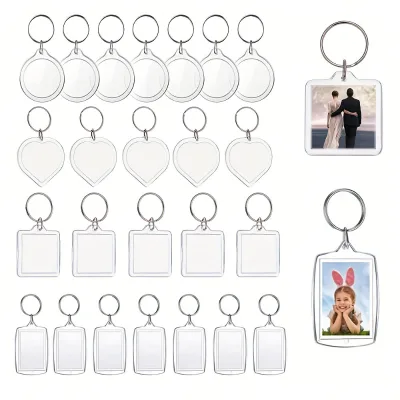
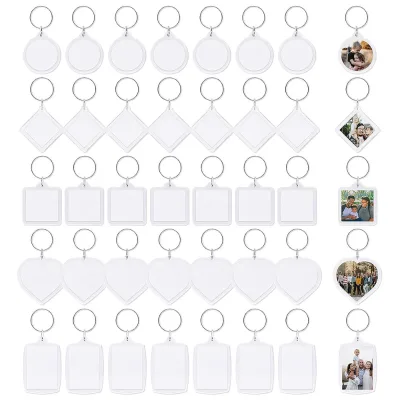
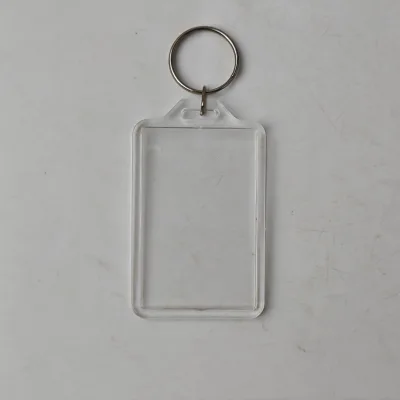
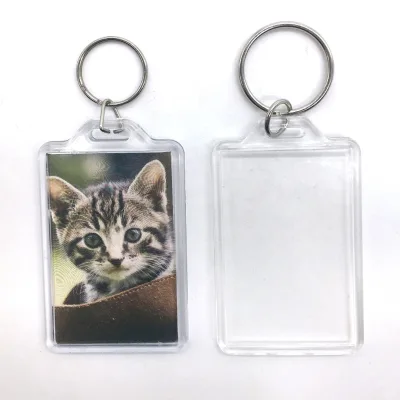
Fashionable Photo Frame Design Key Accessories with Customized for Gift
$0.20 - $0.50
MOQ: 2000 Pieces











Comprehensive Sourcing Guide
Strategic Sourcing Guide for Custom Photo Frame Keychains
Understanding Product Variants and Material Composition
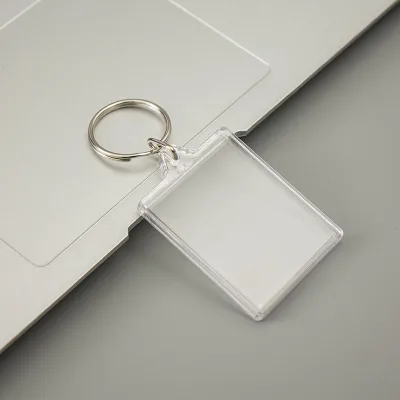
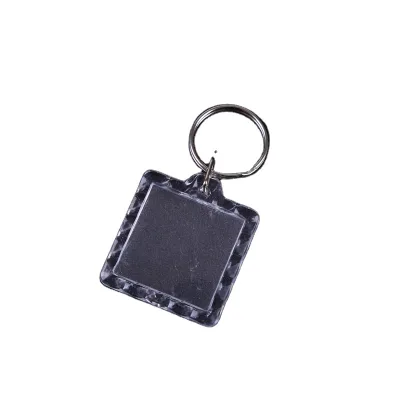
When sourcing custom photo frame keychains, buyers must first navigate the distinct material and functional categories available in the current market. The product landscape is not monolithic; it comprises items ranging from simple acrylic cutouts to complex metal assemblies with integrated digital capabilities. A primary observation in the current supply base is the prevalence of acrylic as a core material. Acrylic keychains are frequently marketed for their clarity, lightweight nature, and suitability for high-definition printing. These items often feature a "Business" or "Cute" style, catering to diverse corporate branding needs or consumer gift markets. The manufacturing process for these acrylic units typically involves die-cutting or precision cutting to achieve specific shapes, such as cartoon patterns or standard rectangular frames.
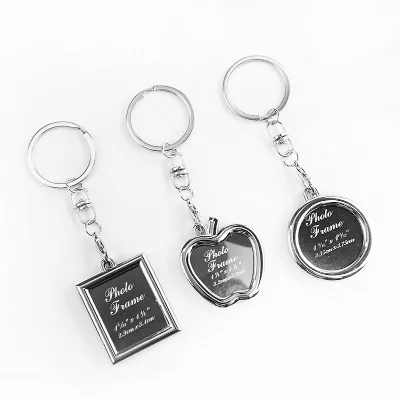
In contrast, a significant segment of the market offers metal-based solutions. These products utilize zinc alloy as the primary metal type, often subjected to polished surface treatments to enhance aesthetic appeal and durability. Unlike the acrylic variants, metal keychains are frequently designed with a "Business" style, making them ideal for corporate events, trade shows, and high-end promotional campaigns. The processing methods for these metal items can include die-casting, which allows for intricate detailing and structural integrity. Furthermore, the market includes hybrid digital solutions, such as digital photo keychains that support SD memory cards or feature USB connectivity. These advanced units distinguish themselves with features like "HD" display capabilities and "Portable" designs, moving beyond simple physical frames to interactive memory storage devices.
The functional scope of these products is equally varied. While many items are explicitly labeled for "Photo Frame" usage, others serve a dual purpose as "Promotion Gifts" or "Coin Holders." Some models are even engineered to support specific image formats like JPG and offer language support in English or Chinese, indicating a level of customization that extends to software or display interfaces. Buyers must carefully distinguish between a static acrylic frame and a functional digital device, as the sourcing requirements, technical specifications, and cost structures differ radically between these categories. The presence of "Universal" suitability in some listings suggests a design that accommodates various photo sizes, whereas other models may require specific dimensions to fit the frame mechanism.
Technical Specifications and Customization Parameters
Technical due diligence is paramount when selecting a Custom Photo Frame Keychain, as the specifications directly impact the final product's utility and brand alignment. The customization landscape is extensive, with many suppliers offering "Customized" options across multiple dimensions. One of the most critical specifications is the physical size. Listings indicate that size is often a variable parameter, with some models offering "Customized" dimensions to fit specific photo requirements. For standard units, single package sizes might be as compact as 5x2x2 cm, which is crucial for logistics planning and packaging efficiency. However, for larger or more complex metal units, dimensions will vary significantly based on the die-casting mold used.
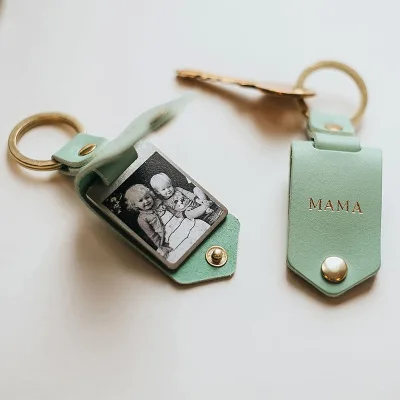
The production model number serves as a unique identifier for specific product iterations. For instance, models such as KRR-002, KRR-009, and KRR-005 represent distinct acrylic or metal configurations, while others like "Leather Photo Keychain-062O" or "Delicated Photo Keychain-079C" denote specialized finishes or hybrid materials. Buyers should verify the exact model number against their design requirements, as the model often dictates the available printing methods, such as offset printing, and the compatibility with specific image formats. The "OEM" (Original Equipment Manufacturer) capability is a standard feature in this sector, allowing buyers to imprint their logos or designs onto the product. However, the extent of this customization—whether it is limited to the back of the keychain or extends to the frame design itself—must be confirmed with the supplier.
Another critical technical aspect is the memory and digital support. For digital photo keychains, the type of memory card supported (e.g., SD) and the absence of memory cards in standard analog models are defining characteristics. Some units are explicitly marked as having "No" memory card support, confirming their status as purely decorative or mechanical frames. The "Function" attribute is also a key differentiator; while some products offer "Single Function" utility, others may boast multiple capabilities. Buyers must ensure that the technical specifications align with the intended use case, whether it is a simple souvenir or a functional digital photo viewer. The "Feature" attribute, such as "Eco-Friendly" or "HD," should be treated as a product observation rather than a universal guarantee, requiring specific verification during the sampling phase.
Compliance, Certification, and Quality Standards
Navigating the compliance and certification landscape is essential for ensuring that sourced photo frame keychains meet international safety and quality expectations. The supply base includes products that reference specific standards, such as "SGS," which is a recognized global inspection, verification, testing, and certification company. The presence of an SGS standard in product listings suggests that the manufacturer has undergone third-party testing for quality or safety. However, buyers must verify the specific scope of this certification. Does it cover material safety, such as lead content in the zinc alloy, or does it pertain to the manufacturing process quality management? Relying on a generic mention of a standard without a valid certificate can pose risks, particularly for products intended for children or sensitive markets.
For metal-based keychains, the "Metal Type" and "Surface Treatment" are critical compliance factors. Zinc alloy is a common material, but the polishing process and the chemicals used in surface treatment must adhere to environmental and safety regulations, such as REACH or RoHS, depending on the destination market. The "Eco-Friendly" feature mentioned in some listings implies a commitment to sustainable materials or processes, but this claim requires substantiation. Buyers should request documentation proving that the acrylic or metal components are free from harmful substances and that the manufacturing process minimizes environmental impact. The "Standard" attribute of "customized" in some listings indicates that the product may not adhere to a rigid international standard but rather to a specific agreement between the buyer and supplier. In such cases, the buyer must define the quality parameters and testing protocols in the purchase agreement.
Quality assurance also extends to the printing and finishing processes. For acrylic keychains, the "Offset Printing" method must produce high-resolution images that do not fade or peel. The "HD" feature in digital models suggests a high-resolution display, but the longevity of the screen and the durability of the casing under daily use must be tested. The "Quality" attribute of "Best" is a subjective claim and should not be taken as a factual guarantee. Instead, buyers should establish objective quality metrics, such as tensile strength for metal chains, scratch resistance for acrylic surfaces, and the accuracy of the digital display. Regular quality audits and the requirement for pre-shipment inspection reports are necessary to mitigate the risk of receiving substandard goods.
Cost Drivers and Pricing Structures
The pricing structure for custom photo frame keychains is influenced by a complex interplay of material costs, customization levels, and order volume. The observed price range in the market spans from $0.01 to $6.00, a wide spectrum that reflects the diversity of product types. The lower end of this range typically corresponds to simple acrylic keychains with minimal customization and high-volume production. These items benefit from economies of scale, where the cost per unit drops significantly as the order quantity increases. Conversely, the higher end of the price range is associated with metal keychains, digital photo keychains, or products with complex customization requirements. The use of zinc alloy, polished surface treatments, and integrated digital components inherently drives up the material and manufacturing costs.
Order Volume is a primary driver of unit cost, as evidenced by the Minimum Order Quantity (MOQ) variations in the market. MOQs can range from as low as 1 piece for sampling purposes to as high as 10,000 pieces for mass production. Some listings specify an MOQ of 2,000 pieces, while others require 500 or 10,000 pieces. Buyers must align their order volume with the supplier's MOQ to achieve the most competitive pricing. Ordering below the MOQ often results in a significantly higher unit price or may not be feasible at all. The "MOQ" of 10,000 for certain digital models suggests that these products are designed for large-scale corporate campaigns, where the high initial investment is amortized over a large number of units.
Customization is another significant cost factor. While "Customization" is listed as "Available," the extent of this service impacts the price. Custom molds for die-casting metal keychains involve upfront tooling costs, which are often amortized over the order quantity. Similarly, custom printing on acrylic or metal surfaces may incur setup fees. The "Sample L/T" (Lead Time) of 5 to 7 days indicates that samples can be produced relatively quickly, but the cost of these samples is often higher than the mass production unit price. Buyers should factor in the cost of samples and the potential need for multiple iterations to finalize the design. Payment terms, such as a 30% deposit via T/T and a 70% balance before shipment, are standard in the industry and affect cash flow management. Understanding these cost drivers allows buyers to negotiate effectively and budget accurately for their procurement projects.
Supplier Evaluation and Operational Capabilities
Evaluating suppliers for custom photo frame keychains requires a comprehensive assessment of their operational capabilities, production capacity, and reliability. The supply base is primarily located in China, a major manufacturing hub for this category of products. Buyers should verify the supplier's origin and ensure they have the necessary infrastructure to handle the specific production requirements of their order. The "Processing" methods, such as die-casting for metal or cutting for acrylic, require specialized machinery and skilled labor. Suppliers with in-house capabilities for these processes can offer better quality control and faster turnaround times compared to those that outsource production.
Lead time is a critical operational metric that buyers must consider. The observed sample lead time ranges from 5 to 7 days, but the full production lead time will depend on the order volume and complexity. Suppliers with a track record of meeting deadlines are preferable, as delays can disrupt marketing campaigns or event schedules. The "Sample L/T" of 7 days suggests a relatively efficient sampling process, but buyers should confirm the production lead time for the full order. Additionally, the "Package" specification, such as "OPP Bag," indicates the standard packaging method, but buyers may require custom packaging for branding purposes. The supplier's ability to accommodate custom packaging requests should be evaluated during the sourcing process.
Quality control is another vital aspect of supplier evaluation. Buyers should inquire about the supplier's quality assurance protocols, including in-process inspections and final quality checks. The "Standard" of "SGS" or "customized" should be backed by tangible evidence, such as test reports or certificates. Suppliers that are transparent about their quality control processes and willing to share inspection reports are more likely to deliver consistent results. The "OEM" capability of the supplier should also be verified, ensuring they have the experience and equipment to handle custom branding and design requirements. Finally, the supplier's communication and responsiveness are key indicators of their reliability. A supplier that is proactive in addressing questions and providing updates is essential for a smooth procurement experience.
Typical Applications and Long-Term Procurement Strategy
Custom photo frame keychains serve a wide array of applications, making them a versatile choice for various industries. The primary use cases include "Promotion Gifts" for corporate events, trade shows, and marketing campaigns. The "Business" style and "Eco-Friendly" features make these items particularly suitable for corporate gifting, where brand image and sustainability are important considerations. The "Photo Frame" functionality allows companies to personalize the keychains with event photos, employee portraits, or brand imagery, enhancing the emotional connection with the recipient. Additionally, these keychains can be used as "Coin Holders" or general accessories, expanding their utility beyond simple branding.
For long-term procurement, buyers should develop a strategic approach that balances cost, quality, and flexibility. Establishing a relationship with a reliable supplier is crucial for maintaining consistency in product quality and pricing. Buyers should consider placing recurring orders to leverage volume discounts and build a production schedule that aligns with their marketing calendar. The ability to customize the product for different campaigns or events is a significant advantage, allowing companies to refresh their branding without changing the core product. However, buyers must remain vigilant about supply chain risks, such as material price fluctuations or production delays. Regular communication with the supplier and maintaining a buffer stock can help mitigate these risks.
The "Digital Photo Keychain" segment offers unique opportunities for long-term engagement. These devices can be updated with new photos or content, providing a dynamic way to maintain brand visibility. Buyers should consider the lifecycle of these digital products, including battery life, memory capacity, and software updates. For standard acrylic or metal keychains, the focus should be on durability and design longevity. By understanding the specific applications and long-term needs of their organization, buyers can make informed decisions that maximize the value of their procurement investment. The versatility of custom photo frame keychains ensures they remain a relevant and effective tool for brand promotion and customer engagement in the years to come.
FAQs
What materials are used for custom photo frame keychains?
Acrylic and zinc alloy are the primary materials used for these keychains. Acrylic units offer clarity and lightweight properties, while zinc alloy options feature polished surfaces for a business style suitable for corporate events.
Can I customize the size and design of the keychain?
Yes, customization is available for size, design, and printing methods like offset printing. Buyers can request specific dimensions or cartoon patterns, though tooling costs may apply for complex die-casting molds.
What is the typical minimum order quantity for these products?
The minimum order quantity varies by model, ranging from 500 to 10,000 pieces. Simple acrylic frames may require 500 units, while digital models with memory card support often have an MOQ of 10,000.
How long does it take to receive a sample?
Sample lead times typically range from 5 to 7 days depending on the specific model. This allows buyers to verify quality and design before committing to a larger production run with a 30% deposit.
Which certifications or standards apply to these keychains?
Some products reference SGS standards for quality and safety verification. Buyers should request specific documentation to confirm compliance with environmental regulations, especially for zinc alloy items with polished surface treatments.
Are digital photo keychains available with memory card support?
Yes, digital photo keychains exist that support SD memory cards and feature HD displays. However, many standard analog models do not include memory cards and function solely as physical photo frames.