Source Custom Pattern Green Tennis Ball for Training, Competition, and Play
Compare 30 listings for Custom Pattern Green Tennis Ball options suitable for training, competition, and interactive play. Buyers can evaluate specifications like diameter, weight, and bounce height from verified manufacturers in China.
Key considerations
Products List


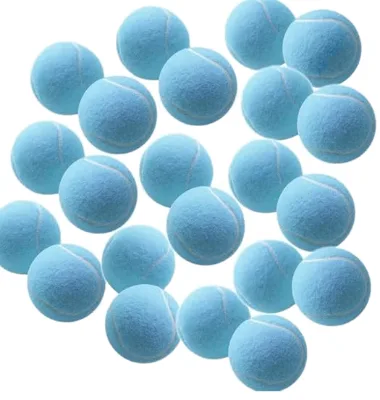


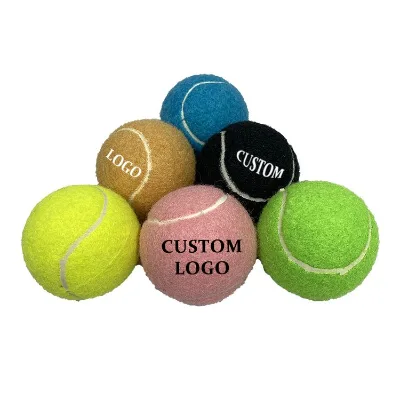
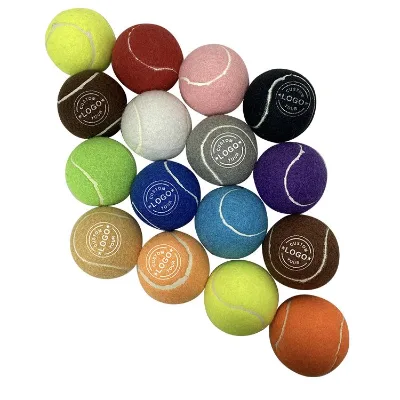
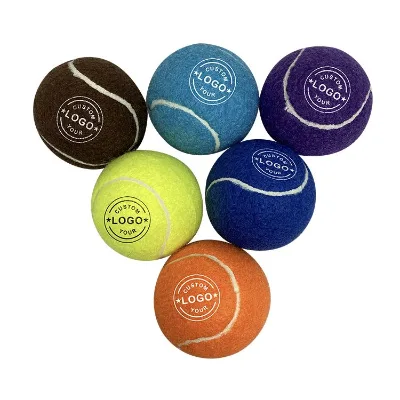
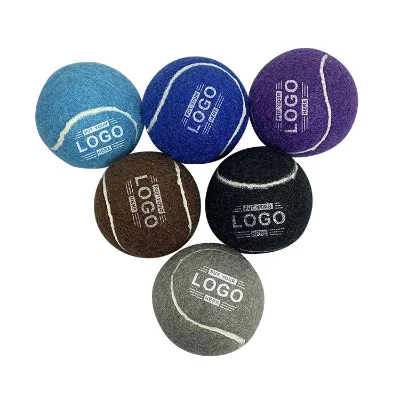
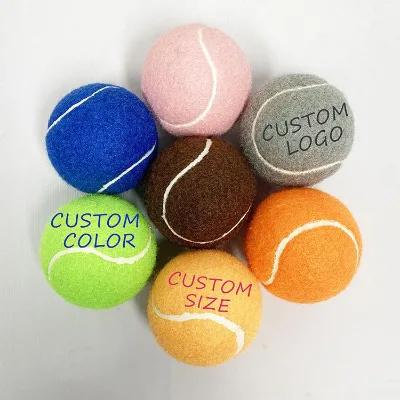

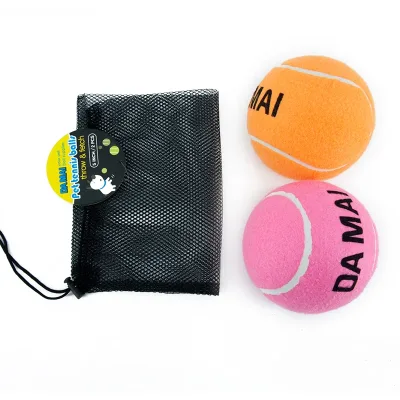

Cheap Custom Color Black Green Pink Blue Table Tennis Balls for Promotion
$0.08 - $0.09
MOQ: 3000 Pieces


Comprehensive Sourcing Guide
Custom Pattern Green Tennis Ball Sourcing Guide
Sourcing custom pattern green tennis balls requires a nuanced understanding of the distinction between standard competition-grade equipment and specialized training or novelty variants. While the global tennis industry is dominated by yellow balls for visibility, green variants are frequently utilized for specific training drills, low-visibility environments, or branded promotional campaigns. Buyers must navigate a market where "green" may refer to a specific dye lot, a faded appearance, or a proprietary colorway designed for brand alignment. The procurement process involves verifying that the custom pattern does not compromise the aerodynamic stability or bounce consistency required for serious play, while ensuring the visual customization meets the brand’s aesthetic standards.
This guide focuses on the technical and commercial realities of sourcing these specialized balls. It addresses the critical verification steps necessary to ensure that the product meets both performance expectations and regulatory requirements. By examining the observed market signals, technical specifications, and supplier qualifications, buyers can mitigate the risks associated with custom orders. The goal is to provide a structured approach to evaluating suppliers who offer both the manufacturing capability for custom colors and the quality control necessary to maintain ball integrity.
Product Scope and Observed Listing Signals
The current market landscape for tennis balls reveals a diverse range of products, from high-performance competition balls to specialized training aids and pet toys. Observed listings indicate a wide price range, typically between $0.08 and $10 per unit, reflecting significant variations in material quality, brand reputation, and customization depth. The minimum order quantity (MOQ) also varies drastically, ranging from single pieces for sampling to 5,000 units for bulk production. This disparity suggests that buyers must clearly define their volume requirements early in the sourcing process to avoid being quoted for premium small-batch services when bulk pricing is applicable, or vice versa.
Specific product attributes observed in the market highlight the importance of precise categorization. For instance, some listings specify materials such as polyester, wool, and rubber blends, which are typical for durable training balls, while others may use simpler rubber constructions for novelty or pet use. Customization options, including logos and specific colors like pink, blue, red, and orange, are widely available, indicating that green is a feasible custom request. However, buyers should note that "green" is not a standard competitive color, so verification of the exact shade and pattern consistency is essential. The presence of features like shock absorption and high elasticity in training models further distinguishes them from standard play balls, requiring buyers to align their product choice with the intended use case.
Technical Specifications to Verify
Verifying the physical dimensions and weight of the tennis ball is the first critical step in ensuring compatibility with standard equipment and regulations. Standard tennis balls typically have a diameter of approximately 68.6 mm and a weight around 56 to 60 grams. However, observed listings show variations, such as a diameter of 64 mm for certain models or specific standards like 6.3 cm. Buyers must confirm that the custom green ball adheres to the diameter and weight tolerances required for their specific application, whether it is official competition, casual play, or training. Deviations in these dimensions can significantly affect the ball’s flight path and bounce, leading to inconsistent performance.
The bounce height and material composition are equally important technical factors to validate. Observed data indicates bounce heights ranging from 1.37 to 1.45 meters for some training balls, while others specify a bounce of 125-135 cm. These variations suggest that different pressure levels or core materials are used across the market. Buyers should request detailed material specifications, such as the ratio of felt to rubber core, to understand the durability and play characteristics. Additionally, the presence of custom patterns or logos should not interfere with the ball’s surface texture, as this can impact grip and aerodynamics. Confirming these specifications with the supplier before placing an order is crucial to avoid receiving products that do not meet performance expectations.
Compliance and Safety Documentation
Ensuring that the tennis balls comply with relevant safety and quality standards is essential, particularly if the product is intended for children or professional use. While specific certification requirements can vary by region and end-use, buyers should verify that the supplier holds recognized quality management certifications, such as ISO 9001, which indicates a structured approach to manufacturing consistency. Additionally, social compliance certifications like BSCI may be relevant for buyers with strict ethical sourcing policies. These certifications provide assurance that the manufacturing process adheres to international standards for quality and labor practices, reducing the risk of supply chain disruptions due to non-compliance.
For products intended for younger audiences or pet interaction, safety documentation regarding material toxicity and durability becomes paramount. Buyers should request test reports or declarations of conformity that confirm the absence of harmful substances in the rubber, felt, and dyes used. The custom green dye, in particular, should be verified to be non-toxic and fade-resistant, ensuring that it does not pose a health risk if ingested or if it transfers to clothing or equipment. Furthermore, if the ball is marketed for pet use, specific safety standards regarding chew resistance and choking hazards should be reviewed. Obtaining these documents from the supplier prior to production ensures that the final product meets all necessary regulatory requirements for the target market.
Cost Drivers and Commercial Terms
The cost of custom pattern green tennis balls is influenced by several key factors, including material selection, order volume, and the complexity of the customization. Higher-quality materials, such as premium wool blends or specialized rubber compounds, will naturally increase the unit price. Similarly, the complexity of the custom pattern, whether it involves simple color changes or intricate logo printing, can affect production costs. Buyers should expect a correlation between price and quality, with lower-priced options potentially using inferior materials that may not withstand rigorous training or competition. Understanding these cost drivers allows buyers to make informed decisions about where to allocate their budget for optimal value.
Commercial terms, including minimum order quantities and payment conditions, play a significant role in the overall procurement strategy. Observed MOQs range from 1 piece for samples to 3,000 or 5,000 pieces for bulk orders, indicating that suppliers may offer flexible terms for initial trials. Buyers should negotiate clear payment terms, such as a deposit followed by balance upon shipment, to mitigate financial risk. Additionally, lead times and shipping costs should be factored into the total cost analysis, as custom production may require longer manufacturing periods. Clarifying these terms early in the negotiation process helps in planning inventory levels and cash flow, ensuring a smooth procurement experience.
Supplier Qualification and Quality Control
Evaluating the supplier’s manufacturing capabilities and quality control processes is vital to ensuring consistent product quality. Buyers should verify that the supplier has a dedicated factory, as indicated by some listings, which suggests greater control over the production process compared to trading companies. This direct manufacturing capability often translates to better quality assurance and more responsive communication. Additionally, suppliers should provide samples for evaluation, allowing buyers to assess the ball’s feel, bounce, and color accuracy before committing to a large order. The availability of free samples is a positive indicator of supplier confidence in their product quality.
Quality control measures should be clearly defined and agreed upon before production begins. Buyers should inquire about the supplier’s inspection protocols, including in-process checks and final random inspections. It is advisable to request a detailed quality control plan that outlines the criteria for acceptance, such as tolerance levels for weight and diameter variations. Furthermore, buyers should consider engaging third-party inspection services for large orders to independently verify that the products meet the agreed-upon specifications. Establishing a robust quality control framework helps to minimize the risk of receiving defective goods and ensures that the custom green tennis balls meet the buyer’s standards for performance and appearance.
Long-Term Procurement Checks
Establishing a long-term relationship with a reliable supplier requires ongoing monitoring and periodic re-evaluation of performance. Buyers should track key performance indicators such as on-time delivery rates, defect rates, and responsiveness to issues. Consistent quality over multiple orders is a strong indicator of a supplier’s reliability and commitment to excellence. Additionally, buyers should maintain open communication with the supplier to address any emerging concerns or changes in market conditions. Regular feedback loops can help to refine the product specifications and improve the overall procurement process over time.
As market trends and regulatory requirements evolve, buyers must stay informed about any changes that may impact their sourcing strategy. This includes monitoring updates to safety standards, environmental regulations, and industry best practices for tennis ball manufacturing. Buyers should also remain vigilant about potential supply chain disruptions and diversify their supplier base if necessary to mitigate risk. By maintaining a proactive approach to supplier management and staying informed about industry developments, buyers can ensure a stable and efficient supply of custom pattern green tennis balls for their specific needs.
FAQs
Can I get a customized logo on these tennis balls?
Yes, customized logos are available for both training and pet tennis balls. You can request specific branding on the product surface, and the factory supports customization for various colors including pink, blue, red, and orange options to match your design needs.
What are the standard dimensions for these tennis balls?
Standard diameters vary by product type, with training balls measuring 68.6mm and 64mm, while pet balls range from 4.7cm to 9.0cm. The standard specification often references 6.3cm for certain models, ensuring they meet general play and training requirements for different age groups.
Which certifications do the manufacturers hold for production?
Manufacturers hold BSCI and ISO9001 certifications to ensure quality and ethical production standards. These credentials verify that the factories producing polyester, wool, rubber, and rubber-only balls adhere to international safety and management protocols for both training and pet applications.
How does the bounce height compare between product types?
Training tennis balls typically rebound between 1.37 to 1.45 meters or 135cm, while other models show a bounce height of 125 to 135cm. This elasticity ensures the balls are suitable for racing, entertainment, and interactive training purposes for dogs or human athletes.
What is the minimum order quantity for custom orders?
Minimum order quantities vary significantly, ranging from 1 piece for samples to 3000 pieces for bulk production. Some suppliers offer free samples, while others require a higher MOQ, so you must check specific factory requirements before placing a large order for custom patterns.
Where are these tennis balls manufactured and shipped from?
Products originate from factories located in Anhui and Zhejiang, China. These regions supply various types of tennis balls, including training and pet models, with packaging options like corrugated cartons or rope bags to ensure safe delivery to international buyers.
What materials are used to make these tennis balls?
Materials include a blend of polyester, wool, and rubber for training balls, while pet balls often use rubber. These durable materials provide shock absorption and high elasticity, making them ideal for teething relief, interactive training, and long-term use in various environments.