Source Custom Printed Eco-Friendly Bamboo Chopsticks for Restaurants, Sushi Bars, and Home Dining
Find and compare 30 listings for custom printed eco-friendly bamboo chopsticks tailored for restaurants, sushi bars, and home dining. Options include various lengths, diameters, and packaging styles with FDA and LFGB certifications.
Key considerations
Products List


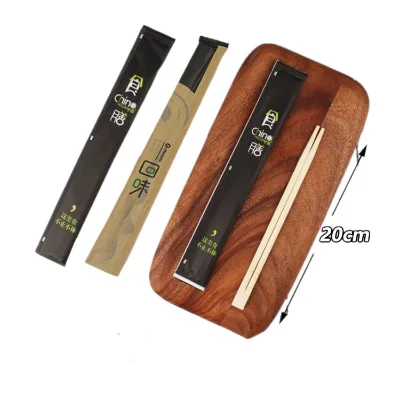
Natural Individually Logo Printed Paper Chopstick Sleeve Bamboo Chopsticks
$20.00 - $35.00
MOQ: 50 Boxes

OEM Environmental Custom Packed Chopsticks Natural Bamboo Disposable Chopsticks
$20.00 - $35.00
MOQ: 50 Boxes

High Quality Custom Printed Chopsticks Wrapped Bamboo Chopsticks with Individual Package
$0.01 - $0.01
MOQ: 100000 Pieces




Comprehensive Sourcing Guide
Custom Printed Eco-Friendly Bamboo Chopsticks Sourcing Guide
Sourcing custom printed eco-friendly bamboo chopsticks requires a strategic balance between aesthetic branding, material integrity, and regulatory compliance. These utensils are widely utilized in sushi restaurants, casual dining establishments, and home settings, serving as both functional tableware and a vehicle for brand visibility. The market offers a variety of configurations, from naked, unprinted pairs to those wrapped in branded paper sleeves or packaged in full paper boxes. Buyers must navigate a landscape where "eco-friendly" is a common marketing term, necessitating rigorous verification of actual material composition and processing methods to ensure the product aligns with sustainability claims and consumer expectations.
The procurement process involves selecting specific dimensions, surface finishes, and packaging formats that suit the target market’s operational needs. Observed listings indicate a strong preference for customizable options, including logo printing and varied packaging styles such as OPP bags, sleeve papers, or export cartons. Understanding the technical nuances of bamboo grade, thickness, and length is critical for ensuring durability and user experience. Furthermore, buyers must establish clear commercial terms regarding minimum order quantities (MOQs) and lead times, as these factors significantly impact inventory management and cash flow for both small-scale retailers and large-scale distributors.
Product Scope and Observed Listing Signals
The product scope for custom bamboo chopsticks encompasses a wide range of specifications, primarily defined by length, diameter, and surface treatment. Common lengths observed in the market include 19.5cm, 20cm, 21cm, 22cm, 23cm, and 24cm, with diameters typically ranging from 4.5mm to 6.0mm. These variations cater to different culinary traditions, such as Japanese sushi service, which often favors shorter, thinner chopsticks, while Western or general dining settings may prefer longer, sturdier pairs. The material is predominantly Grade A bamboo, though some suppliers offer Mao bamboo or wood alternatives. Buyers should verify the exact material source, as "bamboo" can sometimes refer to blended or lower-grade composites if not explicitly defined.
Packaging and customization options are significant differentiators in this category. Listings frequently highlight the ability to customize logos, with packaging ranging from naked pairs to those wrapped in printed paper sleeves or full paper boxes. Standard packing configurations include 100 pairs per bag, with 30 bags per export carton, resulting in a total of 3,000 pairs per carton. Some suppliers offer bulk packing by sea, which is cost-effective for large orders. The "eco-friendly" attribute is often linked to the use of natural bamboo and paper-based packaging, but buyers must confirm that adhesives, inks, and any protective coatings used in the printing process are also compliant with food safety standards to maintain the integrity of the eco-friendly claim.
Technical Specifications to Verify
Verifying technical specifications is essential to ensure the chopsticks meet functional requirements and quality expectations. Key parameters include the precise length and diameter, which affect grip and usability. For instance, a standard size might be 210mm in length with a 4.8mm diameter, or 200mm with a 5.0mm diameter. Buyers should request physical samples to assess the smoothness of the surface, the absence of splinters, and the uniformity of the shape, which is often described as "round twin." The thickness of the bamboo wall is also critical; thicker diameters provide greater durability but may feel cumbersome, while thinner ones offer elegance but may be prone to breaking.
The grade of the bamboo material directly influences the product's appearance and longevity. Grade A bamboo is typically characterized by a smooth, consistent grain and minimal knots, whereas lower grades may exhibit more imperfections. Buyers should verify if the bamboo is treated with any chemicals to prevent mold or insect damage, as this impacts both safety and the "eco-friendly" status. Additionally, the shelf life of the product should be confirmed, with many suppliers offering a minimum of 24 months. Understanding the storage conditions required to maintain this shelf life, such as humidity control, is also important for buyers managing large inventories.
Compliance and Safety Documentation
Compliance with international food safety standards is non-negotiable for bamboo chopsticks intended for consumer use. Key certifications to verify include FDA (U.S. Food and Drug Administration), LFGB (German Food and Feed Code), and CE/EU marks, which indicate adherence to strict safety and hygiene regulations. Some suppliers may also hold CIQ (China Inspection and Quarantine) or EEC (European Economic Community) certifications, which are relevant for exports to specific markets. Buyers must request valid certificates and verify their authenticity with the issuing bodies to ensure that the products have undergone rigorous testing for heavy metals, formaldehyde, and other harmful substances.
Beyond product-specific certifications, buyers should inquire about the sourcing and processing standards that support the "eco-friendly" claim. While FSC (Forest Stewardship Council) certification is a trusted standard for sustainable forestry, it is often listed as background information rather than a guaranteed attribute for every product. Buyers should ask for documentation that proves the bamboo is sourced from managed forests and that the manufacturing process minimizes environmental impact. This includes verifying that the inks used for logo printing are non-toxic and water-based, and that any packaging materials are recyclable or biodegradable.
Cost Drivers and Commercial Terms
Several factors influence the cost of custom printed bamboo chopsticks, including material quality, customization complexity, and order volume. The price range observed in the market is typically between $0 and $35 per unit, depending on the specifications and packaging. Higher costs are associated with premium Grade A bamboo, intricate logo printing, and specialized packaging like full paper boxes. Minimum Order Quantities (MOQs) vary widely, from as low as 1 piece for samples to 300,000 pieces for large bulk orders. Buyers should negotiate MOQs based on their sales volume and storage capacity, considering that smaller orders may incur higher per-unit costs.
Commercial terms also play a significant role in the total cost of ownership. Buyers should clarify whether the quoted price includes packaging, logo printing, and shipping costs. Payment terms, such as deposits and balance payments, should be agreed upon in advance to mitigate financial risk. Additionally, lead times can vary based on the complexity of the customization and the supplier's production schedule. Buyers should plan for potential delays, especially during peak seasons, and consider the cost of air freight versus sea freight for urgent or large orders. Understanding these variables helps in creating a realistic budget and avoiding unexpected expenses.
Supplier Qualification and Quality Control
Selecting a reliable supplier is crucial for ensuring consistent quality and timely delivery. Buyers should conduct thorough due diligence, including verifying the supplier's business license, production capacity, and export history. Suppliers located in regions like Hunan, China, are known for their bamboo processing expertise, but buyers should still assess the specific factory's capabilities. Requesting references from other clients and reviewing online feedback can provide insights into the supplier's reliability and customer service. It is also advisable to visit the factory or hire a third-party inspection service to verify production standards and working conditions.
Quality control measures should be established before placing large orders. This includes defining clear quality standards for material grade, dimensions, and surface finish. Buyers should request pre-production samples for approval and conduct random inspections during production and before shipment. Key quality checks include verifying the absence of mold, splinters, and chemical odors, as well as ensuring that the logo printing is clear and durable. Establishing a clear protocol for handling defective products, including returns or replacements, is essential to protect the buyer's interests and maintain brand reputation.
Long-Term Procurement Checks
Long-term procurement success depends on continuous monitoring of supplier performance and market trends. Buyers should regularly review supplier metrics, such as on-time delivery rates, defect rates, and responsiveness to issues. Building a strong relationship with the supplier can lead to better pricing, priority production, and improved service. Additionally, staying informed about changes in regulations, such as new food safety standards or environmental regulations, is crucial for maintaining compliance. Buyers should proactively update their specifications and documentation to align with evolving requirements.
Sustainability is an increasingly important factor in consumer purchasing decisions. Buyers should continuously evaluate their suppliers' environmental practices, seeking opportunities to improve the eco-friendly credentials of their products. This may involve switching to more sustainable packaging materials, sourcing bamboo from certified forests, or reducing the carbon footprint of logistics. By prioritizing sustainability and maintaining high quality standards, buyers can differentiate their brand in a competitive market and build long-term customer loyalty. Regular audits and open communication with suppliers are key to achieving these goals.
FAQs
What certifications do the bamboo chopsticks hold?
The products hold CE/EU, FDA, LFGB, CIQ, and EEC certifications. These ensure compliance with international safety and food contact standards for export markets.
Can I customize the logo on the chopsticks?
Yes, customized logos are available on the bamboo chopsticks. Buyers can request specific branding to be printed on the paper packaging or directly on the product.
What are the standard sizes and thicknesses available?
Standard lengths range from 19.5 to 24cm with thicknesses between 4.5mm and 6.0mm. Specific models include 21cm, 23cm, and 24cm options for various dining needs.
How are the chopsticks packaged for shipping?
Packaging options include naked, sleeve paper, full paper, or OPP wrapping. Bulk shipments typically use 100 pieces per bag with 30 bags packed in an export carton.
Where are these bamboo chopsticks manufactured?
The products originate from Hunan, China. This location is a known hub for bamboo processing and manufacturing of eco-friendly tableware items.
What is the shelf life of the bamboo chopsticks?
The shelf life is at least 24 months when stored properly. This ensures long-term usability for restaurants and retailers stocking inventory.
Are the chopsticks suitable for sushi restaurants?
Yes, they are specifically designed for use in sushi stores and general dining. The material is 100% natural bamboo, making them ideal for various food service applications.