Source Custom Printed Logo Sticker for Beverages, Food, and Packaging
Find 30 suppliers offering Custom Printed Logo Sticker solutions for bottled beverages, food packaging, and industrial applications. Compare options including waterproof, holographic, and barcode features with flexible customization and delivery times.
Key considerations
Products List


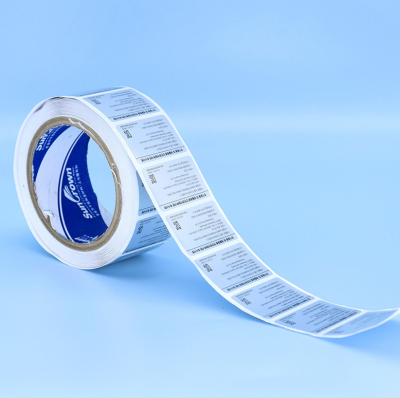


Comprehensive Sourcing Guide
Strategic Sourcing Guide for Custom Printed Logo Stickers
Understanding Product Variants and Technical Specifications
The market for custom printed logo stickers is characterized by significant diversity in material composition, printing methodologies, and functional attributes. When sourcing these items, buyers must first distinguish between the specific product models and their inherent technical capabilities. The available inventory includes distinct models such as "Taki Sticker," "134," "102," "112," "164," "28," and generic "self-adhesive label" variants. Each model may possess unique characteristics regarding shape, standard binding, and intended application.
A critical technical observation is the variation in printing types. Some products utilize Transfer Printing, while others employ Letterpress Printing or Offset Printing. This distinction is vital for buyers requiring specific color fidelity or texture. For instance, Offset Printing is often associated with high-volume, high-quality color reproduction, whereas Letterpress may offer a distinct tactile impression. Furthermore, the surface treatment for many of these stickers includes Lamination, which serves to protect the printed surface and enhance durability.
The physical form of the stickers is equally variable. While some are supplied as "Sheets," others are available in "roll" or "sheet" formats, and some are described as "Folded" or featuring "Adhesive Binding." The shape is generally customizable, allowing for non-standard geometries beyond the standard rectangular or circular forms. The base material is predominantly paper, yet the customization options extend to specific paper colors, including pink, black, purple, and yellow, or other selectable hues. The color reproduction capability typically supports CMYK or Pantone matching, ensuring brand consistency.
| Feature Category | Observed Variations | Sourcing Implication |
|---|---|---|
| Printing Type | Transfer, Letterpress, Offset | Select based on required color depth and texture. |
| Shape | Sheets, Customized | Verify if standard or custom die-cutting is needed. |
| Surface Treatment | Lamination | Essential for waterproofing and scratch resistance. |
| Paper Color | Pink, Black, Purple, Yellow, Custom | Choose base color to match brand identity or contrast needs. |
| Binding Style | Folded, Adhesive, Perfect Binding | Critical for applications requiring multi-page or specific assembly. |
Compliance, Certification, and Material Standards
When evaluating suppliers for custom printed logo stickers, verifying compliance and material standards is a non-negotiable step in the procurement process. The supply chain for these items often originates from China, with major ports of shipment located in Shanghai or Ningbo. Buyers should be aware that while specific certifications like ISO9001 and SGS are observed in the product data, these should be treated as available options rather than universal guarantees for every listing.
The standards applied to these products vary significantly. Some listings reference "Tissue paper Custom Logo" as a standard, while others cite "Folded, Adhesive Binding, Perfect Binding" or simply "Customized." This lack of a single universal standard necessitates that buyers explicitly request the specific standard document or specification sheet for the model they intend to purchase. The material is identified as paper, but the specific grade, weight, and coating are not universally defined in the general data. Therefore, procurement teams must verify the material composition to ensure it meets the durability requirements of the intended application, whether for food packaging, beverage bottles, or industrial labeling.
Certification checks should focus on the specific claims made by the supplier. If a product claims to be suitable for food applications, the buyer must confirm that the inks and adhesives used comply with relevant food safety regulations, even if the general product listing mentions "Food" as a usage category. The presence of ISO9001 and SGS in the data suggests that quality management systems and third-party inspections are available, but the buyer must confirm that these certifications apply to the specific production run and not just the facility in general.
Cost Drivers and Pricing Dynamics
The pricing structure for custom printed logo stickers is influenced by several dynamic factors, primarily driven by the level of customization and the volume of the order. The observed price range in the market spans from 0.01 to 2.00 USD per unit. This wide variance indicates that unit cost is heavily dependent on the complexity of the design, the chosen printing method, and the quantity ordered.
The Minimum Order Quantity (MOQ) is a significant cost driver. Data indicates an MOQ range from 1 to 30,000 units. For buyers seeking small batches, an MOQ of 1 is available, though this may come with a higher per-unit cost. Conversely, larger orders likely benefit from economies of scale, potentially lowering the cost per unit. However, the specific MOQ for a custom order is often negotiated, with some listings suggesting a baseline of 100 pieces.
Additional cost factors include the selection of special features. Products with advanced features such as holographic elements, anti-counterfeit technology, or heat-sensitive properties will command a premium over standard adhesive stickers. Similarly, the choice of paper color and the requirement for specific artwork formats (Ai, Pdf, CDR, Psd) can influence the setup costs. The payment terms, which include T/T, West Union, and Paypal, also play a role in the financial planning of the procurement, as different terms may carry different transaction fees or currency exchange risks.
Typical Applications and Functional Requirements
Custom printed logo stickers serve a broad spectrum of applications, ranging from consumer goods to industrial logistics. The observed usage categories include custom stickers for bottled beverages, food packaging, paper printers, packaging films, shipping labels, and label printers. This versatility requires buyers to match the sticker's functional features to the specific environment in which it will be used.
For food and beverage applications, the sticker must be waterproof and potentially heat-sensitive. The data confirms that waterproof features are available, which is essential for products that may be refrigerated or exposed to moisture. In industrial settings, features like barcode readability and anti-counterfeit properties are critical. Some products are specifically designed with barcode capabilities, ensuring they can be scanned efficiently in logistics chains.
The application also dictates the required shape and binding. For instance, "Perfect Binding" or "Adhesive Binding" might be necessary for multi-page labels or specific packaging structures. The "Tissue paper Custom Logo" standard suggests a softer, perhaps more delicate application, while "Folded" options might be required for specific box or container configurations. Buyers must ensure that the selected sticker can withstand the physical stresses of its intended use, such as friction during shipping or exposure to temperature fluctuations.
Supplier Evaluation and Production Capabilities
Evaluating a supplier for custom printed logo stickers requires a deep dive into their production capabilities and customization flexibility. The data highlights that customization is a core attribute, with options available for logos, colors, shapes, and materials. The production time is typically listed as 7-9 working days, with a delivery time of 7-10 days. These timelines are critical for supply chain planning, especially for time-sensitive campaigns.
Buyers should verify the supplier's ability to handle the specific printing type required. Whether the project demands Transfer Printing, Letterpress, or Offset Printing, the supplier must have the appropriate machinery and expertise. The availability of free stock samples is a valuable asset for buyers to test quality before committing to a large order. Additionally, the supplier's ability to accept various artwork formats (Ai, Pdf, CDR, Psd) ensures a smooth design-to-production workflow.
The trade terms are generally negotiated, indicating flexibility in shipping and payment arrangements. The port of shipment is typically Shanghai or Ningbo, which are major logistics hubs. Buyers should confirm the specific port for their order to accurately calculate shipping costs and lead times. The trade term negotiation also allows for the possibility of different Incoterms, which can affect who bears the risk and cost during transit.
Quality Control and Long-Term Procurement Considerations
Implementing a robust quality control (QC) strategy is essential for maintaining the integrity of custom printed logo stickers. Given the wide range of features, from waterproofing to holographic elements, buyers should establish clear acceptance criteria before production begins. The presence of certifications like ISO9001 and SGS suggests that suppliers have established quality management systems, but buyers should request specific test reports or inspection certificates for the batch being ordered.
Long-term procurement considerations involve building a relationship with a supplier who can consistently deliver high-quality products. The ability to customize the product continuously is a key indicator of a supplier's flexibility. Buyers should also consider the scalability of the supplier's production capacity, especially if the order volume is expected to grow. The observed MOQ range of 1 to 30,000 suggests that suppliers can accommodate both pilot runs and large-scale production.
Packaging is another critical aspect of quality control. The data indicates that products are packed in various ways, including carton boxes, wooden cases, or standard boxes. Ensuring that the packaging protects the stickers from damage during transit is vital. For products with sensitive features like heat-sensitive inks or holographic elements, the packaging must provide adequate protection against environmental factors.
Finally, buyers should maintain open communication regarding the production timeline. With a production time of 7-9 working days and a delivery time of 7-10 days, any delays can impact the overall supply chain. Establishing a clear communication channel with the supplier to track progress and address any potential issues promptly will help ensure a smooth procurement process. By focusing on these technical, compliance, and operational factors, buyers can effectively source high-quality custom printed logo stickers that meet their specific business needs.
FAQs
Can I get free samples before placing a large order?
Yes, free stock samples are available for testing before commitment. This allows buyers to verify print quality and material feel without immediate cost, though specific stock availability may vary by model.
What printing types are available for custom logo stickers?
The market offers Transfer, Letterpress, and Offset printing methods. Each type serves different needs, with Offset often used for high-volume color reproduction and Letterpress providing distinct tactile impressions.
How long does production take for customized sticker orders?
Production typically requires 7 to 9 working days from order confirmation. This timeline covers the customization process including logo application, printing, and surface treatments like lamination before shipment.
Which certifications are available for these sticker products?
ISO9001 and SGS certifications are observed in the product data for quality assurance. Buyers should verify that these specific certifications apply to their production run rather than assuming universal facility compliance.
What is the minimum order quantity for custom stickers?
The minimum order quantity ranges from 1 to 30,000 units depending on the supplier and model. Some listings suggest a baseline of 100 pieces, while others accommodate single-unit trials for quality checks.
Can the paper color be customized to match my brand?
Yes, paper colors such as pink, black, purple, and yellow can be chosen or customized. This flexibility allows buyers to select base colors that align with their specific brand identity or packaging requirements.
What features are available for waterproof and anti-counterfeit needs?
Stickers can include waterproof, anti-counterfeit, holographic, and barcode features. These attributes are essential for applications involving bottled beverages, food packaging, or industrial logistics requiring durability and security.