Source Custom Retro Vintage Football Jersey for Teams
Find 30 options for a Custom Retro Vintage Football Jersey designed for soccer, fitness, and track events. Compare polyester and cotton blends with quick-drying, breathable, and moisture-wicking features to suit unisex needs.
Key considerations
Products List




Comprehensive Sourcing Guide
Custom Retro Vintage Football Jersey Sourcing Guide
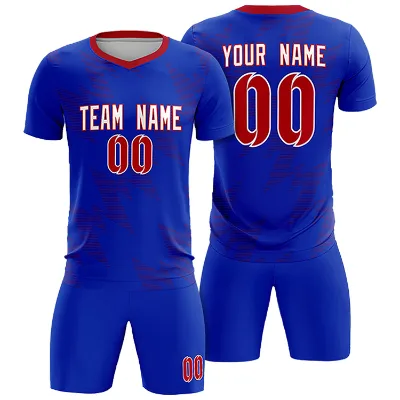
Sourcing custom retro vintage football jerseys requires balancing nostalgic design aesthetics with modern performance requirements, a dual need clearly reflected in the current market offerings. The available product landscape indicates a strong focus on polyester-based fabrics, including blends with cotton and spandex, which provide the necessary durability and stretch for athletic movement while maintaining the visual texture associated with vintage styles. Buyers should prioritize suppliers who offer digital heat transfer printing and automated cutting techniques, as these methods allow for the precise reproduction of complex retro logos and patterns without compromising the structural integrity of the garment.
The commercial viability of these products hinges on the flexibility of customization options, which are widely available across the observed listings. Suppliers typically support personalized sizing, team name customization, and the selection of any color to match specific club identities or historical eras. This level of adaptability extends to the production of samples, with lead times often ranging from seven to ten days, enabling buyers to validate the retro aesthetic and fabric quality before committing to larger bulk orders for leagues, clubs, or corporate events.
Product Scope and Observed Listing Signals
The observed product scope encompasses a wide range of applications, from ball sports and soccer to fitness, track and field, and gym activities, indicating that these jerseys are designed for high-intensity use rather than purely decorative purposes. The listings confirm that the target audience spans from children to adults, with specific models available in sizes ranging from youth to extra-large, ensuring that teams can outfit entire squads with consistent sizing. The style is frequently categorized as fashion or streetwear, suggesting that these garments are versatile enough to serve as both on-field uniforms and casual wear for fans, thereby expanding the potential market for bulk procurement.
Listing signals reveal a diverse array of technical features, including quick-drying, moisture-wicking, breathable, and anti-UV properties, which are essential for maintaining comfort during prolonged physical activity. Some product variations also include waterproof, rip-stop, and anti-static capabilities, catering to specific environmental conditions or specialized sports requirements. The pattern options range from generic patterns to specific logo placements, allowing buyers to choose between a classic, clean look or a heavily branded design that reflects a specific team's heritage.
Technical Specifications to Verify
When evaluating technical specifications, the fabric composition is a primary decision point, as the market offers 100% polyester, polyester/cotton blends, and polyester/spandex mixes. Each material offers distinct advantages: 100% polyester excels in moisture management and durability, while blends may offer a softer hand feel closer to vintage cotton jerseys, and spandex blends provide superior stretch and fit. Buyers must verify the specific material composition for their intended use case, ensuring that the fabric choice aligns with the performance needs of the athletes, whether they require maximum breathability for summer games or added durability for contact sports.
Printing and construction techniques are equally critical, with digital heat transfer printing and digital print methods being the standard for achieving high-fidelity retro graphics. These techniques allow for the reproduction of intricate details and full-color designs that traditional screen printing might struggle to replicate cost-effectively in smaller batches. Additionally, the availability of automated cutting ensures precision in garment dimensions, which is vital for maintaining the uniform look of a team. Buyers should confirm that the supplier utilizes these advanced methods to guarantee that the final product matches the visual expectations of a retro design while meeting modern manufacturing standards.
Compliance and Safety Documentation
Compliance and safety documentation in this sector often centers on material safety and production standards, with some listings explicitly referencing SGS standards as a benchmark for quality assurance. While specific certification details like Oeko-Tex or REACH are not universally listed in the provided data, buyers should request proof of compliance with relevant textile safety regulations for the target market, particularly regarding chemical usage in dyes and finishes. The presence of SGS as a referenced standard suggests that reputable suppliers are capable of providing third-party verification for fabric quality and safety, which is a crucial step in mitigating liability risks for bulk purchasers.
Safety features such as anti-UV and anti-static properties are observed in specific product lines, indicating that manufacturers are addressing environmental and comfort-related safety concerns. However, these features are not guaranteed across all listings, so buyers must explicitly verify the presence of such attributes in the product specifications before placing an order. It is also important to confirm that the packaging and labeling comply with the import regulations of the destination country, including accurate fiber content labeling and country of origin markings, which are typically listed as Guangzhou, China, or simply China in the supply chain.
Cost Drivers and Commercial Terms
Cost drivers for custom retro vintage football jerseys are heavily influenced by the level of customization, the complexity of the printing design, and the chosen fabric blend. The observed price range of 3 to 16.9 USD suggests that basic models are available at lower price points, while premium versions with advanced features like waterproofing or complex digital prints command higher costs. The minimum order quantity (MOQ) varies significantly, ranging from single items to 50 units, allowing buyers to scale their orders based on budget constraints and inventory needs without being forced into excessive bulk purchases.
Commercial terms typically include flexible payment options such as T/T (Telegraphic Transfer) and Wu, providing buyers with standard B2B payment security. Lead times for samples are generally supported within 7 to 10 days, which is a critical factor for buyers needing to validate designs quickly. For bulk production, the supply ability is noted as up to 100,000 pieces per month, indicating that suppliers have the capacity to handle large-scale orders. Buyers should negotiate packaging details, as options range from standard polybag and carton configurations to custom packaging requests, which can impact both the final cost and the presentation of the product upon delivery.
Supplier Qualification and Quality Control
Supplier qualification should focus on their ability to provide OEM services and their track record with digital printing and automated cutting technologies. The availability of samples is a key indicator of a supplier's confidence in their quality control processes, as it allows buyers to physically inspect the fabric weight, print durability, and stitching quality before committing to a large order. Buyers should verify that the supplier can accommodate personalized sizing and team name customization, as these are core requirements for the retro vintage football jersey market and indicate a mature production workflow.
Quality control checks must extend beyond the initial sample to include pre-shipment inspections, particularly for color consistency and print adhesion. The observed product models, such as BS8667 and ES4173, suggest a structured inventory system, but buyers should ensure that the specific model they order matches the exact specifications of the sample approved. It is also advisable to confirm the supplier's packaging standards, as improper packaging can lead to damage during transit, especially for items that may be folded or rolled. Verifying the single gross weight and package dimensions helps in planning logistics and ensuring that the shipping costs remain within budget.
Long-Term Procurement Checks
Long-term procurement success depends on establishing a reliable supply chain that can consistently deliver high-quality products over time. Buyers should monitor the supplier's ability to maintain consistent fabric quality and print fidelity across multiple production runs, as variations in these areas can undermine the brand identity of a team or organization. The flexibility to request custom packaging and the ability to handle varying order sizes are essential for adapting to changing market demands and seasonal fluctuations in sports apparel needs.
Sustainability and ethical sourcing are increasingly important considerations for long-term partnerships, even if not explicitly detailed in the current product listings. Buyers should inquire about the environmental impact of the polyester production and the disposal of waste materials from the automated cutting process. Additionally, maintaining open communication regarding lead times and supply chain disruptions will help mitigate risks associated with late deliveries. By regularly reviewing supplier performance against the agreed-upon standards and specifications, buyers can ensure a stable and efficient procurement process for their Custom Retro Vintage Football Jersey needs.
FAQs
Can I customize the team name and logo on the jersey?
Yes, customization is available for team names and logos. The product supports digital heat transfer printing and digital print methods to apply specific designs. You can request any color and pattern, including retro styles. Samples are available within 7-10 days for approval before bulk production begins.
What materials are used for the Custom Retro Vintage Football Jersey?
The jerseys are primarily made from 100% polyester or polyester blends with cotton and spandex. These materials ensure the fabric is breathable, quick-drying, and moisture-wicking. Some variants offer anti-UV and rip-stop features. The material choice supports durability and comfort for both game and casual wear.
What is the minimum order quantity for these jerseys?
The minimum order quantity ranges from 1 to 50 sets. This flexible MOQ allows for small team orders or sample testing. The supplier supports OEM service and can accommodate specific packaging requests, such as 1 set per plastic bag or 50 sets per carton, depending on your needs.
How long does it take to produce a sample order?
Sample orders are supported with a lead time of 7-10 days. This allows you to verify the quality, fit, and printing details before committing to bulk production. The supplier offers automated cutting and digital printing techniques to ensure accurate reproduction of your Custom Retro Vintage Football Jersey design.
What sizes are available for the custom football jerseys?
Sizes range from Youth sizes up to Extra Large. Personal sizes can be requested to ensure a proper fit for all team members. The product is suitable for age groups from children to adults. This flexibility ensures that the Custom Retro Vintage Football Jersey fits players of various heights and builds.
Where are these jerseys manufactured and shipped from?
The jerseys are manufactured in Guangzhou, China. The supplier has a supply ability of 100,000 pieces per month. Products are packed in polybags or cartons as requested. This location supports efficient logistics for global buyers seeking custom sportswear with specific customization and printing requirements.