Find Traditional Antique LED Wall Lamp for Hotel Home Living
Source 30 verified options for a Traditional Antique LED Wall Lamp suitable for living rooms, hotels, and home interiors. Compare specifications like voltage, material, and design styles from Guangdong manufacturers offering OEM services.
Key considerations
Products List
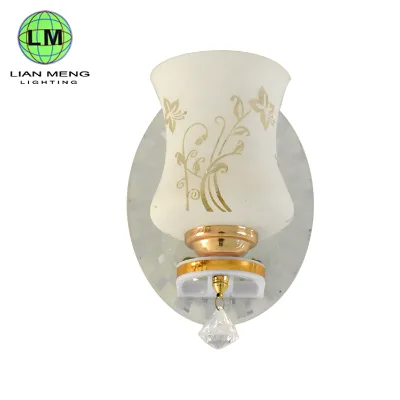


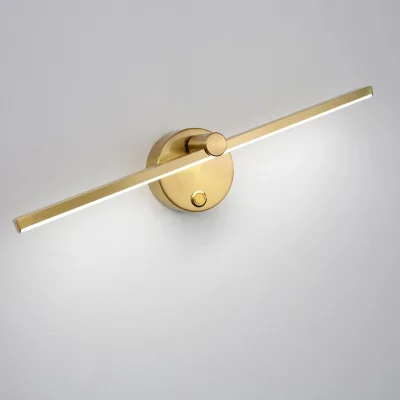


Vintage Modern Wall Lamp - Decorative Living Room and Bedroom Wall Lamp
$100.00 - $1000.00
MOQ: 3 Pieces

Modern Wall Lamp -Artistic Decorative Wall Lamp for Bedroom and Living Room
$100.00 - $1000.00
MOQ: 10 Pieces

3 Light Antique Black Home Decor Lighting Hotel Project Customize LED Wall Lamp
$15.00 - $25.00
MOQ: 50 Pieces
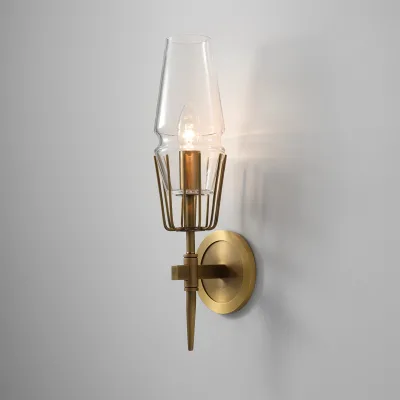

Outdoor IP65 Waterproof LED Wall Lamp Aluminum Decorative Vintage Garden Wall Lamp
$12.90 - $15.90
MOQ: 100 Pieces


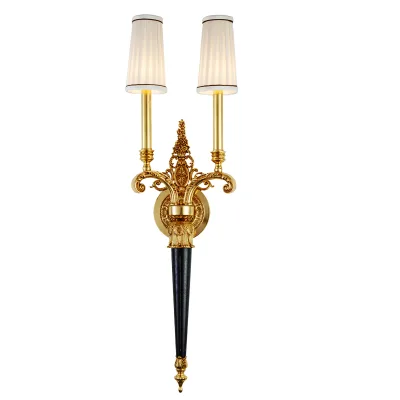
High Quality Decorative Wall Lamp for Hotel Home Decor Modern Wall Lamp
$112.90 - $169.80
MOQ: 10 Pieces




Comprehensive Sourcing Guide
Sourcing Guide for Traditional Antique LED Wall Lamps
Understanding the Product Category and Core Specifications
When sourcing a Traditional Antique LED Wall Lamp, buyers must first distinguish between the aesthetic intent of the product and the technical reality of its construction. The term "antique" in modern lighting procurement often refers to a design style that evokes European heritage, characterized by ornate detailing, specific color temperatures, and the use of traditional materials like glass or crystal. However, the underlying technology is invariably modern LED, which offers significant advantages in energy efficiency and longevity over incandescent or halogen alternatives.
Based on observed market data, a typical unit in this category features a light source rated as "Energy saving" with a specific Color Temperature (CCT) of 3500K, described as Warm White. This specific temperature is crucial for achieving the "antique" ambiance, as it mimics the warm glow of traditional candlelight or early electric bulbs, unlike the cooler, clinical light of modern office fixtures. The physical dimensions of such fixtures can vary, but specific models observed in the market measure approximately 12*16 cm, while others may be classified as "Middle" size. The shade shape is often categorized as "Others" or "Clear Glass," with a specific preference for white or black finishes to complement the antique aesthetic.
The material composition is a primary differentiator. While some units are constructed from glass, others may incorporate crystal elements to enhance the light refraction and visual depth. The product weight is a critical logistical factor; observed units typically weigh around 1 kg, which influences shipping costs and the structural requirements for wall mounting. The lamp luminous flux for these fixtures is generally observed around 1260 lumens, providing sufficient illumination for residential applications without being overly harsh. The input voltage is a vital technical parameter, with observed ranges spanning from 90V to 260V, ensuring compatibility with various global electrical standards, though specific models may be rated for 220V-240V.
Compliance and Certification Verification
In the B2B procurement of lighting fixtures, compliance is not merely a formality but a prerequisite for market entry and safety. Buyers must rigorously verify that the supplier possesses valid certifications for the specific regions where the products will be sold. The observed market data indicates that reputable suppliers in this sector typically hold RoHS (Restriction of Hazardous Substances) certification, ensuring the product is free from specific hazardous materials. Furthermore, CE (Conformité Européenne) and UL (Underwriters Laboratories) certifications are frequently observed, indicating adherence to European safety standards and North American electrical safety requirements, respectively.
When evaluating a potential supplier, the procurement team should request current, valid certificates rather than relying on generic claims. The presence of multiple certifications, such as CE, RoHS, and UL, suggests a manufacturer capable of meeting diverse international regulatory landscapes. It is essential to verify that the certification covers the specific model number being ordered, as certifications are often model-specific. For instance, a supplier might hold a general RoHS certificate but lack specific testing for a particular high-voltage variant.
Additionally, buyers should confirm the warranty terms, which are a strong indicator of manufacturer confidence. Observed data suggests a standard warranty period of 2 years or a 2-Year Guarantee. This duration aligns with industry norms for LED fixtures, which are expected to have a working lifetime of up to 50,000 hours. However, the warranty should explicitly cover the LED driver and the light source, not just the physical housing. The supplier should also provide clear documentation regarding the testing procedures used to validate these certifications, ensuring that the claims are backed by third-party laboratory results rather than self-declaration.
Cost Drivers and Pricing Dynamics
The pricing of traditional antique LED wall lamps is influenced by a complex interplay of factors, including material costs, manufacturing complexity, and supply chain logistics. The observed price range in the market is broad, spanning from $0.30 to $1,000 USD. This variance reflects the difference between mass-produced, simple glass units and high-end, custom-crafted crystal fixtures with intricate designs.
Material composition is a primary cost driver. Units featuring crystal elements or high-quality glass typically command a higher price point compared to those made from standard glass or metal. The complexity of the design also plays a significant role; fixtures requiring custom molds, intricate assembly, or specialized finishes like "European" design styles will incur higher manufacturing costs. Furthermore, the level of customization available, such as OEM (Original Equipment Manufacturer) or ODM (Original Design Manufacturer) services, adds to the unit cost. Suppliers offering design services, including Auto Cad Layout and Lighting And Circuitry Design, often charge a premium for these value-added services.
The Minimum Order Quantity (MOQ) is another critical factor affecting the effective unit cost. Observed MOQs range from 1 piece to 3,800 pieces, with a common baseline of 20 to 30 pieces. Buying in larger volumes typically reduces the per-unit cost due to economies of scale in production and shipping. However, buyers must balance this against their inventory carrying costs and cash flow constraints. The supply ability of the manufacturer, observed at 1,000 cartons per day, indicates a high-volume production capacity, which can stabilize pricing for large orders but may require longer lead times for custom configurations.
Shipping and packaging details also impact the final landed cost. The standard packaging for these items is often 1 piece per 5-layer export carton, with a specific packing dimension of 685442 cm. The number of pieces per carton (PCs/Ctn) is typically 10, which affects the density of the shipment and the associated freight charges. Buyers should also consider the trade terms offered, such as EXW, FOB, CIF, or CFR, as these determine who bears the risk and cost of transportation.
Typical Applications and Usage Scenarios
Traditional antique LED wall lamps are versatile fixtures designed to enhance specific environments where ambiance and style are paramount. The primary application areas identified in the market include living rooms, hotels, and general home living spaces. In residential settings, these lamps are frequently installed in living rooms to provide accent lighting that complements traditional or European interior design styles. The warm white color temperature of 3500K creates a cozy and inviting atmosphere, making these fixtures ideal for relaxation areas.
In the hospitality sector, such as hotels, these lamps serve a dual purpose of functionality and aesthetic enhancement. They are often used in corridors, lobbies, and guest rooms to create a sense of luxury and timelessness. The irradiated area for these fixtures is typically between 5 and 10 square meters, making them suitable for illuminating specific zones rather than providing general overhead lighting. The control mode is usually switch control, which allows for simple operation, though some models support dimming capabilities as a custom-made feature.
The design style, often described as European, appeals to a broad demographic seeking a classic look. The shade color, typically white or black, allows for flexibility in matching various interior color schemes. The usage is not limited to private residences; these fixtures are also suitable for commercial spaces like restaurants, boutiques, and offices that wish to incorporate a touch of traditional elegance. The lighting solutions service provided by suppliers, including circuitry design and layout planning, ensures that the fixtures can be integrated seamlessly into the overall lighting design of a space.
Supplier Evaluation and Sourcing Strategy
Selecting the right supplier is critical for ensuring product quality and reliability. Buyers should prioritize suppliers with a verified physical presence, such as those located in established lighting manufacturing hubs like Guzhen Town, Zhongshan City, China, or Guangdong, China. These regions are known for their concentration of lighting manufacturers and supply chain infrastructure.
When evaluating a supplier, buyers should assess their production capacity and flexibility. A supply ability of 1,000 cartons per day indicates a robust manufacturing operation capable of handling large orders. However, buyers must also verify the supplier's ability to handle customization requests, as many antique-style fixtures require specific modifications to meet client specifications. The availability of OEM and ODM services is a strong indicator of a supplier's willingness to collaborate on product development.
The supplier's track record in terms of certifications and quality control is another vital consideration. Buyers should request evidence of their certification status, including RoHS, CE, and UL, and verify that these certifications are current. Additionally, the supplier's approach to quality control, including in-process inspections and final testing, should be clearly defined. The warranty terms, typically 2 years, should be transparent and clearly outlined in the contract.
Buyers should also consider the supplier's logistics capabilities. The ability to ship via express courier, air, or sea provides flexibility in meeting delivery deadlines. The packaging details, such as the use of 5-layer export cartons and the inclusion of English installation instructions, demonstrate a commitment to product safety and customer service. Finally, the supplier's responsiveness to inquiries and their willingness to provide samples (noting that free samples are often not available) can provide insight into their customer service standards.
Quality Control and Long-Term Procurement Considerations
Ensuring the quality of traditional antique LED wall lamps requires a proactive approach to quality control (QC) throughout the procurement process. Buyers should establish clear quality standards based on the observed specifications, such as the working lifetime of 50,000 hours and the specific luminous flux of 1260 lumens. Regular inspections should be conducted to verify that the materials, such as glass or crystal, meet the required standards and that the assembly is precise.
Long-term procurement considerations include the availability of spare parts and the supplier's ability to support the product over its lifecycle. Given the 2-year warranty, buyers should ensure that the supplier has a clear process for handling warranty claims and providing replacements if necessary. The customization options, such as the ability to adjust the crystal or shade color, should be maintained over time to allow for future design updates or repairs.
Buyers should also monitor the market for changes in regulations and standards that could affect the product. As environmental regulations evolve, the requirement for RoHS compliance may become more stringent, and suppliers must be prepared to adapt. Additionally, the energy efficiency of the LED light source is a key factor in the long-term cost of ownership, and buyers should prioritize suppliers who invest in high-efficiency technology.
Finally, building a strong relationship with the supplier is essential for long-term success. Open communication, regular feedback, and a mutual understanding of quality expectations will help ensure a smooth procurement process. By focusing on these key areas, buyers can secure a reliable supply of high-quality traditional antique LED wall lamps that meet their specific needs and expectations.
FAQs
What certifications do traditional antique led wall lamps typically hold?
These lamps typically hold RoHS, CE, and UL certifications to ensure safety and compliance. Buyers must verify that these certificates cover the specific model number being ordered rather than relying on generic claims.
How long is the working lifetime of these LED wall lamps?
The working lifetime is generally rated at 50,000 hours for standard units. This duration reflects the expected performance of the LED source under normal operating conditions within the specified warranty period.
Can I find traditional antique led wall lamps with crystal materials?
Yes, some models incorporate crystal elements to enhance light refraction and visual depth. Buyers should confirm material specifications as options include both glass and crystal depending on the specific design style.
What is the typical input voltage range for these fixtures?
The input voltage range spans from 90V to 260V to ensure global compatibility. Specific models may also be rated for 220V-240V, so verify the exact rating before installation in your region.
Which warranty terms are standard for traditional antique led wall lamps?
A standard warranty period is 2 years or a 2-Year Guarantee for these fixtures. This coverage typically applies to the LED driver and light source, ensuring protection against early failures.
How much does a Traditional Antique LED Wall Lamp typically weigh?
Observed units typically weigh around 1 kg, which influences shipping costs and mounting requirements. This weight is a critical logistical factor for buyers calculating freight charges and structural needs.
What is the minimum order quantity for these wall lamps?
The minimum order quantity ranges from 1 to 3,800 pieces with common baselines of 20 to 30 pieces. Buyers must balance volume discounts against inventory costs when selecting an order size.