Source Custom Shape PVC Patch for Garments Bags and Hats
Compare 30 listings for Custom Shape PVC Patch options including rubber and twill materials with embroidery or 3D effects. Buyers can evaluate features like eco-friendly composition, handmade quality, and customization availability for garments, shoes, bags, scarves, and hats; compare the available evidence and request quotations based on your requirements.
Key considerations
Products List


Custom Logo PVC Patch Wholesale Design Silicone Patches Rubber PVC Patches
$0.03 - $0.10
MOQ: 500 Pieces


Customizable Color PVC Rubber Environmentally Friendly 3D Rubber PVC Patch
$0.35 - $0.50
MOQ: 500 Pieces


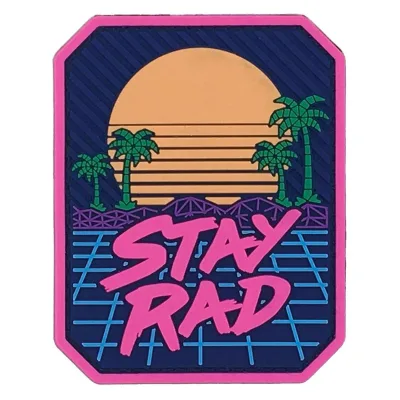


Patch Manufacturer Personalized Logo Patch Cheap Custom Patches Custom 3D Soft PVC Patch
$0.40 - $0.70
MOQ: 100 Pieces

China Manufacturer Personalized Custom 3D Rubber Patch Logo Clothing PVC Patches
$0.15 - $0.80
MOQ: 50 Pieces

Top Quality Cheap Price Custom Logo Round PVC Rubber Patch Customized Patches
$0.30 - $1.20
MOQ: 100 Pieces


Comprehensive Sourcing Guide
Custom Shape PVC Patch Sourcing Guide
Procuring custom shape PVC patches requires careful evaluation of material properties and manufacturing capabilities to ensure the final product meets specific design and durability requirements. Buyers must verify that suppliers possess the technical capacity to produce non-disposable, 3D, and nickel-free items that align with the requested aesthetic and functional standards. The observed market data indicates a strong focus on customization, with suppliers offering tailored shapes and designs that can be applied to various garments, bags, and accessories.
The sourcing process involves navigating a range of commercial terms and logistical expectations, including flexible payment methods like T/T and Western Union, alongside shipping options via DHL, FedEx, or UPS. While some listings suggest sample lead times of three to four days, production timelines typically range from six to eight days, though this can vary based on order complexity. Buyers should prioritize suppliers who explicitly support OEM and ODM services and can provide samples with freight prepaid to validate quality before committing to larger volumes.
Product Scope and Observed Listing Signals
The product scope for custom shape PVC patches encompasses a diverse array of applications, including clothing, shoes, bags, scarves, hats, and traditional thobes, reflecting their versatility in the fashion and accessory markets. Listings frequently highlight features such as eco-friendly materials, handmade craftsmanship, and magnetic or self-adhesive backing options, which cater to different attachment needs. The observed product types range from rubber labels to embroidered twill patches, indicating that buyers must clearly distinguish between material types when selecting a supplier for their specific use case.
Market signals suggest that pricing is highly negotiable, particularly for large quantities, with observed ranges starting as low as $0.03 per unit. Minimum order quantities vary significantly, with some suppliers accepting orders as low as 50 pieces while others require 100 or more, necessitating a clear assessment of inventory needs before engagement. The availability of customized packing solutions, such as poly bags or bubble wraps, further demonstrates the industry's focus on protecting these decorative items during transit and ensuring they arrive in pristine condition for end-use.
Technical Specifications to Verify
Buyers must rigorously verify technical specifications regarding material composition, specifically confirming whether the product is made from PVC or twill, as this dictates the texture, durability, and application method. The presence of 3D effects, nickel-free claims, and specific styles like cartoon or iron-on designs requires precise communication with the manufacturer to ensure the final output matches the visual and tactile expectations. It is essential to confirm that the product is non-disposable and designed for long-term use, as this impacts the overall value proposition and suitability for high-wear items like shoes or heavy-duty bags.
Dimensional and shape customization is a critical technical parameter, with suppliers often stating that sizes and shapes can be accepted as custom requests. Verification should include checking the production capabilities for specific model numbers, such as EP-30, and ensuring that the factory can handle the intricacies of custom molds or cutting dies required for unique shapes. Additionally, buyers should confirm the technical details of the attachment method, whether it involves sewing, ironing, or magnetic backing, to ensure compatibility with the intended garment or accessory type.
Compliance and Safety Documentation
While the supplied data does not explicitly list specific certification numbers, buyers must request documentation confirming that the PVC material is nickel-free and meets relevant safety standards for consumer goods. The emphasis on eco-friendly features suggests a potential alignment with environmental regulations, but this requires formal verification through supplier-provided test reports or compliance certificates rather than relying solely on marketing claims. Ensuring that the product is safe for direct skin contact, especially for items like hats and scarves, is a fundamental requirement that should be validated before mass production begins.
Safety documentation should also address the manufacturing process to ensure that no harmful substances are used in the creation of the patches, particularly given the potential for chemical exposure in PVC production. Buyers should inquire about the factory's adherence to international quality standards and whether they conduct internal quality checks to prevent defects that could compromise safety. The absence of explicit standard names in the provided facts means that the onus is on the buyer to demand proof of compliance with applicable regional safety regulations for textile accessories.
Cost Drivers and Commercial Terms
Cost drivers for custom shape PVC patches include the complexity of the design, the choice of material, and the volume of the order, with prices often discussed for larger quantities to achieve better rates. The observed price range of $0.03 to $1.2 reflects the variability in production costs based on these factors, and buyers should anticipate that intricate 3D designs or custom shapes may incur higher unit costs. Understanding the relationship between order quantity and price is essential, as suppliers frequently offer discounts for bulk purchases, making it crucial to calculate the total cost of ownership rather than just the unit price.
Commercial terms typically include flexible payment methods such as PayPal, Western Union, T/T, Visa, and Mastercard, alongside shipping terms like EXW or FOB. Buyers must clarify who bears the cost of shipping, as some listings indicate that sample freight is prepaid while others state that shipping costs will be offered upon quotation. Lead times are another critical commercial factor, with sample orders potentially taking three to four days and production times ranging from six to eight days, though these figures should be confirmed in writing to avoid delays in the supply chain.
Supplier Qualification and Quality Control
Supplier qualification should focus on verifying the factory's location, with observed origins including Fujian and Guangdong, China, which are known hubs for textile and accessory manufacturing. Buyers must assess the supplier's capacity for OEM and ODM services, ensuring they have the technical expertise to handle custom designs and provide design assistance before production begins. The ability to produce samples quickly and accurately is a strong indicator of a supplier's reliability, and buyers should prioritize those who support sample orders with short lead times and clear communication channels.
Quality control processes must be robust, with suppliers expected to implement checks at various stages of production to ensure consistency and adherence to the requested specifications. The observation that quality depends on the buyer's request highlights the need for detailed specifications and clear communication to avoid misunderstandings regarding the final product's appearance and durability. Buyers should request quality assurance protocols and, if possible, conduct third-party inspections to verify that the patches meet the agreed-upon standards for material, finish, and attachment strength.
Long-Term Procurement Checks
Long-term procurement checks involve establishing a reliable supply chain that can consistently deliver high-quality custom shape PVC patches while maintaining competitive pricing and timely delivery. Buyers should monitor supplier performance over multiple orders to ensure that lead times remain consistent and that the quality of the product does not degrade as production scales up. Building a strong relationship with the supplier can facilitate better communication and more favorable terms, but it requires ongoing evaluation of their ability to meet changing market demands and design requirements.
Continuous verification of the supplier's compliance with safety and environmental standards is essential for maintaining brand integrity and avoiding potential regulatory issues. Buyers should regularly review the supplier's production capabilities and capacity to handle custom requests, ensuring they can adapt to new design trends and material innovations. Establishing clear performance metrics and maintaining open lines of communication will help mitigate risks and ensure a sustainable, long-term partnership that supports the growth of the buyer's product line.
FAQs
Can custom shape pvc patches be customized for specific designs?
Yes, customization is available for custom shape pvc patches. Buyers can request specific designs, sizes, and styles such as cartoon or 3D effects. The product supports OEM and ODM services, allowing for tailored branding. Samples can be produced within 3-4 days to verify the design before full production begins.
What is the minimum order quantity for custom shape pvc patches?
The minimum order quantity varies by supplier, typically ranging from 50 to 100 pieces. Some sources list an MOQ of 50PCS for embroidered twill options, while others require 100PCS for PVC tags. Buyers should confirm the specific MOQ with the manufacturer, as it depends on the material and customization level requested.
How long does production take for custom shape pvc patches?
Production time generally takes 6-8 days after sample approval. Sample orders can be supported with a lead time of 7 days or less. Shipping via express couriers like DHL or FedEx is fast, but total delivery time depends on the chosen mode of shipment, whether by sea, air, or train.
What materials are used for custom shape pvc patches?
Custom shape pvc patches are primarily made from PVC material. Some variations may use twill for embroidered styles. The patches are non-disposable and can feature features like being eco-friendly, handmade, or nickel-free. The quality depends on the buyer's request, ensuring durability for use on garments, shoes, and bags.
Are custom shape pvc patches suitable for global export?
Yes, these patches are exported globally. Suppliers are located in regions like Fujian and Guangdong in China. The products are packed in poly bags or cartons and shipped via international express services such as FedEx, DHL, and UPS. Payment terms include EXW, FOB, and various online methods like PayPal and T/T.
What styles are available for custom shape pvc patches?
Available styles include sew-on, iron-on, and magnetic options. Some patches feature cartoon designs or 3D effects. They can be used for decoration on clothing, bags, and hats. The shape is customizable, and the patches are removable if magnetic. Buyers can choose based on their specific application needs and aesthetic preferences.