Source Custom Shape Tin Fridge Magnet for Branding, Decor, and Gifts
Find and compare 30 Custom Shape Tin Fridge Magnet options from verified manufacturers. Evaluate materials like tinplate and metal, review customization services, and check pricing for bulk orders.
Key considerations
Products List


Any Shape Accept Custom Photo Fridge Magnet Customize Tin Fridge Magnet
$0.08 - $0.11
MOQ: 1000 Pieces

Tin Fridge Magnet Custom Logo Printing Souvenir Tourist Tin Plate Fridge Magnet
$0.08 - $0.11
MOQ: 1000 Pieces

Custom Design Metal Fridge Magnet Customized Tinplate Refrigerator Tin Fridge Magnets
$0.08 - $0.10
MOQ: 1000 Pieces


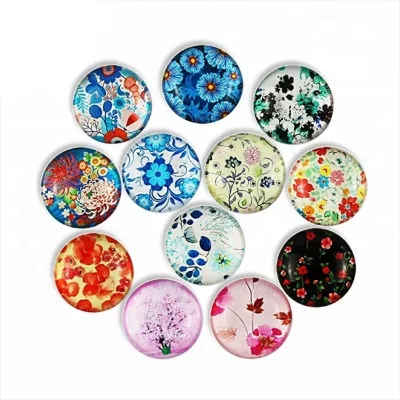


Custom Design Soft PVC Tin Fridge Magnet for Decoration Promotion Gift (JN-R01)
$0.20 - $0.40
MOQ: 200 Pieces


Comprehensive Sourcing Guide
Custom Shape Tin Fridge Magnet Sourcing Guide
Sourcing custom shape tin fridge magnets requires a nuanced understanding of material properties, manufacturing tolerances, and commercial terms that differ significantly from standard promotional items. These products serve as versatile branding tools and decorative elements, leveraging the magnetic properties of tinplate to adhere securely to ferrous surfaces. Buyers must navigate a landscape where aesthetic customization is paramount, yet functional integrity—such as magnetic strength and edge durability—remains critical for customer satisfaction. This guide provides a structured approach to evaluating suppliers, verifying technical specifications, and managing risks associated with low-cost, high-volume procurement.
The procurement process for these items involves balancing design flexibility with production efficiency. While the core material is often tinplate, variations in backing materials and coating technologies can significantly impact the final product’s performance and cost. Buyers should focus on establishing clear communication channels regarding design files, proofing processes, and quality acceptance criteria before committing to large orders. Understanding the interplay between customization options and minimum order quantities (MOQs) is essential for optimizing budget allocation and inventory management.
Product Scope and Observed Listing Signals
The market for custom shape tin fridge magnets exhibits a wide range of product variations, with observed listings indicating a price range from $0.01 to $0.97 USD per unit. This broad spectrum reflects differences in material thickness, printing complexity, packaging methods, and order volumes. Buyers should recognize that the lowest price points often correspond to basic rectangular or circular shapes with standard printing, while complex die-cut shapes, multi-layer constructions, or premium finishes will command higher prices. The observed minimum order quantities (MOQs) range from 1 to 5,000 pieces, indicating that suppliers cater to both small-scale sampling needs and large-scale industrial or promotional campaigns.
Listing signals reveal that customization is a central feature of this product category, with many suppliers explicitly stating that they accept custom designs and shapes. Attributes such as "Customized," "Custom Any Design as You Want," and "OEM: Acceptable" are common, suggesting that suppliers are equipped to handle unique branding requirements. However, buyers must verify whether the "custom shape" refers to the physical die-cut of the tinplate or merely the printed graphic. Some listings indicate that the base shape may remain standard (e.g., sheet or rectangular) while the design is customized, whereas others offer true die-cutting services. Understanding this distinction is crucial for aligning expectations with manufacturing capabilities.
Technical Specifications to Verify
Verifying the material composition is the first critical step in technical evaluation. While the core keyword specifies "tin," observed listings indicate that products may be constructed from tinplate, metal, rubber magnet, epoxy resin, paper, ceramic, or EVA. Tinplate is the most common material for rigid fridge magnets, offering a smooth surface for high-quality printing and sufficient magnetic strength when combined with a magnetic backing. Buyers must confirm the specific material grade and thickness, as these factors influence the magnet’s durability and holding power. Additionally, some listings mention "Two-Sided Magnetic" features, which require careful verification to ensure that the magnetic layer is properly encapsulated and does not interfere with the aesthetic design.
Dimensional accuracy and shape precision are equally important, particularly for custom die-cut magnets. Standard sizes such as 80*53mm are available, but custom sizes are often supported. Buyers should request detailed technical drawings or CAD files from the supplier to verify tolerances, especially for intricate shapes. The "Sheet" shape attribute observed in some listings may refer to the raw material form rather than the final product shape, so clear communication is necessary to avoid misunderstandings. Furthermore, packaging specifications vary, with options including standard packing, carton, and OPP bags. The choice of packaging can affect the product’s protection during transit and its presentation upon arrival, so buyers should specify their requirements clearly.
Compliance and Safety Documentation
Compliance with international standards is essential for ensuring product safety and market accessibility. Observed listings mention certifications such as ISO, CE, and RoHS, which indicate adherence to quality management, electromagnetic compatibility, and restriction of hazardous substances regulations, respectively. Buyers should request valid certification documents from suppliers to verify their compliance status. While ISO 9001:2008 and ISO 14001 are mentioned in background information, buyers should confirm the current version of these standards, as older versions may no longer be valid or recognized by certain markets. Ensuring that suppliers maintain up-to-date certifications reduces the risk of regulatory issues and enhances brand credibility.
Safety documentation is particularly important for products intended for consumer use, especially if they are marketed as eco-friendly or waterproof. Attributes such as "Eco-friendly" and "Waterproof" suggest that the magnets may be suitable for environments where moisture resistance is required, such as kitchens or bathrooms. Buyers should verify the specific materials used in the coating and backing to ensure they do not contain harmful substances. Additionally, if the magnets are intended for children or educational purposes, additional safety tests may be required to ensure they meet specific toy safety standards. Clear communication regarding safety requirements and testing protocols is essential to mitigate risks.
Cost Drivers and Commercial Terms
Several factors influence the cost of custom shape tin fridge magnets, including material costs, printing complexity, and order volume. The observed price range of $0.01 to $0.97 USD reflects these variables, with higher prices associated with complex designs, premium materials, and smaller order quantities. Buyers should analyze the cost structure to identify opportunities for savings, such as consolidating orders to achieve better volume discounts or simplifying designs to reduce printing costs. Understanding the relationship between price and quantity is crucial for budgeting and forecasting, as unit costs typically decrease as order volumes increase.
Commercial terms, including MOQs, sampling policies, and payment terms, also play a significant role in the procurement process. Observed listings indicate that MOQs can range from 1 to 5,000 pieces, with some suppliers accepting small orders for testing or sampling purposes. Free samples are often available, with sampling times of around 3 days, allowing buyers to evaluate product quality before committing to large orders. Buyers should clarify these terms early in the negotiation process to avoid unexpected costs or delays. Additionally, suppliers may require specific file formats, such as CDR, Ai, or Pdf, for design submission, so buyers should ensure their design assets are prepared accordingly.
Supplier Qualification and Quality Control
Evaluating supplier qualifications is essential for ensuring consistent product quality and reliable delivery. Buyers should assess suppliers based on their manufacturing capabilities, quality control processes, and customer service responsiveness. Suppliers that offer OEM services and accept custom designs demonstrate flexibility and expertise in handling diverse requirements. Buyers should request references or case studies to verify the supplier’s track record and reliability. Additionally, suppliers that provide detailed technical support and design assistance can add value to the procurement process, helping buyers optimize their designs for manufacturing efficiency.
Quality control measures should be clearly defined and agreed upon before production begins. Buyers should specify acceptance criteria for dimensions, color accuracy, magnetic strength, and surface finish. Regular inspections, either during production or before shipment, can help identify and address potential issues early. Suppliers that offer comprehensive quality control documentation, such as inspection reports and test results, provide greater transparency and assurance. Buyers should also establish clear communication channels for addressing defects or discrepancies, ensuring that any issues are resolved promptly and fairly.
Long-Term Procurement Checks
Establishing long-term relationships with reliable suppliers is crucial for maintaining consistent product quality and cost efficiency. Buyers should conduct periodic reviews of supplier performance, including delivery times, product quality, and responsiveness to issues. Building a partnership based on mutual trust and clear communication can lead to better pricing, priority production, and improved service levels. Buyers should also stay informed about industry trends and technological advancements that may impact the production of custom shape tin fridge magnets, such as new materials or printing techniques.
Continuous improvement and innovation are key to staying competitive in the market. Buyers should encourage suppliers to propose new ideas or improvements that enhance product value or reduce costs. Regular feedback loops and collaborative planning can help identify opportunities for optimization and growth. Additionally, buyers should monitor market conditions and competitor activities to adjust their procurement strategies accordingly. By maintaining a proactive approach to supplier management and market analysis, buyers can ensure long-term success in sourcing custom shape tin fridge magnets.
FAQs
Can I get a free sample for custom shape tin fridge magnets?
Free samples are available for custom shape tin fridge magnets upon request. The sampling time is typically 3 days, allowing you to verify the quality and design before placing a larger order.
What is the minimum order quantity for these magnets?
The minimum order quantity is 100 pieces for custom shape tin fridge magnets. However, small orders are accepted, and the general observed MOQ range across products spans from 1 to 5000 pieces depending on the specific model.
Which certifications do the tin fridge magnets hold?
The products hold ISO, CE, and RoHS certifications. These standards ensure the magnets meet international safety and environmental requirements for use in home decoration and industrial applications.
How can I customize the design of the fridge magnet?
You can customize any design for the fridge magnet as you want. The supplier accepts OEM requests and supports file formats like CDR, Ai, and Pdf for creating 2D or 3D logos on the product.
What materials are used to make these custom magnets?
The magnets are made from materials such as tinplate, metal, rubber magnet, epoxy resin, paper, ceramic, and EVA. The specific material depends on the model number and the customization requirements of the buyer.
Where are these custom shape tin fridge magnets manufactured?
These magnets are made in China, with specific origins noted in Zhejiang. The products are designed for decoration and memo usage, featuring modern styles and standard or carton packing options.