Source Custom Stainless Steel Stamping Parts for Aerospace, Marine, Motorbike
Find and compare 30 listings for Custom Stainless Steel Stamping Parts suitable for aerospace, marine, and motorbike applications. Buyers can evaluate specifications, certifications, and pricing from verified suppliers offering OEM services and advanced surface treatments.
Key considerations
Products List


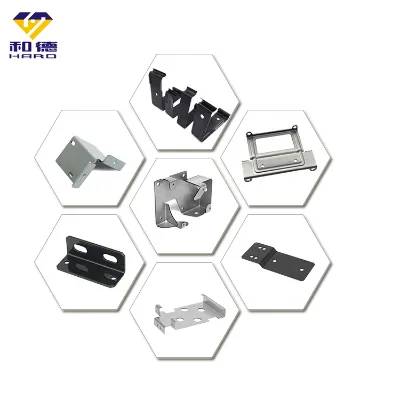


Custom Precision Metal Stamping Parts Brass Stainless Steel Aluminum Stamped
$0.04 - $0.07
MOQ: 5000 Pieces


Custom Metal Stamping Parts for Stainless Steel Industrial Applications
$0.99 - $30.99
MOQ: 100 Pieces
Comprehensive Sourcing Guide
Strategic Sourcing Guide for Custom Stainless Steel Stamping Parts
Understanding Technical Specifications and Material Capabilities
When sourcing Custom Stainless Steel Stamping Parts, the primary objective is to align the physical properties of the raw material with the functional requirements of the final assembly. The procurement process begins with a rigorous definition of material standards. In the current market, suppliers often cite a broad spectrum of international standards including GB, ASTM, EN, DIN, JIS, BS, ANSI, and SAE. Buyers must verify that the specific stainless steel grade selected for their project conforms to at least one of these recognized standards to ensure consistency in mechanical properties and corrosion resistance.
The material selection extends beyond just the alloy composition to the form factor and dimensions. Available materials in the sector include Stainless Steel, Carbon Steel, Brass, Bronze, and Iron, offering versatility for diverse engineering challenges. A critical technical parameter is the processing capacity regarding material thickness. Verified data indicates that capable manufacturing facilities can handle material thicknesses ranging from 0.2mm to 25mm. This wide range allows for the production of both delicate electronic components and heavy-duty structural brackets. Furthermore, the length of the processed material is a significant constraint; suppliers typically demonstrate the ability to process lengths from 1mm up to 3000mm.
The manufacturing process itself is a decisive factor in the quality of the final part. The industry utilizes advanced methods such as CNC Stamping, Deep Drawing, and Separation Processes. For complex geometries, the use of Multistep Progressive Dies is common, allowing for high-volume production with minimal manual intervention. The tolerance levels required for the application dictate the precision of the stamping. While some general applications may accept tolerances around 0.1mm, high-precision engineering sectors often demand tighter controls, with observed capabilities reaching +/-0.01mm. Buyers should explicitly confirm that the supplier's machinery and tooling can consistently maintain these specific tolerance thresholds before placing an order.
Compliance, Certification, and Regulatory Standards
Navigating the compliance landscape is essential for international procurement, particularly when parts are destined for regulated industries such as aerospace, marine, or medical devices. The verification of certifications serves as a proxy for the supplier's commitment to quality management systems. A robust supplier portfolio often includes certifications such as ISO9001:2015, ISO9001:2008, RoHS, and SGS. These documents indicate that the manufacturer adheres to specific quality control protocols and environmental standards regarding hazardous substances.
In addition to general quality certifications, specific industry standards must be met. The sourcing guide notes that products frequently comply with standards such as JIS, GB, ASTM, DIN, ASME, TEMA, and EN. It is imperative for buyers to cross-reference these standards with the regulatory requirements of their destination market. For instance, parts intended for the European market must strictly adhere to EN standards, while those for the North American market often require ASTM or ANSI compliance. The presence of a "Super" or "Very Good" quality rating in supplier descriptions is an observation of their self-assessment but should be validated through third-party audit reports or sample testing.
Surface treatment is another critical compliance area, as it affects both the durability and the environmental safety of the part. Common treatments observed in the market include Powder Coating, Anodizing, Sandblasting, and Electroplating. These processes must be selected based on the end-use environment. For example, parts operating in corrosive marine environments may require specific electroplating or anodizing treatments to prevent degradation. Buyers should request detailed material safety data sheets (MSDS) and compliance certificates for any surface treatments to ensure they do not introduce hazardous elements into the supply chain.
Cost Drivers and Pricing Structures
The pricing of Custom Stainless Steel Stamping Parts is influenced by a complex interplay of factors, including material costs, tooling complexity, and order volume. The observed market price range is extensive, spanning from $0.04 to $10,000 USD. This vast disparity highlights the difference between small, simple components and large, complex assemblies or high-volume production runs. The Minimum Order Quantity (MOQ) is a significant driver of unit cost. Suppliers typically set MOQs ranging from 1 piece to 100,000 pieces. A lower MOQ, such as 100 pieces, allows for smaller batch testing but often results in a higher unit price due to the fixed costs of setup and machine time.
Tooling costs represent a substantial portion of the initial investment. The use of Multistep Progressive Dies, while efficient for mass production, requires a significant upfront capital outlay. Buyers must evaluate whether the projected volume justifies the cost of custom die fabrication. If the application requires low-volume production, the use of simpler tooling or alternative processes like CNC Stamping might be more cost-effective, even if the per-unit time is longer. Additionally, the customization level plays a role; fully customized parts with unique geometries will incur higher engineering and design fees compared to standard off-the-shelf modifications.
Packaging requirements also impact the final landed cost. Standard packaging often involves carton boxes, but for high-value or fragile components, suppliers may offer wooden cases or custom packaging as per customer request. These specialized packaging solutions add to the overall cost but are necessary to prevent damage during transit. Buyers should factor in these logistics costs when comparing quotes from different suppliers. It is crucial to request a detailed breakdown of costs, separating material, tooling, processing, and packaging fees, to understand the true cost drivers and identify areas for potential negotiation.
Typical Applications and Industry Use Cases
Custom Stainless Steel Stamping Parts serve a myriad of industries, each with unique performance requirements. The versatility of the material and the precision of the stamping process make these components suitable for applications in aerospace, marine, metro, and motorbike sectors. In the aerospace industry, the demand for lightweight yet strong components is paramount. Stainless steel stamping parts used in this sector must withstand extreme temperatures and pressures, requiring strict adherence to ASTM and ASME standards.
The marine industry presents another challenging environment where corrosion resistance is critical. Parts used in marine applications often undergo specific surface treatments like anodizing or specialized electroplating to protect against saltwater corrosion. Similarly, the metro and transportation sectors rely on stamping parts for structural integrity and safety. Components for motorbikes and other vehicles require high precision and durability, often utilizing fine blanking techniques to achieve smooth edges and tight tolerances.
Beyond these high-tech sectors, the metal casting, coating, drawing, forging, straightening, cutting, and recycling machinery industries also utilize custom stamping parts. These applications often involve heavy-duty machinery where the parts must endure significant mechanical stress. The ability to customize the part design allows manufacturers to integrate specific features that enhance the efficiency of their machinery. For example, a custom stamping part might be designed to fit a specific metal cutting machine, optimizing the workflow and reducing downtime.
Supplier Evaluation and Qualification Criteria
Selecting the right supplier is a critical step in the procurement process. Buyers should evaluate potential partners based on their engineering support capabilities, production capacity, and track record. A supplier with strong engineering support can assist in optimizing the design for manufacturability, potentially reducing costs and improving part quality. The availability of OEM services is another key indicator of a supplier's flexibility and ability to meet specific client needs.
The production capacity of the supplier must align with the buyer's volume requirements. Facilities that can process material thicknesses from 0.2mm to 25mm and lengths up to 3000mm demonstrate a high level of versatility. Buyers should also inquire about the supplier's lead times and their ability to scale production in response to demand fluctuations. While specific lead time data may vary, the ability to handle large order volumes, indicated by high MOQs, suggests a robust production infrastructure.
Quality assurance is paramount. Buyers should verify the supplier's quality control processes, including in-process inspections and final testing. The presence of certifications like ISO9001:2015 and SGS provides a baseline assurance of quality management. However, buyers should also request samples and conduct their own testing to verify that the parts meet the specified tolerances and material standards. The supplier's willingness to provide detailed documentation, including material certificates and inspection reports, is a strong indicator of their transparency and reliability.
Quality Control and Long-Term Procurement Considerations
Ensuring consistent quality over the lifecycle of a procurement relationship requires a proactive approach to quality control. Buyers should establish clear acceptance criteria based on the specified tolerances, such as +/-0.01mm or 0.1mm, and the required surface treatments. Regular audits and inspections are essential to maintain these standards. The use of statistical process control (SPC) can help monitor the production process and identify potential issues before they result in defective parts.
Long-term procurement considerations include the stability of the supply chain and the supplier's ability to adapt to changing market conditions. Buyers should assess the supplier's raw material sourcing strategies to ensure a consistent supply of high-quality stainless steel. The availability of multiple material standards, such as GB, ASTM, and EN, suggests that the supplier has a diverse supply chain, reducing the risk of material shortages.
Furthermore, the potential for future customization and design iterations should be considered. A supplier that offers comprehensive OEM services and has a flexible production line can support the evolution of the product design over time. The ability to handle both small and large order volumes ensures that the supplier can accommodate growth or changes in demand without compromising quality or delivery schedules. By focusing on these long-term factors, buyers can build a resilient and efficient supply chain for their Custom Stainless Steel Stamping Parts.
Comparative Analysis of Supplier Capabilities
To facilitate a more informed decision-making process, the following table summarizes key capabilities observed in the market for Custom Stainless Steel Stamping Parts. This comparison highlights the range of standards, materials, and processes available to buyers.
| Feature Category | Observed Capabilities & Standards | Verification Requirement |
|---|---|---|
| Material Standards | GB, ASTM, EN, DIN, JIS, BS, ANSI, SAE | Confirm specific grade compliance for application |
| Material Types | Stainless Steel, Carbon Steel, Brass, Bronze, Iron | Verify alloy composition and mechanical properties |
| Thickness Range | 0.2mm - 25mm | Ensure supplier equipment matches project needs |
| Length Capacity | 1mm - 3000mm | Check if long parts require special handling |
| Tolerance Levels | 0.1mm, +/-0.01mm | Request proof of capability for tight tolerances |
| Processing Methods | CNC Stamping, Deep Drawing, Separation Process | Assess suitability for part geometry |
| Surface Treatments | Powder Coated, Anodizing, Sandblast, Electroplating | Validate treatment for environmental resistance |
| Certifications | ISO9001:2015, RoHS, SGS, CE | Require valid certificates and audit reports |
| Packaging Options | Carton Box, Wooden Case, Custom Request | Confirm packaging meets shipping requirements |
| MOQ Range | 1 - 100,000 pieces | Negotiate based on initial volume and scaling |
This table serves as a checklist for buyers to evaluate potential suppliers. It is important to note that while these capabilities are observed in the market, individual suppliers may not possess all of them. Buyers must conduct due diligence to confirm that a specific supplier can meet the unique requirements of their project. By systematically evaluating these factors, buyers can mitigate risks and ensure the successful procurement of high-quality Custom Stainless Steel Stamping Parts.
FAQs
What certifications do Custom Stainless Steel Stamping Parts suppliers typically hold?
Suppliers often hold ISO9001:2015, RoHS, CE, and SGS certifications. These documents verify adherence to quality management systems and environmental standards for hazardous substances, ensuring compliance with international regulations.
Which material standards are accepted for Custom Stainless Steel Stamping Parts?
Accepted standards include GB, ASTM, EN, DIN, JIS, BS, ANSI, and SAE. Buyers must verify that the specific stainless steel grade conforms to at least one of these recognized standards to ensure consistency in mechanical properties.
Can suppliers handle material thicknesses from 0.2mm to 25mm?
Yes, capable manufacturing facilities can process material thicknesses ranging from 0.2mm to 25mm. This wide range allows for the production of both delicate electronic components and heavy-duty structural brackets for various industries.
What is the typical minimum order quantity for these parts?
Minimum order quantities typically range from 1 to 100,000 pieces, with some suppliers setting an MOQ of 100 pieces. Lower MOQs allow for smaller batch testing but often result in a higher unit price due to setup costs.
How are Custom Stainless Steel Stamping Parts packaged for shipment?
Parts are typically packaged in carton boxes or wooden cases. Suppliers also offer custom packaging as per customer request to prevent damage during transit, which may impact the final landed cost.
What surface treatments are available for these stamped parts?
Available treatments include powder coating, anodizing, sandblasting, and electroplating. These processes must be selected based on the end-use environment to ensure durability and resistance against corrosion or wear.
Which industries commonly use Custom Stainless Steel Stamping Parts?
These parts are used in aerospace, marine, metro, motorbike, and metal machinery sectors. Each industry has unique performance requirements, such as corrosion resistance for marine applications or high precision for aerospace components.