Source Custom Special Shape Spirits Bottle for bars, restaurants, and home
Compare 30 listings for Custom Special Shape Spirits Bottle options featuring glass materials, various closures, and customization services. Buyers can review specifications for volumes ranging from 50ml to 1250ml suitable for whisky, vodka, and other beverages.
Key considerations
Products List


China Bottle Custom Design Glass Liquor Spirit Bottles for Vodka Unique Bottles 750ml
$0.25 - $0.50
MOQ: 6000 Pieces


Custom Engraved Empty Spirits Glass Bottle for Liquor with Stopper Stocked
$0.25 - $0.50
MOQ: 6000 Pieces

Factory Price Round Shape Spirits Bottles Wholesale 700ml Spirits Square Liquor Bottle
$0.25 - $0.50
MOQ: 6000 Pieces


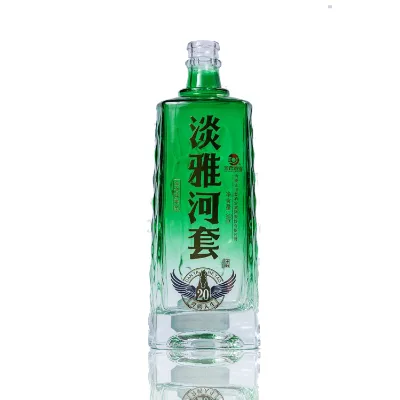


Wholesale Custom Silk Screen Printing Glass Bottle Custom Logo Glass Spirit Bottle
$0.80 - $1.50
MOQ: 6000 Pieces

750ml Durable Frosted Glass Spirit Bottle with Screw Cap and Custom Decal
$0.48 - $1.20
MOQ: 6000 Pieces


Comprehensive Sourcing Guide
Strategic Sourcing Guide for Custom Special Shape Spirits Bottles
Defining Technical Specifications and Material Integrity
When sourcing custom special shape spirits bottles, the primary objective is to align the physical attributes of the container with the specific branding and functional requirements of the spirit product. The market offers a diverse array of options, ranging from traditional round profiles to complex square, rectangular, and flat geometries. Buyers must recognize that the term "special shape" often implies a departure from standard cylindrical forms, necessitating careful evaluation of mold availability and structural stability.
The material composition is the foundational element of any spirits bottle. High-quality sourcing requires verifying that the glass is manufactured from Super Flint, Extra Flint, or High Flint glass. These materials are preferred for their clarity, chemical resistance, and ability to protect the contents from light degradation. The observed product standards indicate a "Premium quality glass" specification, which suggests that the glass should be free from bubbles, stones, and other inherent defects that could compromise the bottle's integrity during filling or transportation.
Volume capacity is another critical specification. While standard sizes like 700ml, 750ml, 850ml, 1000ml, 1250ml, and 50-1000ml ranges are common, custom orders often require precise volume calibration. The physical dimensions, such as a height of 230mm, must be considered in the context of shelf space and consumer ergonomics. Furthermore, the weight of the bottle, observed at 580g for certain models, serves as a proxy for glass thickness and perceived value. Heavier bottles often convey a premium feel, but they also increase shipping costs and the risk of breakage. Buyers should verify the weight-to-volume ratio to ensure it matches the intended market positioning.
The sealing mechanism is equally vital for preserving the spirit's quality. The market presents various closure types, including Rubber Stoppers, Cork Stoppers, Bar Top Finishes, and Screw Top Finishes. The choice of sealing type depends on the spirit's volatility and the desired opening experience. For instance, a Cork Stopper is traditional for aged spirits like Whisky and Brandy, while a Screw Top Finish might be preferred for Vodka or Gin to ensure a tight seal and ease of use. The compatibility between the bottle neck finish and the closure must be rigorously tested to prevent leakage or oxidation.
Compliance, Certification, and Regulatory Standards
Navigating the regulatory landscape is a non-negotiable aspect of sourcing spirits packaging. Since these bottles will contain consumable liquids, the materials must meet strict food safety standards. The supply chain should provide documentation confirming that the glass and any applied coatings or labels are compliant with relevant health regulations.
Key certifications to verify include FDA approval, which ensures the materials are safe for food contact in the United States market. Additionally, CE / EU certification is essential for products destined for the European Union, indicating compliance with European safety, health, and environmental protection requirements. While some background sources mention ISO 9001:2015 or ISO 14001, buyers should treat these as general quality management indicators rather than specific product guarantees unless explicitly stated in the supplier's current documentation. The primary focus must remain on the product-specific certifications like FDA and CE / EU, which directly impact the safety of the liquid contents.
The labeling and decoration processes also fall under regulatory scrutiny. If the bottles feature printed labels, screen printing, or decals, the inks used must be non-toxic and food-safe. The "Customized" logo capability mentioned in product attributes allows for brand differentiation, but the printing process must not introduce contaminants into the bottle or the spirit. Buyers should request proof of compliance for all decorative elements, ensuring that the "Eco-Friendly" claims, if made, are backed by verifiable data regarding the recyclability of the glass and the sustainability of the printing inks.
Cost Drivers and Economic Factors in Customization
Understanding the cost structure of custom spirits bottles is essential for budgeting and pricing strategy. The cost is not merely a function of the glass volume but is heavily influenced by the complexity of the mold and the customization level. Special shapes require unique molds, which involve significant upfront tooling costs. These costs are often amortized over the order quantity, making the Minimum Order Quantity (MOQ) a critical factor in the unit price.
The observed MOQ range spans from 100 to 50,000 units, with specific listings indicating an MOQ of 10,000 pieces for certain custom configurations. This wide range suggests that suppliers offer tiered pricing models. Smaller orders may incur higher per-unit costs due to the fixed costs of mold creation and setup. Conversely, larger volumes can significantly reduce the unit price. Buyers must balance their inventory needs with the financial commitment required for custom tooling.
Material costs also fluctuate based on the type of glass used. Super Flint and High Flint glass are generally more expensive than standard glass due to their higher purity and clarity. The weight of the bottle, such as the 580g observed in some models, directly correlates with material usage and, consequently, cost. Heavier bottles require more raw materials and energy to produce, leading to higher manufacturing costs.
Shipping and logistics represent another significant cost driver. The "Packing" attributes, such as "Carton+Pallet" or "Pallet with Divider," are designed to protect the glass during transit. However, the fragility of glass necessitates robust packaging, which adds to the overall weight and volume of the shipment. The "Shipping Way" options, including Sea or Air, offer trade-offs between cost and speed. Sea freight is generally more economical for large volumes but involves longer lead times, while air freight is faster but significantly more expensive. Buyers should calculate the total landed cost, including packaging, freight, and insurance, rather than focusing solely on the unit price.
Typical Applications and Market Positioning
Custom special shape spirits bottles serve a variety of applications, ranging from high-end luxury brands to mass-market products. The "Usage" attributes indicate suitability for Whisky, Whiskey, Gin, Wine, Vodka, Rum, and Tequila. Each of these spirits has distinct market expectations regarding bottle design. For example, Whisky and Brandy often utilize heavier, square, or uniquely shaped bottles to convey tradition and age, while Vodka and Gin may favor sleek, modern, or transparent designs to emphasize purity.
The "Application" scope extends beyond the product itself to the point of sale. Bottles are designed for use in Bars, Restaurants, and Kitchens, as well as for Home consumption. The aesthetic appeal of the bottle plays a crucial role in consumer decision-making. Features like "Customized" logos, "Printed Labels," and decorative techniques such as "Screen Printing" or "Embossing" allow brands to create a unique visual identity. The "Eco-Friendly" feature is increasingly important for consumers who prioritize sustainability, making it a valuable selling point for brands targeting environmentally conscious markets.
The "Pieces" attribute, often listed as "Sets," suggests that some suppliers offer bundled solutions, such as a bottle paired with a specific cork or stopper. This can simplify the procurement process for buyers who need a complete packaging solution. The versatility of the "Shape" options, including Round, Square, Rectangle, Flat, and Custom, allows brands to differentiate their products in a crowded marketplace. A unique shape can serve as a trademark, making the bottle instantly recognizable on the shelf.
Supplier Evaluation and Production Capabilities
Selecting the right supplier is critical for ensuring consistent quality and timely delivery. Buyers should evaluate suppliers based on their production capabilities, customization options, and track record. The "Production Ability" of 2000 pieces per day is a key metric to assess whether a supplier can meet large order volumes within the required timeframe. However, buyers must also consider the "Production Time," which is observed to be 25-35 working days. This lead time includes mold creation, glass manufacturing, decoration, and quality control.
The "OEM/ODM" (Original Equipment Manufacturer/Original Design Manufacturer) status is a strong indicator of a supplier's flexibility. Suppliers that "Welcome" or "Accept" OEM/ODM services are better equipped to handle custom requests, from unique shapes to specific branding requirements. The "Customization" attribute confirms that suppliers are willing to adapt their products to meet specific buyer needs. Buyers should verify the supplier's ability to manage the entire customization process, from design to final delivery.
Sample availability is another important factor. The "Sample: Free" attribute suggests that some suppliers offer complimentary samples for evaluation. This allows buyers to assess the quality, weight, and finish of the bottles before committing to a large order. However, buyers should be aware that while samples may be free, shipping costs for samples might not be covered. The "Payment Methods" accepted, such as T/T, Western Union, and Paypal, should be reviewed to ensure they align with the buyer's financial policies and risk management strategies.
Quality Control and Long-Term Procurement Considerations
Quality control is paramount when sourcing glass packaging. The "Standard" of "Premium quality glass" implies that suppliers should have rigorous inspection processes in place to detect defects such as bubbles, cracks, or uneven thickness. Buyers should request detailed quality control reports and inspection protocols from suppliers. The "Certification" of FDA and CE / EU serves as a baseline, but additional internal quality checks are necessary to ensure consistency across large batches.
Long-term procurement considerations involve building a sustainable relationship with suppliers. The "Logo: Customized" and "Decoration" options suggest that branding is a long-term investment. Buyers should ensure that the supplier can maintain consistency in the branding elements over multiple production runs. The "Packing" methods, such as "Carton and Pallet" or "Pallet with Divider," should be evaluated for their ability to protect the product during long-term storage and transportation.
The "Feature: Eco-Friendly" aspect is becoming increasingly relevant for long-term strategy. Buyers should verify the recyclability of the glass and the sustainability of the packaging materials. Suppliers that offer "Custom" packing solutions can help reduce waste and improve the environmental footprint of the supply chain. Additionally, the "Production Time" of 25-35 working days should be factored into inventory planning to avoid stockouts. Buyers should maintain a buffer stock to account for potential delays in production or shipping.
In conclusion, sourcing custom special shape spirits bottles requires a comprehensive understanding of technical specifications, regulatory compliance, cost drivers, and supplier capabilities. By carefully evaluating these factors, buyers can secure high-quality packaging that meets their brand's unique requirements and market demands. The ability to customize shapes, materials, and decorations allows for significant brand differentiation, while adherence to strict quality and safety standards ensures the integrity of the product.
FAQs
What glass materials are used for custom spirits bottles?
Suppliers typically use Super Flint, Extra Flint, or High Flint glass for these bottles. These materials ensure premium clarity and chemical resistance while protecting the spirit from light degradation during storage and transport.
Which certifications ensure the bottles are safe for food contact?
The bottles must hold FDA and CE / EU certifications to guarantee safety for consumable liquids. These certifications confirm that the glass and any decorative inks meet strict health regulations for food contact in the US and EU markets.
How long does production take for custom shaped glass bottles?
Production time generally ranges from 25 to 35 working days for custom orders. This timeline includes mold creation, glass manufacturing, decoration, and final quality control checks before the goods are ready for shipment.
Can suppliers accept OEM and ODM requests for branding?
Yes, suppliers explicitly welcome and accept OEM and ODM services for custom branding. Buyers can request customized logos, printed labels, screen printing, or embossed decorations to create a unique visual identity for their spirit products.
What are the typical sealing types available for these bottles?
Available sealing options include Rubber Stoppers, Cork Stoppers, Bar Top Finishes, and Screw Top Finishes. The choice depends on the specific spirit type, such as Cork for Whisky or Screw Top for Vodka, to ensure a proper seal.
What is the minimum order quantity for custom glass bottles?
The minimum order quantity varies from 100 to 50,000 units depending on the specific configuration. Some custom models require an MOQ of 10,000 pieces, while smaller orders may incur higher per-unit costs due to tooling expenses.