Source Custom Vib Fishing Lures for Sea, Lake, and River
Compare 30 Custom Vib Fishing Lures from verified suppliers. Buyers can evaluate models like B-A06 and FM-09, materials such as ABS and metal, and specifications for sea, lake, and river fishing applications.
Key considerations
Products List


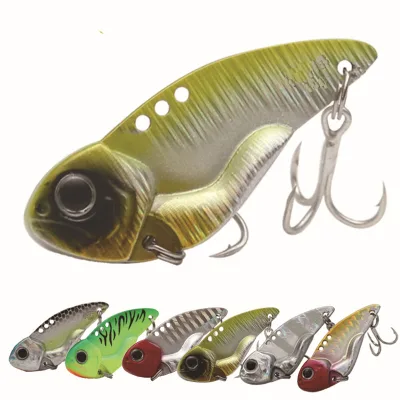
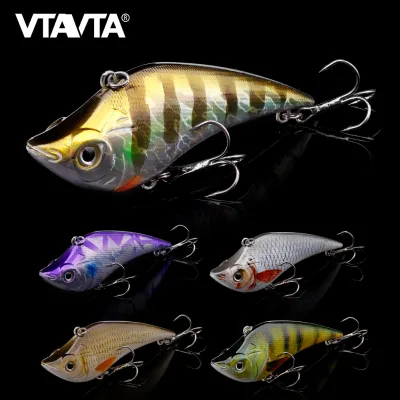
Custom 2 Sizes 5 Colors Fishing Lures Luminous Metal Lure Vib for Pike Bass
$0.43 - $1.20
MOQ: 1500 Pieces


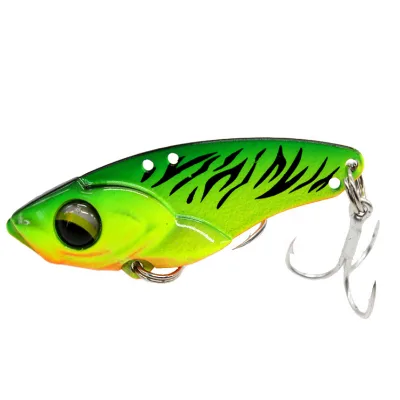
Fishing Tackle Fishing Lure 70mm 18g Sinking Vib Fishing Lure for Ice Fishing
$0.06 - $0.58
MOQ: 1500 Pieces
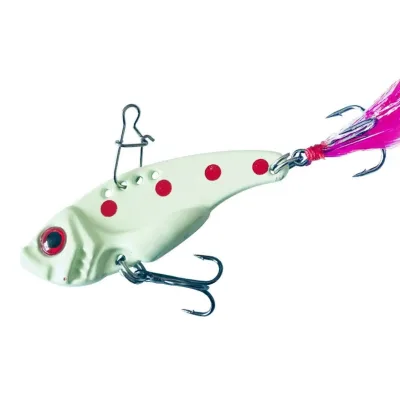
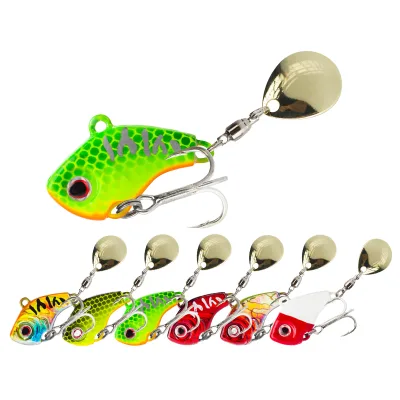
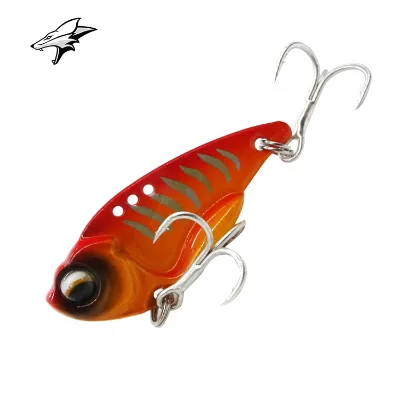
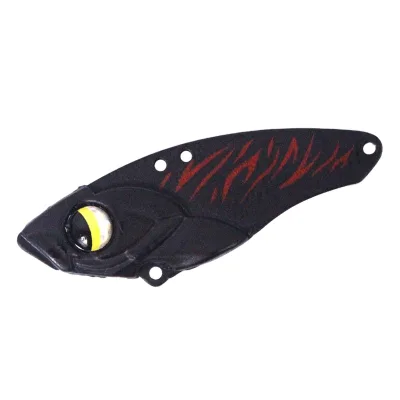
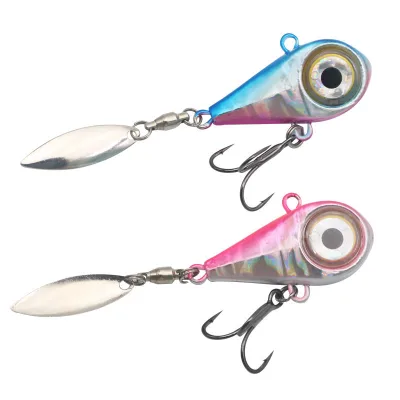

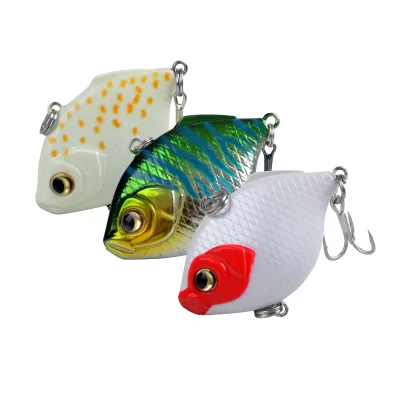
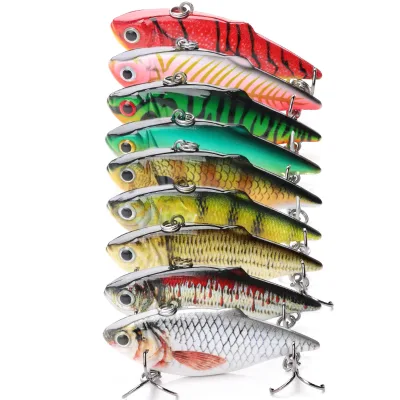
6.5cm Vib Lure Fishing Lure Fishing Tackle Plasstic Fishing Lure Fishing
$1.10 - $1.30
MOQ: 500 Pieces






Comprehensive Sourcing Guide
Custom Vib Fishing Lures Sourcing Guide
Sourcing custom vibration (vib) fishing lures requires a strategic balance between precise engineering specifications and flexible manufacturing capabilities. These lures are designed to mimic the erratic swimming motion of injured baitfish, making them highly effective across various fishing environments. Buyers must navigate a market where customization is not just an option but a standard expectation, allowing for tailored solutions that align with specific brand identities and target species. The following guide outlines the critical steps for evaluating suppliers, verifying technical attributes, and ensuring commercial viability in this specialized niche.
The procurement process begins with a clear understanding of the product scope and the signals present in current market listings. By analyzing observed data points such as material composition, model numbers, and packaging standards, buyers can establish a baseline for quality and consistency. This guide leverages these observed facts to provide actionable advice on how to structure requests for quotation (RFQs), evaluate supplier responses, and mitigate risks associated with custom manufacturing orders. The goal is to transform raw data into a robust sourcing strategy that supports long-term business growth.
Product Scope and Observed Listing Signals
The current market for custom vib lures exhibits a diverse range of product attributes, indicating a mature supply chain capable of handling varied buyer requirements. Observed listings reveal a price range of $0.06 to $3.80 USD, suggesting significant variation based on complexity, material quality, and order volume. The minimum order quantity (MOQ) ranges from 2 to 2,000 units, highlighting the flexibility available to both small-scale testers and large-volume distributors. Buyers should note that while low MOQs are available for sampling or niche products, larger orders often trigger more favorable pricing tiers and potentially stricter production schedules.
Material composition is a primary differentiator in this category, with ABS plastic and metal being the most commonly observed materials. ABS lures are typically lighter and offer buoyancy control, while metal lures provide superior weight and durability for deeper water applications. The observed models, such as B-A06, FM-09, and HDY710/1, demonstrate a variety of sizes and weights, ranging from 26mm/15g to 80mm/20g. Buyers must carefully match these specifications to their target fishing conditions, as the weight-to-length ratio directly influences the lure’s swimming action and depth capability.
Technical Specifications to Verify
Verifying technical specifications is critical to ensuring that the custom lures perform as expected in the field. Buyers should prioritize the verification of buoyancy states, which are observed as either floating or sinking. This attribute is crucial for determining the lure’s application in different water columns and fishing techniques. For instance, sinking lures are often preferred for deep-water sea fishing, while floating lures may be better suited for surface or shallow-water freshwater applications. Confirming the state of the lure during the sampling phase is essential to avoid costly mismatches between product design and intended use.
Hook configuration and standard compliance are other vital technical aspects that require rigorous verification. Observed hook types include VMC, BKK, Mustad, and Origin brands, with options for treble hooks or custom configurations. Buyers should specify the exact hook model and size in their RFQs, as these components significantly impact catch rates and durability. Additionally, standards such as 6.5cm 7g or 7.3g/9cm must be strictly adhered to during production. Any deviation in weight or length can alter the lure’s vibration frequency and swimming pattern, potentially rendering it ineffective for the target species.
Compliance and Safety Documentation
While specific certification statuses are not explicitly detailed in the observed listings, buyers must ensure that all custom vib lures comply with relevant safety and environmental regulations. This is particularly important for products intended for export to markets with strict chemical restrictions, such as the European Union or North America. Buyers should request documentation confirming that the ABS plastic and metal components are free from harmful substances like lead, cadmium, or phthalates. Verifying the safety of paints and coatings used in the printing process is equally important, as these materials come into direct contact with water and fish.
Packaging standards also play a role in compliance and product protection. Observed packaging options include PVC boxes, pet boxes with cards, and standard boxes. Buyers should ensure that the packaging materials are durable enough to protect the lures during transit and storage, while also meeting any local recycling or labeling requirements. Clear labeling with product information, including model numbers, weights, and hook types, is essential for inventory management and customer satisfaction. Buyers should work with suppliers to develop packaging solutions that balance cost-efficiency with regulatory compliance and brand presentation.
Cost Drivers and Commercial Terms
Understanding the cost drivers in custom vib lure manufacturing is essential for accurate budgeting and negotiation. Key factors influencing cost include material selection, hook quality, customization complexity, and order volume. Metal lures and those with intricate printing or custom hook configurations typically command higher prices than standard ABS models. The observed lead time of 50-60 days or negotiable terms indicates that production schedules can vary based on order size and complexity. Buyers should factor in these lead times when planning inventory levels to avoid stockouts during peak fishing seasons.
Commercial terms such as MOQ and payment conditions are critical components of the sourcing agreement. The observed MOQ of 300 pieces per five colors for certain models suggests that suppliers may require minimum commitments to justify the setup costs for custom production. Buyers should negotiate MOQs based on their sales forecasts and storage capabilities, seeking flexibility for initial orders while securing better terms for repeat purchases. Clear communication regarding payment terms, shipping responsibilities, and return policies for defective items is essential to protect both parties and ensure a smooth transaction process.
Supplier Qualification and Quality Control
Supplier qualification is a foundational step in securing a reliable source for custom vib lures. Buyers should assess suppliers based on their production capacity, customization capabilities, and quality control processes. The observed acceptance of OEM/ODM services indicates that many suppliers are equipped to handle custom branding and design requirements. Buyers should verify the supplier’s ability to maintain consistency in weight, length, and hook attachment across large production runs. Requesting samples from multiple suppliers allows for direct comparison of product quality and attention to detail.
Quality control measures should be integrated into the procurement process to minimize the risk of defects. Buyers should establish clear acceptance criteria for product appearance, hook strength, and buoyancy performance. Implementing pre-shipment inspections or third-party quality audits can provide an additional layer of assurance. Suppliers that offer free samples, as observed in some listings, demonstrate confidence in their product quality and a willingness to engage in a transparent evaluation process. Buyers should leverage these opportunities to thoroughly test products before committing to large orders.
Long-Term Procurement Checks
Establishing long-term procurement checks ensures sustained quality and reliability in the supply chain. Buyers should conduct periodic reviews of supplier performance, focusing on metrics such as on-time delivery, product consistency, and responsiveness to issues. Maintaining open communication channels with suppliers facilitates continuous improvement and allows for timely adjustments to product specifications or production schedules. Regularly updating product catalogs and specifications based on market feedback and technological advancements helps keep the product line competitive and relevant.
Building a resilient supply chain also involves diversifying suppliers and maintaining buffer stock for critical items. While the observed lead times of 50-60 days provide a baseline, buyers should develop contingency plans for potential disruptions. This may include identifying alternative suppliers for key components like hooks or packaging materials. By proactively managing risks and fostering strong relationships with suppliers, buyers can ensure a steady supply of high-quality custom vib lures that meet the evolving needs of their customers and support long-term business success.
FAQs
What customization options are available for Custom Vib Fishing Lures?
Customization is available for these artificial baits, allowing buyers to request specific modifications. The products support OEM and ODM services, enabling tailored designs for different fishing techniques in both saltwater and freshwater environments.
Which specifications are offered for the hard bait models?
Specifications vary by model, with options ranging from 6.5cm to 9cm in length and weights from 7g to 35g. Specific models like B-A06 and FM-09 offer distinct standard sizes to suit different fishing conditions and target species.
Can buyers request samples before placing a large order?
Yes, free samples are supported for these Custom Vib Fishing Lures. This allows buyers to verify the quality of the ABS material and hook types before committing to the minimum order quantity required for production.
What is the typical lead time for manufacturing these lures?
The lead time is typically 50 to 60 days, though this can be negotiated depending on order volume. Buyers should account for this duration when planning their inventory, especially for customized orders requiring specific packaging or branding.
How are these artificial baits packaged for shipment?
Packaging options include PVC boxes, PET boxes with cards, or standard boxes depending on the specific model. The packaging is designed to protect the hard baits while presenting them clearly for retail or wholesale distribution.
Which hook brands are used on these fishing lures?
Hooks from reputable brands like VMC, BKK, Mustad, and Origin are used on these lures. Some models come with specific hook sizes such as Origin #6, while others allow for custom hook selection to match the bait design.
What is the minimum order quantity for these products?
The minimum order quantity ranges from 100 pieces to 300 pieces depending on the specific product line. Some items require a minimum of 300 pieces per color, while others may start at 2 pieces for smaller trials.