Find Custom Waterproof Coffee Bean Kiosk for Street, Mall, and Event
Source 30 verified options for a Custom Waterproof Coffee Bean Kiosk designed for street vending, mall displays, and outdoor events. Compare features like wireless data transmission, dual-band WiFi, and customizable food cart equipment to find the right supplier.
Key considerations
Products List


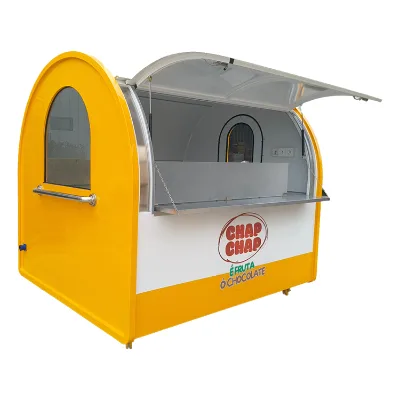


Aluminum and Easy Installing Outdoor Food Kiosk with Waterproof Structure
$5000.00 - $20000.00
MOQ: 5 Pieces


Customization Coffee Vending Cart Coffee Cart Kiosk Coffee Bicycle Cart
$1500.00 - $3600.00
MOQ: 1 Pieces


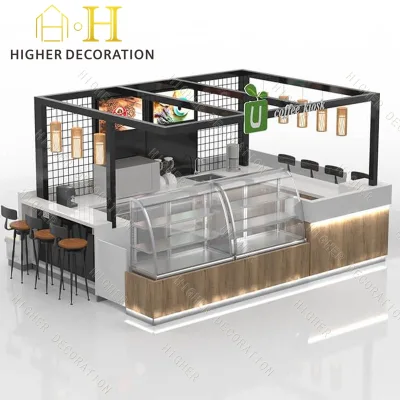
Comprehensive Sourcing Guide
Custom Waterproof Coffee Bean Kiosk Sourcing Guide
Sourcing a Custom Waterproof Coffee Bean Kiosk requires a strategic approach that balances environmental durability with specialized beverage preparation functionality. Unlike standard retail kiosks, units designed for outdoor or high-moisture environments must withstand rain, humidity, and temperature fluctuations while maintaining the precision required for coffee extraction. Buyers must prioritize structural integrity and electrical protection ratings to ensure long-term operational reliability. This guide outlines the critical verification steps, technical considerations, and commercial terms necessary to secure a reliable supply chain for these specialized assets.
The procurement process begins with defining the specific operational environment and functional requirements of the kiosk. Whether intended for street vending, park installations, or semi-outdoor mall atriums, the design must accommodate both the physical footprint of coffee equipment and the necessary utility connections. Customization options should be evaluated against the constraints of waterproofing standards and local zoning regulations. Understanding these baseline needs allows buyers to filter suppliers effectively and avoid costly modifications after production.
Product Scope and Observed Listing Signals
The current market for custom coffee kiosks includes a diverse range of configurations, from compact mobile carts to fixed outdoor structures. Observed listings indicate a price range of $108.8 to $20,000 USD, reflecting significant variation in materials, size, and integrated technology. Minimum order quantities (MOQ) typically range from 1 to 30 units, suggesting that suppliers are flexible enough to accommodate both single prototype orders and small-scale fleet deployments. Buyers should interpret this wide price spread as an indicator of varying build quality and feature sets rather than a uniform market standard.
Product attributes observed in the market include semi-automatic grades, multifunctional designs, and customizable colors and equipment. Many suppliers offer units with non-slip aluminum flooring, double sinks, and customized inner equipment, which are essential for coffee preparation workflows. Some listings highlight specific models such as the YT-350WDH and YT-FR250WD, which feature dimensions around 350x200x235 cm and are packed in wooden cases for sea shipping. These signals suggest that the market is heavily oriented towards outdoor street vending applications, with a strong emphasis on mobility and self-contained utility systems.
Technical Specifications to Verify
When evaluating technical specifications, buyers must verify the ingress protection (IP) ratings of all electrical components, particularly the control panels, power supplies, and coffee machine interfaces. Standard specifications often include dual-band WiFi (2.4GHz + 5GHz) and Bluetooth 5.4 connectivity, which facilitate remote monitoring and software updates. However, the physical sealing of these ports is critical; buyers should request detailed diagrams showing gasket placements and cable gland specifications to ensure that moisture cannot penetrate the internal electronics during heavy rain or high-pressure cleaning.
Screen size and interface durability are also key technical considerations. Observed data points to screen sizes of 15.6 or 21.5 inches with 10-point G+G touch capabilities, which are suitable for customer interaction and order management. The internal memory configuration of 4GB RAM and 64GB ROM is standard for running queue management systems and digital signage. Buyers should verify that the touch screens are rated for outdoor visibility and have anti-glare coatings, as standard indoor displays may fail under direct sunlight or become unresponsive due to condensation.
Compliance and Safety Documentation
Compliance with local electrical and safety standards is non-negotiable for outdoor coffee kiosks. Most observed listings cite CE certification, and some include ISO certifications, which indicate adherence to European safety and quality management principles. Buyers must verify that these certifications cover the specific electrical components installed, such as the DC 12V / 7A power systems and any integrated receipt printers or QR scanners. Documentation should explicitly state that the waterproofing measures do not compromise the grounding or insulation resistance of the unit.
Fire safety and material flammability ratings are equally important. The flooring, often described as non-slip aluminum with drainage, must be paired with fire-retardant interior panels and wiring. Buyers should request material safety data sheets (MSDS) for all internal components, including the insulation on wiring harnesses and the coatings on metal surfaces. Additionally, if the kiosk includes gas connections for certain coffee brewing methods, compliance with local gas safety regulations and leak detection standards must be documented and verified by the supplier.
Cost Drivers and Commercial Terms
The cost of a custom waterproof coffee kiosk is driven primarily by the quality of materials, the extent of customization, and the complexity of the electrical integration. Units with higher-grade stainless steel exteriors, advanced waterproofing seals, and integrated premium coffee equipment will command prices at the higher end of the observed range. Buyers should analyze the bill of materials (BOM) to understand where costs are allocated, ensuring that they are not paying for unnecessary features while missing critical durability upgrades.
Commercial terms such as lead times, payment structures, and warranty coverage vary significantly among suppliers. Observed packing methods include cartons for smaller units and wooden cases for larger structures, which impacts shipping costs and insurance requirements. Buyers should negotiate clear terms regarding the handling of defective components during transit and the availability of spare parts, such as touch screens, power adapters, and printer mechanisms. It is advisable to secure a warranty that covers both structural integrity and electrical functionality for a minimum period, given the harsh operating environment.
Supplier Qualification and Quality Control
Supplier qualification should focus on their experience in manufacturing outdoor or waterproof structures rather than general retail fixtures. Buyers should request references from previous clients who have deployed similar kiosks in wet or outdoor environments. Verification of the supplier’s quality control processes is essential, including their procedures for testing waterproof seals, electrical continuity, and structural stability. Suppliers who provide detailed inspection reports or third-party testing results for their waterproofing claims offer a higher level of assurance.
Factory audits or virtual inspections can reveal the consistency of the manufacturing process. Buyers should look for suppliers who use standardized welding techniques for metal frames and consistent application of sealants around electrical penetrations. The presence of a dedicated R&D or engineering team that can accommodate custom modifications, such as adjusting the internal layout for specific coffee machines, is a strong indicator of a reliable partner. Avoid suppliers who rely solely on generic templates without the capacity for engineering adjustments.
Long-Term Procurement Checks
Long-term procurement success depends on the availability of after-sales support and spare parts. Buyers should establish a clear protocol for troubleshooting and repair, including the provision of technical manuals in English and access to remote diagnostic tools if the kiosk includes smart features. The durability of the waterproofing over time is a critical concern; buyers should inquire about the expected lifespan of seals and gaskets and the cost of replacement. Regular maintenance schedules should be defined to prevent moisture accumulation and component failure.
Finally, buyers must monitor regulatory changes that may affect the operation of outdoor kiosks, such as new zoning laws or updated electrical codes. Maintaining a relationship with a supplier who stays current with these regulations ensures that future orders remain compliant. Periodic reviews of the kiosk’s performance in the field, including feedback from operators regarding ease of cleaning and reliability, should inform subsequent procurement decisions. This continuous feedback loop helps refine specifications and ensures that the investment in custom waterproof coffee kiosks delivers sustained value.
FAQs
Can the kiosk be customized for specific food applications?
Yes, customization is available for various food applications including popcorn, chocolate, candy, donuts, biscuits, ice cream, and chips. The product supports customized colors and inner equipment to meet specific operational needs.
What installation methods are supported for the queue system?
The system supports desktop, wall-mounted, and floor-standing installation methods. This flexibility allows the unit to be adapted to different indoor environments and space constraints effectively.
Does the device include a receipt printer with cutting capability?
Yes, it includes an 80mm printer with a cutter and a maximum print speed of 250mm per second. This ensures fast transaction processing for high-volume indoor queue systems.
What connectivity options are available for the data collector?
The data collector features wireless signal transmission with dual-band WiFi, Bluetooth 5.4, and Ethernet support. It also includes rich ports such as USB and RJ45 for versatile connectivity.
Is the food trailer suitable for outdoor street vending?
Yes, the outdoor street food cart is designed for outdoor street vending with non-slip aluminum flooring and a double sink water system. It includes customized cooking equipment and road wheels for mobility.
What certifications does the product hold for safety compliance?
The product holds CE certification, and some models also include ISO certification. These standards ensure the equipment meets international safety and quality requirements for commercial use.
What are the standard dimensions for the food trailer?
Standard dimensions vary by model, with one version measuring 350 by 200 by 235 centimeters. Another model has dimensions of 350 by 320 by 854 millimeters depending on the specific configuration.