Source Custom Wedding Flip Flops for beach, party, and pool
Find 30 listings for Custom Wedding Flip Flops featuring various colors, materials like EVA and PVC, and OEM options. Buyers can compare sizes, styles, and MOQs to find suitable suppliers for events; compare the available evidence and request quotations based on your requirements.
Updated
Key considerations
Products List
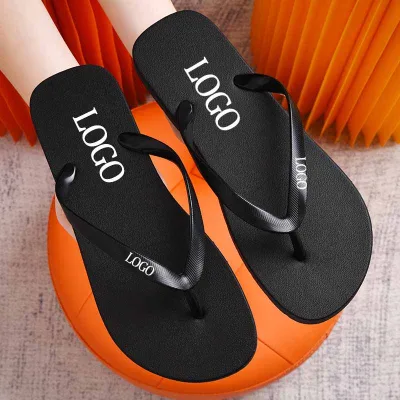
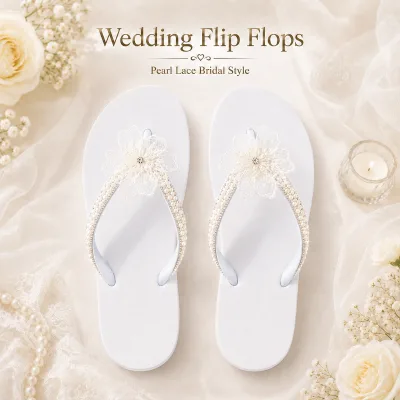
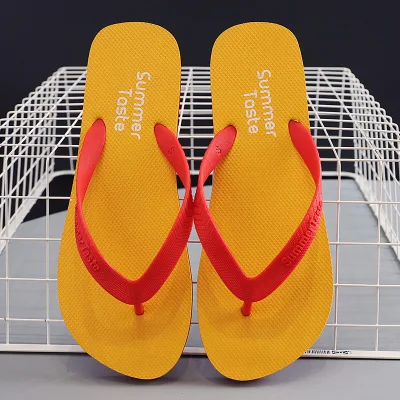
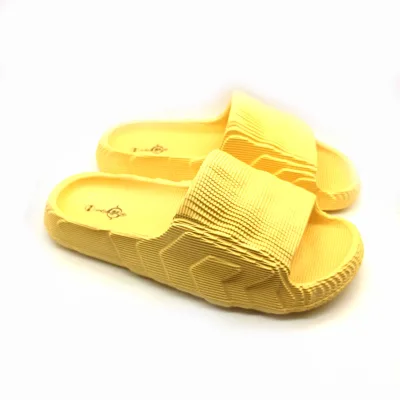
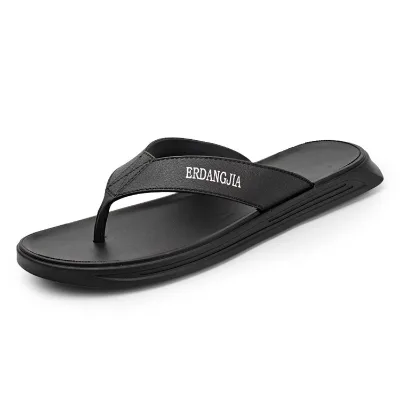
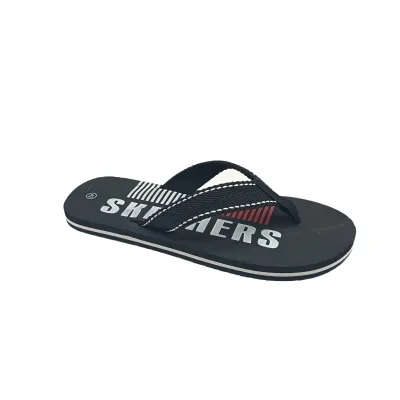
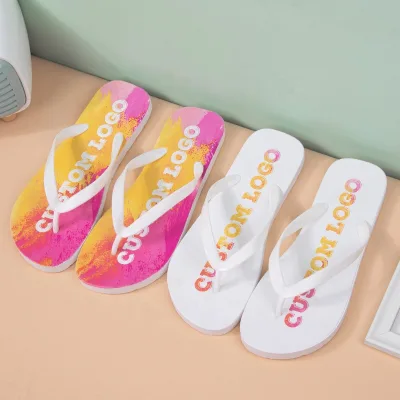
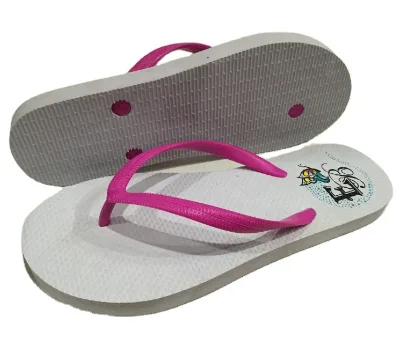
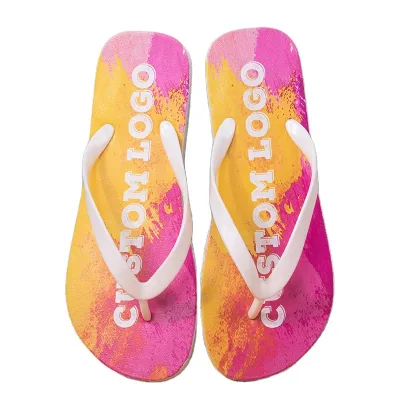
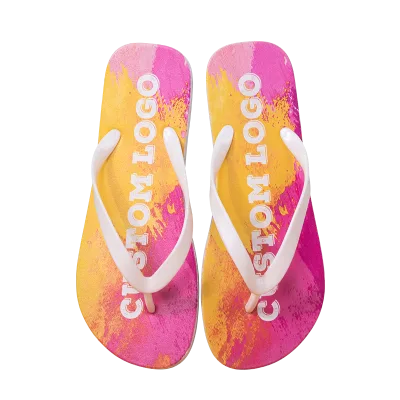
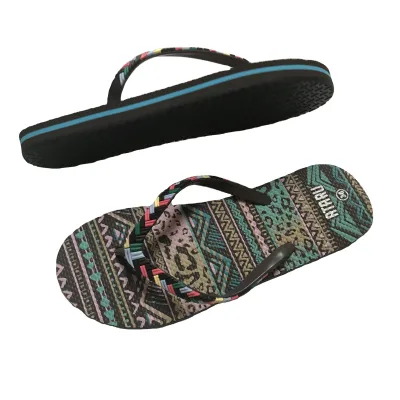
Hot Selling Womens Flip Flops Sandal, Rubber Sandals Flip Flop for Womens
$1.00 - $2.50
MOQ: 1000 pairs
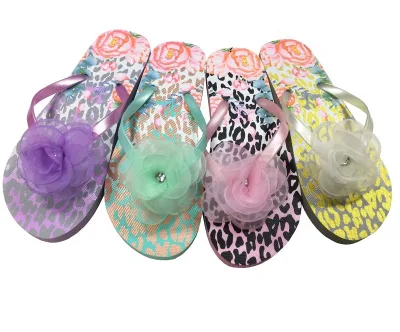
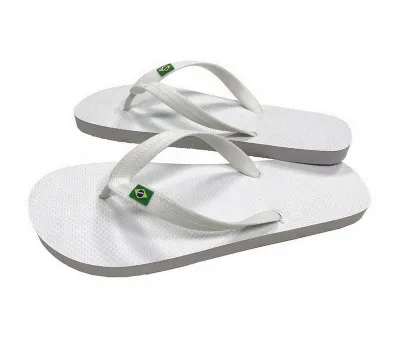
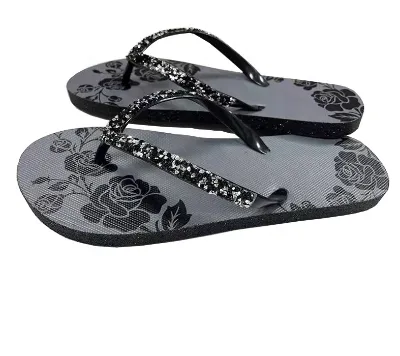
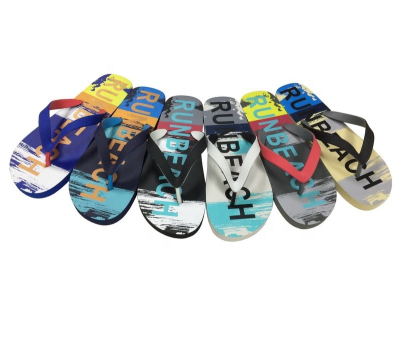
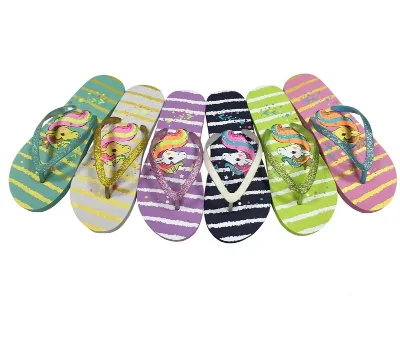
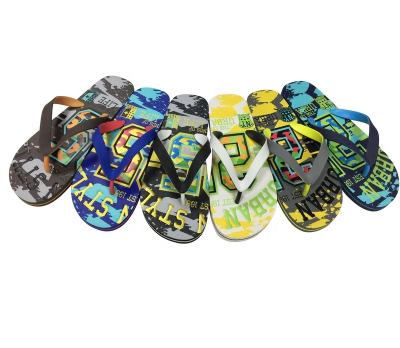


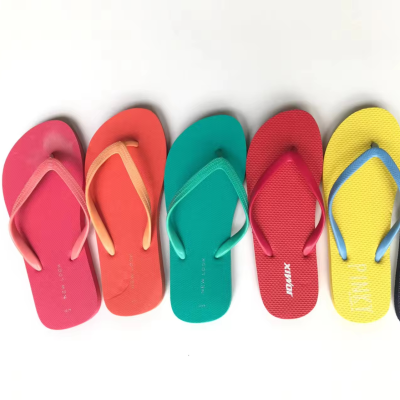
Slippers Solid Color Design Cheap Flip Flops Women Slippers Beach Flip Flops
$0.30 - $1.30
MOQ: 3000 Pairs
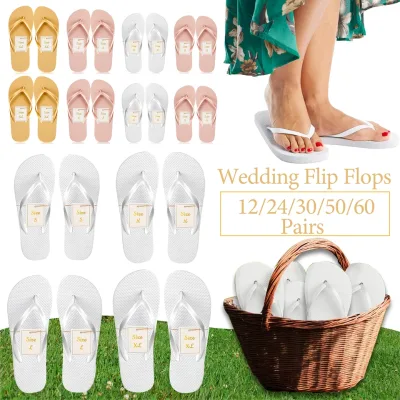


Comprehensive Sourcing Guide
Custom Wedding Flip Flops Sourcing Guide
Custom Wedding Flip Flops occupy a distinctive niche in footwear procurement: they are purchased both as consumer products and as event favors, which means buyers must balance decorative requirements against basic comfort and durability expectations. Listings observed for this category include products described as "Cheap Wedding Flip Flops" under brands such as Gean, with model numbers like GNRZTX05, positioned around low price and low minimum order quantity features. That positioning signals a market where bulk buyers—wedding planners, event retailers, and promotional distributors—source large volumes of affordable open-toe footwear rather than premium bridal shoes.
The purpose of this guide is to help procurement teams read listing data critically, verify technical and compliance details before committing, and structure supplier qualification so that event-dependent orders are not jeopardized by quality surprises. Because these products are seasonal and occasion-driven, a delayed or defective shipment cannot be easily recovered. Throughout the guide, attributes drawn from observed listings are treated as starting points for verification, not guarantees, and every recommended check is framed so buyers can request documentation or samples before placing a binding order.
Product Scope and Observed Listing Signals
Observed listings in this category cluster around women's flip-flops and indoor slippers, with styles described as flip-flops, indoor slippers, and outdoor slippers, and toe styles noted as flip flop or open toe. Intended uses span beach, indoor, outdoor, party, and pool settings, confirming that wedding flip flops are commonly positioned as multi-occasion comfort footwear for guests rather than formal footwear. Gender targeting is explicitly women in several listings, though some products are typed as "Slippers For Men And Women," so buyers should confirm the exact audience each listing serves before comparing offers.
Color and pattern signals are equally important. Observed color ranges include White, Yellow, Purple, Green, Black, and Pink, as well as White, Red rose, Black, Brown, Flowers, and White2 variants, and a second set of Red, Yellow, Green, Black with Green, and Black with Red Strap options. Pattern type is listed as Print, and decorations include logo print, which indicates these products support printed custom graphics—a core requirement for wedding personalization. Buyers should note that color naming conventions vary by listing, so a named shade like "Red rose" must be verified against physical or digital swatches rather than assumed to match a Pantone reference.
Technical Specifications to Verify
Size specification is the first technical checkpoint. Observed listings show several different size frameworks: EUR sizes 36–37 through 46–47, EUR sizes 38–39 through 44–45 with US conversions such as 36–37 (5.5–6.5) and 40–41 (8.5–9.5), a women's EU 36–41 range, and individual sizes 36 through 41. Buyers distributing to a general guest population must reconcile these frameworks and decide on a size curve, since wedding guest demographics rarely map neatly onto the widest ranges. Confirm whether quoted size runs are complete per style or subject to allocation.
Material construction should be verified next. Observed outsole materials include EVA and rubber, while lining materials vary across PVC, PU, and webbing—an unusually wide spread that materially affects comfort, water resistance, and cost. Listing features claim comfort, breathability, and non-slip performance, but buyers should request samples to test strap strength, footbed density, and slip behavior on the surfaces their event will actually use, such as pool decks or dance floors. Packaging dimensions also matter: observed single package sizes range from 32×22×8 cm to 33×22×10 cm, with single gross weights of 0.4–0.5 kg, figures that directly drive freight calculations and should be confirmed per the final size mix.
Compliance and Safety Documentation
Compliance planning for printed, custom-decorated footwear should begin with the destination market's applicable requirements rather than with listing claims. Buyers should ask prospective suppliers which regulations cover footwear components—outsole materials, footbed linings, and printed inks—and request documentation such as material declarations and test reports relevant to their market. Where a supplier offers testing, at least one observed listing states "Testing: As request," which suggests buyers can commission testing to their own specification; make that arrangement explicit in the purchase contract, including who pays and which lab is used.
Background references to certifications such as BSCI and REACH appear in supplied context, but no observed product listing confirms certification status. Treat these as questions to ask, not facts to assume: request current certificates, check certificate scope and validity dates, and verify that the named entities match the actual producing factory. For event buyers in particular, chemical compliance of printed decorations deserves attention because inks and adhesives differ from base footwear materials. Document every compliance commitment in writing before deposit payment, and avoid relying on verbal assurances that a product "meets standards" without supporting reports from a recognized testing body.
Cost Drivers and Commercial Terms
Observed listings reveal a wide commercial envelope: listed prices span roughly USD 0.30 to 20, and MOQs range from 2 to 3,000 units, with one listing stating an MOQ of 1,000 pairs. This spread tells buyers that the category contains both low-value commodity flip flops and more elaborately decorated or constructed products. The main cost drivers to model are outsole material (EVA versus rubber), lining material (PVC, PU, or webbing), decoration complexity such as offset-printed logos, and packaging, since single gross weight differences between 0.4 and 0.5 kg affect per-unit landed cost.
Commercial terms deserve equal scrutiny. Confirm the selling unit—one observed listing specifies "Single item"—so that quoted prices are not misread as per-pair when they are per-piece, or vice versa. Clarify what the low-MOQ feature actually covers: whether custom printing is available at the minimum quantity or only stock designs, and how tooling or plate charges for offset printing are handled. Observed packaging dimensions and weights allow preliminary freight estimates, but buyers should request a consolidated quotation that separates product cost, decoration cost, packaging, and freight, then compare like-for-like across candidate suppliers before negotiating volume-based tiers.
Supplier Qualification and Quality Control
Supplier qualification should start with origin and production capability. Observed listings place the place of origin in Fujian, China, a region associated with footwear manufacturing, and several listings state that OEM work is welcomed and OEM logos are accepted, with logo craft described as offset printing and logo position noted as "A Pair." Buyers should verify that a prospective supplier actually produces in-house or manages a stable factory relationship, since trading companies and manufacturers differ in their ability to enforce quality and absorb rework costs on custom orders.
Quality control planning should reflect the custom nature of the product. Pre-production samples are essential for validating color matching, print placement, and footbed comfort before mass production, and observed features such as "comfortable, breathable, non-slip" should be treated as claims to test rather than accept. Define an inspection protocol covering strap attachment strength, print durability after flexing, size accuracy across the run, and packaging integrity, and specify acceptable quality limits in the contract. For high-stakes wedding orders, consider third-party inspection before shipment. Also confirm the model number (e.g., GNRZTX05 or DL-621-05) on documentation matches the approved sample to prevent substitution.
Long-Term Procurement Checks
Long-term value in this category comes from repeatable, low-friction reordering rather than one-off bargain pricing. Buyers planning seasonal or recurring event demand should evaluate suppliers on documentation consistency: whether size charts, material specifications, and packaging dimensions remain stable across reorder cycles, or drift between production batches. Retain approved samples with dated records of model numbers and color references so that any quality dispute on a repeat order can be resolved against an agreed benchmark rather than photographs.
Supply resilience is the second ongoing check. Because wedding flip flop demand concentrates in specific seasons—observed listings reference summer, spring, and autumn seasons in various combinations—buyers should map their order calendar against supplier capacity and confirm production windows well before peak demand. Reassess commercial terms periodically: as order volumes grow, revisit MOQ structures, decoration plate amortization, and freight consolidation, since initial low-MOQ terms often carry per-unit premiums that no longer fit larger programs. Finally, maintain at least one qualified alternate supplier with a verified sample, so that a single factory's capacity constraint, quality lapse, or compliance gap does not jeopardize date-critical event shipments. Document these reviews annually as part of supplier scorecards.
FAQs
How can I customize the logo on these wedding flip flops?
Custom Wedding Flip Flops accept OEM logos, and the listed products show offset printing with logo placement on a pair as the available craft. You can send your artwork for review before production. Logo customization typically affects unit cost and sampling time, so confirm your design size, print position, and color count early to keep pricing within budget.
What sizes are available for Custom Wedding Flip Flops?
Listed options include European sizes 36-37 through 46-47, with one women's style ranging from EU 36-41, which corresponds to US sizes 5.5-11 depending on the model. Check the specific size chart for the style you select before ordering. Confirm size distribution in advance so your bulk order matches your guest or retail size mix.
Which colors can I choose for a bulk order?
Available colors across listed styles include white, black, pink, yellow, green, purple, red rose, brown, and flowers, plus black with green or red straps. White is a popular base for weddings, and printed decorations can be added. Request color samples or photos before confirming a large production run to verify shades.
What is the minimum order quantity for Custom Wedding Flip Flops?
Observed MOQs range from as low as 2 pairs on some listings to 1000 pairs for others, so the requirement depends on the specific style and customization level. Lower MOQs suit small weddings or trials, while 1000-pair minimums apply to fully customized bulk production. Always confirm the exact MOQ for your chosen model before placing an order.
What materials are used in these flip flops?
The listed products use EVA or rubber outsoles with linings in PVC, PU, or webbing depending on the model. EVA offers lightweight cushioning for beach and pool use, while rubber provides grip for outdoor wear. Since material affects comfort, durability, and cost, ask for material details and testing options when comparing styles.
Can these flip flops be used for occasions other than weddings?
Yes, listed uses include beach, indoor, outdoor, party, and pool settings, and styles cover flip flops, indoor slippers, and outdoor slippers. They suit bridal parties, hotel amenities, giveaways, and summer retail. Seasonal listings span spring, summer, and autumn for most models, so match the style and sole material to your intended venue and usage conditions.
How are the flip flops packaged for shipping?
Selling units are single items, and listed single package sizes are around 33X22X10 cm, 30X20X10 cm, or 32X22X8 cm, with single gross weights of roughly 0.4 to 0.5 kg. Packaging affects freight cost and per-pair pricing, so confirm carton quantities and total gross weight with the supplier to estimate your shipping budget accurately.
Where are these Custom Wedding Flip Flops produced?
The listed products originate from Fujian, China, a region known for footwear manufacturing. Production location influences shipping terms, lead time, and communication logistics for international buyers. When requesting quotations, specify your destination port and required delivery date so suppliers can quote freight and confirm realistic production timelines.