Source Custom Wedding Guest Book for Funerals, Parties, Events
Compare 30 Custom Wedding Guest Book options from verified Chinese suppliers. Explore variations in size, material, and binding to find the perfect guest sign-in book for your specific event needs.
Key considerations
Products List
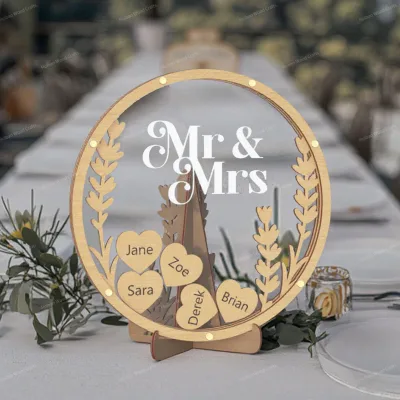
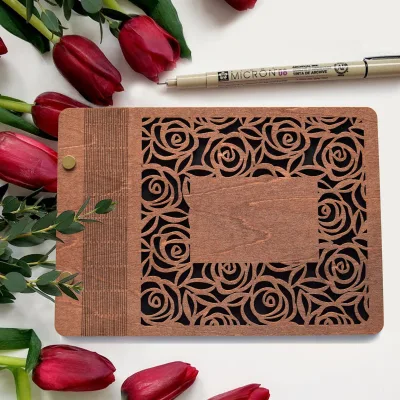
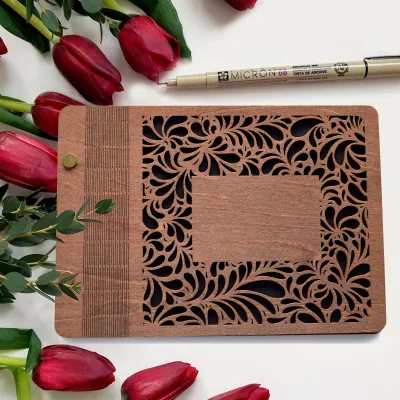
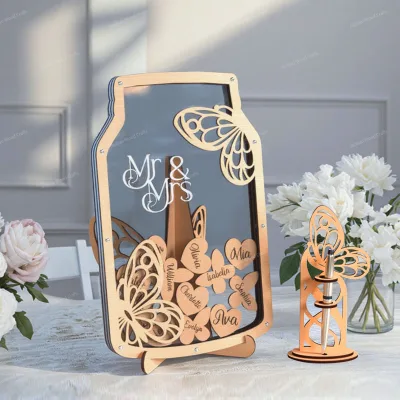
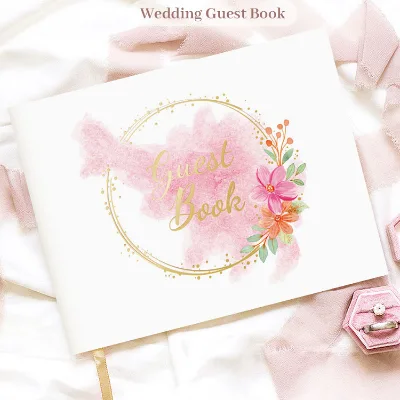
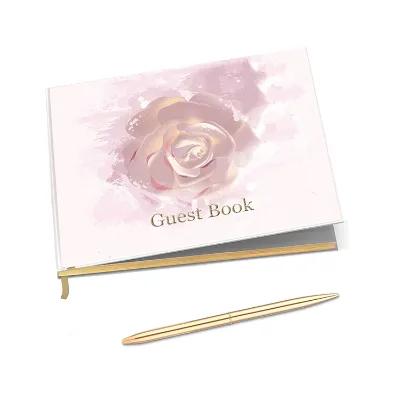
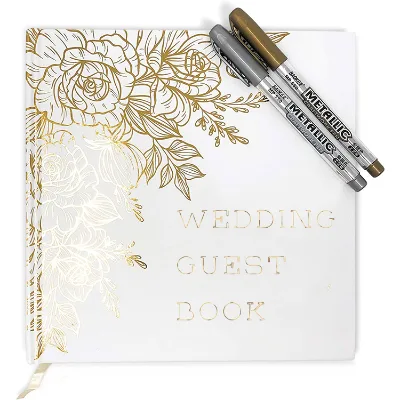
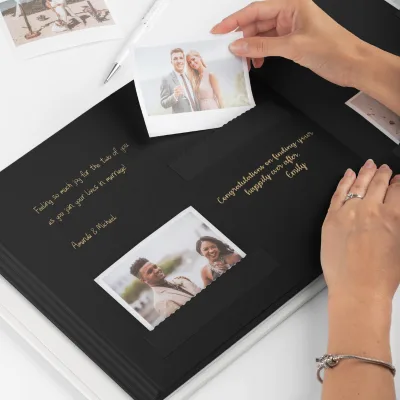
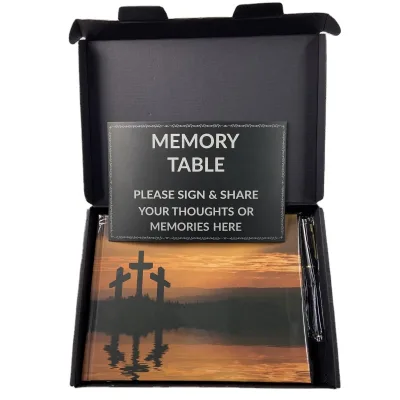




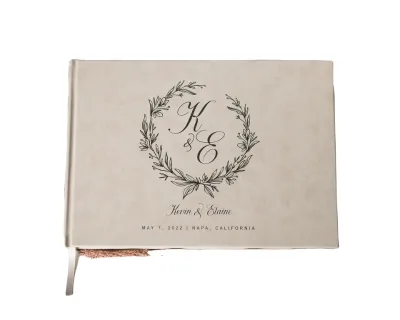
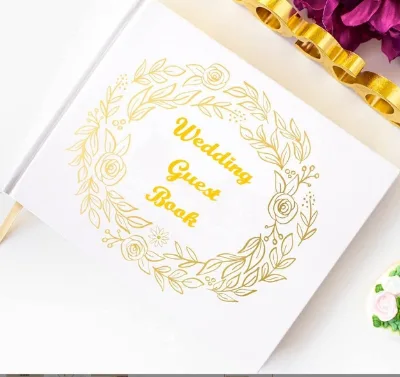
$3.00 - $4.00
MOQ: 200 pieces
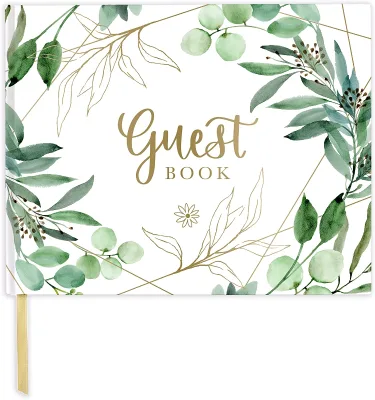

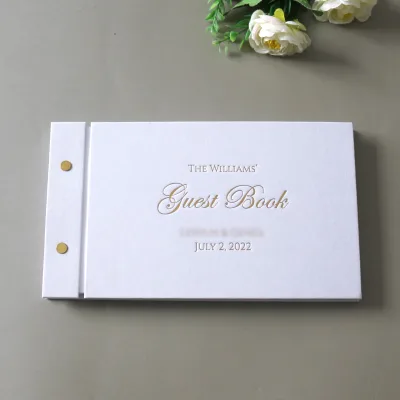

Wholesale Eco-Friendly Hardcover Custom PU Leather Wedding Wed Guest Book
$0.80 - $1.30
MOQ: 500 Pieces


Comprehensive Sourcing Guide
Strategic Sourcing Guide for Custom Wedding Guest Books
Understanding Product Specifications and Customization Parameters
When sourcing custom wedding guest books, the primary objective is to align the physical attributes of the product with the specific aesthetic and functional requirements of the event. The market offers a diverse range of configurations, from standard dimensions to fully bespoke designs. Buyers must recognize that product attributes often vary significantly between suppliers. For instance, observed specifications indicate that some units are manufactured with precise dimensions such as 2231606mm, while others are marketed with a size of 97 inches or even 210297mm, which corresponds to standard A4 paper dimensions.
A critical observation in the current supply landscape is the prevalence of "Contact us Customization" for color and size. This indicates that while some suppliers offer a baseline catalog of options—such as colors labeled as Flowers, LOVE, Rose A, Rose B, Pink, or numerical codes 1 through 7—the most distinct value lies in the ability to specify exact dimensions and color palettes. The shape of the book is also frequently customizable, allowing for non-traditional silhouettes that may include laser-cut details.
The internal structure is equally vital. Specifications reveal that inner pages can be customized, with some standard offerings citing 42 sheets, while others support fully custom page counts. The binding method is another key differentiator; observed data points to "Thread Sewing" and "Sewing Binding" as common techniques, which generally offer superior durability compared to glued bindings. The cover material selection is extensive, ranging from Burlap, Leather, and Paperboard to Clothing and Weaving fabrics, all of which can be accepted for customization. The structural integrity of hardcover options is often defined by a 128GSM Gloss Art Paper wrap over 2mm Gray Board, ensuring the book maintains its shape during heavy use.
Technical Construction and Material Standards
The technical execution of a wedding guest book involves a combination of specific manufacturing processes and material choices that dictate the final quality. The surface finish plays a significant role in the tactile experience and visual appeal. Common processes observed include Hot Stamping, which adds a metallic or glossy accent to the cover, and Surface Treatments such as Matte Lamination or Spot UV. These treatments not only enhance the aesthetic but also provide a layer of protection against wear and tear.
The paper material selected for the interior pages is typically Matte Art Paper, which offers a smooth writing surface that is gentle on pens while preventing ink bleed-through. The printing type is predominantly Offset Printing, a method known for high fidelity and consistency in color reproduction, which is essential for custom logos or intricate designs. The production technique often cited is laser cutting, which allows for precise, intricate designs on the cover or edges, adding a unique, high-end feel to the product.
It is important to note that while specific standards like "210*297MM" are observed in certain listings, these should be treated as examples of available configurations rather than universal requirements. Buyers must verify the specific paper weight and board thickness with their chosen supplier to ensure the book meets the durability needs of a wedding event. The combination of a hardcover structure with thread sewing binding creates a robust product capable of withstanding the volume of signatures and notes typically collected during a wedding reception.
Cost Drivers and Pricing Dynamics
The pricing structure for custom wedding guest books is influenced by a complex interplay of factors, including material selection, customization level, and order volume. The observed price range in the market spans from 0.4 to 71.2 USD, a variance that reflects the spectrum from basic paperboard options to premium leather or burlap-covered books with extensive custom branding.
The Minimum Order Quantity (MOQ) is a significant cost driver. While some listings suggest an MOQ of 50 pieces, others indicate a range from 1 to 1000 units. For buyers requiring a single unit for a personal event, the unit cost will be significantly higher due to the setup costs of custom printing and binding. Conversely, bulk orders can leverage economies of scale, reducing the per-unit cost. The customization of the cover material is a primary cost variable; standard paperboard is generally more affordable than leather or burlap, and the inclusion of clothing or weaving materials will further impact the price.
Additional cost factors include the complexity of the surface treatment. Hot stamping and Spot UV require additional machinery time and setup, which can increase the unit price. Similarly, custom shapes and laser cutting add to the production complexity. Buyers should also consider the packaging costs, as export-grade packaging, such as K=K Export Cartons on Export Pallets, is often required for international shipping and adds to the overall landed cost. The availability of free samples is a common feature, which allows buyers to assess quality before committing to a large order, though shipping costs for these samples may apply.
Supplier Evaluation and Operational Capabilities
Selecting the right supplier requires a rigorous evaluation of their operational capabilities and responsiveness. Key attributes to verify include the supplier's location, production techniques, and ability to handle customization requests. Many suppliers are based in Guangdong, China, a hub for manufacturing that offers access to a robust supply chain for paper and binding materials.
The supplier's ability to accept OEM (Original Equipment Manufacturer) and ODM (Original Design Manufacturer) services is crucial. This capability ensures that the supplier can not only produce a product to your specifications but also assist in the design process if needed. The acceptance of customized logos and packaging is a standard expectation for wedding products, as personalization is a core requirement. Buyers should verify the sample time, which is often cited as 1-3 days, indicating a responsive production cycle for prototyping.
Delivery time is another critical metric. Observed lead times range from 3-7 working days for production, but this does not include shipping time. Buyers must clarify the total lead time from order confirmation to delivery at their location. The supplier's brand name, such as HUIBAO or DZ Printing, may appear in listings, but buyers should focus on the specific capabilities of the factory rather than the brand reputation alone. It is essential to confirm that the supplier can handle the specific volume required, whether it is a single item or a bulk order of 1000 units.
Quality Control and Compliance Verification
Ensuring the quality of custom wedding guest books requires a proactive approach to quality control (QC) and compliance verification. While specific test results or certifications are not universally listed in product descriptions, buyers must establish clear quality benchmarks before production begins. The structural integrity of the book is paramount; the binding must be secure, and the cover must not warp or peel under normal handling.
Buyers should request physical samples to verify the quality of the paper, the precision of the laser cutting, and the durability of the surface treatments like matte lamination and hot stamping. The consistency of the color matching is also vital, especially when custom colors are requested. The supplier should be able to provide a pre-production sample that matches the final color and material specifications.
Regarding compliance, buyers should verify that the materials used meet relevant safety and environmental standards, particularly if the event is in a region with strict regulations on paper and printing inks. While specific certification statuses are not provided in the general product data, buyers should inquire about the sourcing of materials, such as the paperboard and inks, to ensure they are free from harmful substances. The packaging should also be robust enough to prevent damage during transit, utilizing export-standard cartons and pallets as observed in some listings.
Typical Applications and Long-Term Procurement Considerations
Custom wedding guest books serve a dual purpose: they are functional records of guest signatures and sentimental keepsakes that preserve the memory of the event. The applications extend beyond traditional weddings to include funeral services, as indicated by product listings for "Funeral / wedding guest book sets." This versatility suggests that the design and material choices must be appropriate for the solemnity or joy of the occasion.
For long-term procurement, buyers should consider the scalability of the supplier. If a buyer is a wedding planner or a retailer, they may need to source these books repeatedly for different clients. A supplier that offers consistent quality, reliable lead times, and flexible MOQs is essential for building a sustainable supply chain. The ability to customize the book for different themes, such as "Country" themes or specific color palettes, adds value to the product line.
Buyers should also plan for the storage and logistics of these items. The single package size of 32X24X1 cm and the gross weight of 0.200 kg are useful metrics for calculating shipping costs and storage requirements. For bulk orders, the use of export cartons on pallets is a standard practice that facilitates efficient handling and transport. Long-term success in this market depends on maintaining a strong relationship with suppliers who can adapt to changing trends in wedding stationery and provide consistent, high-quality products that meet the evolving expectations of couples and event planners.
FAQs
What customization options are available for color and size?
Buyers can request fully customized colors and sizes by contacting the supplier directly. While standard options include specific shades like Pink or Roses, the primary value lies in specifying exact dimensions and color palettes to match the event theme.
Which binding methods ensure the best durability for guest books?
Thread sewing and sewing binding are the most durable methods observed for these products. These techniques provide superior structural integrity compared to glued bindings, ensuring the book withstands the volume of signatures collected during a wedding reception.
How long does it take to receive a sample of the book?
Samples can typically be produced within 1 to 3 days after the request is confirmed. Although the sample itself is often free, buyers should verify if shipping costs apply for the delivery of these prototypes to their location.
What materials are used for the cover and inner pages?
Cover materials include Burlap, Leather, Paperboard, Clothing, and Weaving fabrics, all of which can be customized. The inner pages are typically made from Matte Art Paper, offering a smooth surface that prevents ink bleed-through for guests.
Can the supplier handle OEM and ODM orders with custom logos?
Yes, the supplier accepts both OEM and ODM services and allows for customized logos on the product. This capability ensures that buyers can have unique branding applied while maintaining the structural quality required for wedding events.
What is the typical minimum order quantity for these books?
The minimum order quantity can range from 1 to 1000 units depending on the specific supplier and customization level. Some listings indicate a standard MOQ of 50 pieces, but bulk orders can leverage economies of scale to reduce unit costs.
How is the product packaged for international shipping?
Products are typically packed in K=K Export Cartons placed on Export Pallets to ensure safety during transit. This robust packaging prevents damage and facilitates efficient handling, which is essential for maintaining the quality of the guest books upon arrival.