Source Customized CNC Machined Plastic Parts for Automotive, Electronics, Medical
Find 30 verified suppliers offering Customized CNC Machined Plastic Parts for automotive, electronics, and medical applications. Compare specifications, certifications, and pricing to identify the right manufacturer for your production needs.
Key considerations
Products List




Comprehensive Sourcing Guide
Strategic Sourcing Guide for Customized CNC Machined Plastic Parts
Understanding Technical Specifications and Material Constraints
When sourcing Customized CNC Machined Plastic Parts, the primary objective is to align the physical properties of the raw material with the functional requirements of the final application. The market offers a diverse array of polymers, each selected for specific mechanical, thermal, or chemical characteristics. In the context of high-precision manufacturing, the choice of material is not merely a cost decision but a technical necessity. Available data indicates that Polypropylene (PP) is a frequently cited material for injection molding and specific machining applications, suggesting its utility in environments requiring chemical resistance and flexibility. However, for CNC machining, the material selection often extends to engineering plastics that offer superior dimensional stability and machinability.
Buyers must verify the specific grade of plastic being offered. While some listings reference "Plastic parts" generally, the actual performance depends on the resin formulation. For instance, applications in the automotive or medical sectors often demand materials that meet strict biocompatibility or flame-retardancy standards, which are not inherent to the generic term "plastic." The dimensional tolerance is another critical technical specification. Observed ranges in the industry suggest that high-precision CNC operations can achieve tolerances between 0.02mm and 0.001mm. This level of precision is essential for parts that must fit into tight assemblies or interact with moving components. When evaluating a supplier, the buyer should request a detailed material data sheet that explicitly states the tensile strength, impact resistance, and thermal deformation temperature of the specific plastic grade.
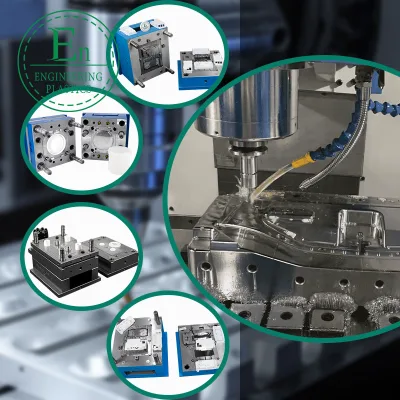
The manufacturing process itself dictates the achievable geometry. While CNC machining allows for complex geometries that might be difficult to achieve with other methods, the tooling and machine capabilities vary. Some suppliers utilize processes such as SLA (Stereolithography) or Vacuum Forming for prototyping, while others focus on CNC machining for final production. It is vital to distinguish between these processes, as the surface finish and internal stress distribution differ significantly. For mass production, injection molding is often the preferred method, yet for low-volume, high-tolerance customized parts, CNC remains the industry standard. The buyer must ensure the supplier's CNC equipment is capable of handling the specific dimensions required, which can range from small components of 2mm up to larger assemblies reaching 1270mm.
Compliance, Certification, and Regulatory Standards
Navigating the regulatory landscape is a non-negotiable aspect of B2B procurement, particularly when sourcing components for regulated industries such as medical, automotive, or electronics. Compliance is not a single checkbox but a layered verification process involving international standards and specific industry certifications. The supply chain for customized parts often involves multiple jurisdictions, making it essential to verify that the supplier adheres to recognized quality management systems.
Data indicates that suppliers in this sector frequently hold certifications such as ISO, RoHS, and CE. The ISO certification, often referencing standards like ISO 9001, serves as a baseline indicator of a supplier's commitment to quality management and consistent production processes. However, buyers should not assume that a generic "ISO" claim covers all necessary requirements; specific industry standards like TS16949 (now IATF 16949) are critical for automotive applications, ensuring that the manufacturing process meets the rigorous demands of the automotive supply chain. Similarly, RoHS (Restriction of Hazardous Substances) compliance is mandatory for electronics and many consumer goods, ensuring that the plastic parts do not contain restricted levels of lead, mercury, or other hazardous materials.
In addition to quality certifications, material standards play a pivotal role. Various national and international standards govern the properties of plastic materials and the machining processes used. These include GB (Chinese National Standards), BS (British Standards), ANSI (American National Standards Institute), JIS (Japanese Industrial Standards), GOST (Soviet/Russian Standards), ASTM (American Society for Testing and Materials), and DIN (German Institute for Standardization). A supplier claiming adherence to "As per requested" standards must be able to demonstrate the ability to produce parts that meet the specific standard required by the buyer's end market. For example, a part intended for the European market must comply with CE marking requirements, while those for the US market may need to meet ASTM specifications.
The verification process should extend to the supplier's origin and their ability to provide traceability. Many suppliers originate from manufacturing hubs in China, such as Shenzhen or Ningbo. While these regions offer robust manufacturing ecosystems, the buyer must ensure that the specific factory has the necessary documentation to prove compliance. This includes valid certificates of conformity, material safety data sheets (MSDS), and test reports from accredited third-party laboratories. Relying solely on the supplier's self-declaration without independent verification can lead to significant risks, especially when the parts are critical to the safety or functionality of the final product.
Cost Drivers and Pricing Variables
The pricing of Customized CNC Machined Plastic Parts is influenced by a complex interplay of factors, making it difficult to predict costs without a detailed understanding of the specific project requirements. Unlike commodity items, the price per unit is highly variable and depends on the complexity of the design, the material chosen, the volume of the order, and the required lead time. The observed price range in the market spans from $0.10 to $1,000, reflecting the vast difference between a simple, small plastic bracket and a large, complex, high-tolerance component.
Material cost is a primary driver. While some plastics like Polypropylene are relatively inexpensive, engineering-grade plastics such as PEEK, PTFE, or specialized medical-grade polymers can significantly increase the base cost. Furthermore, the waste factor in CNC machining, known as the "buy-to-fly" ratio, can be substantial. Unlike injection molding, where the material is formed into shape with minimal waste, CNC machining involves removing material from a solid block, which can result in high material costs for parts with complex geometries or large volumes.
Tooling and setup costs also play a significant role, particularly for low-volume orders. CNC machining requires the programming of the machine, the selection of appropriate cutting tools, and the setup of fixtures. These costs are often amortized over the production run. For small orders, the setup cost per unit can be high, whereas for larger orders, this cost is diluted. The Minimum Order Quantity (MOQ) is another critical variable, with observed ranges from 1 to 1,000 units. Suppliers may offer different pricing tiers based on volume, and buyers should negotiate based on their projected demand.
Lead time is another cost driver. The ability to deliver within one week or a sample time of 3-7 days often commands a premium. Rush orders may require overtime labor, expedited shipping, or priority scheduling, all of which add to the cost. Conversely, longer lead times allow for more efficient production planning and lower costs. Shipping methods, such as DHL, UPS, FedEx, or sea freight, also impact the final landed cost. For heavy or large parts, sea freight may be more economical, while small, urgent samples might justify the higher cost of air freight.
Typical Applications and Industry Use Cases
Customized CNC Machined Plastic Parts serve a wide array of industries, each with unique requirements regarding performance, durability, and regulatory compliance. The versatility of plastic materials allows them to replace metal in many applications, offering benefits such as reduced weight, corrosion resistance, and electrical insulation.
In the automotive industry, these parts are used for interior components, under-the-hood applications, and electrical connectors. The demand for lightweighting in modern vehicles drives the adoption of high-performance plastics that can withstand thermal stress and mechanical loads. The medical sector is another major application area, where parts must meet strict biocompatibility and sterilization standards. CNC machining allows for the production of complex, custom medical devices and surgical instruments that require high precision and cleanliness.
The electronics industry relies heavily on plastic parts for housings, connectors, and insulators. The ability to machine plastics with tight tolerances ensures that electronic components fit precisely within enclosures, protecting them from environmental factors. In the household and agricultural sectors, plastic parts are used for machinery components, pumps, and fittings that require resistance to chemicals and wear. The observed applications also include metal casting, coating, engraving, forging, and recycling machinery, indicating that plastic parts are often used as wear-resistant components or insulators within larger metal processing systems.
The following table summarizes the typical applications and their corresponding requirements:
| Industry | Typical Applications | Key Requirements |
|---|---|---|
| Automotive | Interior trim, connectors, under-hood parts | Thermal resistance, mechanical strength, lightweighting |
| Medical | Surgical instruments, device housings, implants | Biocompatibility, sterilization, high precision |
| Electronics | Housings, insulators, connectors | Electrical insulation, flame retardancy, EMI shielding |
| Agricultural | Pump parts, fittings, machinery components | Chemical resistance, durability, UV stability |
| Industrial | Metal processing parts, conveyor components | Wear resistance, dimensional stability, load bearing |
Supplier Evaluation and Capability Assessment
Selecting the right supplier is critical to the success of any procurement project involving Customized CNC Machined Plastic Parts. The evaluation process should go beyond price and lead time to assess the supplier's technical capabilities, quality control systems, and ability to handle customization. A robust supplier evaluation framework includes checking the supplier's certification status, their experience with similar projects, and their capacity to meet specific technical requirements.
Buyers should verify the supplier's certifications, such as ISO, RoHS, and CE, to ensure they meet international standards. It is also important to assess their experience with the specific material and process required. For example, a supplier specializing in injection molding may not be the best choice for high-precision CNC machining, and vice versa. The supplier's ability to provide OEM/ODM services, including custom logo and packaging, is also a key consideration for buyers looking for a turnkey solution.
The supplier's location and logistics capabilities should also be evaluated. Many suppliers are based in China, with hubs in Shenzhen and Ningbo. While these locations offer cost advantages, buyers must consider the lead time and shipping costs associated with international logistics. The ability to provide samples within 3-7 days is a good indicator of the supplier's responsiveness and agility. Additionally, the supplier's payment terms, such as T/T (Telegraphic Transfer), should be clear and agreed upon to avoid any financial disputes.
Quality control is another critical aspect of supplier evaluation. Buyers should inquire about the supplier's inspection processes, including 100% measurement checks and the use of advanced testing equipment. The supplier's ability to provide a one-year guarantee on their products is also a strong indicator of their confidence in their quality. Finally, the supplier's packaging capabilities, such as the use of wooden boxes, plastic bubble wrap, and carton boxes, should be assessed to ensure that the parts arrive in perfect condition.
Quality Control and Long-Term Procurement Considerations
Ensuring the quality of Customized CNC Machined Plastic Parts requires a proactive approach to quality control throughout the entire procurement lifecycle. This includes defining clear quality standards, implementing rigorous inspection protocols, and establishing long-term relationships with suppliers who demonstrate consistent performance.
Quality control begins with the design phase, where the buyer and supplier collaborate to ensure that the part design is manufacturable and meets all functional requirements. During production, the supplier should implement in-process inspections to catch any deviations early. Final inspection should include dimensional checks, visual inspections, and functional testing to ensure that the parts meet the specified tolerances and performance criteria. The observed data suggests that some suppliers offer 100% measurement checks, which is a best practice for high-precision applications.
Long-term procurement considerations involve building a strategic partnership with the supplier. This includes negotiating favorable terms, such as volume discounts, flexible lead times, and priority support. The supplier's ability to scale production as the buyer's demand grows is also a key factor. Additionally, the supplier's commitment to continuous improvement and innovation can provide a competitive advantage in the market.
Buyers should also consider the environmental impact of their procurement decisions. Sustainable sourcing practices, such as using recycled materials or minimizing waste, can contribute to a more sustainable supply chain. The supplier's ability to provide documentation on material sourcing and waste management can help buyers meet their own sustainability goals.
In conclusion, sourcing Customized CNC Machined Plastic Parts requires a comprehensive understanding of technical specifications, compliance requirements, cost drivers, and supplier capabilities. By following a structured evaluation process and maintaining a focus on quality and long-term relationships, buyers can ensure that they receive high-quality parts that meet their specific needs. The dynamic nature of the market and the continuous evolution of manufacturing technologies mean that buyers must remain vigilant and adaptable to stay ahead of the curve.
FAQs
What certifications do these parts typically have?
Products commonly hold ISO, RoHS, CE, and TS16949 certifications. These standards ensure compliance with international quality and safety regulations for automotive and medical applications.
How fast can suppliers deliver customized orders?
Delivery is typically completed within one week for standard orders. Sample times may range from three to seven days depending on the complexity of the custom design.
Which materials are used for these machined parts?
Materials include metal and various plastics such as Polypropylene. The specific grade depends on the application requirements for strength, flexibility, or chemical resistance.
Can I request custom dimensions and shapes?
Yes, customization is available for dimensions ranging from 2mm to 1270mm. Buyers can also specify shapes as per their unique engineering requests.
What is the minimum order quantity for these parts?
The minimum order quantity ranges from one to one thousand units. This flexibility supports both prototyping needs and larger production runs.
How precise are the tolerances for these parts?
Tolerances can achieve high precision levels between 0.02mm and 0.001mm. This ensures accurate fitment for critical assemblies in machinery and electronics.