Source Customized Clear Acrylic Aquarium for Display, Home, and Office
Find 24 options for customized clear acrylic aquariums with varying thicknesses from 20mm to 500mm. Compare tensile strength, light transmission, and certification details to select the right material for your specific project requirements.
Key considerations
Products List


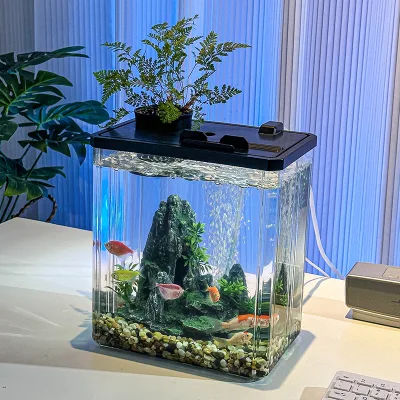

Transparent Acrylic Aquarium Fish Tank Hot Sale Plastic Square Fish Tank
$1.00 - $10.00
MOQ: 2000 Pieces

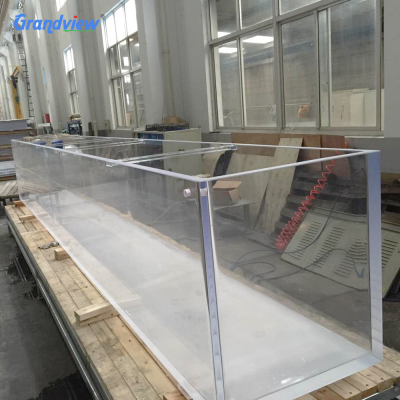

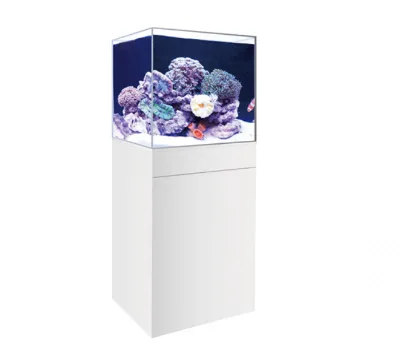
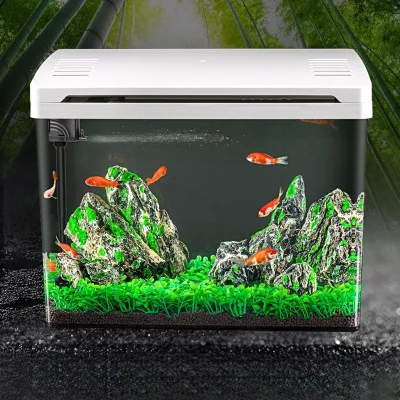
Comprehensive Sourcing Guide
Customized Clear Acrylic Aquarium Sourcing Guide
Sourcing customized clear acrylic aquariums requires a disciplined approach to material verification and structural engineering validation. Unlike standard glass tanks, acrylic offers superior optical clarity and impact resistance, but its performance is heavily dependent on the purity of the raw material and the precision of the fabrication process. Buyers must navigate a market where specifications vary significantly between suppliers, particularly regarding thickness ranges, tensile strength, and surface treatment. This guide provides a structured framework for evaluating suppliers, ensuring that the final product meets both aesthetic expectations and rigorous safety standards for holding large volumes of water.
The procurement process begins with defining the exact technical requirements for the aquarium, including dimensions, thickness, and optical quality. Observed market data indicates a wide range of available thicknesses, from 20mm to 500mm, catering to everything from medium-sized displays to massive industrial or public aquariums. Buyers should prioritize suppliers who offer OEM and ODM services, as customization is a key differentiator in this sector. Understanding the specific model codes and standard sizes offered by manufacturers, such as GV017 or GV014, can help streamline communication and ensure that the ordered product aligns with established manufacturing capabilities rather than experimental prototypes.
Product Scope and Observed Listing Signals
The market for customized clear acrylic aquariums is characterized by a diverse range of product listings that often blend sheet specifications with finished tank configurations. Buyers will encounter listings that describe the product as "Acrylic Aquariums" or "Plexiglass Sheet for Aquarium," indicating that some suppliers may offer both raw materials and finished goods. It is crucial to distinguish between these two categories, as the quality control requirements for a fabricated tank are far more stringent than those for a raw sheet. Listings often highlight features such as "Eco-Friendly" materials and "100% Virgin" raw stock, which are strong indicators of higher quality, but buyers must verify these claims through documentation rather than accepting them at face value.
Observed listing signals also reveal significant variations in product attributes, such as density and water absorption rates. While some listings cite a density of 1.2 kg/Cm3 and a water absorption rate of 0.1%~0.3%, others may list lower absorption values like 0.05. These discrepancies highlight the importance of verifying the specific grade of acrylic being used. Additionally, the presence of certifications like SGS, RoHS, and CE in listings suggests that reputable suppliers adhere to international safety and environmental standards. However, buyers should treat these certifications as starting points for verification rather than guarantees of compliance for every unit produced, ensuring that the specific batch delivered matches the certified specifications.
Technical Specifications to Verify
Technical verification must begin with the material properties, specifically tensile strength and light transmission. High-quality acrylic aquariums typically exhibit a tensile strength ranging from 81 to 130 MPa, ensuring the structure can withstand the hydrostatic pressure of large water volumes without cracking or deforming. Buyers should also verify the light transmission rate, which should be approximately 93% to maintain the crystal-clear appearance essential for aquarium aesthetics. The contraction percentage should be less than 0.4%, indicating minimal internal stress in the material, which is critical for preventing long-term warping or failure under load.
Surface treatment and dimensional accuracy are equally critical for the longevity and visual appeal of the aquarium. The surface should possess high hardness and a glossy finish to resist scratching and maintain clarity over time. Thickness is a primary variable, with observed ranges extending from 1.8mm to 300mm for sheets and 20mm to 500mm for aquarium structures. Buyers must confirm that the selected thickness corresponds to the size and shape of the aquarium, as larger tanks require significantly thicker walls to prevent bulging. Additionally, the standard sizes such as 1220*2440mm or customized dimensions should be clearly defined to ensure the final product fits the intended installation space without requiring excessive on-site modification.
Compliance and Safety Documentation
Compliance with international standards is non-negotiable for acrylic aquariums, particularly those used in public spaces or commercial installations. Buyers must request valid certification documents, including SGS, RoHS, and CE marks, to ensure the material is free from harmful substances and meets safety requirements. These certifications provide assurance that the acrylic is suitable for contact with water and does not leach toxic chemicals into the aquatic environment. It is also important to verify that the supplier has a robust quality management system in place, as certifications are only valid if consistently applied across all production batches.
Safety documentation should also include detailed engineering calculations and stress analysis reports for customized designs. Given the potential risks associated with large water volumes, buyers should ensure that the supplier provides evidence of structural integrity testing. This includes verifying the resistance to weather and environmental factors, as acrylic can degrade if exposed to certain UV conditions or chemicals over time. The "Excellent Resistance to Weather" attribute mentioned in some listings should be backed by test data or material safety data sheets (MSDS) that confirm the material's durability in the specific environment where the aquarium will be installed.
Cost Drivers and Commercial Terms
Cost drivers for customized clear acrylic aquariums are primarily influenced by material purity, thickness, and the complexity of the fabrication process. The use of 100% virgin raw material commands a premium price but ensures superior optical clarity and structural integrity compared to recycled alternatives. Thickness is another major factor, with thicker panels required for larger tanks significantly increasing material costs. Buyers should also consider the cost of customization, as non-standard sizes or shapes may require specialized tooling and longer production times, leading to higher unit prices.
Commercial terms such as MOQ (Minimum Order Quantity) and lead times vary widely across the market, with observed MOQs ranging from 20 to 2000 units depending on the supplier and product type. Buyers should negotiate clear terms regarding packaging and shipping, as acrylic is prone to scratching and damage during transit. Standard packaging often includes PE film masking on both sides, kraft paper, and iron pallets to protect the surface and ensure safe handling. It is also advisable to clarify whether the quoted price includes installation services or if the buyer is responsible for on-site assembly, as this can significantly impact the total cost of ownership.
Supplier Qualification and Quality Control
Supplier qualification should focus on verifying the manufacturer's capability to produce high-quality, customized acrylic products. Buyers should prioritize suppliers who explicitly state their business type as "Manufacturer" rather than trading companies, as this ensures direct control over the production process and quality assurance. The location of the supplier, such as Guangdong or other major manufacturing hubs in China, can also be an indicator of established supply chains and expertise in acrylic fabrication. However, geographic location alone is not a guarantee of quality, so buyers must conduct thorough due diligence on the supplier's track record and client references.
Quality control measures should be integrated into the procurement contract, including pre-shipment inspections and third-party verification. Buyers should request samples or visit the factory to assess the surface finish, edge polishing, and overall craftsmanship of the acrylic aquariums. It is also important to verify the supplier's ability to handle custom orders, as this requires flexibility in production lines and a high level of technical expertise. Establishing a clear communication channel for addressing defects or discrepancies during production can help mitigate risks and ensure that the final product meets the agreed-upon specifications.
Long-Term Procurement Checks
Long-term procurement success depends on establishing a robust relationship with suppliers who can consistently deliver high-quality products. Buyers should implement a regular review process to assess supplier performance, including on-time delivery, product consistency, and responsiveness to issues. This includes monitoring any changes in material specifications or production processes that could affect the quality of the aquariums. Maintaining open communication with the supplier can help identify potential problems early and allow for corrective actions before they impact the supply chain.
Additionally, buyers should stay informed about industry trends and technological advancements in acrylic fabrication. This includes keeping up with new certification requirements, sustainability initiatives, and innovations in material science that could improve the performance and durability of acrylic aquariums. By staying proactive and engaged with the supplier network, buyers can ensure that their procurement strategy remains competitive and aligned with the evolving needs of their customers. Regular audits and feedback loops can further strengthen the partnership, leading to better pricing, improved quality, and enhanced service levels over time.
FAQs
What is the light transmission of the acrylic sheet?
The acrylic sheet offers 93% light transmission, ensuring excellent clarity for aquarium visibility. This high transparency is a standard feature of the transparent plastic sheet material used in these products.
Can the product be customized to specific sizes?
Yes, customization is available for various dimensions including standard sizes like 1220*2440mm or fully customized requirements. Buyers can request specific thicknesses ranging from 1.8mm up to 300mm depending on the model.
What certifications do the acrylic aquariums hold?
The products hold SGS, RoHS, and CE certifications, ensuring compliance with international safety and quality standards. These certifications verify the material safety and manufacturing quality for aquarium applications.
How resistant is the material to weather conditions?
The acrylic sheet provides excellent resistance to weather, making it durable for long-term use. This weather resistance is a key attribute of the high surface hardness and glossy finish of the material.
What is the density of the acrylic material used?
The density of the acrylic material is 1.2kg per cubic centimeter, indicating a solid and robust construction. This density supports the structural integrity required for large and middle-sized aquarium tanks.
Is the raw material virgin or recycled?
The raw material is 100% virgin acrylic, ensuring high quality and clarity without impurities. This virgin material contributes to the eco-friendly nature and top-glass quality of the final aquarium product.