Source Customized Color Acrylic Menu for hotels, restaurants, and homes
Find 30 options for Customized Color Acrylic Menu designs suitable for hotels, restaurants, and homes. Buyers can compare specifications, sizes, and printing techniques to select the right display solution for their needs.
Key considerations
Products List
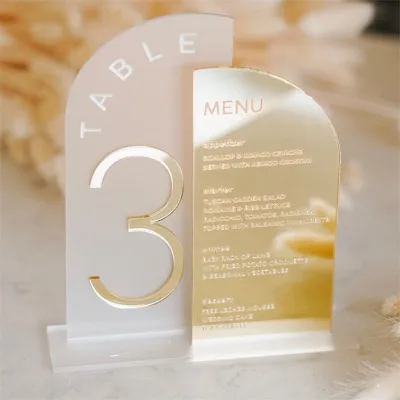
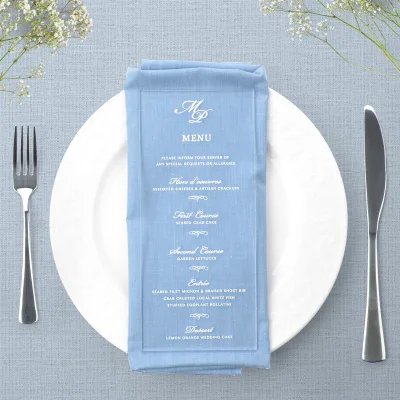
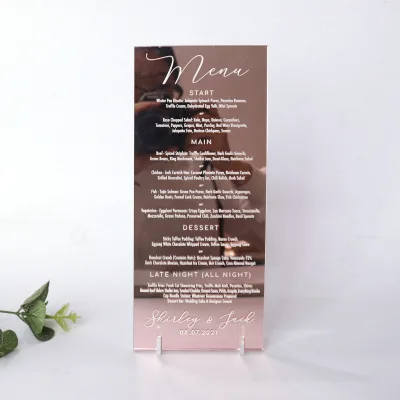


Luxury Acrylic Plastic Restaurant Hotel Carte Menu with Customized Printing
$1.02 - $1.96
MOQ: 100 Pieces

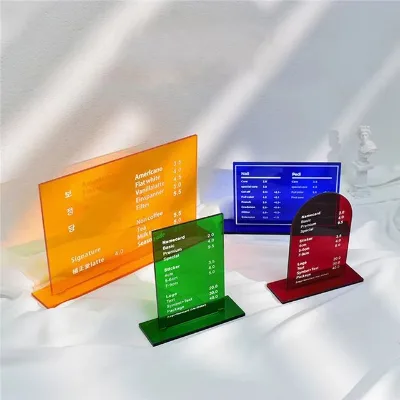
Wholesale Acrylic Countertop Certificate Price label Menu Sign Display Stand
$0.92 - $1.46
MOQ: 100 Pieces






Comprehensive Sourcing Guide
Customized Color Acrylic Menu Sourcing Guide
Sourcing customized color acrylic menus requires a strategic balance between aesthetic precision and functional durability, particularly for high-traffic hospitality environments. The market offers a wide spectrum of options, ranging from transparent, polished displays to fully branded units with complex printing techniques. Buyers must navigate a landscape where "customization" is not merely a marketing term but a technical requirement involving specific material thicknesses, surface treatments, and graphic application methods. Understanding the distinction between standard off-the-shelf items and true custom products is the first step in defining procurement requirements that align with brand identity and operational needs.
This guide focuses on the technical and commercial realities of sourcing these products, drawing from observed market data and standard industry practices. It addresses the critical verification steps necessary to ensure that the final product meets safety, aesthetic, and logistical expectations. By examining product scope, technical specifications, compliance, cost drivers, supplier qualification, and long-term checks, procurement professionals can mitigate risks associated with custom manufacturing. The goal is to provide a structured approach to evaluating suppliers and products, ensuring that the final investment delivers value through durability, clarity, and brand alignment.
Product Scope and Observed Listing Signals
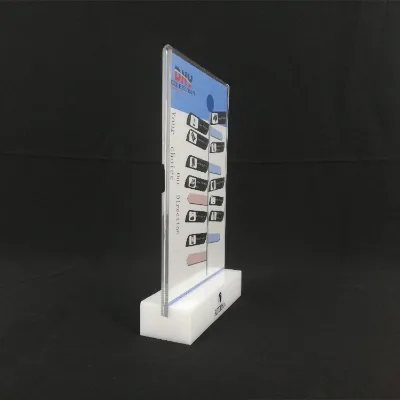
The observed product landscape for customized color acrylic menus reveals a diverse range of configurations, primarily driven by the material's versatility. Products are frequently described as freestanding, vertical units made from acrylic, with styles ranging from modern to minimalist. The core material, acrylic, is valued for its transparency and ability to be polished to a high gloss, which enhances the visual appeal of printed menus. Listings often highlight features such as durability and eco-friendliness, suggesting that manufacturers are increasingly aware of sustainability concerns, although buyers should verify specific material compositions and recycling claims. The typical use cases include home, hotel, and restaurant settings, indicating a broad market applicability that spans from casual dining to upscale hospitality.
Observed listing signals indicate a high degree of customization in physical dimensions and branding. Specifications such as "Customized Size" and "Custom Thickness Accepted" are common, allowing buyers to tailor the menu holder to specific table sizes or design preferences. The single package sizes observed vary significantly, from compact 20x5x15 cm units to larger 20x30x20 cm boxes, reflecting the variability in product dimensions and protective packaging requirements. Weight ranges also differ, with some lightweight units weighing around 0.5 kg and others, possibly larger or multi-layered, weighing up to 3.0 kg. These variations underscore the importance of defining precise requirements early in the sourcing process to avoid mismatches in shipping costs and storage logistics.
Technical Specifications to Verify
Verifying technical specifications is crucial to ensuring that the acrylic menu meets both aesthetic and functional standards. Key attributes to confirm include the thickness of the layer board or panel, which can be customized but must be sufficient to prevent warping or bending under normal use. The surface treatment, often polished, affects the clarity and scratch resistance of the display. Buyers should also verify the printing techniques available, such as silk screen, offset, gravure, letterpress, UV printing, thermal transfer, and embossing. Each technique offers different advantages in terms of color fidelity, durability, and cost, with UV printing often preferred for its vibrant colors and quick curing time. The color options, typically transparent or clear, allow the menu content to be the focal point, but custom colors may be available for branding purposes.
Additional technical details include the shape, which is often rectangular, and the display place, which is predominantly indoor. The anti-theft feature is generally not applicable, meaning these units are designed for open display rather than secure storage. Buyers should also inquire about the logo customization options, which may include silk-screening, UV printing, or engraving. The model numbers and product codes, such as XFL-109 or AC-202404197, serve as unique identifiers for specific configurations, aiding in accurate reordering and quality consistency. Understanding these technical nuances helps in selecting a product that not only looks good but also performs reliably in a busy service environment.
Compliance and Safety Documentation
While specific certification statuses are not universally listed, buyers must ensure that the acrylic material and printing inks comply with relevant safety standards, particularly for food-adjacent applications. Acrylic is generally considered safe, but it is essential to verify that the material is free from harmful chemicals such as BPA, especially if the menu is handled frequently by staff and customers. Documentation should confirm that the printing inks used for graphics are non-toxic and durable, resisting smudging or fading under normal lighting and handling conditions. Buyers should request material safety data sheets (MSDS) or equivalent documentation to verify the chemical composition of the acrylic sheets and the inks used in the printing process.
Furthermore, compliance with fire safety regulations is critical for hospitality venues. Acrylic is a plastic material, and its flammability rating should be verified to ensure it meets local building codes and fire safety standards. Buyers should ask suppliers for test reports or certifications related to fire resistance, such as UL94 ratings or equivalent local standards. Additionally, if the product is marketed as eco-friendly, buyers should seek verification of this claim, such as recyclability certificates or information on the use of recycled acrylic content. Ensuring compliance with these safety and environmental standards protects the buyer from potential liabilities and aligns the procurement with corporate social responsibility goals.
Cost Drivers and Commercial Terms
The cost of customized color acrylic menus is influenced by several factors, including material thickness, printing complexity, and order volume. Observed price ranges vary widely, from as low as $0.12 to over $25.90 per unit, reflecting the diversity in product specifications and customization levels. The minimum order quantity (MOQ) is another significant cost driver, with typical MOQs ranging from 50 to 1000 pieces. Smaller quantities may incur higher per-unit costs due to setup fees for printing and manufacturing, while larger orders benefit from economies of scale. Buyers should negotiate MOQs based on their actual needs, as some suppliers accept small quantities for sample runs or initial orders.
Commercial terms also include production lead times and shipping methods. Lead times can vary from 3-15 days for samples to 25-40 days for full production runs, depending on the complexity of the customization and the supplier's current workload. Shipping options typically include ocean freight, air freight, and express delivery, each with different cost and time implications. Buyers should factor in these logistics costs when calculating the total landed cost of the product. Additionally, packing methods can be customized, which may affect the unit price and shipping volume. Clear communication of these commercial terms early in the sourcing process helps in budgeting and planning for timely delivery.
Supplier Qualification and Quality Control
Qualifying suppliers for customized acrylic products requires a thorough assessment of their manufacturing capabilities and quality control processes. Buyers should verify the supplier's experience in producing acrylic displays, including their ability to handle custom sizes, thicknesses, and printing techniques. The presence of OEM/ODM acceptance indicates that the supplier is equipped to handle bespoke orders, but buyers should still review their portfolio to ensure consistency in quality. It is also important to check the supplier's production lead times and their ability to meet deadlines, as delays can disrupt business operations. Suppliers with a track record of reliable delivery and consistent quality are preferable for long-term partnerships.
Quality control measures should be clearly defined and agreed upon before production begins. Buyers should request samples to evaluate the finish, print quality, and structural integrity of the product. Inspections should cover aspects such as edge polishing, clarity of the acrylic, and the adhesion of printed graphics. Suppliers should have a robust QC process in place, including pre-production checks and final inspections before shipment. Buyers may also consider third-party inspection services to verify quality standards, especially for large orders. Establishing clear quality expectations and verification steps helps in minimizing defects and ensuring that the final product meets the buyer's standards.
Long-Term Procurement Checks
Long-term procurement success depends on establishing a sustainable relationship with suppliers and continuously monitoring product performance. Buyers should regularly review supplier performance metrics, including on-time delivery rates, quality consistency, and responsiveness to issues. Feedback from end-users, such as hotel staff and customers, can provide valuable insights into the durability and usability of the acrylic menus. If issues arise, such as scratching, fading, or warping, buyers should work with suppliers to identify root causes and implement corrective actions. Continuous improvement efforts, such as exploring new printing techniques or materials, can help keep the product competitive and aligned with evolving brand standards.
Additionally, buyers should stay informed about market trends and technological advancements in acrylic manufacturing. This includes developments in eco-friendly materials, new printing technologies, and innovative design features. Regularly updating procurement specifications and supplier requirements ensures that the product remains relevant and effective. Building a diversified supplier base can also mitigate risks associated with single-source dependencies. By maintaining a proactive approach to supplier management and product evaluation, buyers can ensure that their customized color acrylic menus continue to meet business objectives and customer expectations over time.
FAQs
How can I customize the size and thickness of the acrylic menu?
You can request customized sizes and thicknesses for the acrylic menu panels. The product specifications allow for custom dimensions and thickness acceptance to meet specific design needs. This flexibility ensures the menu fits your display requirements perfectly.
What printing techniques are available for graphics on the menu?
Multiple printing techniques are available including silk screen, offset, UV, and thermal transfer printing. These options allow for various color counts ranging from one to six colors. You can choose the method that best suits your graphic design and durability requirements.
Can I add a custom logo to the acrylic menu product?
Yes, you can add a customized logo using methods like silk-screening, UV printing, or engraving. The product supports logo customization to enhance brand visibility. This feature is ideal for hotels and restaurants looking to maintain a consistent brand identity.
What is the typical production lead time for these acrylic menus?
The production lead time is 3-15 days for samples and 25-40 days for bulk production. This timeline applies to orders placed with the manufacturer. Buyers should plan their inventory accordingly to ensure timely delivery for their events or store openings.
Which suppliers offer small quantity orders for these acrylic products?
Small quantity orders are accepted for these acrylic menu products. The minimum order quantity can be as low as 50 pieces depending on the specific supplier configuration. This option is beneficial for businesses testing new designs or with limited initial stock needs.
How is the acrylic menu assembled and installed in a restaurant?
The product features easy assembly and is designed for freestanding installation. It is suitable for indoor display places such as home, hotel, or restaurant settings. The lightweight design with a gross weight of 0.5 kg makes handling and setup straightforward.
What materials are used to construct the acrylic menu display?
The display is constructed from durable acrylic material with a polished surface treatment. It is designed to be eco-friendly and suitable for decoration purposes. The transparent color option allows the content to be clearly visible while maintaining a modern aesthetic.