Source Customized EDM Ceramic Nozzle for Textile, Industrial, and Precision Uses
Find 30 Customized EDM Ceramic Nozzle options from verified suppliers. Compare specifications including alumina content, bore diameter, and thread sizes for textile machinery, industrial applications, and precision finishing processes; compare the available evidence and request quotations based on your requirements.
Key considerations
Products List

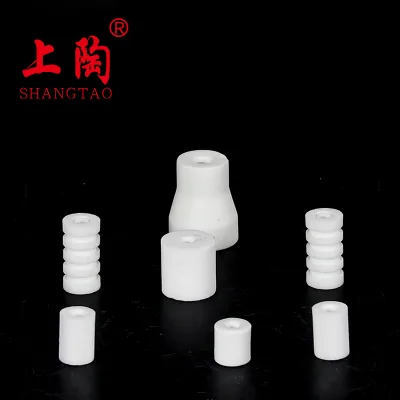
Customized Textile Ceramic Oil Nozzle for Chemical Fiber Machine/Ceramic Oil Nozzle
$0.50 - $1.60
MOQ: 100 Pieces


Ceramic/Tungsten Carbide Dispensing Nozzles 0.03mm 0.04mm 0.05mm 0.06mm
$60.00 - $235.00
MOQ: 1 Pieces




Comprehensive Sourcing Guide
Customized EDM Ceramic Nozzle Sourcing Guide
Sourcing customized EDM ceramic nozzles requires a nuanced understanding of material science and precision manufacturing capabilities. These components are critical for maintaining consistent waterjet cutting performance, particularly when handling abrasive media at high pressures. Buyers must recognize that "ceramic" in this context often refers to high-purity alumina or specialized composite materials designed to withstand extreme wear and thermal shock. The customization aspect allows for tailored bore diameters, thread sizes, and external geometries to fit specific machine models, ensuring optimal flow dynamics and nozzle longevity.
The procurement process involves evaluating suppliers based on their ability to deliver precision finishing and mechanical processing services. Observed market signals indicate a wide range of product attributes, from standard industrial ceramics to highly specialized tungsten carbide alternatives. Buyers should prioritize suppliers who offer customization options and provide detailed machinery test reports. This ensures that the nozzles meet the rigorous demands of industrial applications, such as textile machinery or heavy-duty cutting operations, where even minor deviations in tolerance can lead to significant operational inefficiencies or premature component failure.
Product Scope and Observed Listing Signals
The current market landscape for customized EDM ceramic nozzles reveals a diverse array of product offerings, with observed price ranges spanning from $0.01 to $999.99 USD. This variance reflects differences in material quality, manufacturing complexity, and brand positioning. Minimum Order Quantities (MOQs) typically range from 1 to 10,000 units, catering to both prototyping needs and large-scale industrial procurement. Buyers should note that some listings specify high alumina content, such as 99.7% to 99.9% Al2O3, which is a key indicator of superior wear resistance and chemical stability in high-pressure environments.
Product names and models vary significantly, with terms like "Ceramic Oil Nozzle" or "Tungsten Carbide Nozzles" appearing alongside specific model numbers like OEM or ETN. This terminology can be confusing, so buyers must carefully verify the actual material composition and intended application. Some suppliers offer nozzles with working temperatures up to 1600°C, indicating suitability for extreme industrial processes. Additionally, color options such as white, pink, or customized finishes are available, though these are primarily aesthetic or identification markers rather than functional specifications. Understanding these signals helps in filtering suppliers who align with specific technical requirements.
Technical Specifications to Verify
Verifying technical specifications is paramount when sourcing customized EDM ceramic nozzles. Key attributes to confirm include the bore diameter, thread size, and overall dimensions, which must match the existing machinery or custom design requirements. Observed specifications include bore diameters of 11mm and thread sizes ranging from 1/8 to 3/4 inch. Tolerance levels are critical, with some suppliers claiming precision up to 0.001mm, which is essential for maintaining consistent flow rates and cutting accuracy. Buyers should request detailed dimensional drawings and verify that the supplier employs precision finishing processes to achieve these tight tolerances.
Material composition and grade are equally important, with options including ceramic, metal, plastic, or composite materials. For high-wear applications, high-purity alumina or tungsten carbide grades such as CD650 or Yg6X are often preferred. Suppliers may also specify the processing type, such as mechanical processing or processing with material supplied, which affects lead times and cost. Additionally, the liquid compatibility, whether water or chemical liquid, must be confirmed to ensure material integrity. Buyers should also check for customization availability, as many suppliers offer tailored solutions to meet specific industrial needs, ensuring optimal performance and longevity.
Compliance and Safety Documentation
Compliance and safety documentation are essential for ensuring that customized EDM ceramic nozzles meet international standards and regulatory requirements. Buyers should verify that suppliers provide relevant certifications, such as ISO9001 for quality management systems, which indicates a structured approach to manufacturing consistency. Additionally, RoHS certification may be required for products intended for use in regions with strict environmental regulations, ensuring that hazardous substances are minimized. Some listings also mention CE marking, which is crucial for products sold in the European market, confirming adherence to health, safety, and environmental protection standards.
Beyond certifications, buyers should request machinery test reports and other performance documentation to validate the nozzle's durability and efficiency. These reports provide evidence of the product's ability to withstand high pressures and abrasive media without failure. Suppliers may also provide information on the origin of the product, such as China, Shanghai, or Dongguan, which can influence logistics and supply chain reliability. Ensuring that all documentation is up-to-date and verifiable helps mitigate risks associated with non-compliance and ensures that the nozzles are suitable for their intended industrial applications, protecting both the buyer and the end-user from potential liabilities.
Cost Drivers and Commercial Terms
Understanding the cost drivers and commercial terms is vital for effective procurement of customized EDM ceramic nozzles. Prices vary widely based on material quality, customization complexity, and order volume. High-purity alumina and tungsten carbide materials typically command higher prices due to their superior performance characteristics. Customization options, such as specific thread sizes or bore diameters, can also increase costs due to the additional machining and quality control required. Buyers should negotiate clear terms regarding MOQs, which can range from single units to large batches, to align with their inventory and production needs.
Payment terms, lead times, and shipping costs are other significant factors influencing the total cost of ownership. Suppliers may offer different packaging options, such as cardboard, wooden cases, or individual boxes, which can affect shipping efficiency and product protection. Buyers should also consider the supplier's location, as proximity to manufacturing hubs like Shanghai or Dongguan may reduce logistics costs and lead times. It is advisable to request detailed quotations that break down costs for materials, processing, and packaging, allowing for a comprehensive comparison of suppliers. Transparent commercial terms help in budgeting accurately and avoiding unexpected expenses during the procurement process.
Supplier Qualification and Quality Control
Supplier qualification and quality control are critical steps in ensuring the reliability of customized EDM ceramic nozzles. Buyers should assess suppliers based on their manufacturing capabilities, including their proficiency in mechanical processing and precision finishing. Suppliers with ISO9001 certification demonstrate a commitment to quality management, which is essential for consistent product performance. Additionally, buyers should verify the supplier's ability to provide customized solutions, as this indicates flexibility and technical expertise. Requesting samples or pilot orders can help evaluate the quality of the nozzles before committing to larger purchases.
Quality control measures should include rigorous testing of the nozzles for dimensional accuracy, material integrity, and performance under high-pressure conditions. Suppliers should provide machinery test reports and other documentation to substantiate their claims. Buyers should also inquire about the supplier's defect rate and warranty policies, as these factors indicate confidence in product quality. Establishing a clear communication channel with the supplier for addressing any quality issues is essential. By thoroughly qualifying suppliers and implementing robust quality control protocols, buyers can minimize risks and ensure that the customized EDM ceramic nozzles meet their specific operational requirements.
Long-Term Procurement Checks
Long-term procurement checks are necessary to maintain the reliability and cost-effectiveness of Customized EDM Ceramic Nozzle supply chains. Buyers should regularly review supplier performance metrics, including on-time delivery rates, product quality consistency, and responsiveness to issues. Establishing key performance indicators (KPIs) helps in objectively evaluating suppliers and identifying areas for improvement. Regular audits of the supplier's quality management systems and manufacturing processes can ensure ongoing compliance with agreed-upon standards. This proactive approach helps in maintaining high-quality standards and preventing potential disruptions in the supply chain.
Additionally, buyers should monitor market trends and technological advancements in ceramic nozzle manufacturing to stay competitive. Engaging in continuous dialogue with suppliers about potential improvements or new material options can lead to cost savings and performance enhancements. It is also advisable to diversify the supplier base to mitigate risks associated with single-source dependencies. By implementing long-term procurement checks and fostering strong supplier relationships, buyers can ensure a stable and efficient supply of customized EDM ceramic nozzles, supporting their industrial operations and achieving long-term business objectives.
FAQs
What is the working temperature of the ceramic oil nozzle?
The ceramic oil nozzle operates at a working temperature of 1600 degrees Celsius. This high thermal resistance is achieved using 99.7% to 99.9% alumina material, ensuring durability in industrial textile machine applications under extreme heat conditions.
Can I request custom dimensions for the ceramic nozzle?
Yes, custom dimensions are available for the ceramic oil nozzle. The product supports customized sizes and colors like white or pink, allowing buyers to specify exact bore diameters and thread sizes to match their specific machinery requirements.
Which certifications does the ceramic nozzle product hold?
The product holds ISO9001 and RoHS certifications. These standards confirm the manufacturing quality and environmental compliance of the ceramic oil nozzle, ensuring it meets international safety and quality requirements for industrial applications.
What is the minimum order quantity for this nozzle?
The minimum order quantity is five pieces. This low MOQ allows buyers to test the high wear-resistance ceramic oil nozzle before committing to larger orders, making it suitable for small-scale industrial procurement needs.
How is the ceramic nozzle packaged for shipping?
The nozzle is packaged in standard cardboard boxes or wooden cases. Some listings specify ten pieces per box, ensuring safe transport while maintaining the precision finishing and mechanical process integrity of the tungsten carbide or ceramic components.
Where are these ceramic nozzles manufactured?
These nozzles are fabricated in China, with origins in Shanghai, Dongguan, and Changzhou. The manufacturing process involves precision finishing and mechanical processing, utilizing materials like tungsten carbide or high-purity alumina for industrial durability.
What tolerance levels are achieved during production?
The production achieves a tolerance level of 0.001mm. This high precision is maintained through mechanical processing and customized machining standards, ensuring the ceramic oil nozzle fits perfectly within textile machines and other industrial equipment.