Find Customized Drive Over Spill Berm for Fueling Pads, Truck Loading Bays, and Equipment Storage
Compare Customized Drive Over Spill Berm options from 30 listings, with PVC materials, sizes from 3m x 3m to 6m x 8m, thickness, height, and color choices. Review oil, fuel, and chemical containment features, customization availability, and pricing before requesting quotes from suppliers.
Key considerations
Products List


Eco-Friendly PVC Material Spill Containment Berm for Preventing Oil Leaking
$18.80 - $28.90
MOQ: 500 Pieces


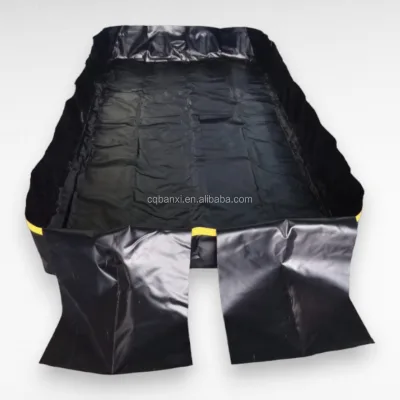
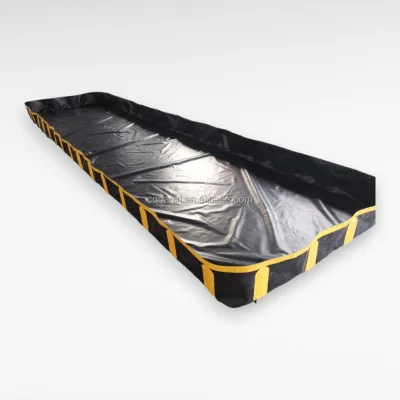
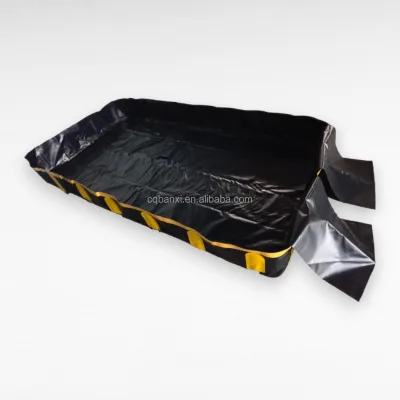
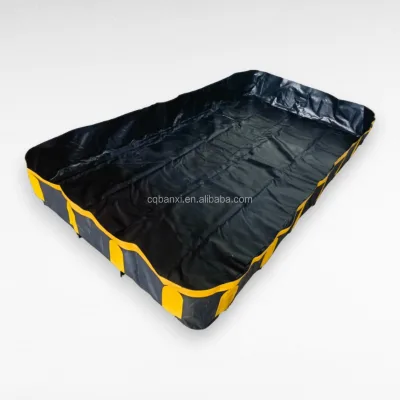
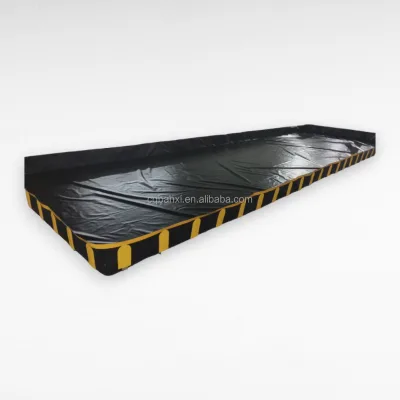
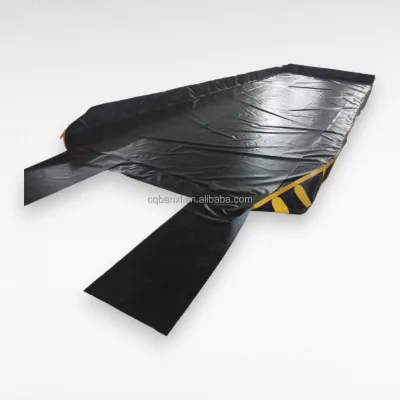


Factory Price Portable Spill Containment Berm Used in Factory and Industry
$101.00 - $110.00
MOQ: 10 Pieces

Comprehensive Sourcing Guide
Customized Drive Over Spill Berm Sourcing Guide
Procuring customized drive over spill berms requires a rigorous approach to balancing structural integrity with chemical resistance, as these barriers must withstand heavy vehicular traffic while containing hazardous liquid spills. The core challenge for buyers lies in selecting materials that offer sufficient tensile strength and durability without compromising the flexibility needed for rapid deployment and storage. Buyers must prioritize products that explicitly state resistance to oil, fuel, acids, and alkalis, ensuring the barrier material does not degrade upon contact with common industrial contaminants. This chemical resilience is paramount for facilities handling petroleum products or chemical storage trucks, where failure of the containment system can lead to significant environmental damage and regulatory penalties.
Furthermore, the customization aspect of these berms allows for tailored dimensions and configurations that fit specific site layouts, whether for permanent installations or temporary event containment. Buyers should verify that the supplier offers adjustable height and thickness options, as these parameters directly influence the volume of liquid the berm can contain and its ability to support vehicle weight. The ability to customize colors, such as high-visibility orange or black, also plays a crucial role in site safety and operational efficiency. By focusing on these specific technical and aesthetic requirements, procurement teams can ensure that the selected spill berms meet both safety standards and practical operational needs.
Product Scope and Observed Listing Signals
The market for spill containment barriers includes a variety of products, but drive over berms are distinct in their ability to support vehicular loads while maintaining a seal against liquid migration. Observed listings indicate a wide range of materials, with PVC and PVC-coated polyester being common choices due to their water resistance and durability. Buyers should note that some products are described as having heavy-weight constructions, which may correlate with increased tensile strength and longevity. It is essential to distinguish between simple flood barriers and those specifically engineered for chemical spill containment, as the latter require specialized material treatments to resist degradation from hydrocarbons and solvents.
Listing signals also reveal variations in installation methods, with many products advertised as requiring no tools and allowing for rapid setup in minutes. This feature is particularly valuable for emergency response scenarios or temporary construction sites where time is of the essence. Additionally, the foldability of these berms is a significant logistical advantage, allowing for compact storage and easy transport. Buyers should look for products that explicitly mention these installation and storage benefits, as they contribute to overall operational efficiency and cost savings. However, it is crucial to verify that the ease of installation does not come at the expense of structural stability under load.
Technical Specifications to Verify
When evaluating technical specifications, buyers must focus on material thickness and height, as these dimensions determine the containment capacity and load-bearing capability of the berm. Observed data suggests thicknesses ranging from 0.5mm to 1mm, with some products offering customizable options. Thicker materials generally provide better resistance to punctures and abrasion from vehicle tires, but they may also be heavier and more difficult to handle. Buyers should request detailed specifications for each product, including the exact thickness and the type of coating or treatment applied to enhance durability. It is also important to verify the temperature resistance range, as extreme conditions can affect the flexibility and integrity of the barrier material.
Another critical specification is the tensile strength and structural composition of the berm. Products made from PVC-coated polyester often offer a good balance of strength and flexibility, but buyers should confirm the specific grade and weight of the fabric. Some listings mention gram weights such as 750g, which can serve as an indicator of material density and potential durability. Additionally, the presence of anti-UV and anti-mildew treatments is essential for outdoor applications, as prolonged exposure to sunlight and moisture can degrade the material over time. Buyers should ensure that the supplier provides clear information on these treatments and their expected effectiveness under various environmental conditions.
Compliance and Safety Documentation
Compliance with relevant safety and environmental standards is non-negotiable when sourcing spill containment barriers. Buyers should verify that the products carry appropriate certifications, such as CE or ISO standards, which indicate adherence to quality and safety regulations. Some listings mention specific certifications like ISO14001 for environmental management or ISO13485 for medical devices, although the latter may be less relevant for industrial spill berms. It is crucial to confirm that the certifications are current and applicable to the specific product type being purchased. Buyers should also inquire about any third-party testing or validation that the supplier has undergone to ensure the product meets industry standards for chemical resistance and load-bearing capacity.
Safety documentation should also include information on fire resistance and other hazard-related properties. Some products are described with features such as fireproof or anti-wrinkle properties, which may be relevant for specific industrial environments. Buyers should request detailed safety data sheets (SDS) and technical manuals that outline the proper installation, use, and maintenance of the spill berms. These documents can provide valuable insights into the product's limitations and recommended usage scenarios. Additionally, buyers should ensure that the supplier provides clear instructions on how to inspect and maintain the berms to extend their lifespan and ensure continued performance.
Cost Drivers and Commercial Terms
The cost of customized drive over spill berms is influenced by several factors, including material quality, customization options, and order volume. Observed price ranges vary significantly, reflecting differences in product specifications and supplier pricing strategies. Buyers should be aware that higher-quality materials and more extensive customization options typically result in higher costs. However, investing in durable, high-performance berms can reduce long-term replacement costs and minimize the risk of spill-related incidents. It is important to request detailed quotes that break down the costs associated with materials, manufacturing, and shipping, allowing for a comprehensive comparison of different suppliers.
Commercial terms, such as minimum order quantities (MOQ) and lead times, also play a significant role in the procurement process. Some suppliers may require MOQs of 500 pieces or more, which can impact budgeting and inventory management. Lead times can vary depending on the level of customization and the supplier's production capacity, with some products taking up to 30 days to manufacture. Buyers should negotiate favorable terms where possible, such as flexible MOQs or expedited shipping options, to align with their operational needs. Additionally, it is important to clarify payment terms and warranty policies to ensure that the buyer is protected in case of defects or non-conformance.
Supplier Qualification and Quality Control
Selecting a reliable supplier is critical to ensuring the quality and performance of customized drive over spill berms. Buyers should conduct thorough due diligence on potential suppliers, including verifying their business credentials, production capabilities, and quality control processes. Suppliers with a strong reputation in the industry and positive customer reviews are generally more trustworthy. It is also important to inquire about the supplier's experience in manufacturing spill containment barriers and their ability to handle custom orders. Buyers should request samples or prototypes to evaluate the product quality before committing to a large order.
Quality control measures should be clearly defined and enforced by the supplier. Buyers should ask about the supplier's inspection procedures, including in-process and final inspections, to ensure that the products meet the specified standards. Additionally, it is beneficial to establish a clear communication channel with the supplier to address any issues or concerns that may arise during the production or delivery process. Buyers should also consider the supplier's after-sales support, including their responsiveness to inquiries and their willingness to resolve any problems that may occur. By prioritizing supplier qualification and quality control, buyers can mitigate risks and ensure a successful procurement outcome.
Long-Term Procurement Checks
Long-term procurement success depends on regular monitoring and evaluation of the spill containment barriers' performance in the field. Buyers should establish a routine inspection schedule to assess the condition of the berms, checking for signs of wear, tear, or chemical degradation. Early detection of issues can prevent costly repairs or replacements and ensure that the barriers continue to provide effective containment. Buyers should also track the lifespan of the products, noting any discrepancies between expected and actual performance. This data can inform future purchasing decisions and help identify trends or patterns that may indicate quality issues.
Additionally, buyers should stay informed about changes in industry standards and regulations that may affect the use of spill containment barriers. Keeping up-to-date with new technologies and materials can provide opportunities to improve safety and efficiency. Buyers should also maintain open lines of communication with their suppliers to discuss any feedback or suggestions for product improvements. By continuously evaluating and optimizing their procurement strategy, buyers can ensure that they are always equipped with the best possible spill containment solutions for their operational needs.
FAQs
Can Customized Drive Over Spill Berm sizes be made to order?
Yes, custom sizes are available beyond standard models such as 3m*3m*0.3m, 4m*6m*0.3m, and 6m*8m*0.3m. Height can be customized between 150mm and 500mm, and thickness between 0.7mm and 1mm. Provide your application dimensions, vehicle load expectations, and chemical exposure details so the manufacturer can propose a suitable configuration.
What material is used in a Customized Drive Over Spill Berm?
The berms are typically made of PVC coated polyester, chosen for chemical resistance to oil, fuel, acids, and alkalis. The PVC fabric can be treated for UV resistance and is offered in heavy weight grades, with a listed 750g gram weight option. Confirm chemical compatibility for your specific stored or transferred liquids before ordering.
How is a drive over spill berm installed at a site?
Installation requires no tools and can be completed in minutes by unfolding the berm and positioning it under the vehicle or drum area. The fabric is foldable and compact for transport and storage, so it can be redeployed quickly between locations. Level ground is recommended to maintain containment wall height and stability.
What temperature range can the berm withstand?
The listed temperature resistance is -30°C to +70°C, which covers most outdoor spill containment scenarios. Extreme cold can stiffen PVC fabric, so allow gentler unfolding in freezing conditions. For applications involving hot fluids or prolonged direct sunlight, discuss UV resistant treatment options with the supplier.
What is the typical minimum order quantity and lead time?
Listed MOQ values on the page range from 1 to 500 pieces depending on the model, with some items set at 500 pieces. Lead time is listed at 30 days for standard production. Customized dimensions, colors, or printing may extend the schedule, so confirm both MOQ and delivery date before placing an order.
Which certifications should I look for when sourcing spill containment berms?
Relevant references on this product page include CE, ISO, and RoHS certification, SVHC certification for certain models, ISO14001 and ISO13485 management certification, and fire ratings M1/M2 and NFPA701 for some fabrics. Requirements vary by application and jurisdiction, so verify which certificates apply to your intended use and request current documentation from the supplier.
How are the berms packed and what colors are available?
Standard packing is a woven bag or package suitable for transport and storage. Available colors include yellow, black, and orange, with customized color options offered. Some models support customized printing, which is useful for site branding, safety markings, or identification of the contained chemical type.
How long does a PVC spill berm last in service?
The listed life span is 3 to 5 years under normal use. Actual duration depends on exposure to sunlight, fuel and chemical contact frequency, abrasion from vehicle traffic, and storage practices between deployments. Cleaning after use and folding the fabric properly will help extend service life in demanding loading rack environments.