Source Customized European American Championship Ring for Sports, Weddings, Gifts
Compare 30 listings for Customized European American Championship Ring options featuring alloy materials, natural stones, and custom designs. Buyers can evaluate sizes, plating finishes, and packaging details from suppliers in Zhejiang, China; compare the available evidence and request quotations based on your requirements.
Key considerations
Products List
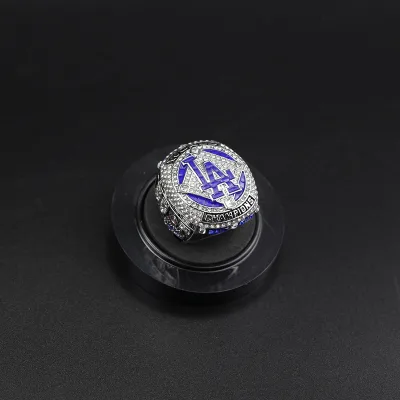
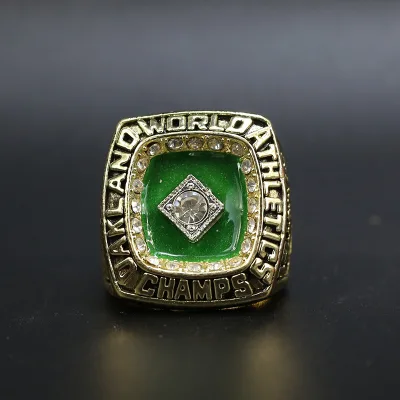
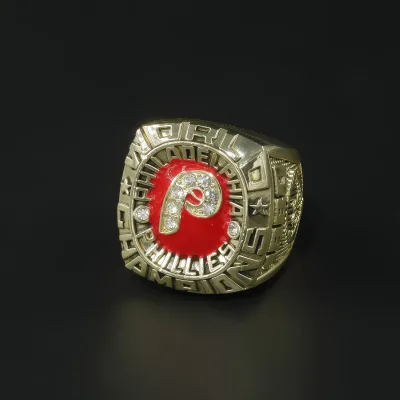
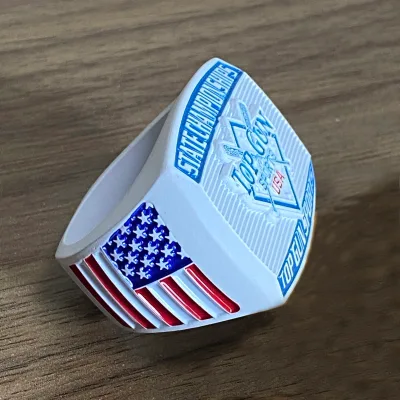
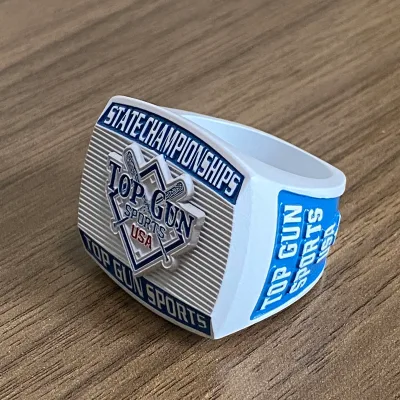


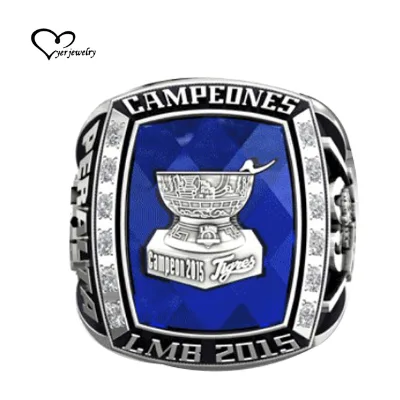
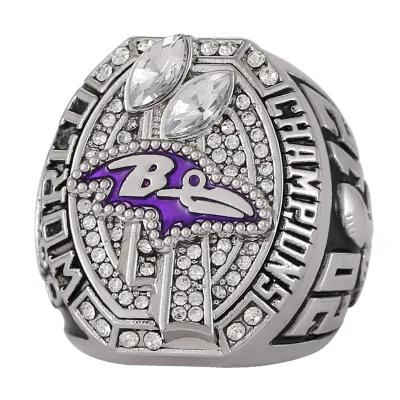
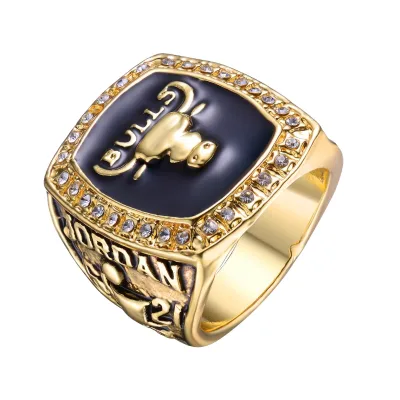
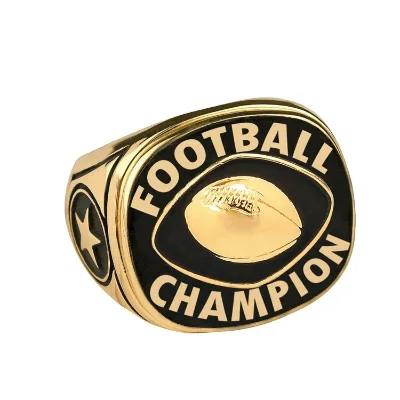
Personalized Men's USA Sport Championship Ring with Custom Blue Big Gemstone
$51.54 - $56.69
MOQ: 10 pieces
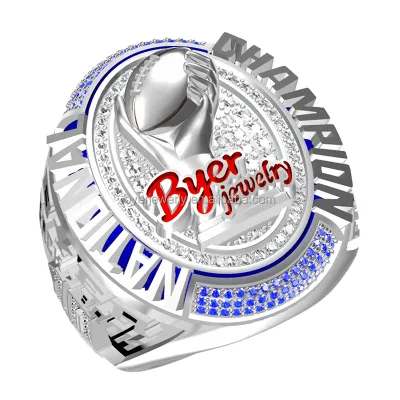
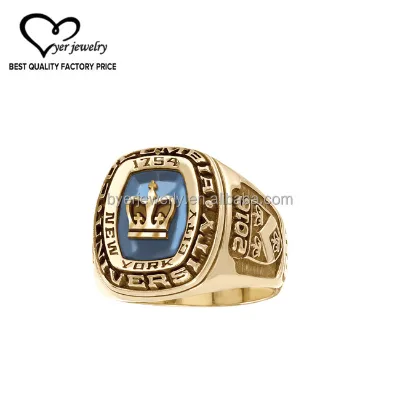
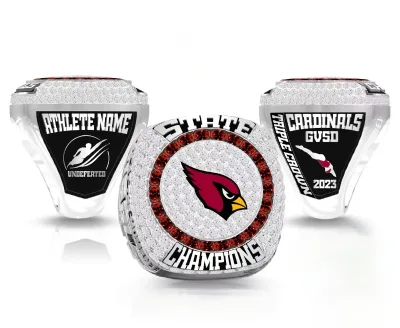
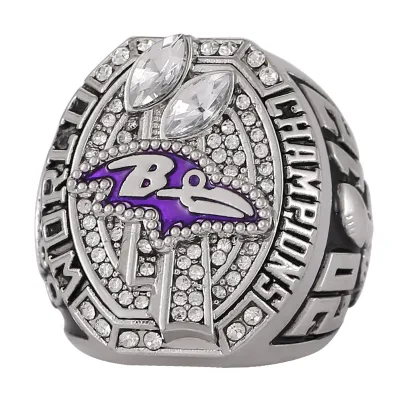
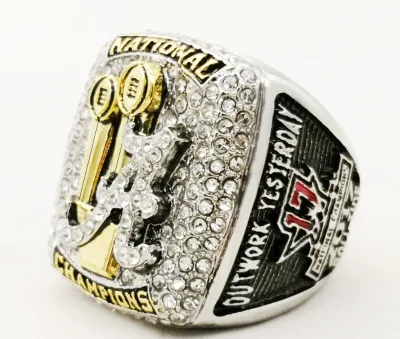
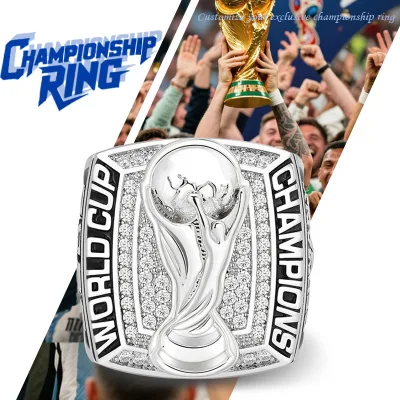
Top Quality Championship Ring Custom Sports Champion Ring 18k Gold Plated
$10.20 - $61.30
MOQ: 2 Minimum
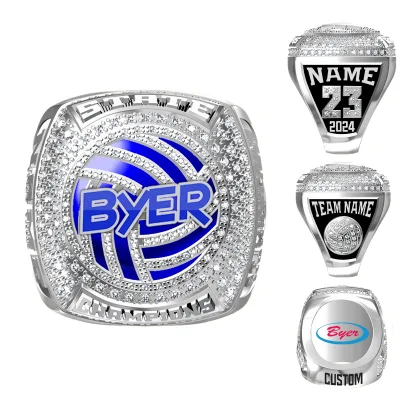
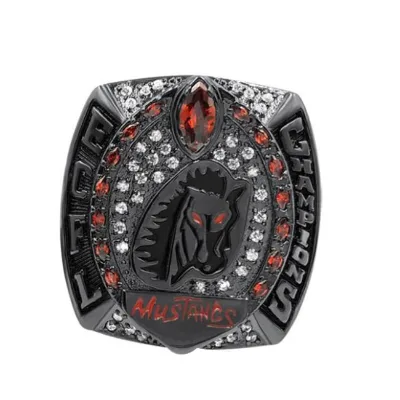
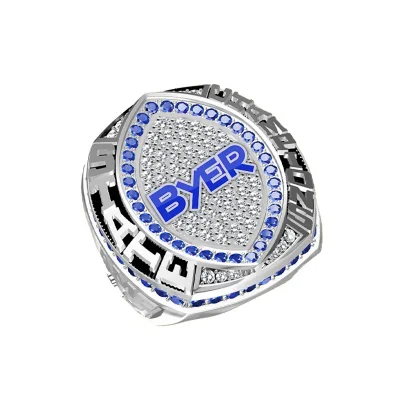




Comprehensive Sourcing Guide
Customized European American Championship Ring Sourcing Guide
Sourcing customized championship rings requires a strategic approach that balances aesthetic fidelity with structural durability, particularly when targeting the European and American markets where design expectations differ significantly. Buyers must first define the specific cultural or organizational symbolism embedded in the ring, as these elements dictate the choice of metal, stone placement, and engraving depth. The observed market data indicates a strong preference for alloy-based constructions, specifically zinc alloy, which offers a cost-effective platform for complex die-casting processes while maintaining a substantial feel appropriate for tournament awards. This material choice allows for intricate geometric patterns and soft enamel detailing that appeal to modern, trendy aesthetics without the prohibitive costs associated with solid precious metals.
Procurement teams should also consider the versatility of the product range, which spans from simple ring-only configurations to complete gift sets including branded packaging. The availability of OEM services and custom design options enables buyers to create unique pieces that reflect specific team identities or event themes, such as top gun sports championships or general tournament victories. By leveraging the observed single gross weight ranges and standardized packaging dimensions, buyers can accurately forecast logistics costs and storage requirements. This foundational understanding of material and design flexibility ensures that the final product aligns with both brand identity and budgetary constraints, setting the stage for successful vendor selection and quality assurance.
Product Scope and Observed Listing Signals
The current market landscape for customized championship rings reveals a diverse array of product configurations, primarily centered around zinc alloy construction with various plating finishes such as gold, silver, bronze, and black. Buyers will encounter listings that highlight natural stone inlays, often paired with crystal or acrylic alternatives, to create a premium visual impact suitable for high-stakes awards. The observed model numbers and packaging specifications suggest a standardized production workflow, with single package sizes ranging from 5.0x5.0x3.0 cm to 5.0x5.0x5.0 cm, indicating a modular approach to inventory management. This standardization allows for efficient scaling of orders while maintaining consistent quality control across different design iterations and color variations.
Furthermore, the observed price ranges and minimum order quantities (MOQs) provide critical insights into the commercial viability of different sourcing strategies. With MOQs starting as low as two pieces for sample validation and extending to 1000 pieces for bulk production, buyers can tailor their procurement volume to match specific event timelines and budget allocations. The presence of multi-color options and unisex gender classifications expands the potential market reach, allowing for broader distribution across diverse participant groups. Buyers should carefully evaluate these signals to determine the optimal balance between customization depth and production efficiency, ensuring that the selected supplier can meet both aesthetic requirements and delivery schedules without compromising on material integrity or finish quality.
Technical Specifications to Verify
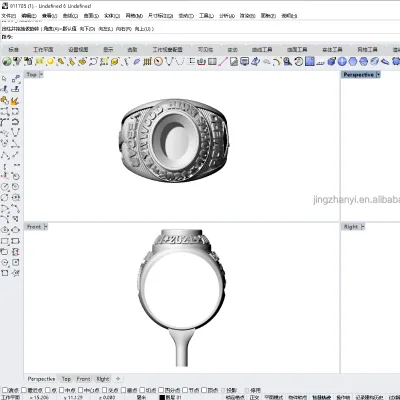
When evaluating technical specifications, buyers must prioritize the verification of ring size availability and dimensional accuracy, as these factors directly impact wearer comfort and product acceptance. The observed market data indicates a wide range of standard sizes, typically spanning from size 8 to 14, with some suppliers offering custom sizing options to accommodate unique requirements. It is essential to confirm that the die-casting process maintains tight tolerances, particularly for intricate geometric patterns and soft enamel applications, to prevent chipping or misalignment during wear. Buyers should request detailed technical drawings and 3D models to validate the design feasibility before committing to mass production, ensuring that all custom elements, such as embossed or debossed logos, are accurately represented in the final product.
Additionally, the finish quality and material composition require rigorous scrutiny to ensure long-term durability and aesthetic appeal. The observed fabrication processes, including electroplating and die casting, must be verified for consistency, with particular attention paid to the adhesion of plating layers and the resistance to tarnishing or corrosion. Buyers should specify the desired finish, whether gold, silver, painting, or other treatments, and confirm that the supplier has the capability to replicate these finishes across large batches. The inclusion of natural stones or acrylic alternatives should also be verified for secure setting and colorfastness, ensuring that the ring maintains its visual integrity over time. By focusing on these technical details, buyers can mitigate the risk of defects and ensure that the final product meets the high standards expected for championship awards.
Compliance and Safety Documentation
Compliance and safety documentation are critical components of the procurement process, particularly when sourcing jewelry items that come into direct contact with the skin. Buyers must ensure that all materials used, including zinc alloy and any plating finishes, comply with relevant international standards for heavy metal content, such as lead and cadmium restrictions. Although specific certification statuses are not explicitly detailed in the observed data, buyers should request material safety data sheets (MSDS) and third-party test reports to verify that the products meet the regulatory requirements of their target markets, including the European Union and the United States. This due diligence helps prevent potential legal liabilities and ensures that the championship rings are safe for wear by athletes, officials, and spectators alike.
Furthermore, buyers should verify that the supplier adheres to ethical manufacturing practices and environmental regulations, particularly regarding the disposal of hazardous materials used in electroplating and die-casting processes. Requesting evidence of compliance with ISO standards or other recognized quality management systems can provide additional assurance of the supplier’s commitment to safety and sustainability. Buyers should also confirm that the packaging materials, such as PP bags or boxes, are free from harmful substances and are suitable for international shipping. By prioritizing compliance and safety documentation, buyers can protect their brand reputation and ensure that the championship rings are delivered without regulatory hurdles or safety concerns, fostering trust among end-users and stakeholders.
Cost Drivers and Commercial Terms
Understanding the cost drivers associated with customized championship rings is essential for effective budget management and negotiation. The primary cost factors include the choice of material, specifically zinc alloy versus precious metals, the complexity of the die-casting and electroplating processes, and the inclusion of natural stones or acrylic inlays. Buyers should note that custom design services and mold making incur additional upfront costs, which can be amortized over larger order quantities to reduce the per-unit price. The observed MOQ ranges and price variations highlight the importance of volume in achieving cost efficiency, with larger orders typically benefiting from economies of scale in production and shipping. Buyers should carefully evaluate these cost components to determine the optimal order quantity that balances budget constraints with customization needs.
Commercial terms, including payment methods, shipping arrangements, and warranty policies, also play a significant role in the overall procurement strategy. Buyers should negotiate clear terms regarding sample approval, production timelines, and quality acceptance criteria to minimize the risk of disputes. The observed shipping options, such as DHL, UPS, FedEx, air, and sea freight, offer flexibility in managing delivery schedules and costs, with buyers able to select the most appropriate method based on urgency and budget. Additionally, buyers should inquire about the supplier’s policy on defects and returns, ensuring that there is a clear mechanism for addressing any quality issues that may arise post-delivery. By establishing transparent commercial terms, buyers can foster a collaborative relationship with their supplier and ensure a smooth procurement process from order placement to final delivery.
Supplier Qualification and Quality Control
Supplier qualification is a critical step in ensuring the reliability and consistency of customized championship ring production. Buyers should conduct thorough due diligence to assess the supplier’s manufacturing capabilities, including their experience with die-casting, electroplating, and custom design services. Verifying the supplier’s track record in producing tournament championship rings and their ability to handle OEM requests is essential for ensuring that they can meet specific brand requirements. Buyers should also evaluate the supplier’s quality control processes, including in-line inspections and final product testing, to ensure that every ring meets the specified standards for finish, stone setting, and dimensional accuracy. This proactive approach helps mitigate the risk of defects and ensures that the final product aligns with the buyer’s expectations.
Furthermore, buyers should establish clear communication channels and regular update protocols to monitor production progress and address any issues promptly. Requesting pre-production samples and conducting rigorous quality checks before mass production begins is a best practice that can prevent costly errors and rework. Buyers should also verify the supplier’s ability to provide consistent quality across large batches, particularly when dealing with complex designs and multiple color variations. By prioritizing supplier qualification and quality control, buyers can build a robust supply chain that delivers high-quality championship rings on time and within budget, enhancing the overall success of their procurement efforts and the satisfaction of end-users.
Long-Term Procurement Checks
Long-term procurement checks are vital for maintaining the quality and consistency of customized championship rings over multiple production cycles. Buyers should implement a structured review process to evaluate supplier performance, including metrics such as on-time delivery, defect rates, and responsiveness to issues. Regular audits of the supplier’s manufacturing facilities and quality control systems can help identify areas for improvement and ensure ongoing compliance with safety and environmental standards. By maintaining a proactive approach to supplier management, buyers can foster a collaborative relationship that drives continuous improvement and innovation in product design and production processes. This long-term perspective helps ensure that the championship rings remain relevant and appealing to end-users, supporting the buyer’s brand identity and market position.
Additionally, buyers should stay informed about emerging trends in jewelry design and materials, as these developments can impact the competitiveness and appeal of their championship rings. Engaging with suppliers to explore new customization options, such as advanced plating techniques or sustainable materials, can enhance the product’s value proposition and differentiate it in the market. Buyers should also consider the lifecycle of the product, including potential for reordering and scalability, to ensure that the supply chain can adapt to changing demand patterns. By focusing on long-term procurement checks and strategic supplier partnerships, buyers can secure a reliable source of high-quality championship rings that meet the evolving needs of their customers and support their business growth objectives.
FAQs
Can I get a custom design for a championship ring?
Yes, custom design services are available for championship rings. You can provide your own sketches or concepts, and the manufacturer will create a mold to match your specifications. This service allows for unique logos, text, and geometric patterns tailored to your specific tournament or team requirements.
What materials are used for these rings?
These rings are primarily made from zinc alloy and other metal alloys. The main stone is often a natural stone, crystal, or acrylic. The finish can be gold, silver, bronze, or black, achieved through electroplating or die casting processes to ensure durability and a premium appearance for daily wear or decoration.
What is the minimum order quantity for custom rings?
The minimum order quantity is typically 50 pieces for customized championship rings. This MOQ applies to orders requiring specific molds or custom designs. Standard items may have different thresholds, but for personalized tournament rings with embossed or debossed logos, the 50-piece minimum ensures viable production costs.
Which ring sizes are available for purchase?
Standard ring sizes available include 8, 9, 10, 11, 12, 13, and 14. Additionally, custom sizes can be requested for specific needs. The rings are designed to fit various finger sizes comfortably, ensuring a secure fit for both men and women wearing these trendy, geometric-style accessories.
How are the rings packaged for shipping?
Rings are packaged in PP bags or boxes to protect them during transit. The single package size is approximately 5.0x5.0x3.0 cm or 5.0x5.0x5.0 cm, depending on the specific model. The gross weight per item is around 0.080 to 0.100 kg, ensuring safe delivery via DHL, UPS, or FedEx.
What customization options are available for logos?
Logos can be added via embossing, debossing, or laser engraving. These methods allow for clear and durable branding on the ring surface. You can also choose from various finishes like gold, silver, or painting to match your team colors. This ensures your championship ring stands out with professional and high-quality detailing.