Source Customized Family Bracelet for Gifts, Sports, and Decorations
Explore 30 listings for Customized Family Bracelet options featuring silicone materials and various features like glow-in-the-dark and RFID. Buyers can compare OEM designs, lead times, and specifications from verified manufacturers.
Key considerations
Products List


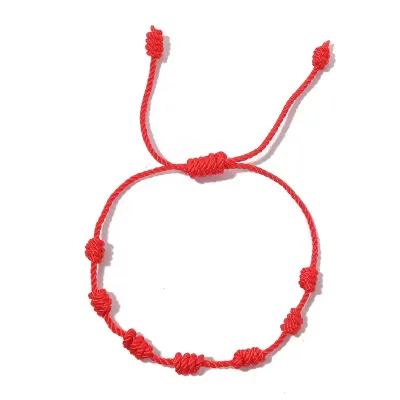
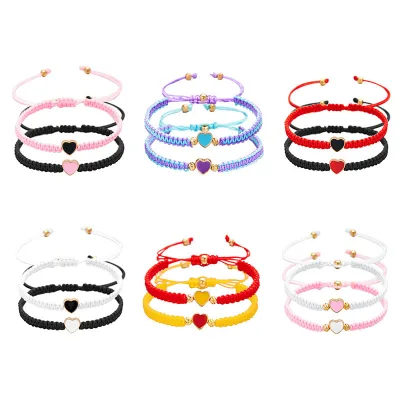


Comprehensive Sourcing Guide
Strategic Sourcing Guide for Customized Family Bracelets
The global market for personalized accessories has seen a significant surge, with customized family bracelets emerging as a prominent category for both promotional campaigns and personal gifting. For B2B procurement professionals, navigating this sector requires a disciplined approach that balances aesthetic customization with rigorous supply chain verification. The following guide synthesizes available product data and industry standards to provide a comprehensive framework for sourcing these items. Buyers must understand that while the core keyword implies a specific product type, the actual supply landscape offers a diverse range of materials, features, and manufacturing capabilities that must be evaluated against specific project requirements.
Technical Specifications and Material Composition
The foundation of any successful procurement strategy lies in a precise understanding of technical specifications. In the current market, silicone is the dominant material for customized family bracelets, offering a unique blend of durability, flexibility, and safety. This material choice is particularly relevant for products intended for children or active lifestyles, as it is generally hypoallergenic and resistant to water and sweat. The manufacturing process for these items is predominantly injection molding, a technique that allows for high precision and the creation of complex shapes, such as the "Star Fashion" or "Cartoon" styles observed in current listings.
When evaluating technical parameters, buyers should focus on the dimensional standards and customization capabilities. Data indicates that standard dimensions often hover around 202mm in length with a width of approximately 12mm, though these figures are frequently subject to customer design variations. The "OEM" (Original Equipment Manufacturer) model is standard, meaning that the supplier produces goods based on the buyer's specific blueprints rather than selling pre-existing inventory. This flexibility extends to the size specifications, where "Custom Size Is Welcomed" is a common attribute, allowing for tailored fits for different family members.
Furthermore, the surface finish and logo application are critical technical differentiators. The market supports various logo types, including concave, raised, recessed, and printing options such as silkscreen. The choice between embossed, debossed, and printed techniques depends on the desired tactile experience and visual impact. For instance, a "Glow in the Dark" feature requires specific material additives or phosphorescent inks, while "Reflective" properties necessitate the inclusion of retro-reflective materials. Buyers must verify that the supplier's injection process can consistently handle these multi-material or multi-step applications without compromising the structural integrity of the bracelet.
Compliance, Certification, and Safety Standards
Safety compliance is non-negotiable when sourcing products intended for family use, particularly if the target demographic includes children. The supply chain for silicone bracelets is heavily regulated, with several key standards serving as benchmarks for quality and safety. Buyers should verify that suppliers possess valid certifications such as CE, EN71, REACH, SGS, and RoHS. These certifications are not merely marketing claims but are essential indicators that the materials used do not contain harmful substances like phthalates or heavy metals.
The "Material Test" attribute in current listings explicitly mentions compliance with CE, EN71, and REACH standards. EN71, specifically, is a crucial European standard for toy safety, which is highly relevant for bracelets that may be worn by children. Similarly, RoHS (Restriction of Hazardous Substances) ensures that the electronic components, if any are integrated (such as RFID or USB features), are free from hazardous materials. REACH compliance is equally important for the chemical safety of the silicone itself.
Buyers must approach certification documentation with a critical eye. While "Good Quality" is often listed as an attribute, it is an observation rather than a guarantee. The procurement process should include a request for current, third-party test reports that correspond to the specific product model. For example, a bracelet featuring "RFID" or "With USB" capabilities introduces electronic components that may require additional testing beyond standard material safety. The presence of features like "Mosquito Repellent" also necessitates verification of the active ingredients and their safety compliance in the destination market.
Cost Drivers and Pricing Dynamics
Understanding the cost structure of customized family bracelets is vital for budget planning and margin analysis. The observed price range in the market spans from $0.02 to $10.00 USD, a wide variance that reflects differences in material quality, feature complexity, and order volume. The primary cost drivers include the complexity of the mold design, the type of customization (e.g., multi-color printing vs. single-color embossing), and the inclusion of special features like glow-in-the-dark capabilities or RFID chips.
Order volume is another significant factor influencing unit cost. The Minimum Order Quantity (MOQ) typically ranges from 50 to 100,000 units, with a common baseline of 100 pieces for many suppliers. However, the "MOQ" attribute in specific listings suggests a baseline of 100 PCS, while other data points indicate ranges up to 100,000. Buyers should anticipate that unit prices will decrease as order quantities increase, but the initial investment in tooling and mold creation can be substantial.
Additional cost considerations include the lead time and shipping terms. The standard production time is observed to be between 15 to 18 days for mass production, with a sample time of 5 to 7 days. Rush orders may incur premium costs. Shipping terms are typically EXW (Ex Works), meaning the buyer is responsible for logistics from the factory gate. For samples, express carriers like UPS, TNT, or DHL are standard, while small orders may also utilize these services. The "Fast Process" capability of some suppliers, noted as 20,000 pieces per day, can reduce lead times but may come at a higher operational cost that is passed on to the buyer.
Typical Applications and Feature Integration
Customized family bracelets serve a multitude of applications, extending beyond simple fashion accessories. The "Usage" attribute highlights categories such as Decoration, Gift, Sports, and Others. In the context of family events, these bracelets are frequently used as identification tools, party favors, or commemorative items. The "Formal Occasions" and "Star Fashion" styles suggest a broader appeal that can bridge the gap between casual wear and event-specific attire.
Feature integration is a key differentiator in this market. The "Feature" list includes Eco-Friendly, Glow in the Dark, Mosquito Repellent, Reflective, RFID, and With USB. These features allow for highly specialized use cases. For instance, "Reflective" bracelets are ideal for night runs or safety-conscious families, while "Glow in the Dark" options are popular for parties or camping trips. The inclusion of "RFID" or "With USB" indicates a shift towards smart accessories, which can store data or provide connectivity, though these features require careful validation of functionality and durability.
The "Suitable for" attribute indicates that while some products are designed for a universal audience, others are specifically targeted at females or general use. The "Style" variations, ranging from "Star Fashion" to "Cartoon," allow buyers to tailor the product to specific demographics within the family unit. For example, a "Cartoon" style might appeal to younger children, while a more minimalist "Star Fashion" design could suit adults. The "Eco-Friendly" attribute is increasingly important for modern consumers, suggesting that sustainable manufacturing practices and recyclable materials are a growing priority in the sector.
Supplier Evaluation and Quality Control
Selecting the right supplier is perhaps the most critical step in the procurement process. Buyers should evaluate potential partners based on their production capacity, quality control measures, and responsiveness. The "Fast Process" capability of 20,000 pieces per day is a strong indicator of a supplier's ability to handle large-scale orders, but it must be balanced with their ability to maintain consistent quality. The "Competitive" attribute regarding "Fine Workmanship" suggests that high-quality finishing is a standard expectation, but it should be verified through physical samples.
Quality control should be embedded throughout the production cycle. Buyers should request a pre-production sample to verify the "Customer Design" accuracy, ensuring that the logo type (Concave, Raised, etc.) and dimensions match the specifications. The "prod_packing" details, such as "1PC/Polybag; 100PCS/Bigbag," indicate standard packaging practices, but buyers may need to negotiate custom packaging solutions for branding purposes. The "Export Markets: Global" attribute suggests that the supplier has experience with international logistics and compliance, which is beneficial for cross-border transactions.
When evaluating suppliers, buyers should also consider the "Terms" of trade. The standard EXW-Factory term places the burden of logistics on the buyer, so it is essential to have a clear understanding of shipping costs and timelines. The "Sample Time" of 5-7 days allows for a reasonable turnaround for design validation, but buyers should ensure that the sample quality is representative of the mass production run. The "Good Quality" attribute is a positive signal, but it should be backed by tangible evidence such as test reports or references from previous clients.
Long-Term Procurement Considerations
Sourcing customized family bracelets is not just a one-time transaction but often part of a long-term supply chain strategy. Buyers should consider the scalability of their supplier's operations. The ability to produce 20,000 pieces per day suggests that the supplier can accommodate growth, but buyers must ensure that the quality remains consistent as volumes increase. The "Customer Design" and "OEM" capabilities allow for flexibility in future product iterations, enabling buyers to update designs or add new features without changing suppliers.
Sustainability is another long-term consideration. The "Eco-Friendly" feature is a growing trend, and buyers should inquire about the supplier's commitment to sustainable practices. This includes the sourcing of raw materials, the energy efficiency of the injection molding process, and the recyclability of the final product. The "Material Test" certifications like REACH and RoHS are foundational, but buyers may need to explore additional environmental standards depending on their corporate sustainability goals.
Finally, the "Production Time" of 15-18 days and "Sample Time" of 5-7 days should be factored into the overall project timeline. Buyers should build in buffer time for potential delays, especially when dealing with complex customizations or international shipping. The "Shipping" options, including express carriers for samples and small orders, provide flexibility, but bulk shipments may require different logistics arrangements. By maintaining a proactive relationship with the supplier and clearly communicating expectations, buyers can ensure a smooth and efficient procurement process for their Customized Family Bracelet projects.
FAQs
What certifications do these silicone bracelets meet?
The products meet CE, EN71, REACH, SGS, and RoHS standards. These certifications ensure safety for children and compliance with international regulations regarding hazardous substances in materials and electronics.
Can I customize the size and logo on these bracelets?
Yes, custom sizes and OEM designs are welcomed. Buyers can choose from concave, raised, recessed, or printing logo types like silkscreen to match their specific branding requirements.
How long does it take to produce a mass order?
Mass production typically requires 15 to 18 days. Sample orders are faster, taking only 5 to 7 days, while the factory can process up to 20,000 pieces per day.
What is the minimum order quantity for these items?
The minimum order quantity is generally 100 pieces. However, the market range extends from 50 to 100,000 units depending on the specific supplier and product model selected.
Which features are available for these family bracelets?
Available features include eco-friendly materials, glow-in-the-dark effects, mosquito repellent, reflective surfaces, RFID, and USB connectivity. These options allow for versatile usage in sports, gifts, and decoration.
Where are these bracelets manufactured and shipped from?
The products originate from China. Shipping for samples uses express carriers like UPS, TNT, or DHL, while mass orders typically follow EXW factory terms.