Source Customized Laser Printed Claw Machine for Arcades, Malls, and Events
Source Customized Laser Printed Claw Machine options from 30 verified listings. Compare specifications including CNC machined stainless steel construction, powder coated finishes, and various plug types to find the right fit for your arcade or retail space.
Key considerations
Products List

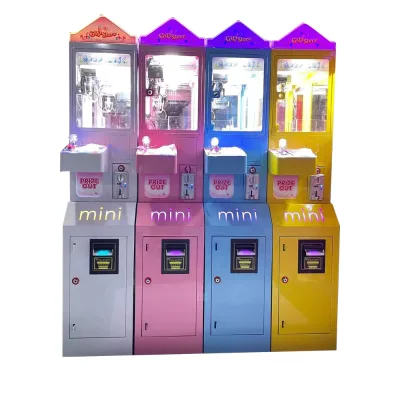
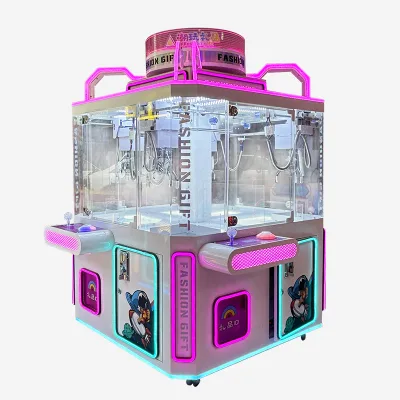
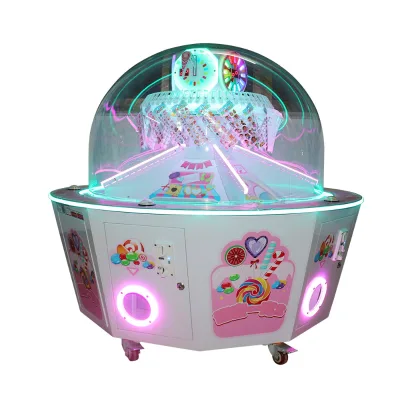
Wholesale Customized Doll Claw Machine Mini Claw Machine Toy Claw Machine Fabrication
$468.00 - $499.00
MOQ: 20 Pieces

Customized Sheet Metal Fabrication of Arcade Coin Operated Claw Machine for Sale
$468.00 - $499.00
MOQ: 20 Pieces

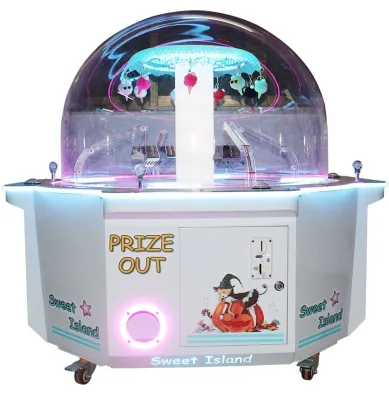


Comprehensive Sourcing Guide
Customized Laser Printed Claw Machine Sourcing Guide
Sourcing customized laser printed claw machines requires a nuanced understanding of both the mechanical engineering behind arcade hardware and the aesthetic customization options available to brand owners. These devices, often categorized under crane machines or coin pushers, serve as high-engagement entertainment units in arcades, shopping malls, and family entertainment centers. The core value proposition for buyers lies in the ability to tailor the exterior graphics and internal mechanics to specific brand identities or thematic environments. By leveraging digital printing and CNC machining technologies, suppliers can produce units that stand out visually while maintaining the robust operational standards required for high-traffic public spaces.
The procurement process for these machines involves balancing aesthetic customization with functional reliability. Buyers must navigate a market where standard models are readily available, but fully customized variants require careful specification of materials, surface treatments, and electrical components. The observed market signals indicate a wide range of pricing and minimum order quantities, suggesting that buyers can scale their orders from single prototype units to larger batches depending on their budget and operational needs. Understanding these variables is critical for establishing realistic expectations regarding lead times, total cost of ownership, and the long-term maintenance requirements of the installed equipment.
Product Scope and Observed Listing Signals
The current market for customized claw machines exhibits significant variability in pricing, ranging from approximately $60 to $5,000 USD, which reflects differences in build quality, component sourcing, and the extent of customization. This broad price spectrum indicates that buyers should not equate lower prices with superior value, as critical components such as motors, control boards, and glass panels may vary in durability. The observed minimum order quantity (MOQ) ranges from 1 to 20 pieces, offering flexibility for small businesses testing the market or larger operators looking to equip multiple locations. Buyers should carefully evaluate whether the listed price includes shipping, installation support, and warranty services, as these factors can significantly impact the final acquisition cost.
Listing signals also reveal a strong emphasis on customization capabilities, with many suppliers offering digital printing for logos and graphics, as well as CNC machining for precise structural components. The materials commonly cited include stainless steel and metals combined with glass, ensuring a premium feel and durability against vandalism and wear. Surface treatments such as powder coating and brushed steel finishes are available to enhance aesthetic appeal and protect against corrosion, particularly for units intended for outdoor or high-humidity environments. Buyers should verify that the customization options align with their brand guidelines and that the supplier has a proven track record of maintaining color accuracy and print quality across production runs.
Technical Specifications to Verify
When evaluating technical specifications, buyers must prioritize the structural integrity and operational precision of the claw machine. Key attributes to verify include the tolerance levels of machined parts, which can be as tight as +/-0.01mm, ensuring smooth mechanical operation and reduced wear over time. The routing method, such as a bottom inlet and top outlet design, can affect the internal airflow and cable management, influencing the longevity of electronic components. Additionally, the voltage requirements, typically ranging from 110V to 240V, must match the electrical infrastructure of the installation site, with specific plug types such as US or UK plugs available to ensure compatibility.
The physical dimensions and weight of the machine are also critical factors for logistics and installation planning. Observed specifications include sizes such as 35cm width, 40cm depth, and 160cm height, with weights around 50kg, indicating a substantial build that requires adequate floor support. Buyers should confirm whether the machine is delivered half-assembled or fully assembled, as this impacts the on-site setup time and labor costs. Furthermore, the inclusion or exclusion of electrical parts in the product scope must be clarified, as some suppliers may provide only the mechanical shell, requiring the buyer to source compatible control systems and power supplies separately.
Compliance and Safety Documentation
Compliance with international safety and quality standards is non-negotiable for arcade equipment, particularly when deployed in public spaces. Buyers should request documentation verifying that the machine meets relevant standards such as EN, GB, CE, CQC, and ISO certifications, which attest to electrical safety, mechanical integrity, and environmental compliance. These certifications are essential for insurance purposes and regulatory approval in many jurisdictions, ensuring that the machine poses no risk to users or operators. It is crucial to verify that the certification applies to the specific model and configuration being purchased, as customizations can sometimes affect compliance status.
In addition to formal certifications, buyers should inquire about the environmental conditions for which the machine is rated. While many units are designed for indoor use, some suppliers offer options for outdoor deployment, which require enhanced weatherproofing and corrosion resistance. The warranty terms, typically ranging from 12 months to 1 year, should be clearly defined in the contract, covering both parts and labor. Buyers should also confirm the availability of spare parts and technical support, as these are vital for minimizing downtime and ensuring the long-term viability of the investment.
Cost Drivers and Commercial Terms
The total cost of a customized claw machine is influenced by several key drivers, including the choice of materials, the complexity of the customization, and the volume of the order. Stainless steel and glass components, while durable and aesthetically pleasing, are more expensive than plastic alternatives. Similarly, extensive digital printing and CNC machining add to the production time and cost, particularly for low-volume orders. Buyers should negotiate volume discounts if they plan to purchase multiple units, as this can significantly reduce the per-unit cost and improve the overall return on investment.
Commercial terms such as payment methods, delivery times, and packaging requirements also play a significant role in the procurement process. The observed payment term of T/T (Telegraphic Transfer) is common, but buyers should negotiate for milestone payments to mitigate risk. Delivery times typically range from 7 to 15 working days, but this can vary based on the level of customization and current production loads. Packaging is usually done in wooden boxes or carton packaging with wooden frames to ensure safe transit, but buyers should confirm that the packaging meets international shipping standards to prevent damage during transit.
Supplier Qualification and Quality Control
Selecting a reliable supplier is paramount to ensuring the quality and longevity of the customized claw machine. Buyers should verify the supplier’s manufacturing capabilities, including their experience with CNC machining, sheet metal fabrication, and assembly support. A supplier with a dedicated quality control process will perform rigorous testing on each unit before shipment, checking for mechanical defects, electrical faults, and aesthetic inconsistencies. Buyers should request evidence of past projects and customer references to assess the supplier’s reliability and consistency in delivering high-quality products.
Quality control should also extend to the customization process, ensuring that the laser printing and surface treatments meet the agreed-upon specifications. Buyers should request samples or prototypes before committing to large orders, allowing them to evaluate the print quality, color accuracy, and overall build quality. Additionally, suppliers should provide clear documentation of the materials used, including any certifications for the metals and glass components. This transparency helps buyers verify that the machine meets their durability and safety requirements, reducing the risk of premature failure or non-compliance.
Long-Term Procurement Checks
Long-term procurement success depends on establishing a strong relationship with the supplier and implementing ongoing quality monitoring. Buyers should schedule regular check-ins with the supplier to discuss performance feedback, maintenance issues, and potential improvements. This collaborative approach can lead to better product iterations and more responsive support when issues arise. Additionally, buyers should maintain a detailed record of all transactions, warranties, and service agreements, ensuring that they can easily access support when needed.
Monitoring the performance of the installed machines is also critical for identifying trends and addressing systemic issues. Buyers should track metrics such as downtime, repair frequency, and customer feedback to assess the overall reliability of the equipment. If multiple units exhibit similar problems, buyers should work with the supplier to implement corrective actions, such as design modifications or component upgrades. By proactively managing the procurement lifecycle, buyers can maximize the value of their investment and ensure a positive experience for end-users.
FAQs
Can I customize the logo on the claw machine?
Yes, digital printing is available for logo and graphic design customization on the machine. The product supports customized branding options to meet specific buyer requirements for unique visual identity.
What is the minimum order quantity for this machine?
The minimum order quantity is one piece, allowing for single-item purchases. This low MOQ facilitates testing the product quality before committing to larger bulk orders for resale.
How long does delivery take for the customized machine?
Delivery typically takes between seven to fifteen working days after order confirmation. This lead time applies to the standard production and packing process for the specified model.
What certifications does the claw machine hold?
The machine holds CE, CQC, and ISO certifications to ensure safety and quality compliance. These standards verify that the product meets international requirements for electrical and mechanical safety.
What is the warranty period for the machine?
The product comes with a twelve-month warranty covering manufacturing defects. This warranty ensures buyer protection for one year from the date of purchase or delivery.
Can the machine be used in outdoor environments?
The machine is designed for indoor use only according to its environmental condition specification. While some components are durable, the product is not rated for outdoor exposure.
What is the voltage requirement for the machine?
The machine operates on a voltage range of 110V to 240V for global compatibility. It supports various plug types including US and UK plugs depending on the specific configuration.