Source Customized Leather Booth Sofa for Cafe, Hotel, and Bar
Explore 30 options for Customized Leather Booth Sofa designs suitable for commercial dining and hospitality spaces. Compare modern styles, genuine and synthetic materials, and high-quality finishes to find the right seating solution for your venue; compare the available evidence and request quotations based on your requirements.
Key considerations
Products List

China Factory Customized Restaurant Leather Booth Sofa Furniture Booth Seating
$150.00 - $300.00
MOQ: 1 Pieces


Custom Restaurant Furniture Booth Seating Cafe Shop Leather Couch Sofa
$100.00 - $300.00
MOQ: 10 Pieces


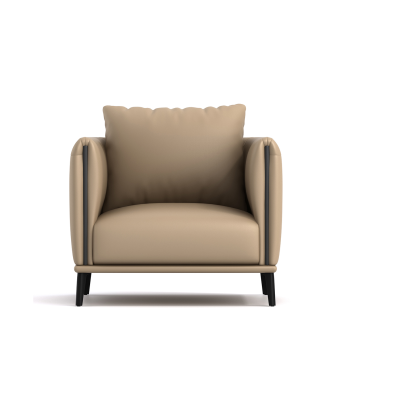


Customizable Half Round Restaurant Furniture Booth Sofa with Storage Cabinet
$50.00 - $225.00
MOQ: 2 Pieces

Custom Premium Black PU Leather Sofa Booth Seating for Restaurant and Cafe
$88.00 - $100.00
MOQ: 10 Pieces


Comprehensive Sourcing Guide
Customized Leather Booth Sofa Sourcing Guide
Sourcing customized leather booth sofas requires a strategic approach that balances aesthetic flexibility with rigorous commercial due diligence. Buyers must navigate a market where "customization" ranges from minor fabric swaps to full structural modifications, impacting both lead times and unit economics. The observed product landscape indicates a strong presence of manufacturers in Guangdong, China, offering models that cater to diverse commercial environments such as cafes, restaurants, hotels, and bars. Understanding the specific operational needs of your venue is the first step in defining the scope of customization, ensuring that the final product aligns with both brand identity and functional requirements.
Procurement teams should prioritize suppliers who demonstrate clear production capabilities and transparent communication channels. The availability of modern styles and various seating configurations, including single, double, and U-shaped designs, suggests a mature supply chain capable of handling complex orders. However, the term "customized" can be ambiguous; therefore, buyers must establish precise definitions for materials, dimensions, and finishing details early in the negotiation process. This clarity prevents misunderstandings during production and ensures that the delivered furniture meets the exact specifications required for high-traffic commercial use, reducing the risk of costly rework or delays.
Product Scope and Observed Listing Signals
The current market for customized leather booth sofas presents a wide price range, observed between $20 and $1,380 USD, reflecting significant variation in material quality, construction complexity, and order volume. This disparity highlights the importance of defining your budget and quality expectations clearly before engaging with suppliers. Lower price points may correspond to synthetic leather options or basic structural designs, while higher tiers likely involve genuine leather, enhanced durability features, and more intricate customization options. Buyers should analyze these price signals in conjunction with minimum order quantities (MOQs), which range from as low as one piece to over one hundred cases, to determine the most cost-effective sourcing strategy for their specific project scale.
Listing signals also reveal a strong emphasis on commercial durability and aesthetic versatility. Products are frequently described as "top grade" or "high quality" with quality guarantees exceeding five years, indicating a focus on long-term performance in demanding environments. The observed shapes, including wall benches and half-circular designs, suggest that suppliers are equipped to handle spatial constraints and unique layout challenges common in modern hospitality venues. Additionally, the availability of both fixed and unfixed configurations allows buyers to choose between permanent installations and flexible seating arrangements, depending on the operational flow and maintenance needs of their establishment.
Technical Specifications to Verify
When evaluating technical specifications, buyers must scrutinize the material composition, particularly the distinction between genuine and synthetic leather options. The observed listings include both types, each offering different benefits regarding cost, maintenance, and aesthetic appeal. Genuine leather provides a premium look and natural breathability, while synthetic leather often offers superior scratch resistance and easier cleaning, which is crucial for high-traffic areas like fast-food chains or busy cafes. It is essential to request physical samples or detailed material certificates to verify the grade and thickness of the leather, ensuring it meets the durability standards required for your specific application.
Structural integrity and dimensional accuracy are equally critical aspects of the technical evaluation. Specifications such as back height, armrest presence, and overall size should be customized to fit the ergonomic needs of your patrons and the spatial constraints of your venue. The observed models, such as FOH-18CTK03 and FH-BTL240502, demonstrate that suppliers offer specific model numbers that can serve as reference points for quality and design. Buyers should verify the packing details, such as KD (knock-down) packing with export-standard cartons, to ensure safe transportation and ease of installation, minimizing the risk of damage during shipping and handling.
Compliance and Safety Documentation
Compliance with international standards is a non-negotiable aspect of sourcing commercial furniture, particularly when dealing with materials like leather and upholstery. The observed listings frequently mention certifications such as CE, ISO9001, and ISO14001, which indicate adherence to quality management and environmental standards. Buyers should request valid certification documents from suppliers to verify their compliance status, ensuring that the manufacturing processes meet recognized global benchmarks. These certifications not only mitigate legal risks but also enhance the credibility of the supplier, providing assurance that the products are produced in a controlled and responsible manner.
Safety documentation should also include fire retardancy and chemical safety reports, especially for furniture used in public spaces like hotels and restaurants. While specific test results are not detailed in the observed data, buyers must inquire about compliance with local fire safety regulations and chemical restrictions, such as REACH in Europe. Verifying that the leather and foam materials meet these safety standards is crucial for protecting patrons and avoiding potential liabilities. Additionally, understanding the supplier's quality guarantee, which is often cited as exceeding five years, provides a framework for after-sales support and warranty claims, ensuring long-term protection for your investment.
Cost Drivers and Commercial Terms
Several key factors influence the final cost of customized leather booth sofas, with material selection being the primary driver. The choice between genuine and synthetic leather, along with the grade of wood or metal used in the frame, significantly impacts the unit price. Buyers should also consider the complexity of the customization, as unique shapes, sizes, or special finishes may incur additional tooling or labor costs. Understanding these cost drivers allows for more accurate budgeting and helps in negotiating favorable terms with suppliers, ensuring that the final invoice aligns with the expected value and quality of the product.
Commercial terms, including minimum order quantities (MOQs) and delivery times, play a crucial role in the overall procurement strategy. The observed MOQs range from one piece to ten cases, offering flexibility for both small-scale renovations and large-scale projects. Delivery times are typically cited as within 15 to 25 days, which is relatively fast for customized furniture, but buyers should confirm these timelines during negotiations to account for potential delays. Shipping methods, such as sea or air freight, also affect costs and lead times, so selecting the most efficient logistics solution is essential for maintaining project schedules and controlling expenses.
Supplier Qualification and Quality Control
Supplier qualification is a critical step in ensuring the reliability and consistency of customized leather booth sofas. Buyers should assess the supplier's production capacity, which is observed to be up to 100,000 pieces per month, indicating the ability to handle large orders without compromising quality. Additionally, verifying the supplier's location, such as Guangdong or Guangzhou, can provide insights into their supply chain efficiency and access to raw materials. Conducting factory audits or requesting references from previous clients can further validate the supplier's reputation and operational capabilities, reducing the risk of partnering with unreliable vendors.
Quality control measures should be integrated into the procurement process to ensure that the final products meet the agreed-upon specifications. Buyers should establish clear quality checkpoints, including pre-production sample approvals and during-production inspections, to catch any deviations early. The observed emphasis on "top grade" quality and long-term guarantees suggests that reputable suppliers prioritize consistency and durability. Implementing a robust quality control plan, including third-party inspections if necessary, ensures that the customized furniture meets the high standards required for commercial use, protecting your brand reputation and customer satisfaction.
Long-Term Procurement Checks
Long-term procurement success depends on establishing strong relationships with suppliers who can support ongoing needs and future expansions. Buyers should focus on suppliers who offer consistent quality, reliable delivery times, and responsive customer service. The observed quality guarantees of over five years indicate a commitment to product longevity, which is essential for minimizing replacement costs and maintaining a consistent aesthetic in commercial spaces. Building a partnership with a supplier who understands your brand and operational needs can lead to better pricing, priority production, and tailored solutions for future projects.
Regular performance reviews and feedback loops are essential for maintaining high standards and addressing any issues promptly. Buyers should monitor key performance indicators such as defect rates, delivery accuracy, and communication responsiveness to evaluate supplier performance over time. Additionally, staying informed about industry trends and new material innovations can help in making informed decisions about future purchases. By continuously assessing and optimizing the procurement process, buyers can ensure that their customized leather booth sofas continue to meet the evolving needs of their business, providing lasting value and enhancing the overall customer experience.
FAQs
Can customized leather booth sofas be delivered within 20 days?
Yes, delivery is typically within 20 days for standard orders. Production capacity reaches 100,000 pieces monthly, ensuring timely fulfillment. Shipping options include sea or air freight to accommodate urgent timelines. Buyers should confirm specific lead times based on order volume and customization complexity before finalizing the purchase agreement.
What certifications do these commercial furniture items hold?
These items hold CE, ISO9001, and ISO14001 certifications. Some listings also reference ISOCCC standards. These credentials verify compliance with international quality and environmental management systems. Buyers seeking specific regulatory approvals should verify the exact certificate type for their target market during the sourcing process.
What materials are used for the booth seating?
Materials include genuine leather and synthetic leather options. Both variants offer durability suitable for high-traffic commercial environments like restaurants and hotels. The choice depends on budget and aesthetic preferences. Buyers can request samples to evaluate texture and scratch resistance before placing bulk orders for their specific venue requirements.
What is the minimum order quantity for these sofas?
MOQ ranges from 1 to 110 pieces depending on the supplier. Some vendors require 10 pieces, while others accept single units. Customization may influence the minimum threshold. Buyers should clarify the exact MOQ with the manufacturer to ensure alignment with their initial procurement volume and budget constraints.
Are these booth sofas suitable for restaurant and hotel use?
Yes, they are designed for cafes, restaurants, hotels, and malls. The modern style and high-back design enhance customer comfort. Features like scratch resistance ensure longevity in busy settings. These commercial furniture pieces are engineered to withstand frequent use while maintaining aesthetic appeal in various hospitality environments.
How are the booth sofas packaged for shipping?
Packaging uses KD export standard cartons or PP woven bags. This method protects the furniture during transit. Custom packaging requirements are available upon request. Secure packing ensures items arrive undamaged, reducing the risk of claims. Buyers should specify their preferred packaging details to meet their logistical needs.