Source Customized Logo Lightweight Foam Inserts for Electronics, Medical, and Toys
Find 30 suppliers offering Customized Logo Lightweight Foam Inserts designed for electronics, medical kits, and toy packaging. Buyers can compare materials like EVA and PU, thickness options, and OEM design capabilities to select the right protection solution.
Key considerations
Products List


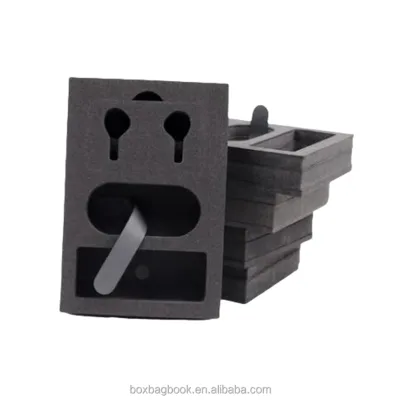
Manufacturer Customizes EVA Foam Insert for Packaging to Match The Tool Box
$0.10 - $36.75
MOQ: 500 Pieces


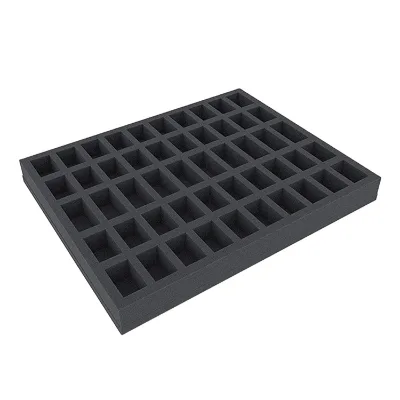
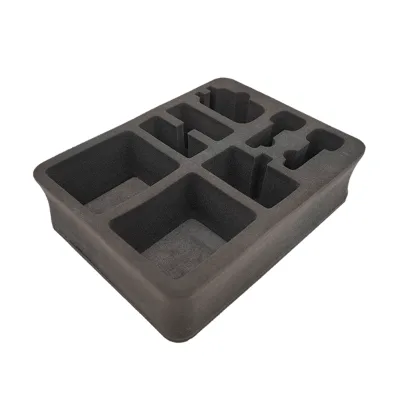
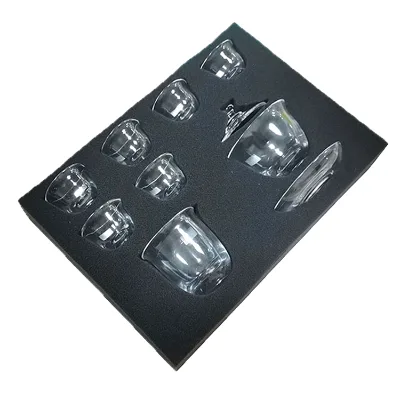
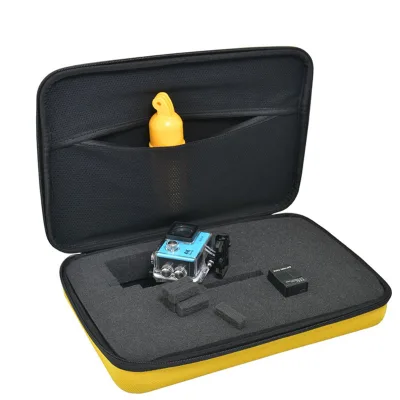

Comprehensive Sourcing Guide
Strategic Sourcing Guide for Customized Logo Lightweight Foam Inserts
Understanding Material Composition and Physical Properties
When sourcing Customized Logo Lightweight Foam Inserts, the primary decision point lies in selecting the correct base material to ensure the final product meets specific functional requirements. The market offers a diverse range of polymers, with Ethylene-Vinyl Acetate (EVA), Polyurethane (PU), and Ethylene Propylene (EPE) being the most prevalent options observed in current listings. EVA foam is frequently cited as a raw material for anti-collision buffer inner packing, offering a balance of softness and durability suitable for electronics and toys. PU integral skin foam provides a distinct surface finish, often described as molded PU foam, which can be advantageous for applications requiring a smoother aesthetic or higher abrasion resistance. Additionally, EPE and Neoprene appear as viable alternatives, with Neoprene specifically noted for its suitability in industrial rubber slab applications where heat and cold resistance are critical.
The physical specifications of these inserts vary significantly based on the intended application. Thickness is a critical dimension, with observed ranges spanning from 1mm to 100mm, allowing for extreme customization in cushioning density. For lightweight applications, buyers should verify the density specifications, which are often listed as 25kg/M3 or fully customizable to match the weight constraints of the product being packaged. The shape of the insert is equally important; while die-cutting is a standard process for creating flat profiles, CNC engraving and laser cutting enable the creation of complex, three-dimensional shapes that fit irregular product contours. The appearance of the final product can be tailored through molded PU foam techniques or die-cutting processes, ensuring the insert aligns with the visual identity of the brand.
Technical Capabilities and Customization Processes
The core value proposition of Customized Logo Lightweight Foam Inserts is the ability to integrate branding directly into the protective packaging. The sourcing landscape supports extensive OEM design capabilities, allowing buyers to request specific shapes, colors, and logos. The customization process typically involves advanced manufacturing technologies such as CNC engraving, die cutting, laser cutting, and wire cutting. These methods ensure high precision in reproducing logos and intricate patterns on the foam surface. The color options are generally flexible, with black being a standard offering, but customized colors are widely available to match brand guidelines.
The production workflow for these inserts often begins with the design phase, where the buyer provides specifications for the product model, such as YXI002 or YXEI001, which serve as reference points for specific configurations. The technology employed allows for the creation of inserts that serve multiple functions, including packaging box protection and general product protection. The medium used, such as pure gum rubber sheet and fabric or synthetic rubber pads, influences the final performance characteristics. For instance, rubber-based materials may offer superior heat-resistant and cold-resistant properties compared to standard EVA, making them suitable for harsh environments. The application of these inserts extends beyond simple packaging to include use in toolboxes, medical kits, and cosmetic cases, where the integration of a logo adds a layer of professional branding to the protective solution.
Compliance, Certification, and Safety Standards
Ensuring that customized foam inserts meet international safety and environmental standards is a critical step in the procurement process. While specific certification statuses can vary by supplier, RoHS compliance is a documented standard for certain foam products in the market. This certification indicates that the materials used do not contain restricted hazardous substances, which is essential for products destined for the European market or for use in sensitive environments like medical kits and electronics. Buyers must verify that the raw materials, whether EVA mats or synthetic rubber, adhere to these environmental regulations.
Beyond material safety, the performance characteristics of the foam must align with the intended use case. For industrial applications, features such as heat resistance, cold resistance, and impact resistance are paramount. The sourcing guide notes that certain rubber sheets and foams are specifically engineered to be insulating, which is a vital property for protecting sensitive electronic components from thermal fluctuations. When evaluating suppliers, buyers should request documentation confirming that the specific batch of foam meets these performance criteria. It is important to note that while some products are listed with specific performance claims, these should be treated as observations of specific listings rather than universal guarantees for all products in the category. Verification through third-party testing or supplier-provided test reports is recommended to ensure consistent quality.
Cost Drivers and Pricing Dynamics
The pricing of Customized Logo Lightweight Foam Inserts is influenced by a complex interplay of factors, including material selection, order volume, and the complexity of the customization. The observed price range in the market is extensive, spanning from $0.06 to $30,000, reflecting the vast difference between small, simple die-cut pieces and large, complex molded PU foam systems. The minimum order quantity (MOQ) is another significant cost driver, with observed ranges varying from 1 to 500 pieces. A specific listing indicates an MOQ of 500 pieces, which suggests that smaller orders may incur higher per-unit costs or require special handling.
Material costs play a substantial role in the final price. EVA and PU foams generally have different price points depending on the density and the specific formulation used. Customization adds another layer of cost; while the base material might be inexpensive, the addition of a custom logo, complex CNC engraving, or unique die-cutting patterns increases the manufacturing time and complexity. Payment terms, including options like TT, LC, Western Union, and PayPal, can also influence the financial dynamics of the transaction, particularly for international buyers. Buyers should be aware that the lead time, typically ranging from 15 to 40 days for production, can impact overall project costs, especially if expedited shipping is required. Understanding these variables allows buyers to negotiate more effectively and budget accurately for their packaging needs.
Typical Applications and Industry Use Cases
Customized Logo Lightweight Foam Inserts are versatile solutions employed across a wide array of industries. The primary application is in the protection of electronic goods, where the foam serves as a shockproof barrier against impact and vibration during transit. The lightweight nature of EVA and PU foams makes them ideal for this purpose, ensuring that the packaging does not add excessive weight to the final product. Beyond electronics, these inserts are widely used in the hardware, craft, shoe, and toy industries, where the ability to customize the shape and logo is crucial for brand differentiation.
The application scope extends to specialized sectors such as medical kits and cosmetics, where hygiene and presentation are paramount. In these contexts, the foam insert not only protects the contents but also serves as a premium packaging element that enhances the unboxing experience. The ability to customize the shape allows for precise fitting of medical instruments or cosmetic bottles, preventing movement and potential damage. Additionally, the use of heat-resistant and cold-resistant materials makes these inserts suitable for industrial applications, such as lining toolboxes or protecting equipment in extreme weather conditions. The versatility of the material allows for a single product line to serve multiple industries, from food packaging to general household items, provided the specific material properties are matched to the application requirements.
Supplier Evaluation and Quality Control Protocols
Selecting a reliable supplier for Customized Logo Lightweight Foam Inserts requires a rigorous evaluation process. Buyers should prioritize suppliers who demonstrate a clear understanding of the customization process, including their capabilities in CNC engraving, die cutting, and laser cutting. The origin of the products is a key factor, with many suppliers based in China, specifically in regions like Changzhou, offering competitive advantages in manufacturing scale and cost. However, buyers must verify the specific production capabilities of each supplier to ensure they can meet the required thickness, density, and design specifications.
Quality control is essential to ensure that the final product matches the design intent. Buyers should request samples to verify the accuracy of the logo placement, the consistency of the die-cutting, and the overall finish of the foam. The sample time, typically ranging from 3 to 7 days, provides an opportunity to assess the supplier's responsiveness and quality standards. It is also important to evaluate the supplier's ability to handle the specific industry requirements, such as providing RoHS certification for electronic applications or ensuring heat resistance for industrial uses. The packaging of the finished goods, often in cartons, should be inspected to ensure it protects the inserts during shipping. By focusing on these tangible quality indicators, buyers can mitigate the risks associated with outsourcing custom manufacturing.
Long-Term Procurement and Supply Chain Considerations
Establishing a long-term relationship with a supplier for customized foam inserts involves more than just securing a single order. Buyers should consider the scalability of the supplier's production capabilities to handle increasing order volumes as their business grows. The lead time of 15 to 40 days is a critical factor in supply chain planning, and buyers should ensure that the supplier can maintain consistent delivery schedules even during peak periods. The flexibility of the supplier to accommodate design changes or volume fluctuations is also a key consideration for long-term success.
Furthermore, the standardization of the product model, such as YXI001 or YXI002, can simplify the procurement process for repeat orders. However, buyers must remain vigilant about the customization aspect, ensuring that any changes in logo design or material specifications are clearly communicated and documented. The loading port, typically the China Main Port, should be factored into logistics planning to minimize shipping costs and delays. By maintaining open communication with the supplier and establishing clear quality benchmarks, buyers can ensure a stable and efficient supply chain for their Customized Logo Lightweight Foam Inserts, supporting their brand's growth and product protection needs over the long term.
FAQs
What materials are used for Customized Logo Lightweight Foam Inserts?
Common materials include EVA, PU, EPE, and Neoprene. These options offer varying properties like shockproof protection or heat resistance, allowing selection based on specific industry needs such as electronics or medical kits.
Can I customize the shape and logo on these foam inserts?
Yes, OEM design and custom shapes are available. Manufacturers use CNC engraving, die cutting, and laser cutting to create precise logos and molded PU foam profiles that fit irregular product contours.
What is the typical lead time for production of these inserts?
The standard lead time ranges from 15 to 40 days. This duration accounts for the customization process, including die cutting or molding, though sample times are shorter at 3 to 7 days.
Which certifications are available for these foam packaging products?
RoHS certification is documented for certain foam products in the market. This ensures materials do not contain restricted hazardous substances, which is essential for electronics and medical kit applications.
What is the minimum order quantity for these foam inserts?
The observed MOQ ranges from 1 to 500 pieces. Some specific listings require a minimum of 500 pieces, while others may accommodate smaller orders depending on the supplier and customization complexity.
How thick can these foam inserts be customized?
Thickness can be customized from 1mm to 100mm. This wide range allows buyers to select the exact density and cushioning level required for protecting items like toys, hardware, or cosmetic bottles.
Where are these foam inserts typically manufactured?
Products originate from China, with specific mentions of Changzhou. The loading port is usually the China Main Port, facilitating international shipping via various payment methods like TT or LC.