Source Customized Logo Matchboxes for Hotels, Homes, and Events
Find and compare 30 options for customized logo matchboxes tailored for household, hotel, and event use. These windproof wooden matches offer classic and modern styles with flexible branding and packing configurations to suit diverse sourcing needs.
Key considerations
Products List


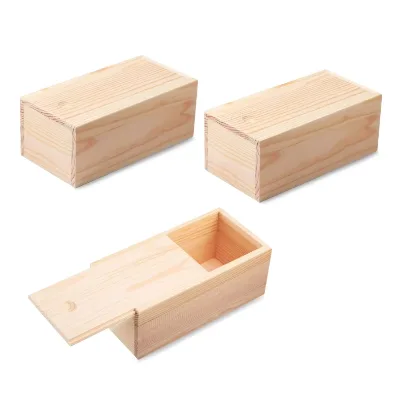
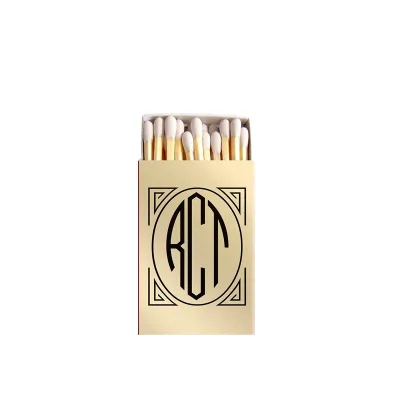
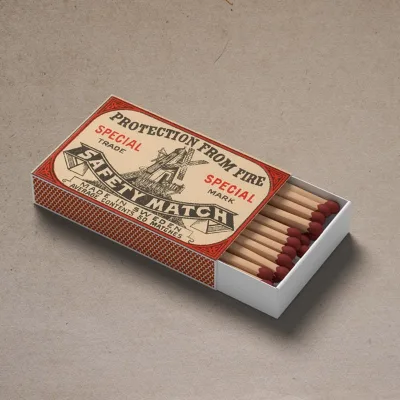
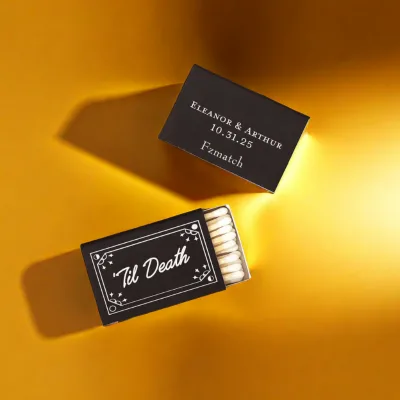
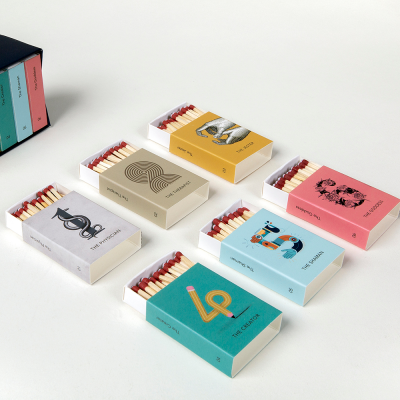
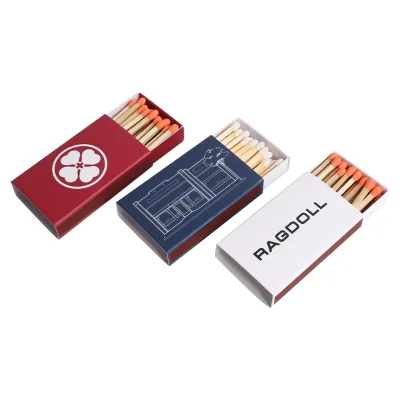
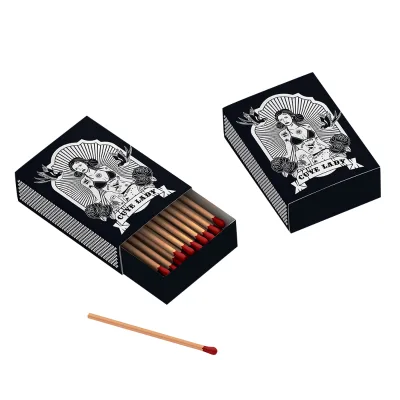


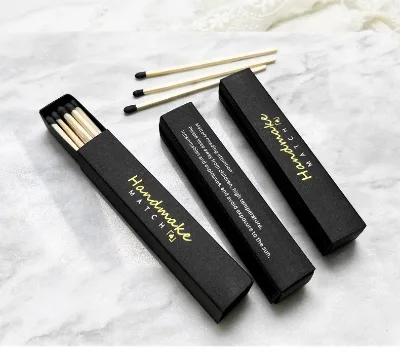
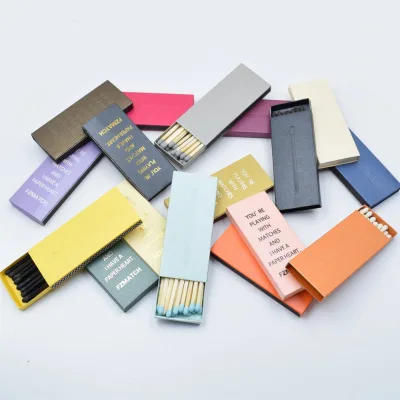
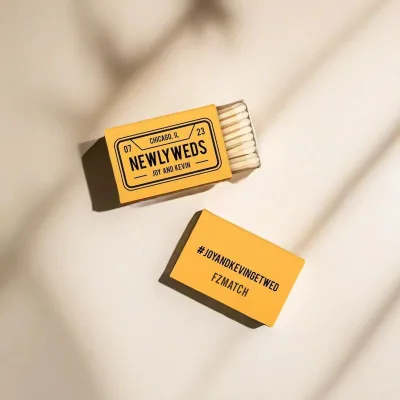
Matches Disposable Customizable Matchboxs Bulk Matches Wholesale Customizable
$0.48 - $0.98
MOQ: 200 pieces
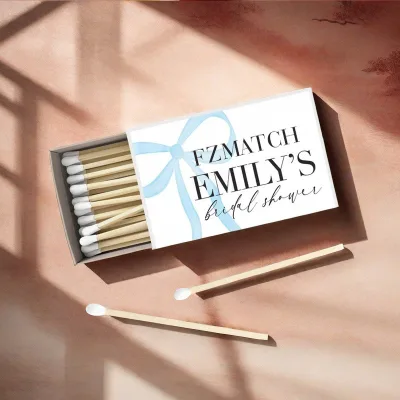
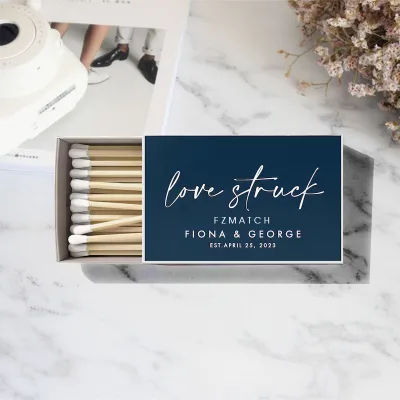
Comprehensive Sourcing Guide
Customized Logo Matchbox Sourcing Guide
Sourcing customized logo matchboxes requires a strategic balance between aesthetic branding and functional safety compliance. These items serve as both practical tools and marketing assets, particularly in hospitality, events, and retail sectors where brand visibility is paramount. Buyers must navigate a landscape where visual customization—such as logo placement, color schemes, and packaging styles—intersects with strict regulatory requirements for flammable materials. Understanding the interplay between design flexibility and manufacturing constraints is essential for securing a product that meets both marketing objectives and safety standards.
The procurement process involves evaluating multiple variables, from the physical dimensions of the matchsticks and boxes to the specific printing techniques used for logos. Suppliers often offer a range of models, each with distinct packing densities, stick lengths, and box sizes. Buyers need to assess these technical details carefully to ensure the final product aligns with their distribution channels and end-user expectations. This guide provides a structured approach to evaluating suppliers, verifying specifications, and managing commercial terms for customized matchbox procurement.
Product Scope and Observed Listing Signals
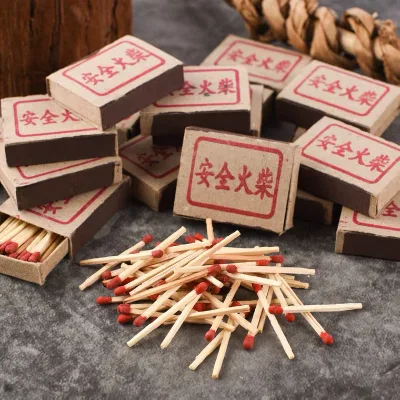
The market for customized matchboxes includes a variety of styles, ranging from classic to modern designs, with options for square or rectangular box shapes. Observed listings indicate that products are often categorized by their intended usage, such as for hotels, households, or parties, and may feature specific attributes like windproof capabilities. The core product type is typically boxed matches, with variations in stick size and box dimensions. For instance, some models feature stick sizes of 48mm, 75mm, or 96mm, while box sizes can vary significantly, such as 573615mm or 1106420mm. These variations directly impact the number of sticks per box and the overall packaging volume.
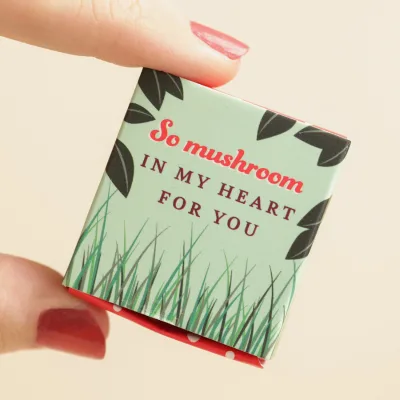
Customization is a key driver in this category, with suppliers offering tailored logo effects and customized colors for both the box and the match head. The head color is often observed as white, but the box color can be customized to match brand guidelines. Packing configurations also vary, with some boxes containing 10, 15, or 40 sticks. Buyers should note that while customization is widely available, the specific options depend on the supplier’s printing capabilities and the chosen model. Understanding these observed signals helps in narrowing down the product scope to match specific branding and functional needs.
Technical Specifications to Verify
Verifying technical specifications is critical to ensuring the matchboxes meet operational requirements. Key parameters include the match stick length, box dimensions, and packing density. For example, a model with a stick size of 48mm might be packaged in a box of 573615mm, containing 15 sticks per box. Another model might have a stick size of 96mm and a box size of 1106420mm, with 40 sticks per box. Buyers must confirm these dimensions to ensure compatibility with existing distribution packaging or retail displays. The single package size, such as 10X10X10cm, also affects shipping costs and storage efficiency.
The material composition and structural integrity of the matchbox are also important. Most observed products are made from wood, which provides a classic aesthetic and sturdy construction. The match head color is typically white, but the box color can be customized. Additionally, the logo effect and placement should be verified to ensure high-quality printing and durability. Buyers should request samples to assess the print quality, the ease of striking the match, and the overall build quality of the box. These physical attributes directly influence user experience and brand perception.
Compliance and Safety Documentation
Safety is a paramount concern when sourcing matchboxes, as they are classified as flammable goods. Buyers must ensure that suppliers comply with relevant safety standards and regulations in the destination market. While specific certification statuses may vary by region, it is essential to verify that the products meet local safety requirements for flammable materials. This includes checking for proper labeling, warning symbols, and safety instructions on the packaging. Suppliers should be able to provide documentation confirming that their products have undergone necessary safety tests.
The type of match, such as safety matches, also plays a role in compliance. Safety matches are designed to ignite only on a specific striking surface, reducing the risk of accidental ignition. Buyers should confirm that the products are classified as safety matches and that the striking surface is durable and effective. Additionally, the packaging should be designed to prevent accidental ignition during transport and storage. Understanding these safety aspects helps in mitigating risks and ensuring that the products can be legally sold and used in the target market.
Cost Drivers and Commercial Terms
Several factors influence the cost of customized matchboxes, including the level of customization, order quantity, and packaging complexity. The minimum order quantity (MOQ) is a significant commercial term, with observed ranges varying from 100 to 2000 units. Some suppliers may have an MOQ of 200 boxes, while others may require 500 pieces. Higher customization levels, such as unique logo designs or special colors, may increase the cost due to additional setup and printing expenses. Buyers should negotiate MOQs and pricing based on their volume requirements and budget constraints.
Packing and shipping costs are also important considerations. The number of sticks per box and the box dimensions affect the overall shipping volume and weight. For instance, a box with 40 sticks will be heavier and larger than one with 10 sticks, impacting freight costs. Buyers should calculate the total landed cost, including product price, shipping, and any applicable duties or taxes. Understanding these cost drivers helps in making informed decisions and optimizing the procurement budget. Clear communication with suppliers about pricing structures and payment terms is essential for a smooth transaction.
Supplier Qualification and Quality Control
Selecting a reliable supplier is crucial for ensuring consistent quality and timely delivery. Buyers should evaluate suppliers based on their experience, production capacity, and quality control processes. Suppliers with a proven track record in manufacturing customized matchboxes are more likely to deliver high-quality products. It is important to verify the supplier’s ability to handle customization requests, including logo printing and color matching. Buyers should request references or case studies to assess the supplier’s reliability and performance.
Quality control measures should be implemented throughout the production process. This includes inspecting raw materials, monitoring production steps, and conducting final product inspections. Buyers should specify their quality requirements in the purchase agreement and request pre-shipment inspections. Sampling is a valuable tool for verifying quality before placing a large order. Buyers should receive samples to check the print quality, match ignition, and box durability. Establishing a strong relationship with the supplier and maintaining clear communication helps in resolving any issues that may arise during production.
Long-Term Procurement Checks
Long-term procurement success depends on continuous monitoring and evaluation of supplier performance. Buyers should establish key performance indicators (KPIs) to track quality, delivery times, and responsiveness. Regular audits and reviews can help identify areas for improvement and ensure that the supplier meets evolving requirements. Building a long-term partnership with a reliable supplier can lead to better pricing, priority production, and improved service levels. Buyers should also stay informed about industry trends and regulatory changes that may impact the matchbox market.
Flexibility and adaptability are essential in the procurement process. As market conditions and customer preferences change, buyers may need to adjust their product specifications or sourcing strategies. Maintaining a diverse supplier base can mitigate risks and provide options for different needs. Buyers should also consider sustainability and environmental factors, such as the use of eco-friendly materials or processes. By focusing on long-term relationships and continuous improvement, buyers can secure a stable supply of high-quality customized matchboxes that support their brand and business goals.
FAQs
Can I customize the logo on the matchbox?
Yes, customized logos are accepted for these boxed matches. The product supports custom logo effects and colors, allowing buyers to tailor the branding to their specific needs while maintaining the standard square shape and windproof features.
What is the minimum order quantity for these matches?
The minimum order quantity varies by specific model, ranging from 200 boxes to 500 pieces. Some listings specify 200 boxes as the baseline, while others require 500 pieces, so buyers should verify the exact MOQ for their selected model number.
What are the standard dimensions of the matchbox?
Standard dimensions include sizes like 57*36*15mm and 110*64*20mm depending on the model. The match sticks themselves are available in lengths such as 48mm, 75mm, or 96mm, packaged in boxes containing 10 to 40 sticks.
Where are these matchboxes manufactured?
These products originate from Sichuan, China. The manufacturing location is consistently listed as China, ensuring that all boxed matches and safety matches are produced within this specific region before being shipped to international buyers.
What materials are used to make the matchbox?
The matchboxes are constructed primarily from wood. This material choice supports the classic and modern styles available, providing a sturdy base for the windproof matches while allowing for customized colors and logo printing on the surface.
Are these matches suitable for hotel use?
Yes, these matches are explicitly designed for hotel and household usage. They feature windproof capabilities and are packaged in convenient box sizes, making them ideal for candle lighting and general household needs in hospitality settings.