Source Customized Paper Flyer for Promotions, Events, and Retail
Compare Customized Paper Flyer options from 30 listings, covering offset and digital printing, coated paper weights, lamination finishes, and custom sizes. Buyers can review MOQs, sample availability, lead times, and customization services to shortlist suitable promotional flyers for marketing campaigns.
Key considerations
Products List



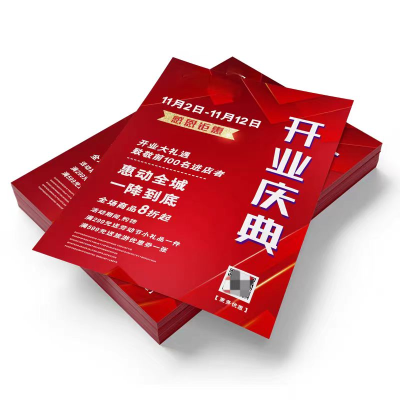
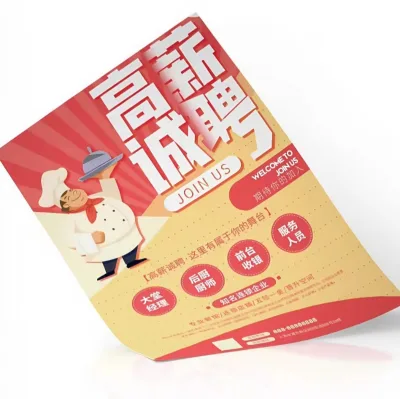
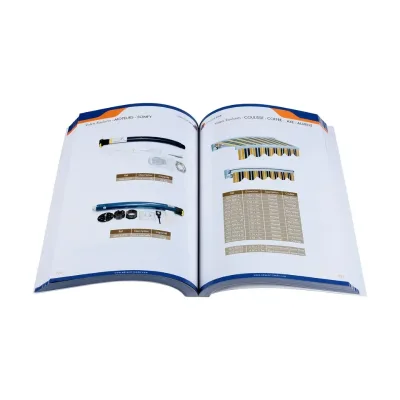
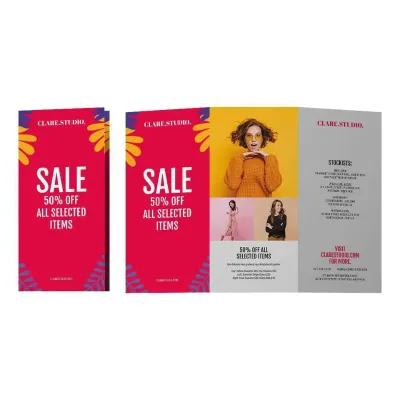
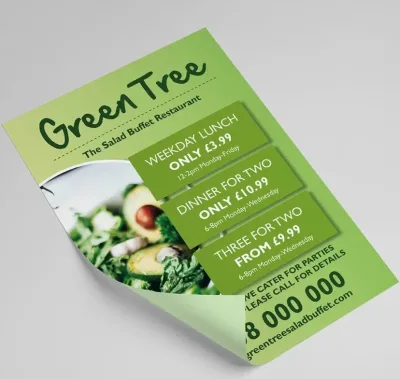
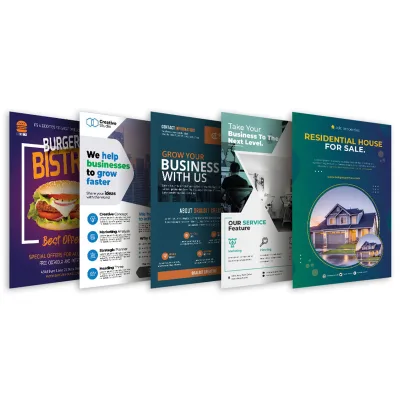

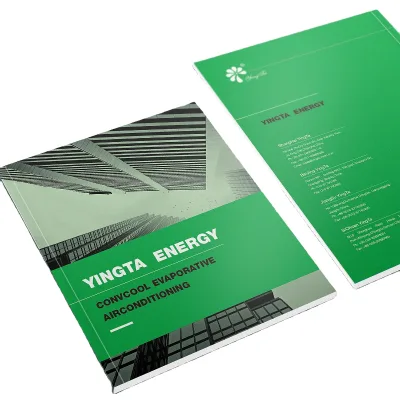

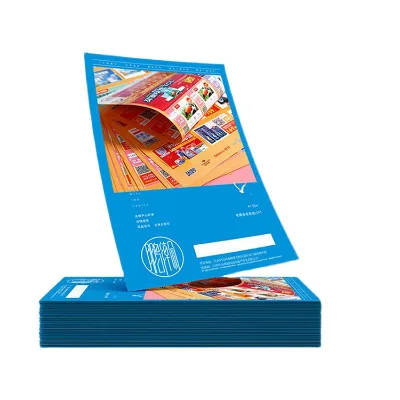


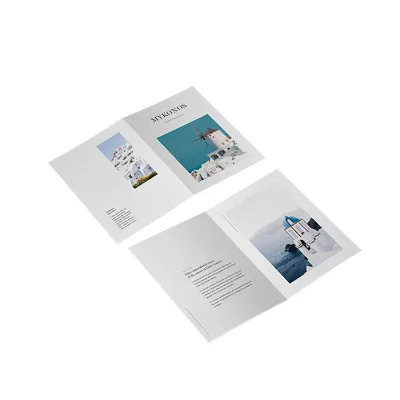
Free Custom Beautiful Advertising Business Flyer Brochure Printing Flyers
$0.12 - $1.32
MOQ: 1000 Pieces



Comprehensive Sourcing Guide
Customized Paper Flyer Sourcing Guide
Sourcing customized paper flyers requires a strategic balance between visual impact, material durability, and logistical efficiency. Buyers must navigate a market where product definitions often overlap, ranging from simple single-sheet flyers to complex presentation folders and document bags. The core keyword "Customized Paper Flyer" encompasses a broad spectrum of printing services, including offset and digital printing on various paper stocks, with finishes that can significantly alter the perceived value of the final product. Understanding these distinctions is critical for aligning procurement goals with supplier capabilities, ensuring that the final output meets both aesthetic expectations and functional requirements for marketing or informational distribution.
The procurement process is further complicated by the diversity of supplier origins and production models observed in the market. Factories in regions such as Guangzhou and Fujian in China offer varying degrees of customization, from standard size runs to fully bespoke dimensions. Buyers need to establish clear parameters for paper weight, surface finishing, and packaging before engaging with suppliers, as these factors directly influence cost structures and lead times. By focusing on verified attributes such as material composition and printing technology, buyers can filter out irrelevant listings and engage only with suppliers who possess the specific machinery and expertise required for their project.
Product Scope and Observed Listing Signals
The observed product landscape reveals a wide variance in what is classified as a "flyer" or related promotional item. Listings indicate product types that include standard brochures, color flyers, posters, and even presentation folders or document bags, suggesting that many suppliers offer a hybrid range of paper-based marketing materials. For instance, some items are explicitly described as "Color Flyer Printing" with specific dimensions like 21*28.5cm, while others are labeled as "Presentation Folder" or "File Box" with features such as clips or single-ply construction. This overlap means buyers must carefully scrutinize the "Product Type" and "Item" fields to ensure they are sourcing the exact format needed, rather than assuming all paper printing services are interchangeable.
Material specifications also vary significantly across listings, impacting both the tactile quality and the printing outcome. Common materials observed include 157g Coated Paper, 350g White Card Paper, and general Paper & Paperboard, with surface finishes ranging from matte lamination to film lamination. Some suppliers offer art paper or offset paper for digital printing, while others specialize in offset printing on coated stocks. The presence of features like "Without Zipper" or "Without Lock" on certain items indicates that some listings may be for organizational products rather than pure advertising flyers. Buyers should verify the exact material weight and finish to ensure the product aligns with their brand’s quality standards, as a 157g flyer will feel substantially different from a 350g cardstock folder.
Technical Specifications to Verify
Paper weight and type are the most critical technical specifications to verify, as they determine the durability and premium feel of the flyer. Buyers should confirm whether the supplier uses 157g coated paper for standard flyers or 350g white card paper for more rigid presentation materials. The choice between art paper and offset paper also affects color reproduction, with coated papers generally offering sharper image resolution. Additionally, surface finishes such as matte or film lamination should be specified to protect the print and enhance visual appeal. Verifying these material details upfront prevents mismatches between the sample provided and the bulk order, ensuring consistency in the final product’s physical attributes.
Printing technology and size customization are equally important technical considerations. Suppliers may offer offset printing for high-volume runs or digital printing for shorter, customized orders. Buyers must confirm if the supplier accepts customized sizes, as some listings indicate standard dimensions while others allow for bespoke measurements. The availability of full-color printing is standard, but buyers should verify color accuracy protocols, especially when custom logos are involved. Furthermore, packaging specifications, such as standard export cartons measuring 44X30X45cm for 1000 pieces, should be reviewed to ensure they fit within the buyer’s storage and shipping constraints.
Compliance and Safety Documentation
While specific certification statuses are not universally listed for all paper flyer products, buyers should prioritize suppliers who adhere to inner quality control standards. The presence of "inner quality control" as a stated standard suggests a baseline level of manufacturing discipline, but buyers should request detailed quality assurance protocols before placing large orders. This includes verifying how color consistency is managed across large print runs and how defects are identified and removed. Understanding the supplier’s internal QC processes helps mitigate the risk of receiving batches with uneven printing, misaligned cuts, or material inconsistencies.
Documentation regarding material safety and environmental compliance may also be relevant, depending on the destination market and end-use. Buyers should inquire about the sourcing of paper stocks and the inks used in printing, particularly if the flyers are intended for sensitive audiences or regulated industries. Although specific environmental certifications are not explicitly confirmed in the observed data, requesting information on sustainable sourcing practices can add value to the brand’s narrative. Ensuring that the supplier can provide relevant documentation upon request is a key step in maintaining compliance with international trade regulations and corporate social responsibility goals.
Cost Drivers and Commercial Terms
The cost of customized paper flyers is driven by several key factors, including paper weight, printing technology, and order quantity. Observed MOQs range from 1 to 2000 pieces, with some listings specifying an MOQ of 1000 or 2000 pieces, indicating that smaller runs may incur higher per-unit costs or require digital printing methods. The choice between offset and digital printing also impacts pricing, with offset being more cost-effective for larger volumes. Buyers should request detailed quotes that break down costs by material, printing, and finishing to understand the true cost drivers and identify areas for potential savings.
Commercial terms such as payment methods, sample availability, and lead times are essential for planning the procurement cycle. Suppliers may offer Trade Assurance, PayPal, or TT payments, providing varying levels of security for the buyer. Sample times of 2-3 working days and delivery times of 4-7 working days suggest a relatively fast turnaround, but buyers should confirm if these times apply to customized orders or standard stock. Additionally, the supply ability of 100,000 pieces per month indicates that larger suppliers can handle significant volume, but buyers should verify if this capacity is consistent during peak seasons to avoid delays.
Supplier Qualification and Quality Control
Evaluating supplier qualification requires a focus on their production capabilities and customization flexibility. Buyers should verify if the supplier has experience with the specific printing technology and material required for their project, such as offset printing on coated paper or digital printing on art paper. The ability to accept customized logos and colors is a key indicator of a supplier’s flexibility, but buyers should also assess their communication responsiveness and willingness to provide samples. Engaging with suppliers who demonstrate a clear understanding of the buyer’s requirements is crucial for ensuring a smooth production process.
Quality control measures should be rigorously assessed before finalizing any contract. Buyers should request to see examples of previous work, particularly for similar materials and finishes, to gauge the supplier’s attention to detail. Inquiring about their process for color proofing and batch consistency can provide insight into their quality management systems. Additionally, verifying the supplier’s location, such as Guangzhou or Fujian, can help buyers assess logistical advantages and potential shipping costs. Establishing a clear quality benchmark and communication protocol with the supplier is essential for maintaining high standards throughout the production cycle.
Long-Term Procurement Checks
For ongoing procurement of customized paper flyers, establishing a reliable supply chain is paramount. Buyers should consider diversifying their supplier base to mitigate risks associated with production delays or quality issues. Building long-term relationships with suppliers who consistently meet quality and delivery expectations can lead to better pricing and priority service. Regularly reviewing supplier performance metrics, such as on-time delivery rates and defect percentages, helps identify areas for improvement and ensures that the supply chain remains robust.
Continuous monitoring of market trends and material costs is also important for long-term cost management. As paper prices and printing technologies evolve, buyers should stay informed about new options that may offer better value or sustainability. Engaging in periodic reviews of supplier contracts and terms can help ensure that the procurement strategy remains aligned with business goals. By maintaining a proactive approach to supplier management and market analysis, buyers can secure a steady supply of high-quality customized paper flyers that support their marketing and communication objectives.
FAQs
What customization options are available for Customized Paper Flyer printing?
Customized Paper Flyer printing supports full color printing, custom sizes, and customized logo printing. Listings show offset printing and digital printing on coated paper, art paper, or offset paper, with surface finishes such as matte or film lamination. Confirm your artwork, size like 21x28.5cm, paper weight such as 157g coated paper, and finishing before requesting quotes.
What is the typical minimum order quantity for customized paper flyers?
Minimum order quantities commonly start at 1000 pieces, with some listed flyer and folder products requiring 2000 pieces. Higher quantities usually reduce the per-piece price. If you need a smaller trial run, ask suppliers about sample availability, since sample orders of one piece or more may be arranged before committing to bulk production.
How long does production and delivery take for customized paper flyers?
Delivery is about 4 to 7 working days after order confirmation for many listings. Sample production typically takes 2 to 3 working days. Actual timelines depend on order quantity, printing method, lamination finishing, and shipping distance, so confirm the schedule with the supplier before placing your order.
Can I get a sample before placing a bulk Customized Paper Flyer order?
Yes, samples are listed as available, with sample production usually taking 2 to 3 working days. Reviewing a sample lets you check paper weight, color accuracy, and lamination finish. Ask whether the sample fee is credited toward your bulk order and confirm the sample matches your final artwork and size specifications.
Which printing method is better for customized paper flyers, offset or digital?
Offset printing suits larger runs because unit costs drop with volume and color consistency is strong. Digital printing is better for short runs or frequent artwork changes since setup is minimal. Listed flyers use both methods, so choose based on your quantity, deadline, and how often you update the design.
How are customized paper flyers packed for export shipping?
Standard export packing for listed flyers is a carton of 44x30x45cm holding 1000 pieces. Cartons protect flyers during sea or air freight and support inner quality control checks before dispatch. Confirm carton dimensions, piece count per carton, and gross weight with the supplier so you can calculate freight costs accurately.