Source Customized PCB Test Fixture for PCBA Testing, Component Quality, Software Download
Find 30 options for Customized PCB Test Fixture designed for PCBA testing, component quality verification, and software download. Compare specifications from manufacturers offering OEM, ODM, and OBM support with reliable performance and flexible packaging.
Key considerations
Products List
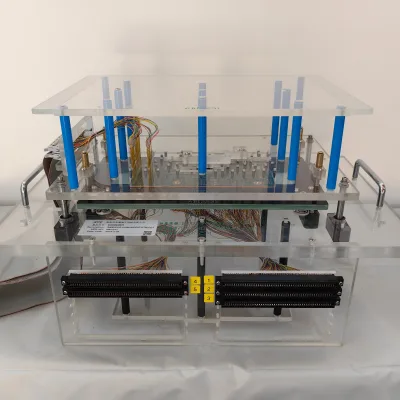
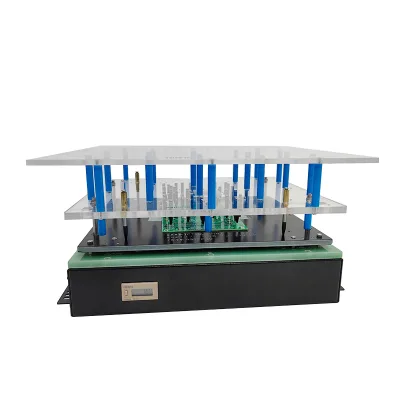
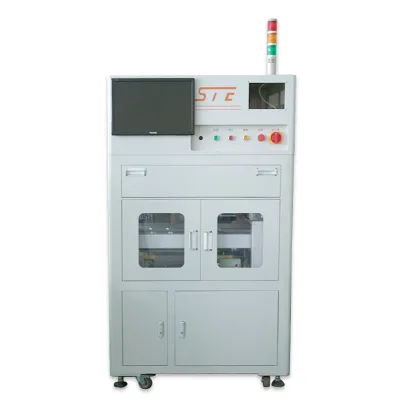





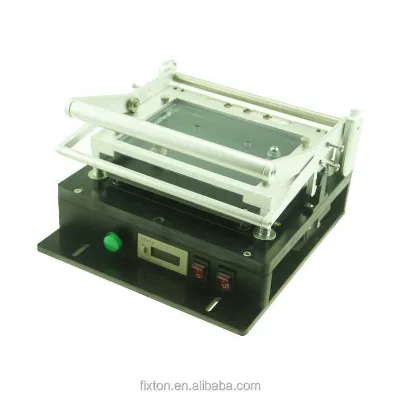
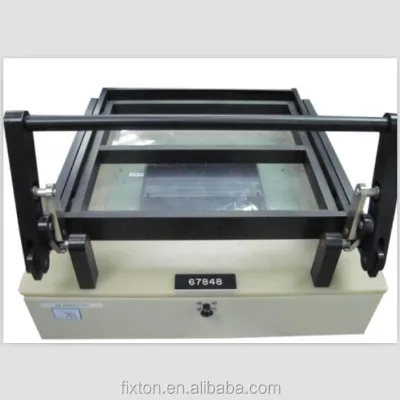
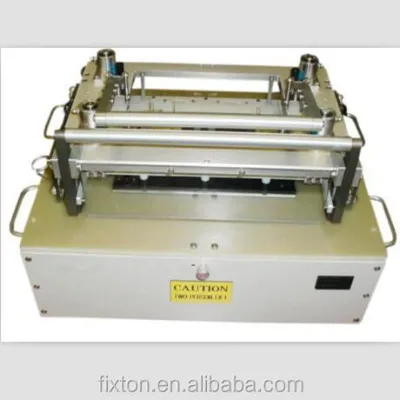
High-End Manual Clamping Fixture Universal PCBA for Test Equipment for Testing Machines
$1213.92 - $3034.80
MOQ: 1 Minimum

Comprehensive Sourcing Guide
Strategic Sourcing Guide for Customized PCB Test Fixtures
The procurement of customized Printed Circuit Board Assembly (PCBA) test fixtures represents a critical decision point in the electronics manufacturing lifecycle. These fixtures, often referred to as In-Circuit Test (ICT) fixtures, serve as the physical interface between automated test equipment and the electronic components on a board. Unlike off-the-shelf solutions, customized fixtures are engineered to match the specific geometry, pin layout, and testing requirements of a unique product design. For buyers navigating the global supply chain, understanding the interplay between material science, mechanical precision, and supplier capabilities is essential to ensure product quality and operational efficiency. This guide synthesizes available market data and technical realities to provide a structured approach to sourcing these specialized tools.
Technical Specifications and Material Composition
The foundation of a reliable test fixture lies in its material composition and mechanical construction. Market observations indicate a diverse range of base materials utilized to meet varying electrical and mechanical demands. Common materials identified in current offerings include Acrylic, Steel, and Copper-Based substrates. The choice of material is not arbitrary; it directly influences the fixture's durability, electrical conductivity, and resistance to wear. For instance, Acrylic is frequently cited for its clarity and ease of machining, while Steel provides superior structural rigidity for heavy-duty applications. Copper is often selected for its excellent electrical properties, particularly in applications requiring high conductivity or specific grounding characteristics.
Beyond the base material, the construction process plays a pivotal role in defining the fixture's performance. Advanced manufacturing techniques such as CNC fine carving processing are standard for achieving the high precision required to align test probes with microscopic component pins. The mechanical rigidity of the fixture is a non-negotiable attribute; a flexible fixture can lead to inconsistent contact pressure, resulting in false failures or missed defects. Buyers should verify that the supplier utilizes rigid construction methods, often described as "Rigid" in product specifications, to maintain alignment over thousands of test cycles.
Furthermore, the electrical insulation properties are critical for safety and accuracy. Specifications often reference Dielectric materials with Flame Retardant Properties (V-rating) and Organic Resin insulation. These features ensure that the fixture can withstand the electrical stresses of the testing environment without posing a fire hazard or causing short circuits. The base material may also include Anti-electrostatic PF (Phenolic Foam) or Black PF sheets to prevent electrostatic discharge (ESD) damage to sensitive components during the testing process.
Compliance, Certification, and Safety Standards
When evaluating potential suppliers, certification status serves as a primary indicator of quality management systems and operational maturity. The most frequently observed certification in the current market for this category is ISO9001. This standard signifies that the manufacturer adheres to a consistent quality management system, which is crucial for maintaining the precision required in fixture manufacturing. While some background data may suggest other standards like ISO 13485 or IEC 60601, these are typically associated with medical devices and should not be assumed for general industrial PCBA fixtures unless explicitly verified by the supplier for a specific medical application.
Buyers must distinguish between general manufacturing certifications and product-specific safety standards. The presence of ISO9001 suggests a robust process for handling non-standard parts, which is the norm for customized fixtures. However, buyers should not rely on implied compliance. Instead, they must request current certification documents and verify the scope of the certification to ensure it covers the specific manufacturing processes, such as CNC machining and assembly, required for the project.
Safety considerations also extend to the materials used. The use of Flame Retardant Properties (V) rated materials is a standard requirement in many industries to mitigate fire risks in high-volume production environments. Additionally, the electrical specifications, such as voltage ranges (e.g., 90-230V or 220V 50Hz), must align with the local power infrastructure and the safety protocols of the testing facility. Ensuring that the fixture's power supply requirements match the plant's capabilities is a fundamental step in the procurement process.
Cost Drivers and Pricing Dynamics
The pricing of customized PCB test fixtures is highly variable, driven by the complexity of the design, the materials selected, and the volume of the order. Observed market data reveals a price range spanning from as low as $0.01 to nearly $9,777.98. This vast disparity underscores the fact that these are not commodity items but engineered solutions. A simple fixture for a small board with few test points will cost significantly less than a complex, multi-layered fixture designed for high-speed consumer electronics with hundreds of test points.
Several factors act as primary cost drivers. First, the customization level is paramount. Since these are non-standard parts, the engineering time required to design the fixture based on the specific PCB layout adds to the cost. Second, the material choice directly impacts the price; steel and copper-based fixtures generally command higher prices than acrylic or standard resin-based options due to material costs and machining difficulty. Third, the processing technology, such as CNC fine carving, involves specialized equipment and skilled labor, which contributes to the overall expense.
The Minimum Order Quantity (MOQ) also influences the unit cost. While some suppliers offer an MOQ of just 1 piece, allowing for prototyping and low-volume production, others may require higher volumes to justify setup costs. The observed MOQ range extends from 1 to 5,000 units. Buyers should note that while a low MOQ offers flexibility, it often results in a higher per-unit cost due to the lack of economies of scale. Conversely, larger orders may reduce the unit price but require a significant upfront capital commitment.
Typical Applications and Functional Versatility
Customized PCB test fixtures are integral to the quality assurance of various electronic products. The primary application is PCBA testing, which involves verifying the functionality of the assembled board before it proceeds to final assembly or packaging. These fixtures are also used for component quality testing, ensuring that individual components integrated into the board meet specifications. In more advanced setups, the fixtures facilitate software downloads, allowing for the programming of microcontrollers or firmware updates directly on the production line.
The versatility of these fixtures is evident in their application across different sectors. While the core function remains consistent, the specific requirements vary by industry. For consumer electronics, the fixtures must be robust enough to handle high-volume testing while maintaining the precision needed for delicate components. The "Mulit-purpose" nature of many fixtures allows them to be adapted for different stages of the production process, from initial prototyping to mass production.
The functional requirements often dictate the design. For instance, a fixture used for a complex board with dense component placement will require a high density of test probes and precise alignment mechanisms. The "Standard" style of fixtures is common, but the "Customized" aspect allows for unique configurations to meet specific testing needs. The ability to support OEM, ODM, and OBM models further highlights the adaptability of these tools, enabling manufacturers to integrate testing directly into their proprietary production lines.
Supplier Evaluation and Manufacturing Capabilities
Selecting the right supplier is as critical as the technical specifications of the fixture itself. Buyers should prioritize suppliers who identify as manufacturers rather than trading companies, as this often ensures better control over the production process and quality. The "Business Type" attribute of "Manufacturer" is a key indicator of direct control over the manufacturing workflow. Additionally, the supplier's location can impact logistics and lead times. Many suppliers are based in Guangdong, China, a hub for electronics manufacturing, with a primary port of dispatch being Shenzhen. This proximity to the supply chain can facilitate faster communication and shipping.
The supplier's production capacity is another vital metric. Supply ability figures, such as 50 pieces per day or 200 sets per month, provide insight into the supplier's ability to meet demand. For high-volume production runs, a supplier with a capacity of 200 sets per month may be more suitable than one with a lower output. However, for prototyping or low-volume orders, a supplier with a lower supply ability but a low MOQ of 1 piece may be more appropriate.
Customization support is a defining feature of the supplier's value proposition. The ability to provide OEM, ODM, and OBM services indicates a flexible approach to meeting client needs. Buyers should verify that the supplier can handle the specific customization requirements of their project, such as unique dimensions or specialized material combinations. The "Single package size" of 50x40x10 cm and the "Single gross weight" of 20.0 kg are typical logistical parameters that buyers must consider when planning shipping and storage.
Quality Control and Long-Term Procurement Strategy
Ensuring the long-term reliability of the test fixture requires a robust quality control strategy. The warranty period, typically observed as 1 year, offers a baseline of protection for the buyer. However, buyers should not rely solely on the warranty; they must establish clear quality acceptance criteria before production begins. This includes verifying the mechanical rigidity, the accuracy of the probe alignment, and the durability of the materials under repeated use.
Packaging details are also a critical aspect of quality control during transit. Standard packaging often includes an inner layer of PE film, shrink film, aluminum foil, or EPE film to protect against moisture and static, combined with an outer corrugated or wooden carton for structural support. For high-value or sensitive fixtures, a wooden carton with thick foam and PE film is recommended to prevent damage during ocean or air shipping. The logistics provider's capability for fast ocean and air shipping should be confirmed to ensure timely delivery.
Long-term procurement considerations involve building a relationship with a supplier who can support future product iterations. As product designs evolve, the test fixtures may need to be modified or replaced. A supplier with a strong engineering team and a history of customization can provide the necessary support for these changes. Additionally, buyers should consider the total cost of ownership, including maintenance, repair, and the potential need for re-tooling. By focusing on suppliers with proven track records in ISO9001 compliance and a strong manufacturing base, buyers can mitigate risks and ensure a steady supply of high-quality test fixtures.
Comparative Overview of Fixture Attributes
To assist in the decision-making process, the following table summarizes key attributes observed in the market for customized PCB test fixtures. This comparison highlights the variability in specifications and helps buyers identify the features most relevant to their specific needs.
| Attribute Category | Common Observation | Variability Notes |
|---|---|---|
| Base Material | Acrylic, Steel, Copper-Based | Selection depends on electrical needs and rigidity requirements. |
| Processing Method | CNC fine carving processing | Essential for high-precision probe alignment. |
| Certification | ISO9001 | Standard for quality management; verify scope. |
| MOQ | 1 to 5,000 units | 1 unit allows prototyping; higher volumes reduce unit cost. |
| Warranty | 1 Year | Standard coverage period for manufacturing defects. |
| Application | PCBA test, Component quality test | May include software download capabilities. |
| Power Source | Electronic (90-230V or 220V 50Hz) | Must match facility power standards. |
| Packaging | PE film, Corrugated/Wooden carton | Critical for protecting delicate components during shipping. |
| Origin | Guangdong, China | Major manufacturing hub with Shenzhen as a key port. |
This overview serves as a reference point for buyers to evaluate supplier proposals. By cross-referencing these attributes with their specific project requirements, buyers can make informed decisions that balance cost, quality, and delivery timelines. The diversity in specifications underscores the importance of clear communication with suppliers to ensure the final product meets the exacting standards of modern electronics manufacturing.
FAQs
What materials are used for customized pcb test fixtures?
Common materials include Acrylic, Steel, and Copper-Based substrates. Suppliers also use Anti-electrostatic PF and sheet metal boxes to ensure rigidity and electrical safety during PCBA testing.
Which certifications do reliable manufacturers typically hold?
Most suppliers hold ISO9001 certification to ensure consistent quality management. This standard confirms their ability to produce non-standard parts with the required precision for electronic testing.
Can I order a single unit for prototyping purposes?
Yes, many suppliers offer a minimum order quantity of just 1 piece. This allows buyers to test designs without committing to large volumes before full-scale production begins.
How are these fixtures packaged for safe shipping?
Products are typically packed with inner PE film or EPE film and outer corrugated or wooden cartons. This packaging protects the fixture from moisture and physical damage during transit.
What is the typical warranty period for these fixtures?
The standard warranty period is 1 year for most customized test fixtures. This coverage ensures reliability for the buyer during the initial operational phase of the equipment.
Which customization services do manufacturers provide?
Manufacturers offer OEM, ODM, and OBM customized support to meet specific client needs. Dimensions and designs are tailored according to demand to fit unique PCBA layouts.
Where are these fixtures typically manufactured and shipped from?
Most products originate from Guangdong, China, with dispatch ports in Shenzhen. This location provides access to fast ocean and air shipping for global delivery.