Source Customized Pneumatic Silencer for Industrial Automation
Find and compare 30 Customized Pneumatic Silencer options from Chinese manufacturers. Evaluate brass and copper body materials, VB and BSL models, and MOQs ranging from 1 to 2000 pieces for your industrial automation needs.
Key considerations
Products List

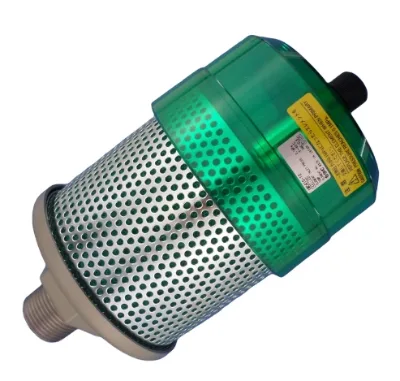


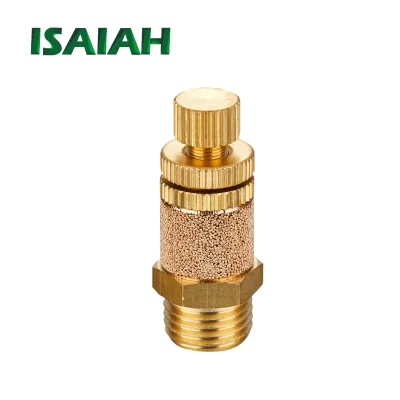


Comprehensive Sourcing Guide
Customized Pneumatic Silencer Sourcing Guide
Sourcing customized pneumatic silencers requires a precise understanding of how acoustic performance, material durability, and mechanical fit intersect within industrial automation systems. These components are critical for reducing noise emissions from exhaust air in pneumatic circuits while maintaining system efficiency. Buyers must navigate a market where "customization" can range from minor aesthetic adjustments to significant engineering modifications, making clear communication of technical requirements essential before placing orders. The following guide outlines the key verification steps, commercial considerations, and quality controls necessary for successful procurement.
Product Scope and Observed Listing Signals
The current market landscape for pneumatic silencers reveals a diverse array of product listings that vary significantly in terminology and specification depth. Observed listings frequently use interchangeable terms such as "pneumatic muffler," "pneumatic silencer," and "silencer" to describe the same functional category, which can complicate initial search results. Buyers should recognize that these terms often refer to devices designed to attenuate noise generated by the rapid release of compressed air, typically at exhaust ports of solenoid valves or cylinder exhausts. The presence of keywords like "adjustable air fitting" suggests that some products may offer variable flow control or noise reduction settings, adding a layer of functional complexity beyond simple passive muffling.
Material composition is a primary differentiator among observed listings, with brass and copper being the most commonly cited body materials. These metals are selected for their corrosion resistance, machinability, and ability to withstand the pressure and temperature conditions typical of pneumatic systems. Color variations such as silver, brass, and yellow are noted in product descriptions, which may indicate different plating processes or raw material finishes rather than functional differences. However, buyers must verify that the visual appearance aligns with the specified material grade, as cosmetic variations do not guarantee equivalent acoustic or mechanical performance. The standard model codes observed, including VB, B, BSL, and PSL, suggest a modular approach to manufacturing, where specific suffixes may denote thread size, flow capacity, or mounting configuration.
Technical Specifications to Verify
Verifying the working medium and temperature range is the first critical step in ensuring silencer compatibility with your specific application. The supplied facts indicate that these components are designed for air as the working medium and operate at normal temperatures, which is standard for most general-purpose industrial pneumatic systems. However, if your application involves high-temperature exhaust gases or specialized gases, you must explicitly confirm that the silencer’s internal materials and seals can withstand those conditions. The weight specifications vary widely across listings, ranging from 0.01 kg to 1 kg, which may reflect differences in size, material density, or packaging inclusion. Buyers should request the net weight of the component alone to accurately calculate shipping costs and ensure it fits within spatial constraints of your machinery.
Thread compatibility and physical dimensions are paramount for successful installation. While specific thread standards are not explicitly detailed in the observed data, the mention of "adjustable air fitting" implies that some models may accommodate various connection types. You must verify the thread pitch, diameter, and sealing method (e.g., NPT, BSP, or metric parallel) against your existing pneumatic fittings. The single package sizes observed, such as 16x12x11 cm and 26x11x5 cm, provide insight into the physical footprint of the product and its packaging. It is essential to confirm the actual dimensions of the silencer itself, as packaging dimensions can be misleading. Additionally, the presence of model codes like "psu" or "BSL" should be cross-referenced with manufacturer datasheets to understand their specific flow coefficients or noise reduction ratings.
Compliance and Safety Documentation
Certification status is a key factor in determining the suitability of pneumatic silencers for regulated industries. The observed listings explicitly mention CE and ISO certifications, which indicate that the products meet certain European safety, health, and environmental protection requirements, as well as international quality management standards. These certifications provide a baseline assurance of manufacturing consistency and regulatory compliance. However, buyers should request copies of the actual certificates to verify their validity and scope, as listing a certification does not guarantee that every unit produced meets those standards. The presence of RoHS and REACH mentions in low-confidence background data suggests potential compliance with hazardous substance restrictions, but this should be confirmed through direct supplier inquiry rather than assumed.
Documentation regarding machinery test reports and outgoing inspections varies among suppliers. The observed facts indicate that machinery test reports are often "Not Available," while video outgoing inspections are "Provided." This discrepancy highlights the importance of establishing clear quality assurance protocols before production begins. Buyers should insist on video evidence of the final inspection process to verify that the silencers meet dimensional and functional specifications. If your industry requires formal test reports for noise attenuation or pressure resistance, you must explicitly request these documents, as they are not standard in the observed listings. The warranty period of one year and the availability of video technical support for after-warranty service are valuable commercial terms that should be clearly defined in the purchase agreement.
Cost Drivers and Commercial Terms
The minimum order quantity (MOQ) for customized pneumatic silencers varies significantly, ranging from 1 piece to 2000 pieces in observed listings. This wide range reflects the flexibility of suppliers to accommodate both prototyping needs and large-scale production runs. For buyers seeking customization, a lower MOQ may be available, but it often comes with a higher unit price due to setup costs. Conversely, higher volumes typically allow for better pricing economies of scale. Buyers should negotiate MOQs based on their consumption forecast and storage capacity, ensuring that they do not overstock items that may become obsolete due to design changes. The selling unit is typically listed as a single item, which simplifies ordering but requires careful calculation of total costs including packaging and shipping.
Packaging details and shipping weight are critical for calculating landed costs. The observed listings mention packaging methods such as "Bag + Box + Carton" or simply "Box," with carton packaging being a common standard. The single gross weights range from 0.020 kg to 0.350 kg, which can significantly impact shipping costs, especially for air freight. Buyers should verify whether the quoted price includes packaging materials and whether the packaging is suitable for international shipping to prevent damage during transit. The origin of the products, primarily Zhejiang, China, is a known manufacturing hub for pneumatic components, which can offer competitive pricing but may require careful logistics planning to manage lead times and import duties. Clear communication about packaging requirements and shipping terms is essential to avoid unexpected costs.
Supplier Qualification and Quality Control
Supplier qualification should begin with a thorough review of their manufacturing capabilities and quality control processes. The fact that video outgoing inspections are provided by some suppliers indicates a level of transparency and confidence in their production process. Buyers should leverage this by requesting detailed video evidence of the inspection process for their specific order, focusing on dimensional accuracy, surface finish, and functional testing. The absence of machinery test reports in many listings suggests that buyers may need to conduct their own incoming quality control checks or require suppliers to perform specific tests before shipment. Establishing a clear quality agreement that defines acceptable tolerances and defect rates is crucial for maintaining consistency.
Customization capabilities are a key differentiator among suppliers. The observed listings indicate that customization is available, but the extent of this customization varies. Buyers should clarify whether customization includes changes to thread types, flow characteristics, material grades, or acoustic performance. It is important to distinguish between "customized" and "non-customized" options, as the latter may offer faster lead times and lower costs. Suppliers should be asked to provide examples of previous customization projects to assess their engineering support and flexibility. Additionally, verifying the supplier’s ability to provide technical support, such as video assistance for installation or troubleshooting, can be a valuable indicator of their long-term reliability and customer service commitment.
Long-Term Procurement Checks
Long-term procurement success depends on establishing a robust relationship with suppliers who can consistently meet quality and delivery requirements. Regular audits of supplier performance, including on-time delivery rates and defect percentages, should be conducted to identify potential issues early. The one-year warranty period observed in listings provides a baseline for product reliability, but buyers should negotiate extended warranty terms or performance guarantees for high-volume orders. Continuous communication with suppliers regarding design updates, material availability, and regulatory changes is essential to ensure that the silencers remain compliant and suitable for your evolving needs.
Monitoring market trends and technological advancements in pneumatic silencer technology can help buyers stay ahead of potential obsolescence. As noise regulations become stricter and energy efficiency becomes a higher priority, suppliers may introduce new designs with improved acoustic performance or reduced pressure drop. Buyers should engage with suppliers to understand upcoming product developments and assess whether new technologies can offer cost savings or performance improvements. Additionally, maintaining a diversified supplier base can mitigate risks associated with supply chain disruptions. Regularly reviewing and updating your sourcing strategy based on performance data and market conditions will ensure that your pneumatic systems remain efficient, quiet, and reliable over the long term.
FAQs
What materials are used for the pneumatic silencer?
The product is primarily constructed from brass or copper body materials. Some listings also indicate silver or yellow color options. These materials ensure durability for normal temperature working conditions with air as the working medium.
Can I request customization for this silencer?
Customization is available for this product line. Buyers can select from non-customized options or request specific modifications. The product models include VB, B, BSL, PSL, and psu to accommodate different industrial needs.
What is the minimum order quantity for purchase?
The minimum order quantity varies by listing, ranging from 1 piece to 2000 units. Specific models often require a minimum of 10 pieces. Buyers should verify the exact MOQ for their selected model before placing an order.
How is the product packaged for shipping?
Packaging details typically include a bag, box, and carton combination. Some specific models are packed in boxes only. The single package sizes vary, with dimensions like 16x12x11cm or 26x11x5cm depending on the model selected.
What certifications does the silencer hold?
The product holds CE and ISO certifications. These standards ensure compliance with international safety and quality requirements. Buyers should note that machinery test reports are not available for these specific listings.
Where is the product manufactured?
The products originate from China, specifically the Zhejiang province. This location is a known hub for pneumatic components. The origin is consistently listed as Zhejiang, China across the available product data.
What warranty is provided with the silencer?
A one-year warranty is provided for the product. After the warranty period, video technical support is available for assistance. This ensures buyers have access to guidance even after the initial coverage period expires.