Source Customized Printed Phone Lanyard for Events, Travel, and Work
Compare 30 listings for Customized Printed Phone Lanyard options featuring woven or screen printing techniques. Buyers can evaluate materials like polyester, lock types, and customization services from verified Chinese manufacturers.
Key considerations
Products List


Crossbody Back Adjustable Advanced Sense Strong Durable Mobile Phone Lanyard
$0.65 - $0.71
MOQ: 1000 Pieces

Phone Lanyard Cell Phone Lanyard Customized Lanyard Rope Adjustable Phone Cord
$0.75 - $1.66
MOQ: 100 Pieces

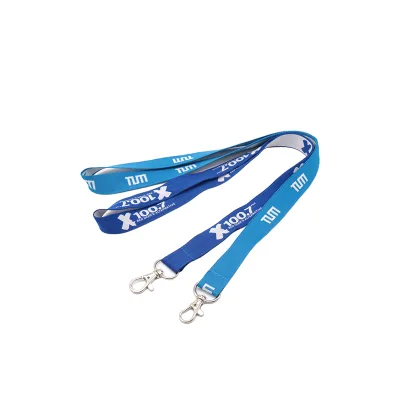


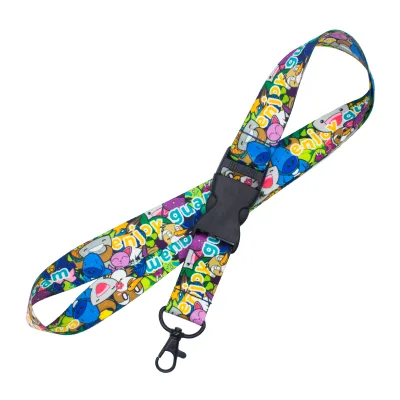
OEM Custom Neck Lanyard Hot Selling Fashion Cheap Promotion Gift Mobile Phone Lanyard
$2.52 - $2.75
MOQ: 100 Pieces
Comprehensive Sourcing Guide
Strategic Sourcing Guide for Customized Printed Phone Lanyards
The global market for promotional merchandise and organizational accessories has seen a significant shift toward personalized utility items, with the Customized Printed Phone Lanyard emerging as a high-demand category. For procurement professionals, navigating this sector requires a granular understanding of material science, printing technologies, and supply chain logistics. The following guide synthesizes available market data to provide a structured approach for sourcing these items, ensuring that buyers can make informed decisions based on verified attributes rather than speculative claims.
Technical Specifications and Material Composition
When evaluating customized printed phone lanyards, the primary technical differentiator lies in the material composition and physical dimensions. The supplied product data indicates that Polyester is the dominant material used for the main body of the lanyard, offering a balance of durability and printability. However, the market also presents options involving Nylon, Satin, and Silk, each offering distinct tactile and visual properties. Buyers must verify the specific material blend required for their use case, as Nylon often provides higher tensile strength, while Satin and Silk offer a more premium aesthetic suitable for formal events.
The physical specifications are equally critical for functionality. Standard dimensions observed in the market include a width of 7mm, which is ideal for lightweight mobile phones and cards, preventing the device from swinging excessively. Other specifications indicate a standard length of 1.5 meters, though custom sizes such as 900mm by 20mm are also available. The weight of individual units is typically low, ranging around 0.025kg, which minimizes shipping costs for bulk orders.
A crucial aspect of the technical specification is the attachment mechanism. The locking material varies significantly between Metal and Plastic options. Metal hooks and buckles generally offer superior durability and a more secure fit for heavy devices, whereas plastic buckles and clips are lighter and cost-effective. The choice of attachment must align with the intended usage; for instance, a "Mobile Phone Lanyard" intended for active use may require a metal hook, while a "Card Lanyard" for an office event might suffice with a plastic clip.
Printing Technologies and Customization Capabilities
The core value proposition of a "Customized Printed Phone Lanyard" is the ability to apply branding or specific designs. The market supports a diverse array of printing techniques, each with distinct advantages regarding color vibrancy, durability, and cost. The observed data highlights Screen Printing, Woven, Heat Transfer Printing, and Silk Screen Printing as the primary methods.
Screen printing and Silk Screen Printing are traditional methods that offer excellent opacity and color consistency, making them suitable for bold logos and solid color blocks. Woven techniques provide a textured, high-end finish where the logo is integrated into the fabric itself, offering superior longevity as the design cannot peel or fade. Heat Transfer Printing is another viable option, particularly for complex, multi-colored designs that require high detail.
Buyers should note that the "Design" attribute is listed as "Custom," and the "Pattern" often features a "LOGO." This confirms that these products are manufactured to order. The "Aviable Color" is also customizable, allowing for brand-matched hues beyond standard black or white options. However, the specific color matching capabilities and the minimum order quantities (MOQ) for custom colors must be verified with the supplier, as these can vary based on the printing technology selected.
Cost Drivers and Minimum Order Quantities
Understanding the cost structure is essential for budgeting and negotiation. The observed price range for these items in the market spans from $0.05 to $25.00 USD. This wide variance is driven by several factors, including the complexity of the printing process, the material quality (e.g., standard polyester vs. premium satin), and the quantity of the order.
Minimum Order Quantities (MOQ) are a significant constraint in this sector. The data reveals a broad spectrum of MOQs, ranging from as low as 100 pieces to as high as 5,000 pieces. Some suppliers offer flexible policies with "Small Orders: Accepted," which can be beneficial for startups or companies testing a new design. However, standard MOQs often hover around 500 pieces for custom-printed items. Buyers must align their order volume with the supplier's thresholds to avoid prohibitive per-unit costs.
The "Selling Units" are typically listed as "Single Item," but the "Packing Method" often involves bulk packaging, such as 100 pieces per bag or carton packing. The "Single Gross Weight" and "Package Size" (e.g., 29x27x18cm) are critical for calculating freight costs. Buyers should request detailed packing lists to ensure that the logistics of shipping are optimized, especially when dealing with high-volume orders where packaging efficiency directly impacts the landed cost.
Typical Applications and Usage Scenarios
The versatility of customized printed phone lanyards allows them to serve a wide range of applications. The observed "Usage" categories include Card Lanyard, Key Lanyard, Mobile Phone Lanyard, Luggage Belt, and Bottle Lanyard. This multifunctionality makes them an attractive choice for various industries.
In the corporate sector, these lanyards are frequently used for ID badges and conference access, where the "Card Lanyard" function is paramount. For consumer electronics retailers, they serve as promotional giveaways, often branded with the company logo to increase brand visibility. The "Application" data also points to specific events such as Weddings, Christmas, Thanksgiving, and National Day celebrations. In these contexts, the "Style" can range from "Fashion" to "Cute," allowing buyers to tailor the aesthetic to the event's tone.
Furthermore, the "Feature" attributes of being "Sustainable," "Durable," and "Soft" suggest that these products are increasingly being marketed for eco-conscious campaigns. Buyers targeting green initiatives should verify the sustainability claims of the specific materials used, such as recycled polyester, rather than relying solely on general product descriptions.
Supplier Evaluation and Service Capabilities
Selecting the right supplier is a critical step in the procurement process. The data indicates that the "Brand Name" for some products is "HOOSAM," and the "Origin" is primarily China, with specific mentions of Guangdong as a manufacturing hub. While specific supplier names should not be recommended, buyers should look for suppliers that offer "OEM" (Original Equipment Manufacturer) services and "Customization" capabilities.
A key indicator of a reliable supplier is the availability of samples. The "Sample: Yes" attribute suggests that many manufacturers are willing to provide prototypes before full-scale production. This allows buyers to verify the quality of the printing, the strength of the attachments, and the feel of the material. Additionally, the "Service" attribute of "OEM" implies that the supplier can handle custom branding, packaging, and design requirements, which is essential for a truly customized product.
Buyers should also evaluate the supplier's ability to handle "Small Orders" if their initial demand is low. The acceptance of small orders indicates a flexible production line, which can be advantageous for agile procurement strategies. However, buyers must balance this flexibility against the potential for higher per-unit costs and longer lead times for smaller batches.
Quality Control and Compliance Considerations
Quality control in the manufacturing of lanyards involves rigorous checks on both the material and the printing process. The "Standard" for these products is often listed as "Custom," meaning that buyers must define their own quality benchmarks. This includes verifying the strength of the "Buckle" and "Metal Hook" attachments to ensure they do not fail under the weight of a mobile phone.
Compliance and certification checks are vital, especially for products intended for international markets. While the provided data does not list specific certifications, buyers should request documentation regarding material safety and chemical compliance. For example, if the lanyards are intended for children or sensitive skin, verifying that the materials are free from harmful substances is mandatory. The "Feature" of "Durable" suggests that the product should withstand regular use, but this claim must be validated through physical testing or supplier-provided test results.
Furthermore, the "Product Standard" of "900*20mm" or similar dimensions indicates that size consistency is a quality metric. Buyers should ensure that the supplier maintains strict tolerances on width and length to prevent issues with the final product's appearance and functionality.
Long-Term Procurement and Supply Chain Stability
For long-term procurement, buyers must consider the stability of the supply chain and the scalability of the supplier. The "Model Number" and "Model Number" variations (e.g., PLH-0040, Bjl004, CY2025071601) indicate that suppliers often have multiple product lines or versions. Buyers should establish a relationship with a supplier that can consistently reproduce the same quality over time, rather than switching vendors frequently.
The "Packing Method" and "Package Size" are also factors in long-term logistics. Consistent packaging ensures that the products arrive in good condition and are easy to store and distribute. Buyers should negotiate terms that include clear labeling and packaging standards to streamline their internal inventory management.
Finally, the "Custom" nature of the product means that the supply chain must be responsive to design changes. A supplier that offers "Customization" and "OEM" services is better positioned to adapt to changing market trends or branding requirements. Buyers should prioritize suppliers who demonstrate a commitment to continuous improvement and quality assurance, ensuring that the customized printed phone lanyards remain a valuable asset for their marketing and operational needs.
FAQs
What materials are used for customized printed phone lanyards?
Polyester is the dominant material used for the main body, offering durability and printability. Some options also include Nylon, Satin, and Silk, each providing distinct tactile and visual properties for different use cases.
Which printing technologies are available for these lanyards?
Available methods include Screen Printing, Woven, Heat Transfer Printing, and Silk Screen Printing. Screen and Silk printing offer excellent opacity, while Woven techniques provide a textured, high-end finish where the logo is integrated into the fabric.
Can I order small quantities of customized printed phone lanyards?
Yes, small orders are accepted by some suppliers, though standard MOQs often range from 100 to 500 pieces. Buyers must align their order volume with specific supplier thresholds to avoid prohibitive per-unit costs.
What are the standard dimensions for a mobile phone lanyard?
Standard dimensions include a width of 7mm and a length of 1.5 meters, though custom sizes like 900mm by 20mm are available. The weight of individual units is typically low, around 0.025kg, to minimize shipping costs.
How do I choose between metal and plastic attachments?
Metal hooks and buckles offer superior durability and security for heavy devices, while plastic clips are lighter and cost-effective. The choice depends on the intended usage, such as active mobile phone carrying versus office card holding.
Are samples available for customized printed phone lanyards?
Yes, many manufacturers are willing to provide samples before full-scale production. This allows buyers to verify the quality of the printing, the strength of the attachments, and the feel of the material.
What customization options exist for branding on these lanyards?
Designs can be fully customized with logos, and available colors can be matched to brand requirements. The pattern often features a LOGO, and the design attribute confirms that these products are manufactured to order.