Source Customized Printing Artificial Maple Leaf for Decorations
Find 30 listings for Customized Printing Artificial Maple Leaf suitable for celebrations, outdoor displays, and home decoration. Buyers can compare materials like cloth and plastic, MOQs ranging from 1 to 5000, and sizes from 10x10x8 cm to 100x150 cm across multiple suppliers.
Key considerations
Products List



Plastic Artificial Landscape Synthetic Leaf for Indoor and Outdoor Decoration
$3.00 - $4.00
MOQ: 1000 Pieces


Tropical Leaves Decorations Green Artificial Plastic Green Palm Tree Leaf
$0.40 - $0.80
MOQ: 100 Pieces


Comprehensive Sourcing Guide
Customized Printing Artificial Maple Leaf Sourcing Guide
Sourcing artificial maple leaves for commercial or residential decoration requires a careful balance between aesthetic realism and functional durability. Buyers must distinguish between products designed for short-term event decor and those intended for long-term outdoor landscaping. The market offers a wide variety of materials, from silk cloth to polyethylene plastics, each with distinct maintenance requirements and visual characteristics. Understanding these material differences is the first step in defining a successful procurement strategy that aligns with the specific environmental conditions of the installation site.
Procurement teams should also evaluate the customization capabilities of potential suppliers, particularly regarding logo printing and specific size requirements. While some listings offer standard sizes, others provide bespoke options to fit unique architectural or design needs. Verifying the supplier’s ability to handle custom orders without compromising quality is essential. This guide outlines the critical technical, compliance, and commercial factors that influence the final selection of artificial maple leaf suppliers, ensuring that buyers make informed decisions based on verified product attributes and industry best practices.
Product Scope and Observed Listing Signals
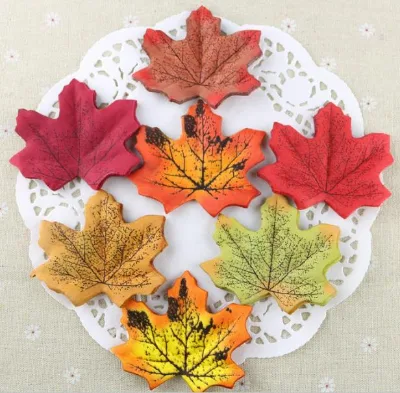
The current market for artificial maple leaves includes products ranging from small decorative items to large-scale garden hedges. Observed listings indicate a diverse range of materials, including cloth and plastic, with specific types like PE plastic and silk cloth being common. These materials are often marketed with features such as "Natural Touch" to simulate the feel of real foliage. Buyers should note that product attributes vary significantly, with some items designed for indoor use and others explicitly rated for outdoor durability. This variation necessitates a clear definition of the end-use environment to avoid selecting products that may degrade prematurely under UV exposure or weather conditions.
Listing signals also reveal variations in packaging and unit quantities, which impact logistics and cost efficiency. For instance, some products are sold in OPP bags containing fifty pieces, while others are packed in cartons with higher piece counts per unit. The observed price range is broad, reflecting differences in material quality, size, and customization options. Buyers must carefully review the single package size and gross weight to estimate shipping costs accurately. Additionally, the presence of customization options, such as logo printing or specific size requirements, suggests that many suppliers are equipped to handle bespoke orders, providing flexibility for large-scale commercial projects.
Technical Specifications to Verify
When evaluating artificial maple leaves, buyers must verify key technical specifications that affect both aesthetics and longevity. Material composition is a primary concern, with options including silk cloth, plastic, and PE plastic. Each material offers different benefits; for example, PE plastic may provide better weather resistance for outdoor use, while silk cloth might offer a more realistic texture for indoor displays. Buyers should also check the grass length and overall size dimensions, as these factors influence the visual density and coverage of the leaves. Standard sizes like 25x25cm or 100x100cm are common, but custom sizes are often available to meet specific design requirements.
Another critical specification is the surface treatment and processing method, which can enhance the realism and durability of the product. Techniques such as weaving and printing are used to create detailed leaf veins and natural color variations. Buyers should inquire about the UV resistance and expected lifespan of the product, especially for outdoor applications. Some listings mention a use life of about one year outside, which is a crucial data point for planning maintenance and replacement cycles. Additionally, verifying the pressure-treated wood type or other structural components, if applicable, ensures that the product meets the necessary structural integrity standards for its intended installation.
Compliance and Safety Documentation
Compliance and safety documentation are essential for ensuring that artificial maple leaves meet regulatory standards, particularly for commercial and public installations. Buyers should request certificates of conformity and material safety data sheets to verify that the products are free from harmful chemicals and meet local safety regulations. While specific certification statuses may vary by supplier, it is crucial to confirm that the materials used, such as PE plastic or silk cloth, are non-toxic and environmentally friendly. This is especially important for products used in schools, hotels, or public gardens where human contact is frequent.
Additionally, buyers should verify any relevant environmental standards or eco-friendly claims made by the supplier. Products marketed as eco-friendly should ideally come with documentation supporting their recyclability or sustainable production practices. For outdoor products, compliance with fire retardancy standards may also be required, depending on local building codes. Buyers should work with suppliers who are transparent about their compliance efforts and willing to provide necessary documentation. This proactive approach helps mitigate legal risks and ensures that the purchased products are safe for their intended use, protecting both the buyer and the end consumers.
Cost Drivers and Commercial Terms
Several factors influence the cost of artificial maple leaves, including material quality, customization requirements, and order volume. Higher-quality materials, such as UV-resistant PE plastic or premium silk cloth, typically command higher prices. Customization options, such as logo printing or bespoke sizing, can also increase costs due to the additional labor and setup required. Buyers should consider the minimum order quantity (MOQ) when planning their procurement, as some suppliers may have high MOQs that affect inventory management and cash flow. Understanding these cost drivers helps buyers negotiate better terms and select suppliers that offer the best value for their specific needs.
Commercial terms, including lead times and payment conditions, are also critical considerations. Typical lead times for customized orders may range from twenty to thirty days, depending on the complexity of the order and the supplier’s production capacity. Buyers should clarify these timelines during the negotiation phase to ensure that their project schedules are not disrupted. Payment terms, such as deposits or letters of credit, should be aligned with the supplier’s policies and the buyer’s financial capabilities. Additionally, buyers should inquire about shipping costs and packaging details, as these can significantly impact the total landed cost of the product.
Supplier Qualification and Quality Control
Supplier qualification is a vital step in the procurement process, ensuring that the chosen partner can deliver high-quality products consistently. Buyers should assess the supplier’s manufacturing capabilities, including their production facilities, quality control processes, and experience in the artificial plant industry. Suppliers with a strong track record of producing customized products are often better equipped to handle complex orders. It is also important to verify the supplier’s location and logistics capabilities, as these factors can affect delivery times and shipping costs. Working with suppliers who have a clear understanding of international trade regulations can further streamline the procurement process.
Quality control measures should be rigorously evaluated to ensure that the final products meet the buyer’s specifications. Buyers should request samples to assess the material quality, color accuracy, and overall craftsmanship. Additionally, inquiring about the supplier’s defect rate and return policy provides insight into their commitment to quality. Suppliers who offer comprehensive quality assurance programs, including pre-shipment inspections, are preferable as they reduce the risk of receiving substandard products. Establishing a clear communication channel with the supplier’s quality control team can also help address any issues promptly, ensuring a smooth and successful procurement experience.
Long-Term Procurement Checks
Long-term procurement checks involve monitoring supplier performance and product quality over time to ensure sustained value. Buyers should establish key performance indicators (KPIs) to track metrics such as on-time delivery, product defect rates, and customer satisfaction. Regularly reviewing these metrics helps identify potential issues early and allows for corrective actions to be taken. Additionally, maintaining open communication with the supplier fosters a collaborative relationship that can lead to continuous improvement and innovation. Buyers should also stay informed about industry trends and technological advancements that may impact the artificial plant market, allowing them to make proactive adjustments to their procurement strategies.
Furthermore, buyers should periodically reassess their supplier base to ensure that they are still meeting their evolving needs. This may involve conducting supplier audits, requesting updated compliance documentation, or exploring new suppliers who offer better value or innovative products. By maintaining a dynamic and responsive procurement process, buyers can mitigate risks and capitalize on opportunities in the market. Long-term success in sourcing artificial maple leaves depends on a combination of rigorous initial selection, ongoing performance monitoring, and strategic relationship management with suppliers.
FAQs
Can I customize the artificial maple leaf with my logo?
Yes, customization is available for these artificial maple leaves. The product page indicates that logo printing options exist, allowing buyers to tailor the appearance for specific branding needs. This service supports various occasions and multiple scenes, ensuring the final product aligns with your unique design requirements and aesthetic preferences.
What is the minimum order quantity for these leaves?
The minimum order quantity is typically 10 bags. Each bag contains 50 pieces of artificial maple leaves. This low MOQ allows buyers to test the product quality and suitability for their projects without committing to a large initial purchase, making it accessible for small-scale events or sample evaluations.
What material are these artificial maple leaves made from?
These artificial maple leaves are primarily made from cloth and plastic materials. The product features a natural touch, simulating the feel of real leaves. The combination of silk cloth and plastic ensures durability and a realistic appearance, suitable for both indoor and outdoor decoration purposes in various settings.
How are the artificial maple leaves packaged for shipping?
The leaves are packaged in OPP bags, with each bag containing 50 pieces. For larger orders, they may be packed in cartons. The single package size is approximately 10x10x8 cm, and the gross weight is 0.06 kg per unit. This packaging ensures safe transport and easy handling.
Where are these artificial maple leaves manufactured?
These artificial maple leaves are manufactured in Zhejiang, China. The region is known for its production capabilities in artificial plants and decorations. Buyers can expect consistent quality and competitive pricing due to the established manufacturing infrastructure in this area, supporting reliable supply chains for global orders.
What is the typical delivery time for these products?
The typical delivery time is normally 20-30 days. This lead time allows for production and quality control before shipment. Buyers should plan their orders accordingly to ensure timely arrival for their events or projects. Expedited options may be available depending on the supplier's current capacity and specific requirements.