Source Customized Printing Childproof Cart with Magnetic Closure for Pre Rolls, Cigarettes, Cartridges
Find 30 listings for a Customized Printing Childproof Cart with Magnetic Closure designed for pre rolls, cigarettes, and cartridges. Buyers can compare features like eco-friendly materials, child-resistant designs, and custom printing options across multiple suppliers.
Key considerations
Products List

Child Resistant Multi-Pack Prerolls Paper Box Packaging with Magnetic Closure
$0.70 - $0.90
MOQ: 500 Pieces

Custom Child-Resistant Magnetic Paper Box Safety Packaging for Pre-Rolls
$0.70 - $0.90
MOQ: 500 Pieces


Shopping Mall Unfolding Children Cart Kids Shopping Trolley with Basket
$15.00 - $20.00
MOQ: 100 Pieces


New Design Large Capacity Plastic Shopping Trolley Cart with Universal Wheels
$78.00 - $79.00
MOQ: 100 Pieces




Comprehensive Sourcing Guide
Customized Printing Childproof Cart with Magnetic Closure Sourcing Guide
Procuring packaging solutions that combine child-resistant features with magnetic closures requires a precise understanding of material properties and regulatory landscapes. The core keyword "Customized Printing Childproof Cart with Magnetic Closure" often conflates two distinct product categories in global B2B marketplaces: rigid paper-based packaging for pre-rolls and wheeled shopping infrastructure for retail environments. Buyers must first distinguish between these applications to ensure they are evaluating the correct technical specifications. The supplied data indicates a strong presence of paper-based magnetic boxes designed for pre-rolls and cigarettes, which utilize child-resistant mechanisms and custom printing. Simultaneously, other listings describe iron-based wheeled shopping carts, which are fundamentally different in material, function, and safety compliance. This guide addresses the nuances of sourcing these distinct items, focusing on the intersection of customization, safety features, and commercial viability.
The procurement strategy must account for the specific attributes observed in current market listings, such as the availability of free samples, custom color options, and various surface handling techniques like foil stamping or lamination. For paper-based packaging, the focus is on aesthetic customization and functional safety, including tray dividers and match sections. For shopping carts, the focus shifts to structural integrity, weight capacity, and ergonomic design for children or retail use. Understanding these divergent paths is critical for sourcing managers who may encounter mixed search results. This guide provides a structured approach to verifying technical details, ensuring compliance, and managing commercial terms for both product types, preventing costly misalignment between buyer expectations and supplier capabilities.
Product Scope and Observed Listing Signals
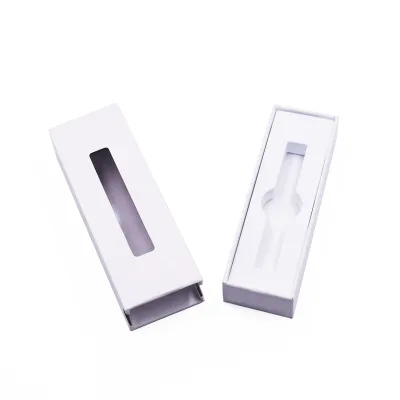
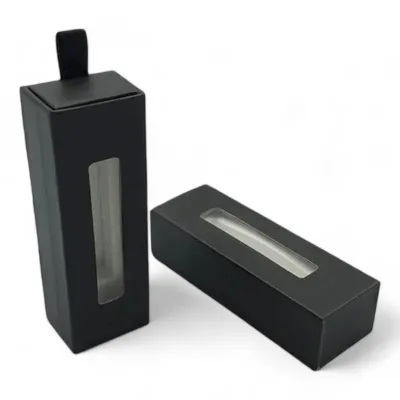
The market for customized packaging with magnetic closures is dominated by paper-based products designed for the tobacco and cannabis industries. Listings frequently highlight features such as child-resistant closures, eco-friendly materials, and two-sided printing capabilities. These products are typically rectangular and come in standard or custom dimensions, such as 80x96x20mm, with options for custom colors and surface treatments like glossy or matte lamination. The presence of internal compartments, such as trays with dividers or dedicated match sections, adds functional value for specific use cases like pre-rolls or cigarettes. Buyers should verify that the "child-resistant" claim refers to the closure mechanism and not the entire package structure, as this distinction impacts regulatory compliance and user experience.
In contrast, the term "cart" in search results often refers to wheeled shopping trolleys made from iron, intended for supermarket malls or children’s use. These products are characterized by their structural material, single-handle design, and specific dimensions, such as 555x360x670mm or 930x550x1160mm. Unlike the paper boxes, these carts are typically non-customized in terms of branding but may offer color variations and bulk packing options. The observed listings indicate a weight capacity of around 30kg for some models, with features like heat-preservation being absent. Procurement teams must clearly separate these two categories to avoid confusion, as the sourcing process, supplier base, and quality control measures for paper packaging are entirely different from those for metal shopping infrastructure.
Technical Specifications to Verify
For paper-based magnetic boxes, buyers must verify the exact material composition and printing specifications to ensure brand alignment and functional integrity. Key attributes to confirm include the type of paper used, the precision of the magnetic closure mechanism, and the durability of surface treatments like foil stamping or lamination. The standard model Magnet-7pack suggests a specific configuration, but custom designs are acceptable, allowing for tailored dimensions and internal layouts. Buyers should request physical samples to test the magnetic strength and the ease of child-resistant opening, as these factors directly impact consumer satisfaction and safety. Additionally, verifying the accuracy of custom printing colors and the quality of two-sided printing is essential to maintain brand consistency across large orders.
For iron-based shopping carts, technical verification focuses on structural dimensions, weight limits, and assembly requirements. Buyers should confirm the exact external and internal dimensions, such as 570x375x720mm or 480x300x630mm, to ensure compatibility with store layouts or storage facilities. The material thickness and weld quality of the iron frame are critical for durability, especially for carts intended for heavy use in supermarkets. Buyers must also verify the type of wheels and handles, ensuring they are smooth-rolling and ergonomic for children or retail staff. The absence of heat-preservation features in some models indicates a basic design, so buyers should clarify if any additional features, such as basket liners or specific handle grips, are available as optional upgrades.
Compliance and Safety Documentation
Child-resistant packaging is subject to strict regulatory requirements, particularly in markets like the United States and the European Union. Buyers must ensure that suppliers can provide documentation proving compliance with relevant standards, such as the Poison Prevention Packaging Act (PPPA) in the US or ISO standards for child-resistant closures in Europe. The term "child-resistant" is a legal classification, not just a marketing feature, so verification of test reports from accredited laboratories is essential. For paper-based boxes, this involves testing the force required to open the magnetic closure and the complexity of the mechanism. Buyers should also inquire about eco-friendly certifications if sustainability is a brand priority, as this can influence material sourcing and production processes.
For shopping carts, safety documentation focuses on mechanical stability and material safety. Buyers should verify that the iron frames meet relevant industrial safety standards for weight capacity and structural integrity. For children’s shopping carts, additional safety features such as rounded edges, secure harness points, and non-toxic paint finishes may be required. Buyers must ensure that suppliers provide material safety data sheets (MSDS) for any coatings or finishes used on the metal frames. Compliance with local retail equipment standards is also crucial, especially for carts intended for use in supermarkets, where liability and customer safety are paramount. Documentation should be reviewed prior to order placement to mitigate legal and operational risks.
Cost Drivers and Commercial Terms
The cost of customized paper-based magnetic boxes is influenced by several factors, including material quality, printing complexity, and order volume. Custom printing, foil stamping, and lamination add to the base cost, while higher order volumes typically reduce the per-unit price. The observed MOQ of 500 pieces suggests a balance between customization flexibility and economies of scale. Buyers should negotiate based on the total cost of ownership, including shipping and packaging, as products are often packed in cartons or pallets. Free samples are available, which can help in evaluating quality before committing to large orders, but buyers should clarify if sample shipping costs are covered. Understanding the cost breakdown helps in budgeting for brand-specific packaging needs.
For iron-based shopping carts, cost drivers include raw material prices, manufacturing complexity, and logistics. The weight and dimensions of the carts significantly impact shipping costs, so buyers should consider sea freight options for large orders. The observed MOQ range of 10 to 4999 pieces allows for flexibility, but higher volumes may yield better pricing. Buyers should verify if the quoted price includes packaging and palletization, as carts are often shipped in bulk packs. Customization options for carts are limited, so cost savings may come from selecting standard models with minor modifications. Buyers should also consider the lead time, as production and shipping can vary based on order size and supplier capacity, affecting inventory planning and cash flow.
Supplier Qualification and Quality Control
Selecting a reliable supplier for customized packaging requires thorough due diligence on their manufacturing capabilities and quality control processes. Buyers should verify the supplier’s experience in producing child-resistant closures and their ability to handle custom printing and surface treatments. Requesting references from previous clients in the tobacco or cannabis industry can provide insights into the supplier’s reliability and product consistency. Quality control measures should include in-process inspections for printing accuracy, magnetic alignment, and structural integrity. Buyers should also assess the supplier’s ability to provide consistent quality across large orders, as variations in material or printing can affect brand perception.
For shopping cart suppliers, qualification should focus on their manufacturing standards and material sourcing. Buyers should verify the supplier’s certifications for metal fabrication and their adherence to safety standards. Quality control should include checks for weld quality, surface finish, and wheel functionality. Buyers should also assess the supplier’s ability to meet delivery schedules and handle logistics efficiently. Requesting product samples or visiting the factory, if possible, can provide valuable insights into the production process and quality management systems. Establishing a clear communication channel with the supplier is essential for addressing any issues that may arise during production or delivery.
Long-Term Procurement Checks
Sustainable sourcing practices are increasingly important for brands seeking to align with consumer values and regulatory trends. For paper-based packaging, buyers should prioritize suppliers who use eco-friendly materials and sustainable production methods. Regular audits of the supplier’s environmental practices can help ensure compliance with sustainability goals. Buyers should also monitor changes in regulatory requirements for child-resistant packaging and ensure that their suppliers remain up-to-date with these standards. Long-term partnerships with suppliers who demonstrate commitment to quality and sustainability can provide stability and competitive advantage in the market.
For shopping carts, long-term procurement checks should focus on durability and maintenance requirements. Buyers should assess the lifespan of the carts and the availability of replacement parts, such as wheels and handles. Regular maintenance schedules can extend the life of the carts and reduce replacement costs. Buyers should also monitor market trends for new designs or features that may enhance the shopping experience or improve safety. Building a relationship with suppliers who offer ongoing support and innovation can help buyers stay ahead of competitors and meet evolving customer expectations. Continuous evaluation of supplier performance and market conditions is essential for maintaining a resilient and efficient procurement strategy.
FAQs
What customization options are available for the box?
Custom printing and custom colors are available for this magnetic pre-roll paper box. The product supports custom design requests and can be produced in various colors to match brand requirements while maintaining child-resistant features.
Can I get free samples before placing a large order?
Free samples are available for this product to help buyers evaluate quality. This allows potential purchasers to verify the magnetic closure and child-resistant features before committing to the minimum order quantity of 500 pieces.
What is the minimum order quantity for this packaging?
The minimum order quantity is 500 pieces for the magnetic pre-roll paper box. Buyers must meet this threshold to proceed with production, though the observed range across listings varies from 10 to 4999 units depending on the specific supplier.
How is the product packed for shipping?
The product is typically packed in cartons, with some options including pallets or air bubble bags for protection. Bulk packing in one carton is also available, ensuring the rectangular boxes remain secure during transit from the origin.
Where is the product manufactured and what is the origin?
The product originates from Qingdao, China, with some listings indicating Changshu as a production location. This ensures the items are sourced from established manufacturing hubs in China known for producing paper and iron-based packaging solutions.
What surface handling options are offered for the box?
Surface handling options include foil, glossy lamination, and matt lamination to enhance the visual appeal. These finishes can be applied to the paper material to create a durable and attractive package for pre-rolls or cigarettes.