Source Customized Wood Pulp Filter Sheet for tea, air, and liquid filtration
Compare 30 listings for Customized Wood Pulp Filter Sheet designed for tea bag, automotive air, and liquid filtration applications. Buyers can evaluate specifications like thickness, pore size, and resin content from verified manufacturers in China.
Key considerations
Products List


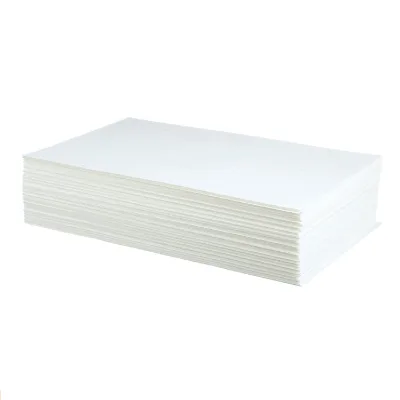
High Quality Industrial Oil Residue Filter Cloth Food Grade Wood Pulp Paper
$0.10 - $0.20
MOQ: 1000 Pieces



Comprehensive Sourcing Guide
Strategic Sourcing Guide for Customized Wood Pulp Filter Sheets
Navigating the global market for customized wood pulp filter sheets requires a disciplined approach that balances technical precision with supply chain reliability. Buyers seeking these specialized materials must understand that "customized" implies a high degree of variability in specifications, ranging from pore sizes and basis weights to resin content and physical dimensions. The following guide outlines the critical factors for sourcing these products, drawing exclusively on verified product attributes and established industry knowledge to ensure procurement decisions are grounded in factual evidence rather than speculation.
Technical Specifications and Material Composition
The foundation of any successful procurement for wood pulp filter sheets lies in the precise definition of technical specifications. The core material is consistently identified as wood pulp, specifically virgin pulp, which ensures high purity and consistent performance. However, the physical manifestation of this material varies significantly across different product lines. Thickness is a primary variable, with observed ranges spanning from less than 0.3mm for high-efficiency applications to 0.91-1.2mm for more robust filtration needs. Buyers must verify the specific thickness required for their application, as this directly impacts flow rates and pressure drop characteristics.
Basis weight, or grammage, is another critical parameter. Data indicates a wide spectrum of options, from lightweight sheets under 100g/m² to heavier grades ranging from 101-150g/m². Specific model references highlight weights such as 12.3GSM-25GSM and 16.5GSM-25GSM, suggesting that the market offers both ultra-thin and moderately heavy options. The structural integrity of the paper is further defined by burst strength, which has been observed in the range of 200-600, indicating varying levels of mechanical durability depending on the intended use.
Pore size is perhaps the most defining characteristic for filtration efficiency. The available data points to a pore size range of 30-115 micrometers (um), a critical specification for determining what particulates the filter can retain. Additionally, the resin content, which affects the paper's resistance to liquids and heat, varies between 10%-15% and 20.1%-25%. This variance suggests that buyers must explicitly state their chemical resistance requirements, as a sheet designed for dry air filtration will differ significantly from one intended for liquid filtration or food wrapping. The paper type itself can be plain or corrugated, with corrugation levels ranging from 0.15 to 0.5, influencing the surface area and flow dynamics.
Compliance, Certification, and Regulatory Standards
In the B2B procurement of filter papers, particularly those used in food, automotive, and industrial applications, compliance is non-negotiable. The supply chain for wood pulp filter sheets is characterized by a robust array of certifications that validate the manufacturer's quality management systems and environmental stewardship. Commonly observed certifications include ISO9001 for quality management, ISO14001 for environmental management, and TS16949 (now IATF 16949), which is specifically critical for automotive applications.
For industries dealing with food and beverages, the presence of HACCP (Hazard Analysis and Critical Control Points) and ISEGA certifications is a strong indicator of suitability. The BRC (British Retail Consortium) certification is also noted in the market data, further validating the product's safety for food contact. It is essential for buyers to verify that the specific supplier they engage holds these active certifications, as the presence of a certificate on a general product page does not guarantee that every specific batch or customized order adheres to the same strict standards.
Regarding product standards, the market references the NHS standard, alongside custom specifications. Dimensions are often standardized, with common widths including 94mm, 103mm, and 125mm, though custom widths up to 1250mm are available. The origin of the product is a significant factor in regulatory compliance; production is noted in regions such as Hebei and Zhejiang in China. Buyers should ensure that the origin aligns with their import regulations and that the manufacturing location supports the specific certifications claimed.
Cost Drivers and Pricing Dynamics
Understanding the cost structure of customized wood pulp filter sheets is vital for budgeting and negotiation. The observed price range in the market spans from $0.02 to $45 per unit, a vast disparity that reflects the diversity of product types, from simple tea bag filters to complex automotive filter papers. This range is not indicative of a single product's volatility but rather the spectrum of the entire category. The cost is heavily influenced by the level of customization required.
Several factors drive the final price. First, the resin content and the type of pulp (virgin vs. recycled, though virgin is observed here) affect raw material costs. Second, the manufacturing complexity, such as the creation of specific pore sizes or corrugation patterns, adds to the production expense. Third, the packaging method plays a role; products are available in rolls, cartons, or customized packaging, each with different logistical costs.
The Minimum Order Quantity (MOQ) is another significant cost driver. The market shows an MOQ range from 1 to 3000 units. For buyers seeking small batches or prototypes, an MOQ of 1 allows for low-risk testing, but the unit cost will likely be at the higher end of the spectrum. Conversely, large-scale industrial buyers can leverage the higher MOQs to achieve economies of scale, potentially lowering the per-unit cost. Buyers must balance their immediate volume needs against the financial benefit of larger orders, keeping in mind that customization often requires a higher baseline MOQ to justify the setup costs for the manufacturer.
Typical Applications and Usage Scenarios
The versatility of wood pulp filter sheets is evident in the diverse applications observed in the market. The product is explicitly categorized for use as air filters, liquid filters, and food wrapping papers. In the context of air filtration, the material is often used in automotive applications, where the specific model codes like "ABP-001" or "M-F9" denote specialized grades designed to handle engine air intake or cabin air purification. These applications demand high burst strength and precise pore sizes to ensure optimal airflow while trapping contaminants.
In the food and beverage sector, the usage shifts to tea bag filtration and food wrapping. The "Tea Bag Filter Paper" is a distinct product line, often requiring biodegradability and specific pore sizes to allow for proper tea infusion while retaining leaf particles. The presence of HACCP and ISEGA certifications underscores the importance of food safety in these applications. The material's biodegradable nature is a key selling point for eco-conscious markets, aligning with global trends toward sustainable packaging.
Furthermore, the distinction between quantitative and qualitative usage types suggests that the filter paper serves different functional roles. Quantitative usage may imply precise measurement or separation tasks, while qualitative usage could relate to general filtration or separation where exact particle counts are less critical. Buyers must clearly define their application scenario to ensure the selected product matches the functional requirements, whether it involves high-temperature resistance, liquid permeability, or specific mechanical strength.
Supplier Evaluation and Production Capabilities
When evaluating potential suppliers for customized wood pulp filter sheets, buyers must look beyond basic product listings and assess the supplier's capacity for customization. The market data confirms that customization is available, with options for ODM (Original Design Manufacturing) acceptance. This indicates that suppliers are willing to adapt their production lines to meet specific client needs, such as custom dimensions, unique pore sizes, or tailored resin content.
The production origin is a critical factor in supplier evaluation. The observed origins in Hebei and Zhejiang suggest a concentration of manufacturing capabilities in China. Buyers should verify the specific factory location to understand the logistical implications, including lead times and shipping costs. Additionally, the availability of different packing methods—rolls, cartons, or customized packaging—demonstrates a supplier's flexibility in handling various client requirements.
It is imperative to verify the supplier's ability to maintain consistency across batches. While certifications like ISO9001 provide a baseline for quality management, buyers should request sample batches to test against their specific technical requirements. The presence of multiple product models, such as "12.3GSM-25GSM" or "16, 5gsm*120mm/125mm/140mm," suggests that suppliers have a diverse inventory but may need to adjust production for highly customized orders. Buyers should inquire about the supplier's experience with similar custom projects and their ability to scale production if demand increases.
Quality Control and Long-Term Procurement Strategy
Effective quality control is essential for maintaining the performance of wood pulp filter sheets. Buyers should implement a rigorous inspection protocol that includes verifying the physical attributes such as thickness, pore size, and burst strength against the agreed specifications. The observed ranges for these parameters provide a benchmark for what is achievable, but the specific requirements for each project must be clearly documented in the purchase order.
Long-term procurement considerations involve building a sustainable relationship with the supplier. This includes establishing clear communication channels for quality feedback and ensuring that the supplier can consistently meet the required standards over time. The availability of customized packaging and the ability to handle different order sizes (from 1 to 3000 units) suggest that suppliers can adapt to changing market demands. However, buyers should also consider the environmental impact of their procurement, given the biodegradable nature of the product and the certifications held by many manufacturers.
In conclusion, sourcing customized wood pulp filter sheets requires a meticulous approach that integrates technical specifications, compliance checks, and supplier evaluation. By focusing on the verified attributes such as virgin pulp composition, specific pore sizes, and recognized certifications, buyers can make informed decisions that ensure product performance and supply chain reliability. The market offers a wide range of options, from tea bag filters to automotive air filters, but success depends on the buyer's ability to clearly define their needs and select a supplier capable of delivering high-quality, customized solutions.
| Attribute Category | Observed Range / Options | Key Consideration for Buyers |
|---|---|---|
| Material | Wood Pulp (Virgin) | Verify pulp source for purity and sustainability. |
| Thickness | <0.3mm to 1.2mm | Match thickness to flow rate and pressure requirements. |
| Pore Size | 30-115 um | Critical for filtration efficiency and particle retention. |
| Resin Content | 10%-15% to 20.1%-25% | Determine chemical and heat resistance needs. |
| Certifications | ISO9001, ISO14001, TS16949, HACCP, ISEGA, BRC | Ensure certifications match industry-specific regulations. |
| Packaging | Roll, Carton, Customized | Align packaging with logistics and storage capabilities. |
| MOQ | 1 to 3000 | Balance inventory costs with order flexibility. |
| Origin | Hebei, Zhejiang, China | Consider logistics and import regulations. |
FAQs
What certifications do customized wood pulp filter sheets typically have?
These sheets commonly hold ISO9001, ISO14001, TS16949, HACCP, and ISEGA certifications. Buyers should verify that specific batches maintain these active standards, especially for food or automotive applications requiring strict safety compliance.
How thick are the available wood pulp filter sheet options?
Thickness ranges from less than 0.3mm for high-efficiency uses to 0.91-1.2mm for robust filtration. The specific thickness directly impacts flow rates, so buyers must select the grade matching their pressure drop requirements.
Can buyers request custom dimensions for these filter sheets?
Yes, customization is available for dimensions like 94mm, 103mm, 125mm, or up to 1250mm. Suppliers also accept ODM requests for tailored specifications, allowing adaptation to unique application needs.
What is the typical resin content for these filter papers?
Resin content varies between 10%-15% and 20.1%-25% depending on the product model. This variance determines liquid and heat resistance, so buyers must specify their chemical resistance requirements before ordering.
Which pore sizes are available for wood pulp filter sheets?
Available pore sizes span from 30 to 115 micrometers. This range defines filtration efficiency, allowing buyers to select the exact retention capability needed for air, liquid, or tea bag applications.
How does the minimum order quantity affect pricing for these sheets?
MOQ ranges from 1 to 3000 units, influencing unit costs significantly. Smaller orders may cost more per unit, while larger volumes leverage economies of scale to reduce the price per sheet.
What materials are used to make these customized filter sheets?
The core material is virgin wood pulp, ensuring high purity and consistent performance. This virgin pulp composition supports biodegradability and meets strict quality standards for various industrial and food applications.