Source Aquaculture Water Quality Monitoring Meter for tanks, ponds, and flow systems
Compare 30 multifunctional water quality meters designed for Aquaculture Water Quality Monitoring Meter applications. These devices feature digital LCD displays, portable designs, and various measuring ranges for pH, conductivity, and salinity to suit different farming environments.
Key considerations
Products List


Industrial Water Conductivity Monitor for Enhanced Aquaculture Water Quality
$280.00 - $306.21
MOQ: 1 Pieces


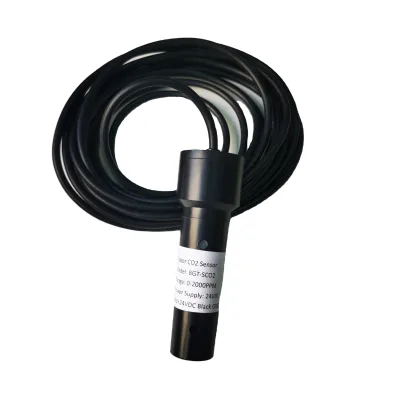


Intelligent Controller Analyzer for Aquaculture Water Quality Management
$154.00 - $369.00
MOQ: 1 Pieces


Innovative Water Meter for Efficient Measurement and Enhanced Accuracy
$15.00 - $30.00
MOQ: 500 Pieces

Intelligent Water Meter for Eco-Friendly and Efficient Water Management
$15.00 - $30.00
MOQ: 500 Pieces


Online ORP Sensor Meter Water Quality Sensor for Aquaculture and Sewage Treatment
$150.00 - $179.00
MOQ: 1 Pieces


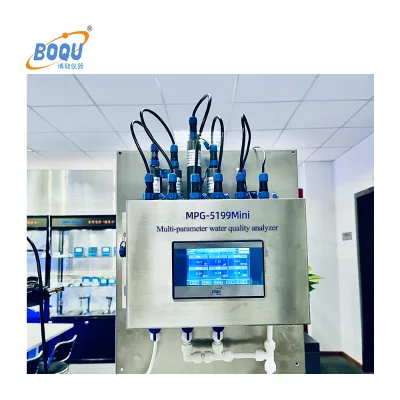
Comprehensive Sourcing Guide
Strategic Sourcing Guide for Aquaculture Water Quality Monitoring Meters
The aquaculture industry relies heavily on precise water quality data to maintain optimal conditions for fish and shellfish health. Sourcing a reliable water quality monitoring meter is a critical procurement decision that directly impacts operational efficiency and stock survival rates. Buyers must navigate a market filled with multifunctional devices, ranging from handheld testers to industrial-grade sensors with digital outputs. This guide provides a disciplined approach to evaluating potential suppliers and products, focusing on verified technical attributes, compliance standards, and cost structures derived from current market observations.
Technical Specifications and Functional Capabilities
When evaluating water quality meters for aquaculture, the primary focus must be on the specific parameters the device can measure and the precision of those measurements. The market offers a variety of configurations, including "5 in 1" and "10 in 1" multifunctional testers. These devices are designed to measure multiple critical parameters simultaneously, reducing the need for separate instruments.
A key technical attribute to verify is the resolution and accuracy of the sensors. For conductivity measurements, observed specifications indicate resolutions of 0.1 µS/cm and 1 µS/cm, with accuracy ranges covering 0 to 199.9 µS/cm and 0 to 1999 µS/cm. Similarly, pH meters typically offer a resolution of 0.1 pH units, with a functional range spanning from 2.0 to 12.0 pH. This range is essential for aquaculture, where maintaining a stable pH is vital for the biological processes of aquatic life.
Salinity measurement is another critical function, particularly for marine aquaculture. Buyers should look for devices capable of measuring salinity in both fresh and seawater environments. Verified data points to a range of 0 to 10.00 ppt for standard applications and up to 0 to 42.0 ppt for seawater conditions. Additionally, Total Dissolved Solids (TDS) factors are often adjustable, with a standard factor of 0.5 observed in current product listings. The measuring method for specific ions, such as sodium, often utilizes the ion electrode method, which is a standard approach for high-precision chemical analysis.
The physical design of the meter also influences its suitability for aquaculture environments. Many units are constructed from ABS material, providing durability against moisture and chemical exposure. The display type is predominantly LCD, offering clear digital readouts even in varying light conditions. For larger operations, portable units are available, but fixed installation models are also common. These fixed units often feature sinking type, pipeline, or circulation type installations, allowing for continuous monitoring within tanks or recirculating systems.
Compliance, Certification, and Safety Standards
In the B2B procurement of electronic monitoring equipment, verifying compliance with international standards is non-negotiable. While specific certification claims vary by manufacturer, buyers must insist on documented proof of safety and environmental compliance. The most frequently observed certification in the current market is the CE mark, which indicates conformity with health, safety, and environmental protection standards for products sold within the European Economic Area.
Beyond the CE mark, buyers should verify if the product adheres to ISO 9001 standards for quality management systems. Although specific ISO 9001 certification status may not be explicitly listed for every unit, it is a standard expectation for reputable manufacturers in the region. Similarly, RoHS compliance regarding the restriction of hazardous substances is a critical factor for electronic devices to ensure they do not introduce toxins into the aquaculture environment.
The operational environment of the meter is another area where compliance matters. Devices must be rated to function within specific temperature and humidity ranges. Observed specifications indicate an operation environment of 0 to 60°C (32 to 140°F) with a relative humidity of up to 100%. This rating ensures the device can withstand the humid and often fluctuating conditions found in fish farms and processing facilities. Buyers should also check for pressure resistance capabilities, particularly for submersible or pipeline-mounted sensors. A typical rating of ≤0.2 MPa is observed, which is suitable for many aquaculture applications but may require higher ratings for deep-water or high-pressure systems.
Cost Drivers and Pricing Structures
The pricing of water quality monitoring meters is influenced by several factors, including the number of parameters measured, the build quality, and the level of customization offered. The observed price range in the market is extensive, spanning from $5 to $80,000 USD. This wide disparity reflects the difference between basic handheld testers and complex, industrial-grade sensor systems with advanced data logging and remote connectivity.
A significant cost driver is the level of customization. Suppliers offering OEM (Original Equipment Manufacturer) and ODM (Original Design Manufacturer) support often command higher prices due to the engineering resources required to tailor the device to specific client needs. Customization options may include branding, specific sensor configurations, or unique communication protocols. The minimum order quantity (MOQ) also affects the unit cost, with observed ranges from 1 to 500 units. Buyers purchasing in bulk can often negotiate better pricing, but they must balance this against their inventory requirements.
Additional costs arise from the installation method and power requirements. Devices with RS-485 Modbus communication capabilities, which allow for integration into larger SCADA systems, may carry a premium over simple digital display units. Power supply requirements, such as DC12V or 9-36VDC inputs, can also influence the total cost of ownership, especially if additional power regulation equipment is needed. Buyers should also consider the cost of consumables, such as replacement electrodes or calibration solutions, which are necessary for maintaining accuracy over time.
Typical Applications in Aquaculture Operations
Water quality monitoring meters serve diverse roles across the aquaculture supply chain. The primary application is in recirculating aquaculture systems (RAS), where maintaining stable water chemistry is essential for high-density fish farming. In these systems, continuous monitoring of pH, conductivity, salinity, and dissolved oxygen is required to prevent stress and mortality. The multifunctional nature of "5 in 1" or "10 in 1" testers makes them ideal for these environments, as they can provide a comprehensive water profile with a single device.
For marine aquaculture, salinity monitoring is particularly critical. Devices capable of measuring up to 42.0 ppt are essential for managing brackish water conditions and ensuring the correct osmotic balance for species like shrimp and marine fish. The ability to switch between different salinity ranges allows operators to adapt to varying water sources or seasonal changes.
In hatcheries and nurseries, where water quality can be more volatile, portable meters are often preferred for spot-checking water parameters. These handheld units, typically made of ABS and featuring LCD displays, allow staff to quickly assess water conditions in different tanks or ponds. For larger commercial operations, fixed installation sensors with sinking or pipeline types provide automated, real-time data, reducing the need for manual sampling and minimizing human error.
Supplier Evaluation and Sourcing Strategy
When evaluating potential suppliers, buyers should prioritize those with a clear track record in the aquaculture sector. The place of origin for many of these devices is Henan, China, a region known for its manufacturing capabilities in electronic testing equipment. However, the origin alone is not a sufficient indicator of quality. Buyers must verify the supplier's ability to provide consistent product quality and after-sales support.
Key evaluation criteria include the supplier's capacity for customization, their warranty terms, and their response time to technical inquiries. A standard warranty period of one year is observed in the market, but buyers should negotiate for extended coverage if the device is critical to their operations. The supplier's ability to provide detailed technical documentation, including calibration procedures and maintenance guides, is also a crucial factor.
Buyers should also assess the supplier's inventory management and lead times. While specific lead times are not universally standardized, the ability to fulfill orders within a reasonable timeframe is essential for maintaining operational continuity. Suppliers offering flexible MOQs, ranging from single units to bulk orders of 500, provide better flexibility for buyers at different stages of business growth.
Quality Control and Long-Term Procurement Considerations
Ensuring the long-term reliability of water quality monitoring meters requires a robust quality control strategy. Buyers should request test results and calibration certificates for each batch of products. The use of high-quality materials, such as ABS for the housing and PPS for specific components, contributes to the durability of the device. However, buyers must verify that these materials meet the specific environmental demands of their aquaculture facility.
Long-term procurement considerations include the availability of spare parts and the ease of maintenance. Devices with modular designs, where sensors can be replaced independently, offer better value over time. The signal output capabilities, such as RS-485, are also important for future-proofing the system, as they allow for integration with advanced data management software.
Buyers should also consider the environmental impact of the device. Ensuring that the product is RoHS compliant and manufactured in accordance with ISO 9001 standards helps mitigate environmental risks. Finally, establishing a clear communication channel with the supplier for technical support and troubleshooting is essential for minimizing downtime and ensuring the continuous monitoring of water quality in aquaculture operations.
Comparative Analysis of Device Configurations
To assist buyers in selecting the right device, the following table compares common configurations based on observed specifications. This comparison highlights the differences in functionality, installation, and technical capabilities.
| Feature | Handheld Multifunction Tester | Fixed Installation Sensor | Industrial Modbus Sensor |
|---|---|---|---|
| Primary Use | Spot checks, portable monitoring | Continuous tank monitoring | Integrated system control |
| Parameters | pH, Conductivity, Salinity, TDS | pH, Conductivity, Salinity | pH, Conductivity, Salinity, Sodium |
| Display | LCD Digital | LCD Digital | Digital (Remote) |
| Power Supply | Battery (implied) | DC12V | 9-36VDC |
| Output | None | None | RS-485 Modbus |
| Installation | Portable | Sinking, Pipeline, Circulation | Pipeline, Circulation |
| Material | ABS | ABS, PPS | PPS |
| Resolution | 0.1 pH, 0.1 µS/cm | 0.1 pH, 0.1 µS/cm | 0.1 pH, 0.1 µS/cm |
| Accuracy | Standard | Standard | High Precision |
| Warranty | 1 Year | 1 Year | 1 Year |
This comparison illustrates that while the core measurement capabilities may be similar, the integration and power requirements differ significantly. Handheld units are best for flexibility, while fixed and industrial units are superior for automation and data integration. Buyers must align their choice with their specific operational needs and infrastructure capabilities.
FAQs
What customization options are available for these meters?
Customization is available with OEM and ODM support for branding and configuration. Buyers can request specific sensor setups or communication protocols to match their aquaculture facility needs.
Which certifications do these water quality meters typically hold?
These devices commonly carry CE certification for safety and environmental compliance. Buyers should verify this documentation to ensure the equipment meets international standards for use in sensitive aquatic environments.
How accurate is the conductivity measurement on these testers?
The conductivity resolution is 0.1 µS/cm or 1 µS/cm with accuracy ranges up to 1999 µS/cm. This precision supports reliable monitoring of salinity and dissolved solids in various aquaculture water types.
Can these meters operate in high humidity environments?
Yes, the devices are rated for operation up to 100% relative humidity within a temperature range of 0 to 60°C. This ensures functionality in the humid conditions typical of fish farms and processing areas.
What is the minimum order quantity for purchasing these units?
The minimum order quantity ranges from 1 to 500 units depending on the specific model and supplier terms. Buyers can negotiate bulk pricing for larger orders while maintaining flexibility for smaller initial purchases.
Which installation types are supported for fixed monitoring systems?
Fixed installation models support sinking, pipeline, and circulation type setups for continuous monitoring. These configurations allow for seamless integration into recirculating aquaculture systems without requiring manual sampling.